
noble aeonium
Also known as: Information to be completed
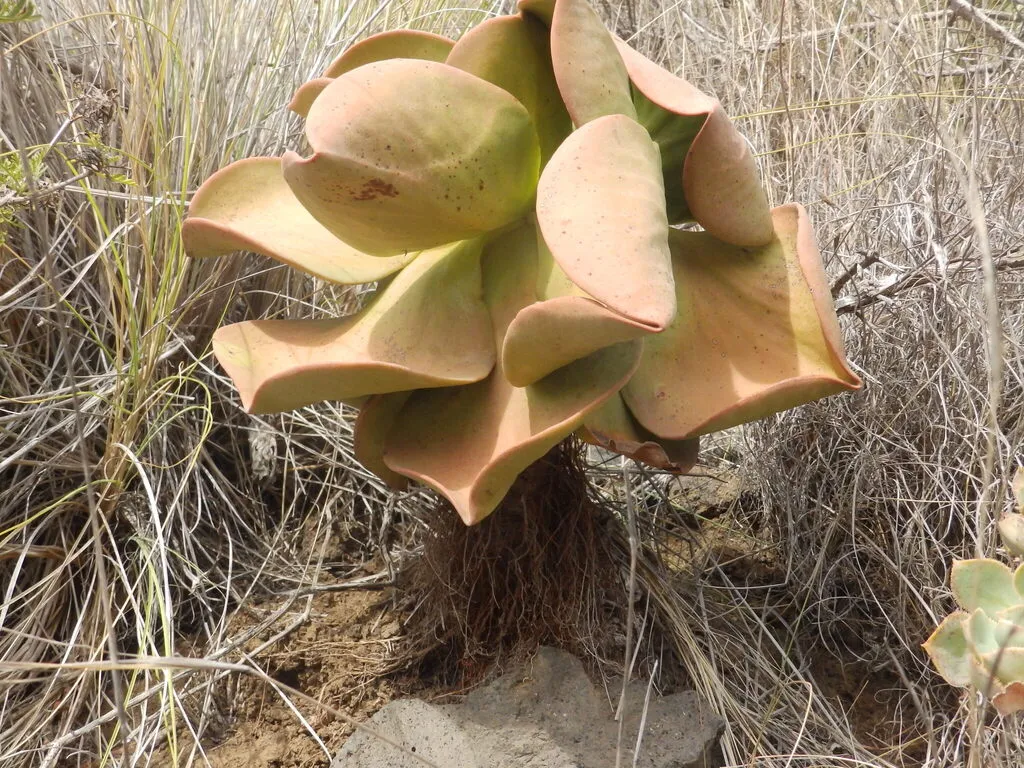
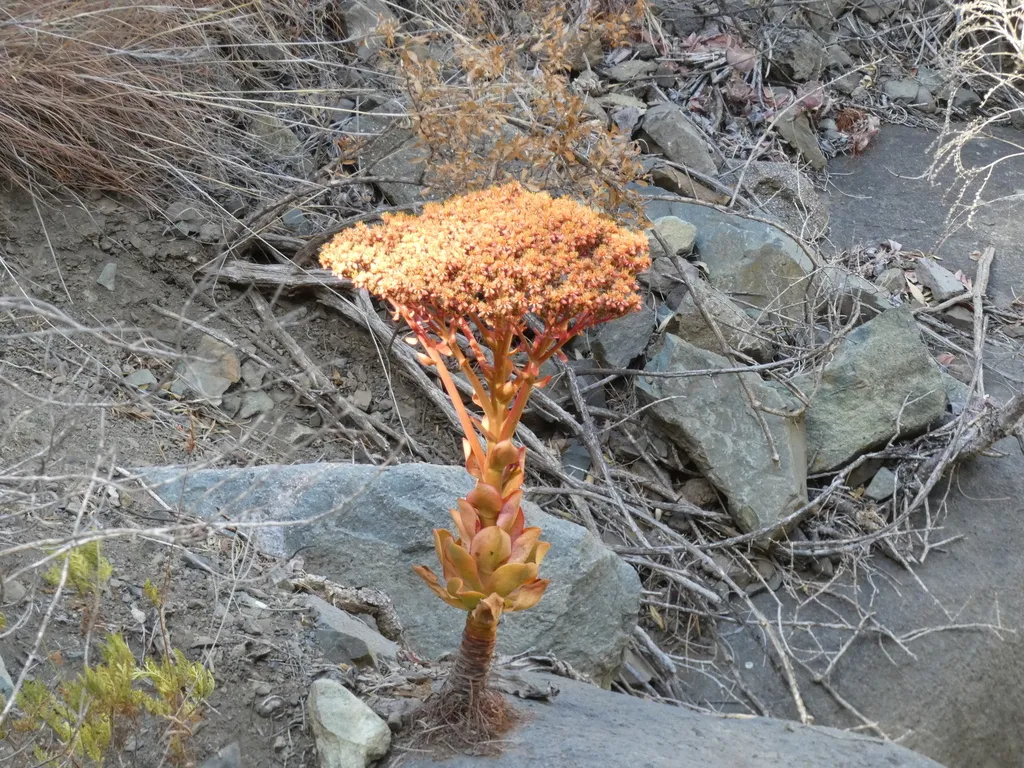
An evergreen, monocarpicsucculent forminglarge rosettes 30-50cm across of thick, fleshy, olive green leaves; the leaves flush orange and red in bright light conditions. After several years, mature plants produce panicles of small, red, star-shaped flowers in spring held on a red stem up to 1.2m tall
Scientific classification
- Species
- noble aeonium (Aeonium nobile)
- Genus
- Aeonium
- Family
- Crassulaceae
- Information to be completed
- Toxicity
- Cactus Succulent · Conservatory Greenhouse · Houseplants
- Plant type
- 0.5-1 metres
- Height
- 0.1-0.5 metres
- Spread
- Evergreen
- Foliage
- Columnar upright
- Habit
- Spring · Summer · Autumn · Winter
- Season of interest
- Full sun
- Sunlight
- Information to be completed
- Ideal temperature









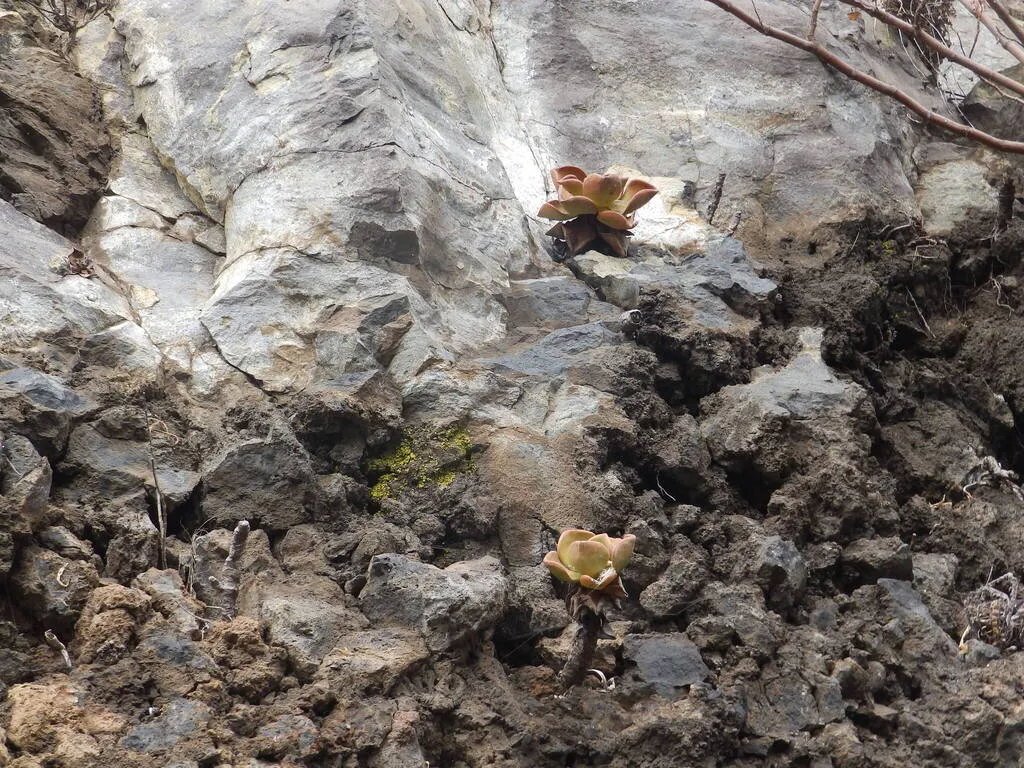
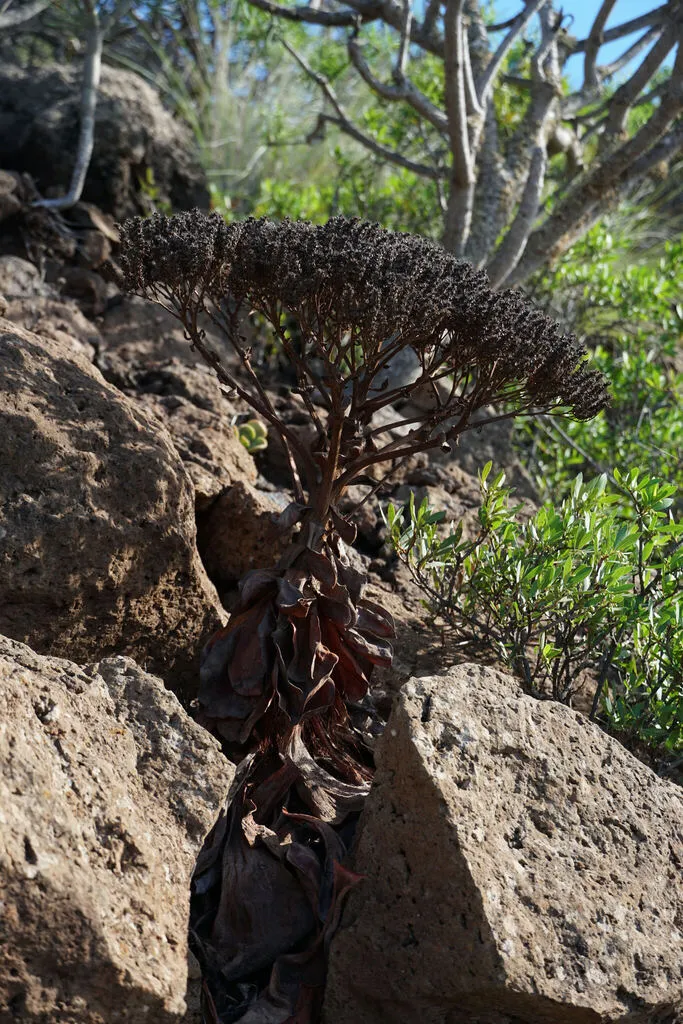
noble aeonium pictures
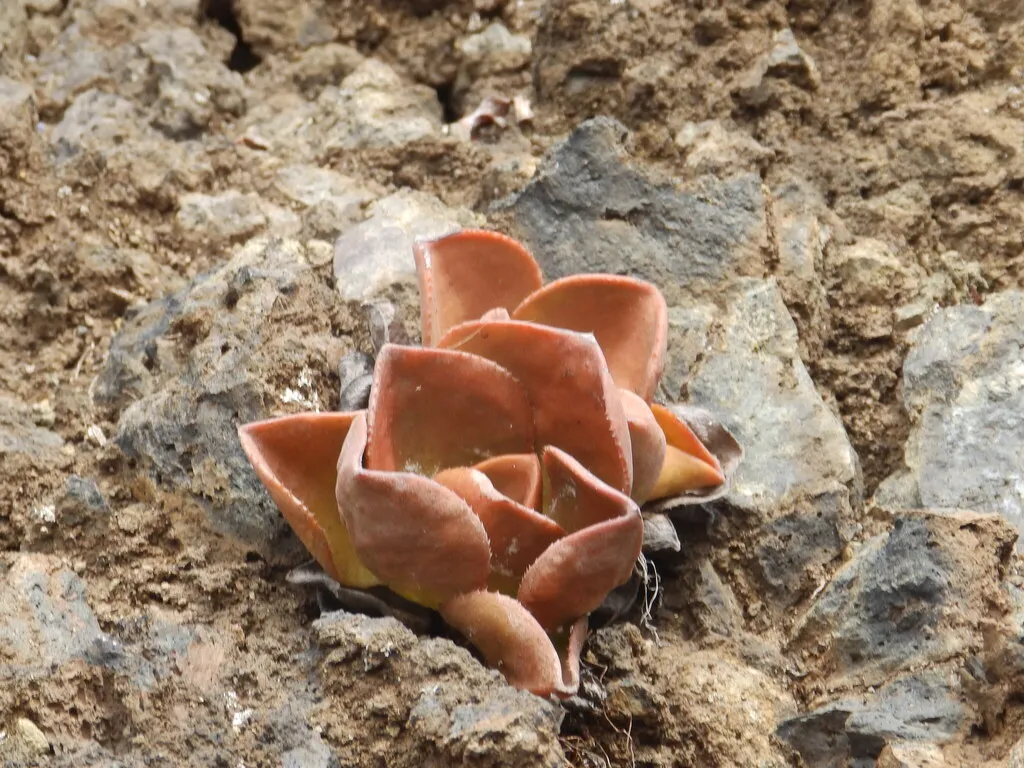
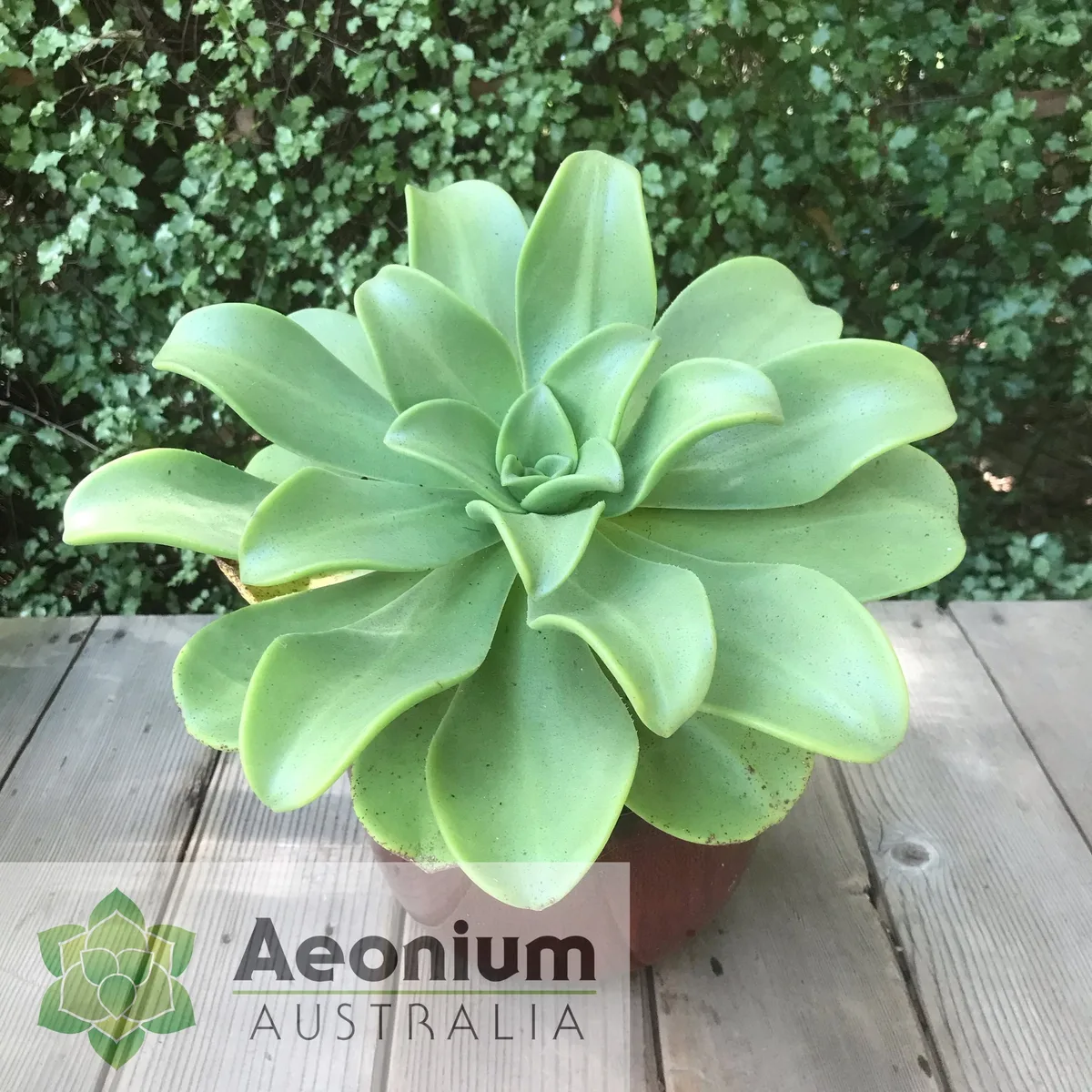
Distribution of noble aeonium
Distribution map
Las Palmas
Information to be completed
Culture
Information to be completed
Toxicity
Information to be completed
Quick identification of noble aeonium
Information to be completed
noble aeonium care guide
- Water only when substrate fully dry, minimal water in cool winter
- Watering
- Full sun
- Sunlight
- Information to be completed
- Ideal temperature

Watering
Water only when substrate fully dry, minimal water in cool winter
Fertilizing
 Fertilizing
Diluted low-nitrogen succulent feed once per growing month
Pruning
 Pruning
No pruning required
Propagation
 Propagation
Propagate by seed or by offsets
Growing
 Growing
Grow under glass in a loam-based potting compost with added extra grit. Water moderately when in growth, not at all when dormant. Apply a balanced liquid fertiliser 2 or 3 times in the growing season. For more advice see houseplant cacti and succulent cultivation
People also ask
Information to be completed
Common pests and diseases
Diseases
Generally disease-free
Pests
May be susceptible to aphids and mealybugs
Explore the plant health library →




