
broom 'Goldfinch'
Also known as: Information to be completed
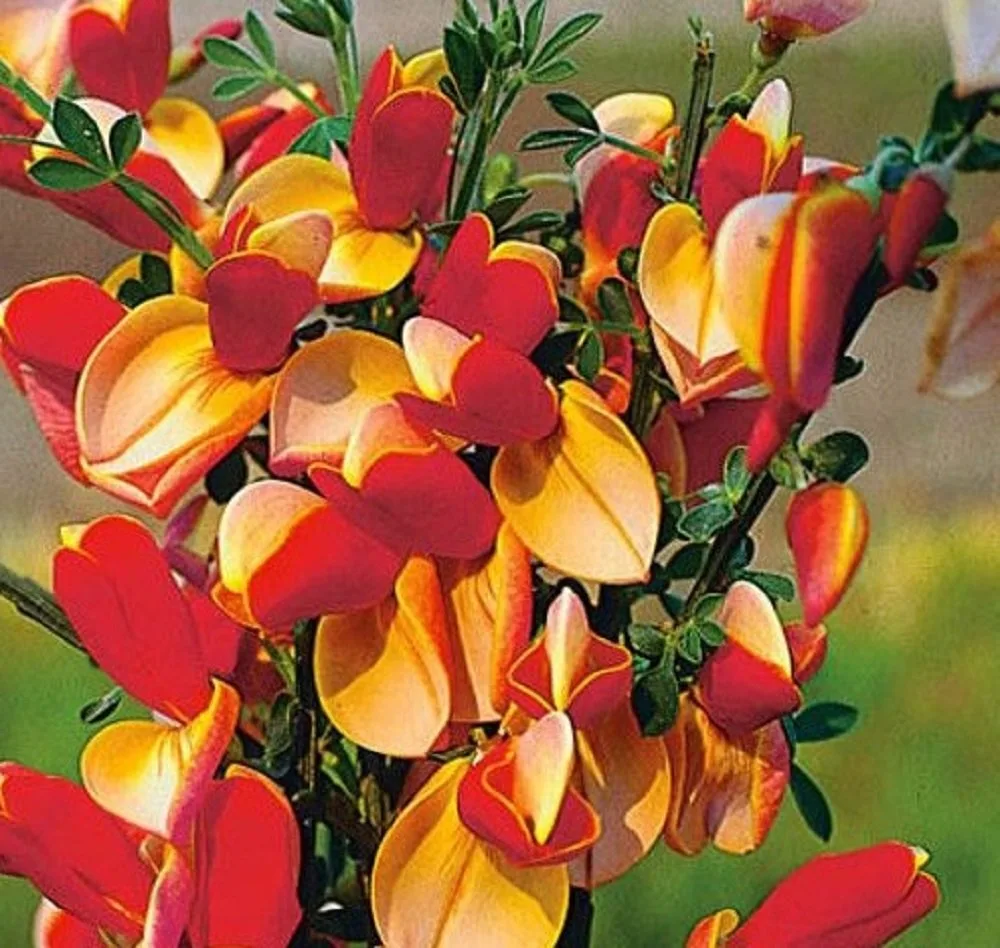
A compact shrub to about 1.3m with evergreen branches and tiny, mid-green, deciduous leaves. Arching sprays of long-lasting, red, yellow and pink pea flowers are produced in mid- to late spring
Scientific classification
- Species
- broom 'Goldfinch' (Cytisus 'Goldfinch')
- Genus
- Cytisus
- Family
- Fabaceae
- Order
- Fabales
- Class
- Magnoliopsida
- Phylum
- Magnoliophyta
- Harmful if eaten. Wear gloves and other protective equipment when handling
- Toxicity
- Shrubs
- Plant type
- 1-1.5 metres
- Height
- 1-1.5 metres
- Spread
- Deciduous
- Foliage
- Bushy
- Habit
- Spring · Autumn · Summer
- Season of interest
- Full sun
- Sunlight
- Information to be completed
- Ideal temperature









broom 'Goldfinch' pictures
Toxicity
Harmful if eaten. Wear gloves and other protective equipment when handling
broom 'Goldfinch' care guide
- Light infrequent watering, wait full soil dryness before each irrigation
- Watering
- Full sun
- Sunlight

Watering
Light infrequent watering, wait full soil dryness before each irrigation
Fertilizing
 Fertilizing
Highly diluted low-nitrogen feed once monthly spring growth period
Pruning
 Pruning
Shorten flowered shoots to vigorous sideshoots; remove about a third of stems at ground level annually. Prune immediately after flowering.
Propagation
 Propagation
Propagate by semi-ripe cuttings in late summer or early autumn, or by hardwood cuttings in midwinter
Growing
 Growing
Thrives in poor, well-drained, acid soils but tolerates some lime. Plant out when young; brooms resent transplanting
Common pests and diseases
Diseases
May be susceptible to honey fungus
Pests
May be susceptible to broom gall mites
Explore the plant health library →




