
opium poppy
Also known as: balewort; carnation poppy; fairy's charms; Joan silver pin; John's silver pin; marble flower; maw seed; opium; peony poppy; white poppy; dream plant; flower of Venus; moonflower; sweet slumber
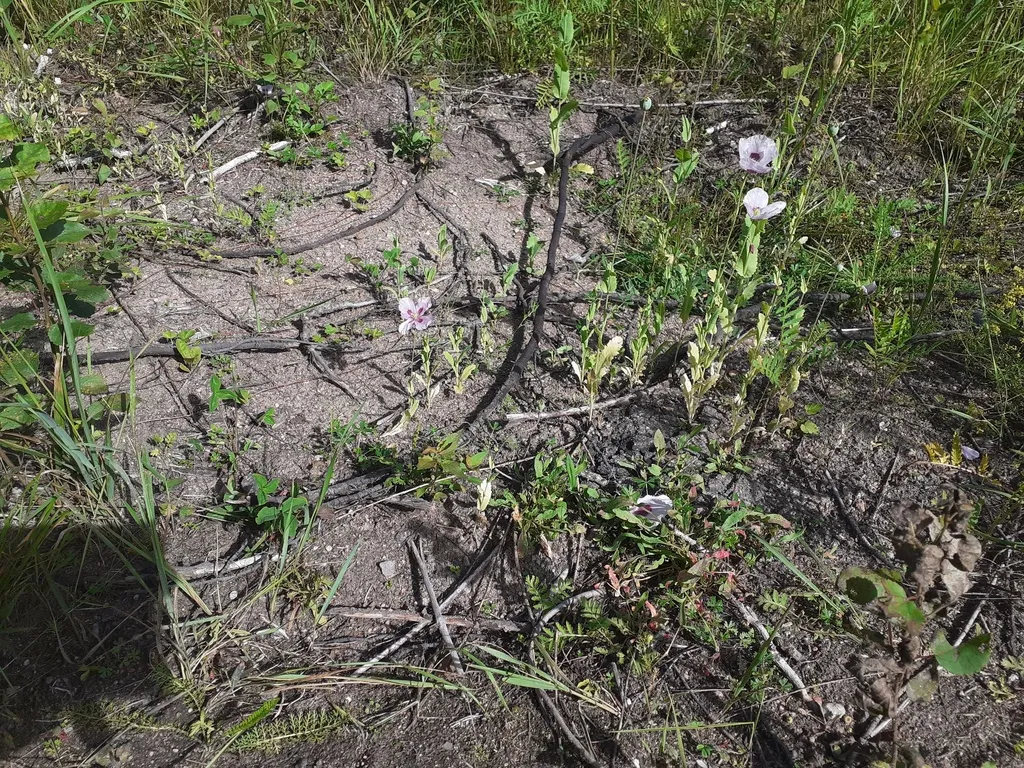
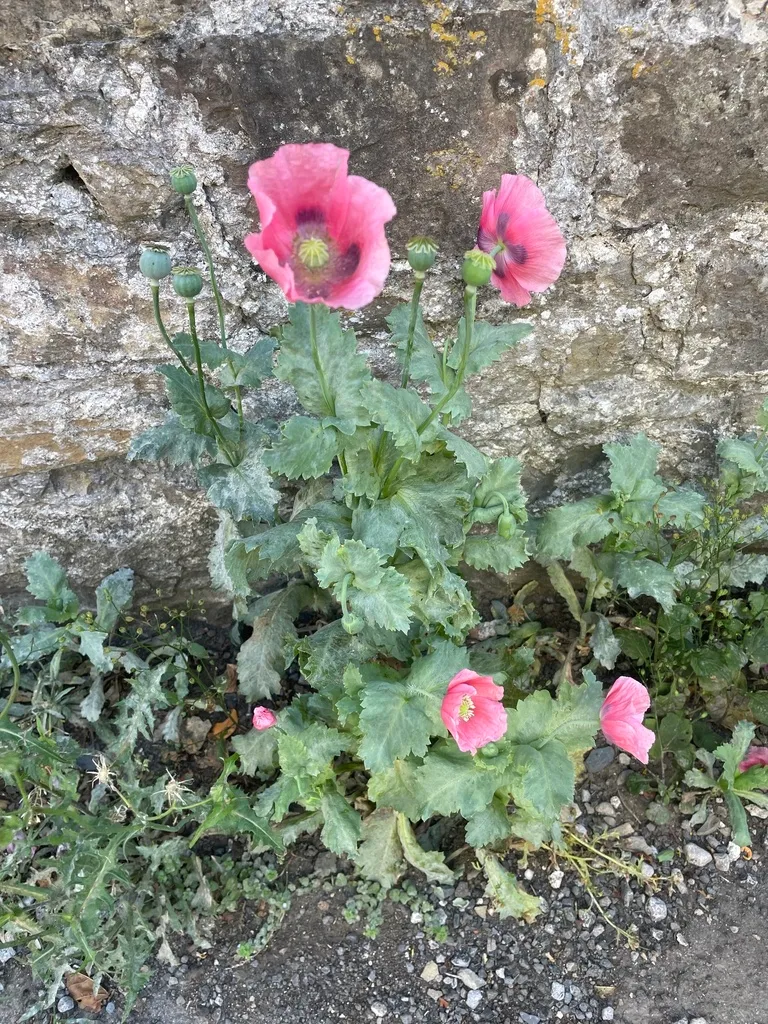
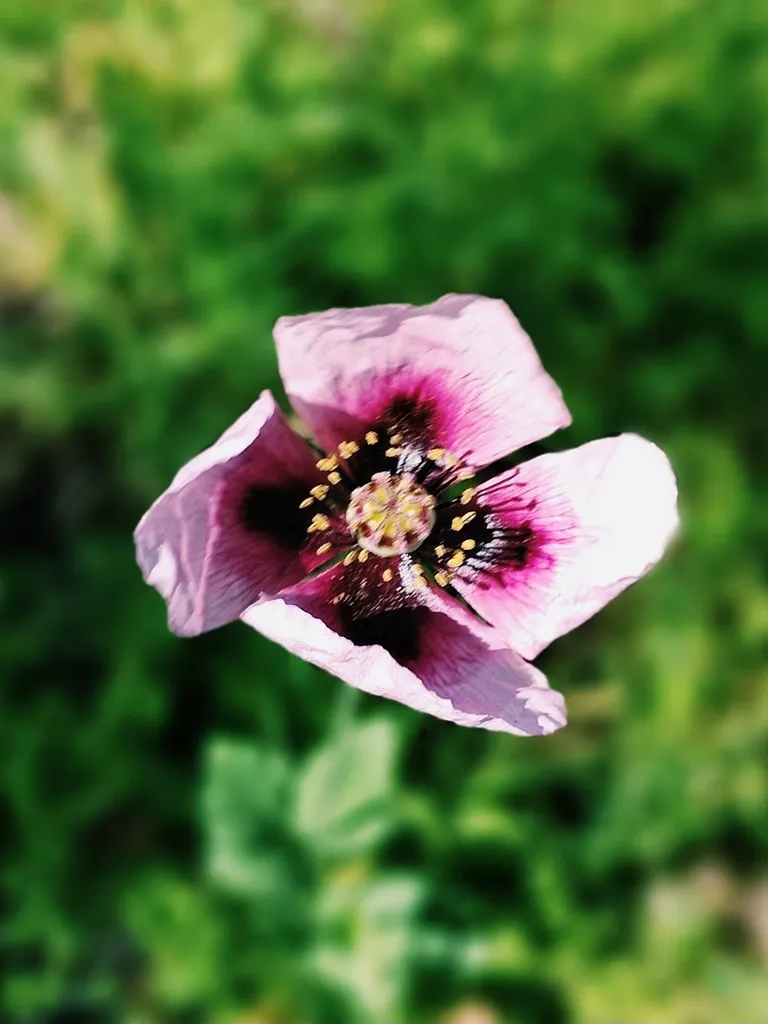
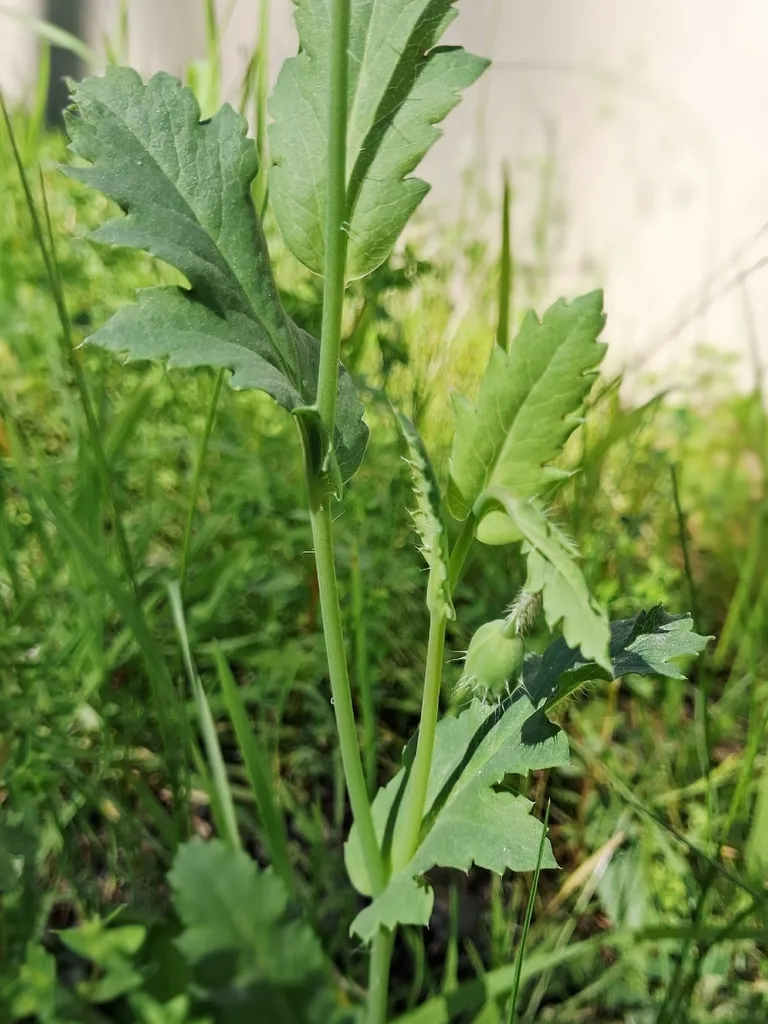
A smooth, glaucous annual, to 120cm, with heart-shaped leaves, the upper ones clasping the stem and with toothed, wavy margins. The wide-open flowers have large petals surrounding a green, urn-shaped capsule with a flat cap, and many dark purple or yellow stamens. The capsule enlarges after flowering and makes a decorative cut flower fresh or dried. Colour is variable, often white or mauve, but garden selections may be in many shades of red, pink, purple and near black. Double and laciniate forms are widely available
Scientific classification
- Species
- opium poppy (Papaver somniferum)
- Genus
- Papaver
- Family
- Papaveraceae
- Harmful if eaten. Wear gloves and other protective equipment when handling
- Toxicity
- Annual Biennial
- Plant type
- 1-1.5 metres
- Height
- 0.1-0.5 metres
- Spread
- Deciduous
- Foliage
- Columnar upright
- Habit
- Spring · Summer · Autumn
- Season of interest
- Full sun · Partial shade
- Sunlight
- Information to be completed
- Ideal temperature









opium poppy pictures
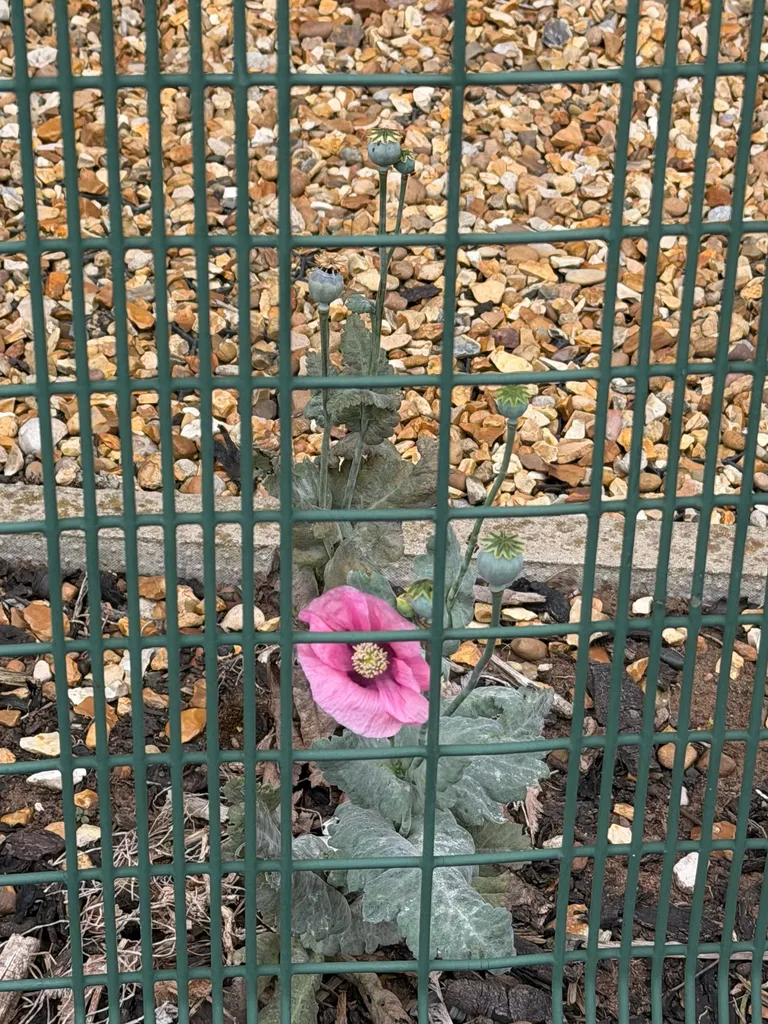
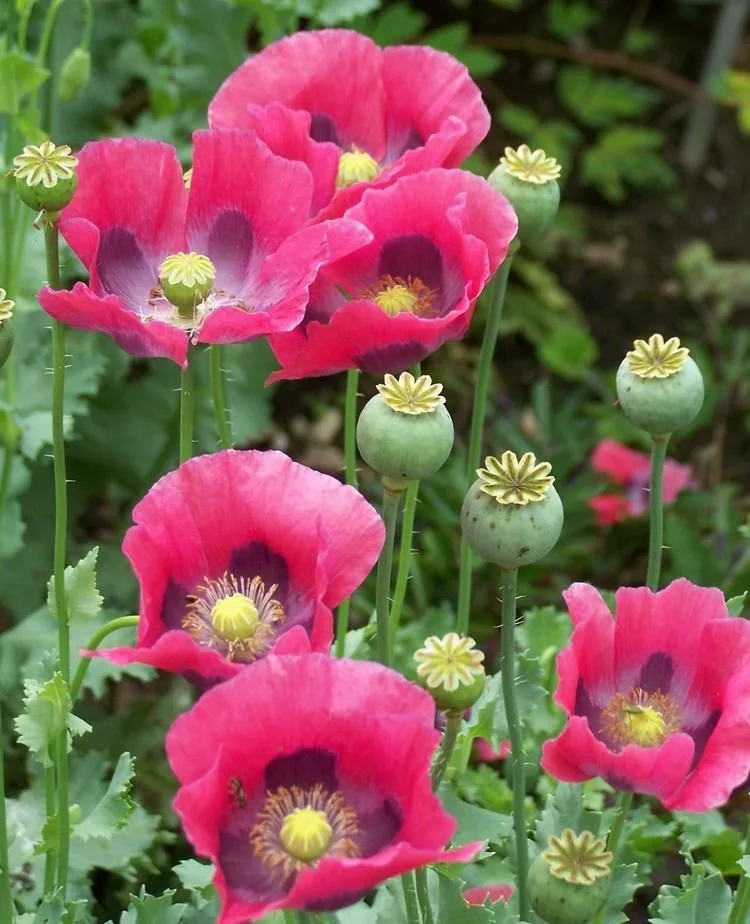
Distribution of opium poppy
Distribution map
- Native
- Introduced
- Cultivated
Source:WCVP v16 · Royal Botanic Gardens, Kew · CC BY 3.0 · Boundaries:WGSRPD / TDWG
Culture
Information to be completed
Toxicity
Harmful if eaten. Wear gloves and other protective equipment when handling
Quick identification of opium poppy
Information to be completed
opium poppy care guide
- Moderate regular watering, avoid prolonged drought or waterlogging
- Watering
- Full sun · Partial shade
- Sunlight
- Information to be completed
- Ideal temperature

Watering
Moderate regular watering, avoid prolonged drought or waterlogging
Fertilizing
 Fertilizing
Balanced feed in spring and light repeat in growth season
Pruning
 Pruning
No pruning required but deadhead if seed is not required
Propagation
 Propagation
Propagate by seed in situ during spring
Growing
 Growing
Easy to grow in any well-drained or moist but well-drained soil in full sun or light shade. Short-lived flowers have distinctive \"\"pepper-pot\"\" seed pods
People also ask
Information to be completed
Common pests and diseases
Diseases
May be susceptible to downy mildews, powdery mildews, fungal wilts and verticillium wilt
Pests
May be susceptible to aphids
Explore the plant health library →




