
harlequin flower
Also known as: fluweeltjie
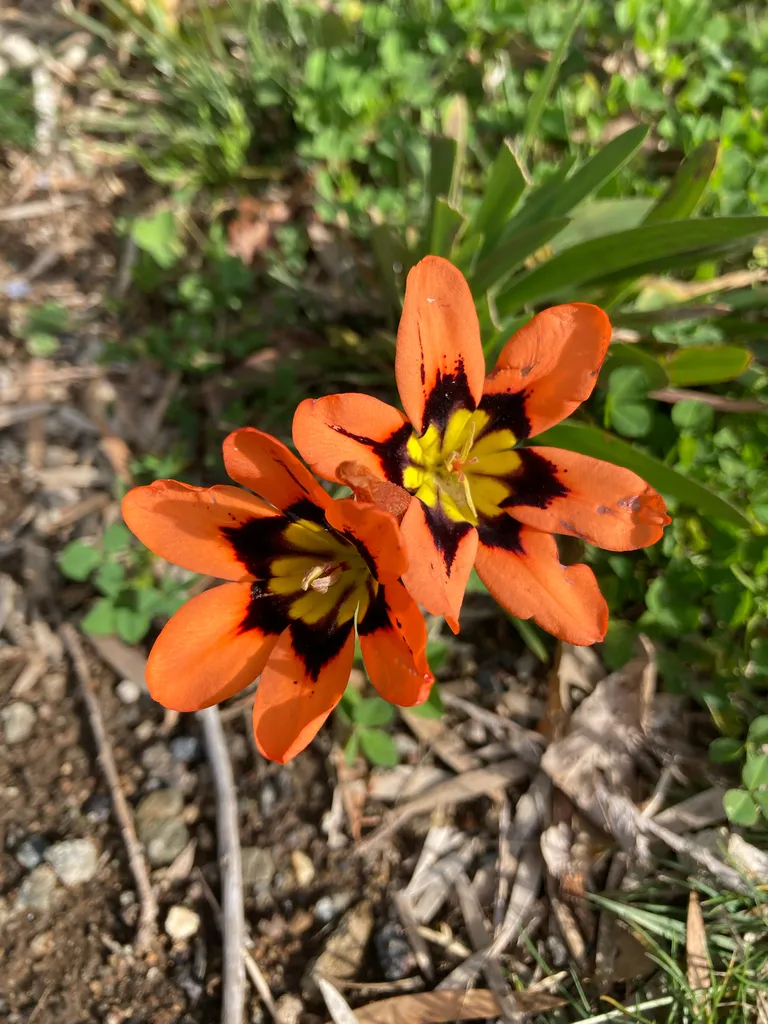
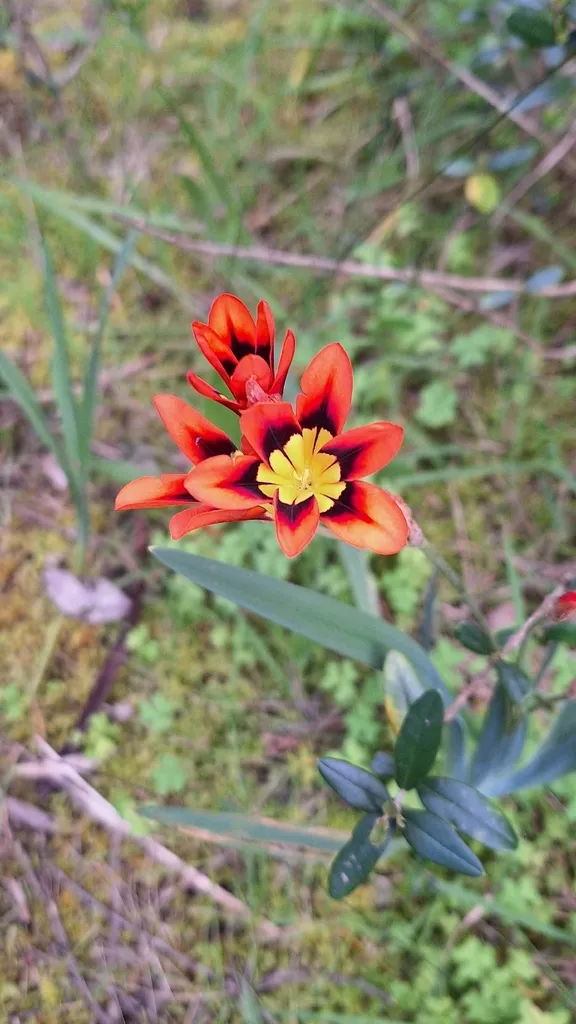
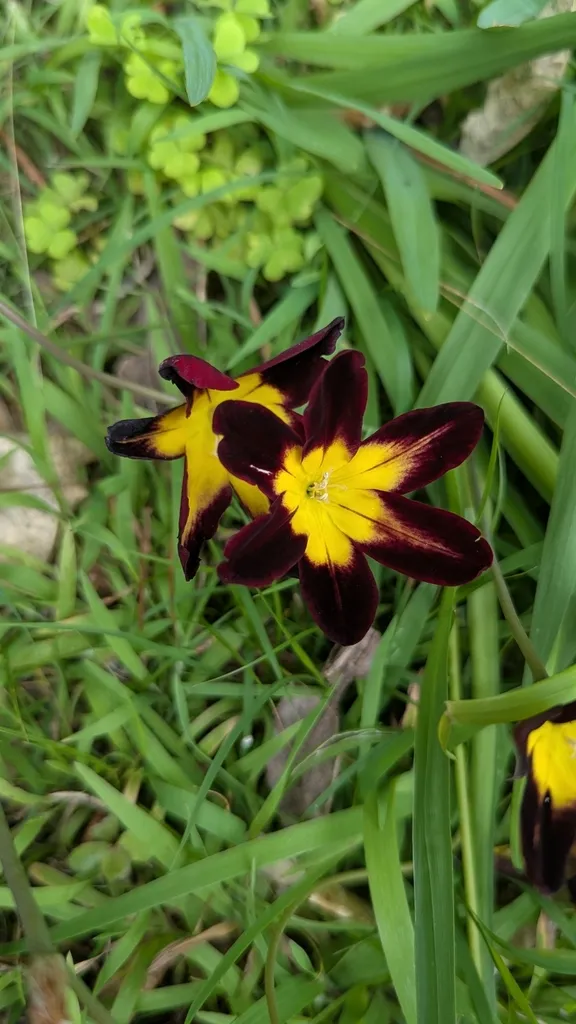
S. tricolor is a cormous perennial with narrow, upright leaves to 30cm long. In spring and early summer it produces stems, to about 45cm, bearing small clusters of red, orange or purple, widely-funnel-shaped flowers with yellow centres surrounded by black or dark red marks
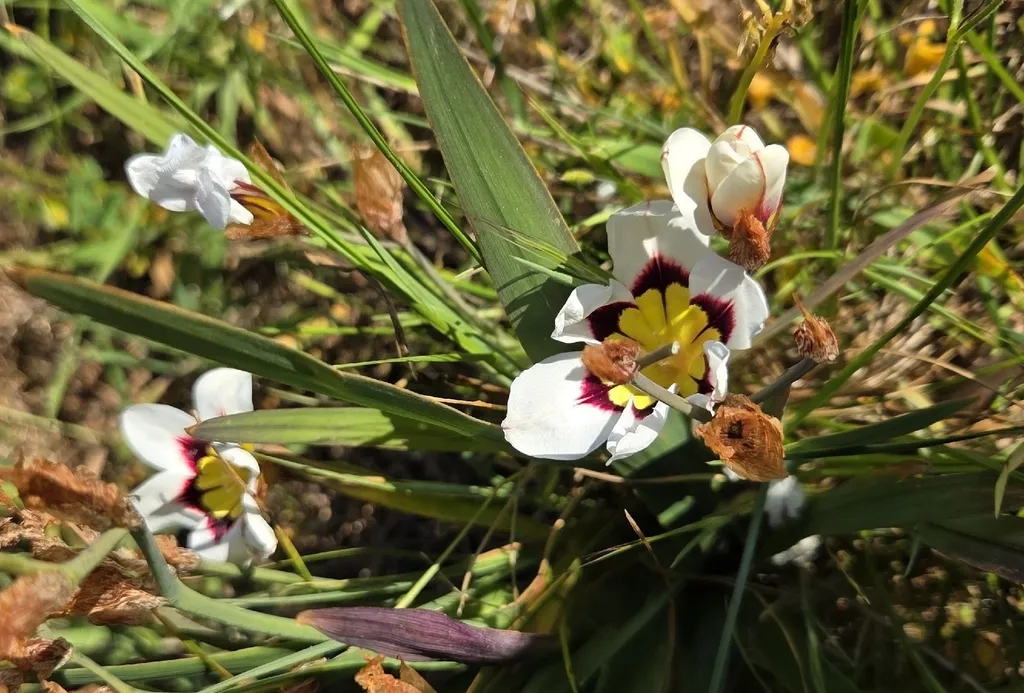
Scientific classification
- Species
- harlequin flower (Sparaxis tricolor)
- Genus
- Sparaxis
- Family
- Iridaceae
- Information to be completed
- Toxicity
- Conservatory Greenhouse · Bulbs
- Plant type
- 0.1-0.5 metres
- Height
- 0-0.1 metre
- Spread
- Deciduous
- Foliage
- Columnar upright
- Habit
- Spring · Summer
- Season of interest
- Full sun
- Sunlight
- Information to be completed
- Ideal temperature









harlequin flower pictures
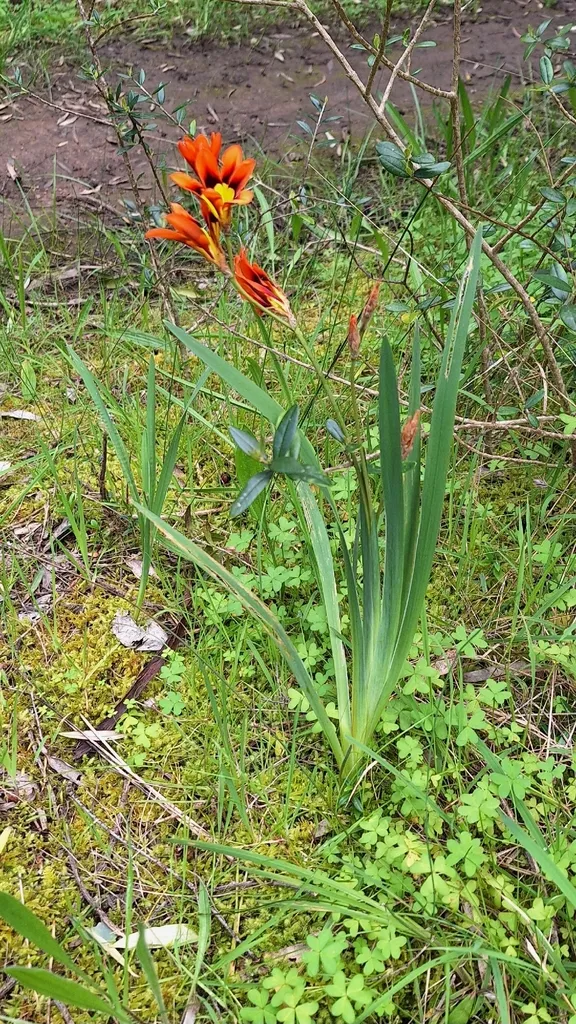
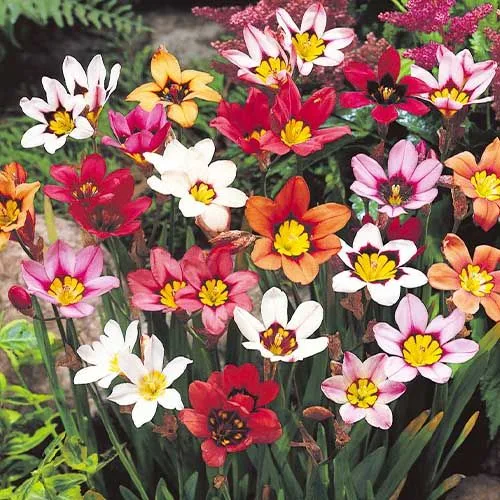
Distribution of harlequin flower
Distribution map
South Africa (Cape)
Information to be completed
Culture
Information to be completed
Toxicity
Information to be completed
Quick identification of harlequin flower
Information to be completed
harlequin flower care guide
- Moist soil during active growth, then reduce watering after foliage yellows
- Watering
- Full sun
- Sunlight
- Information to be completed
- Ideal temperature

Watering
Moist soil during active growth, then reduce watering after foliage yellows
Fertilizing
 Fertilizing
Light bulb fertilizer at emergence and again after flowering
Pruning
 Pruning
Remove spent flower stems and allow foliage to die down naturally
Propagation
 Propagation
Propagate by seed sown in containers in a cold frame as soon as ripe or remove offsets when dormant
Growing
 Growing
Grow under glass in good light but shaded from hot sun. In autumn, plant corms 20cm deep in loam-based potting compost with added sand and leaf mould. Water sparingly when in growth and keep cool; dry off as flowers fade and keep completely dry when dormant
People also ask
Information to be completed
Common pests and diseases
Diseases
Generally problem free
Pests
Generally problem free
Explore the plant health library →




