
aretioid dionysia
Also known as: Information to be completed
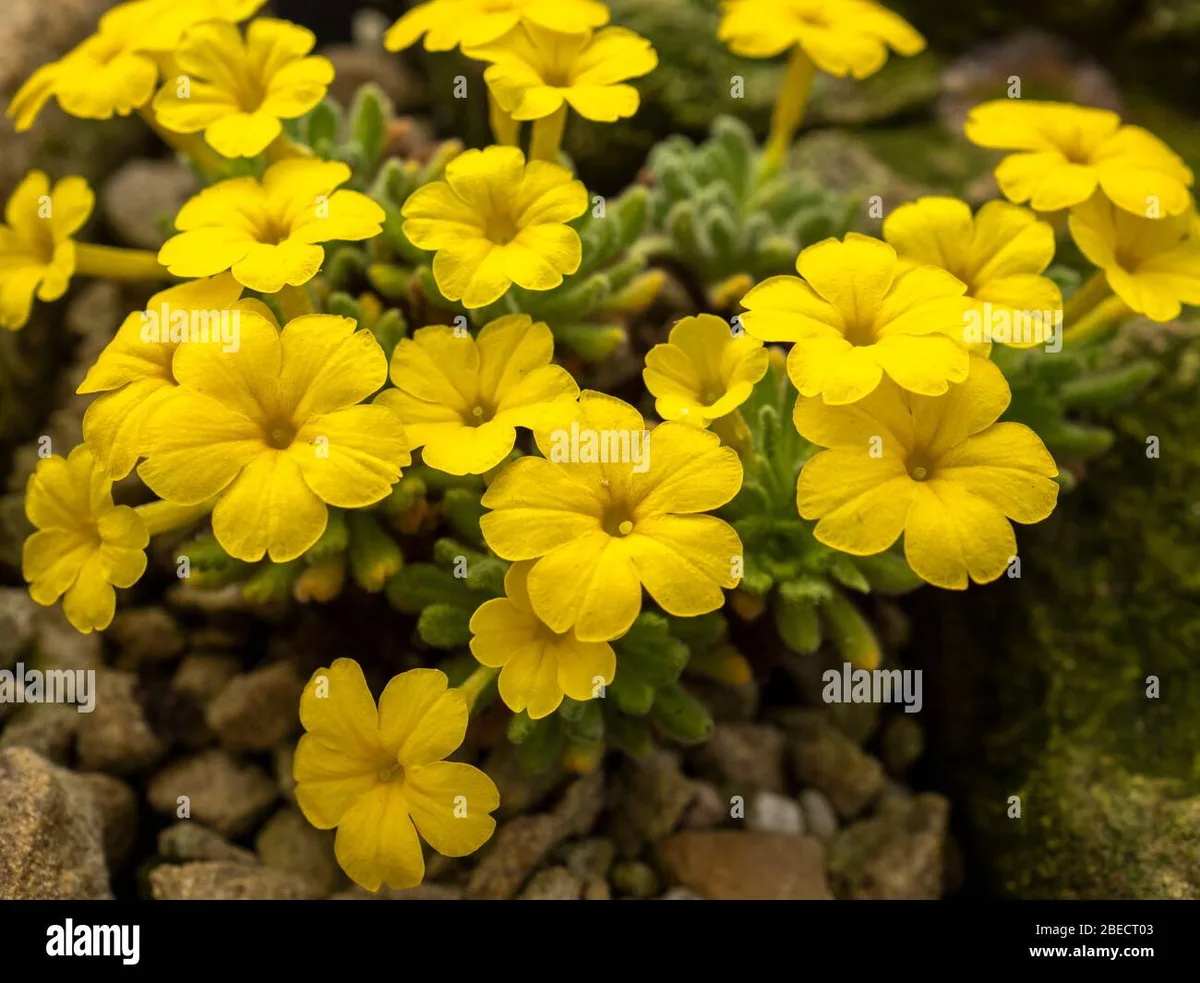
An evergreen perennial forming a compact cushion to 7cm in height, formed of rosettes of narrowly oblong leaves, with fragrant, slender-tubed, bright yellow flowers 1cm across, borne just above the foliage
Scientific classification
- Species
- aretioid dionysia (Dionysia aretioides)
- Genus
- Dionysia
- Family
- Primulaceae
- Order
- Ericales
- Class
- Magnoliopsida
- Phylum
- Magnoliophyta
- Information to be completed
- Toxicity
- Alpine Rockery
- Plant type
- Up to 10 cm
- Height
- 0-0.1 metre
- Spread
- Evergreen
- Foliage
- Clump forming
- Habit
- Spring · Summer · Autumn · Winter
- Season of interest
- Full sun
- Sunlight
- Information to be completed
- Ideal temperature









aretioid dionysia pictures
Distribution of aretioid dionysia
Distribution map
- Native
- Introduced
- Cultivated
Source:WCVP v16 · Royal Botanic Gardens, Kew · CC BY 3.0 · Boundaries:WGSRPD / TDWG
aretioid dionysia care guide
- Water moderately, allowing the soil to dry slightly between waterings; ensure excellent drainage.
- Watering
- Full sun
- Sunlight

Watering
Water moderately, allowing the soil to dry slightly between waterings; ensure excellent drainage.
Fertilizing
 Fertilizing
Apply a very diluted, low-nitrogen fertilizer once in early spring.
Pruning
 Pruning
No pruning required
Propagation
 Propagation
Propagate by cuttings of single rosettes in summer. Water from below
Growing
 Growing
Grow under glass or in an alpine house in a mix of 3 parts grit to one part each of loam and leaf mould. Provide a deep collar of grit and maintain good ventilation in full light. When in growth water sparingly from below (ensuring the collar is kept dry) and water sparingly in winter. Also easy to grow outdoors in tufa (a variety of limestone) in full sun but protect plant surface from wet
Common pests and diseases
Diseases
May be susceptible to grey moulds
Pests
May be susceptible to aphids
Explore the plant health library →




