
elephant's foot
Also known as: tortoise plant
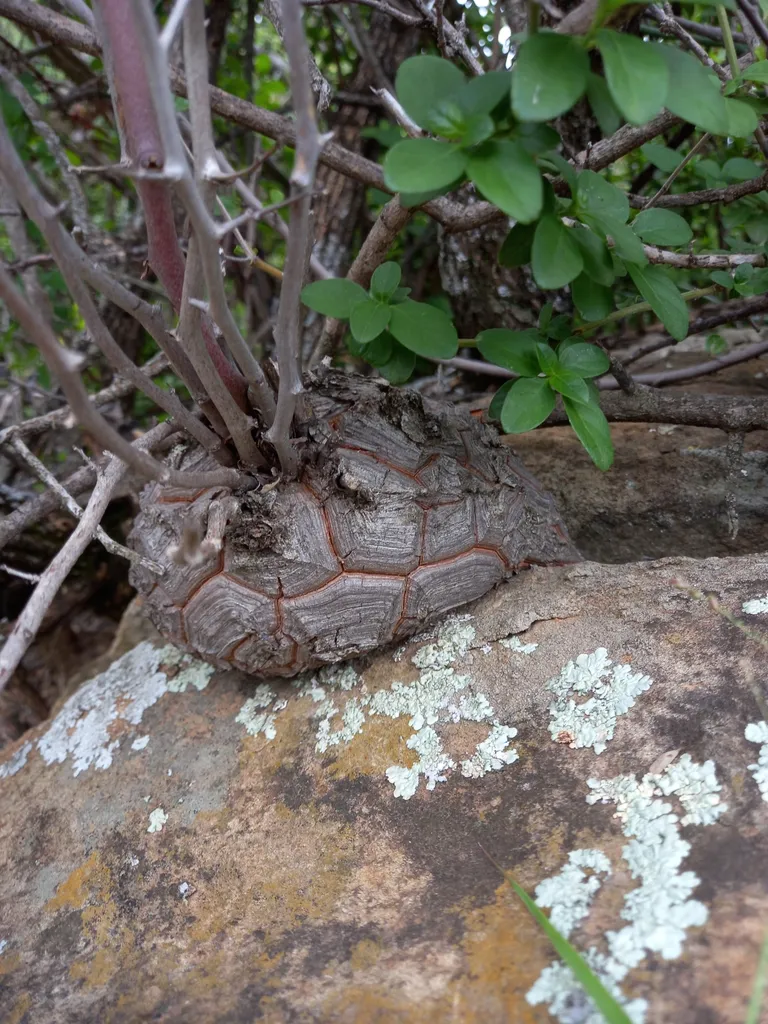
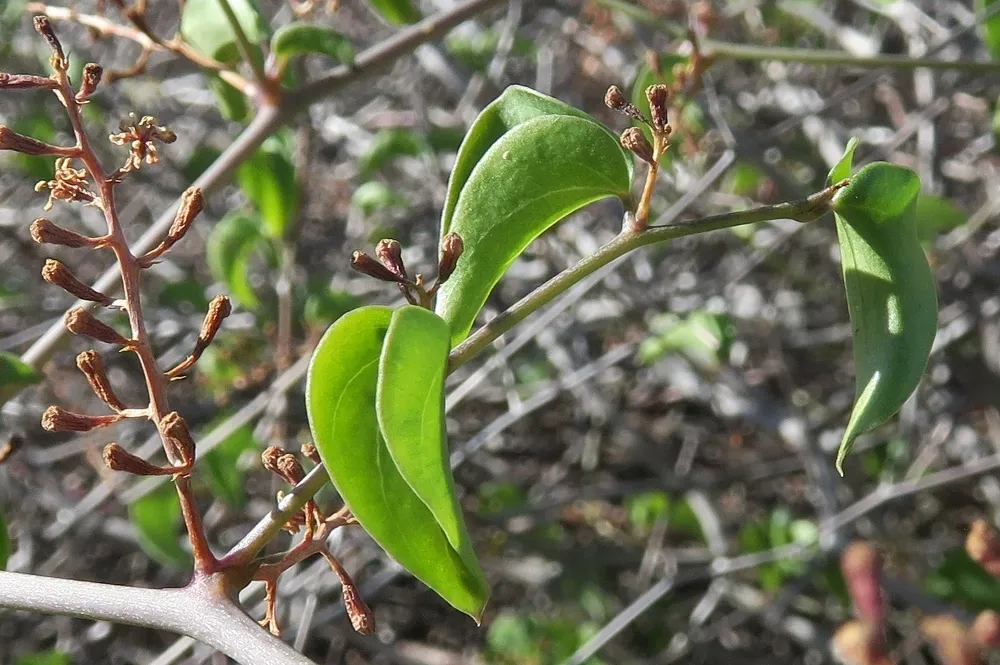
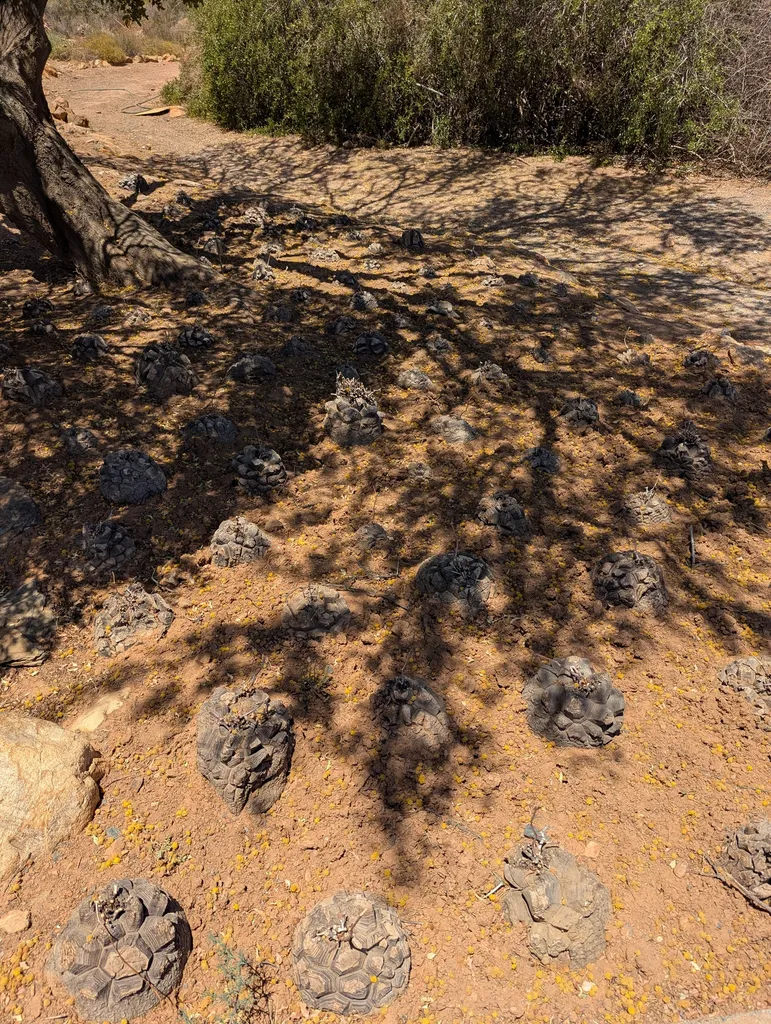
A deciduous climbing perennial growing from a large, partly exposed, rugged woody tuber, with heart-shaped blue-green leaves and racemes of tiny yellow flowers
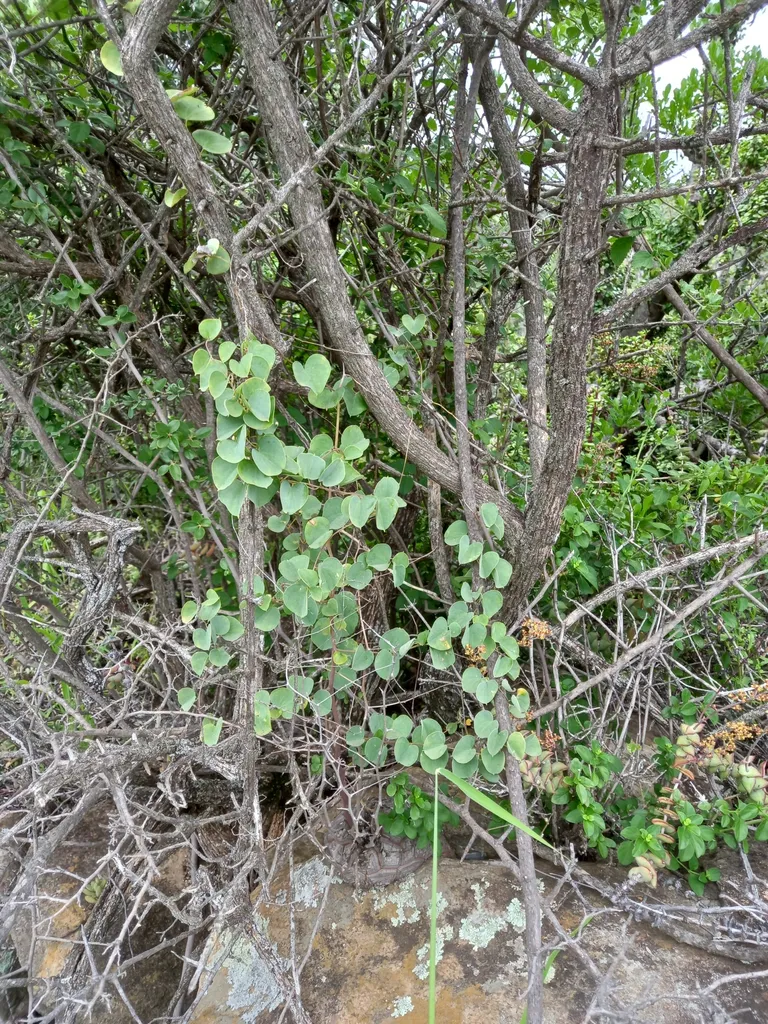
Scientific classification
- Species
- elephant's foot (Dioscorea elephantipes)
- Genus
- Dioscorea
- Family
- Dioscoreaceae
- TOXIC is eaten, skin irritant. Wear gloves and other protective equipment when handling]
- Toxicity
- Climber Wall Shrub · Conservatory Greenhouse
- Plant type
- 0.5-1 metres
- Height
- 0.5-1 metres
- Spread
- Deciduous
- Foliage
- Climbing
- Habit
- Spring · Summer · Autumn
- Season of interest
- Full sun
- Sunlight
- Information to be completed
- Ideal temperature









elephant's foot pictures
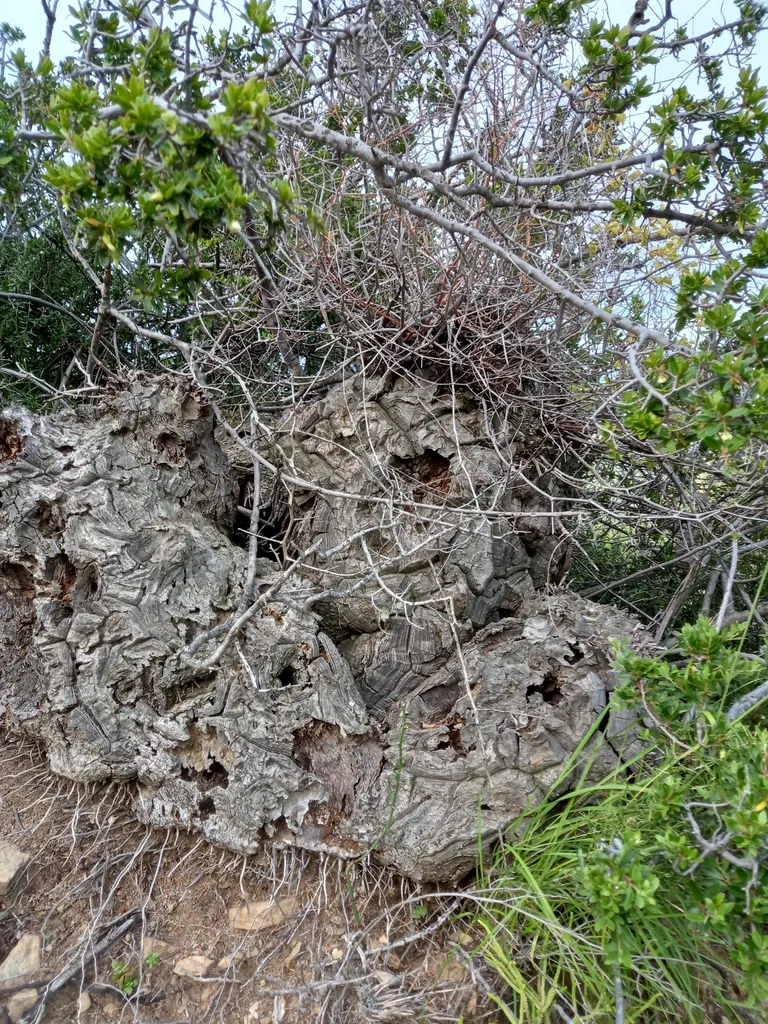
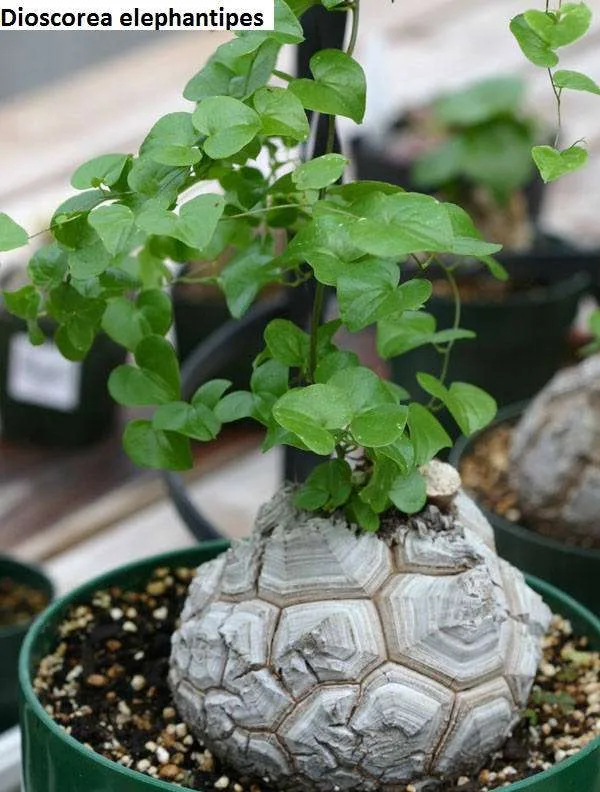
Distribution of elephant's foot
Distribution map
South Africa
Information to be completed
Culture
Information to be completed
Toxicity
TOXIC is eaten, skin irritant. Wear gloves and other protective equipment when handling]
Quick identification of elephant's foot
Information to be completed
elephant's foot care guide
- Moderate regular watering, allowing brief slight drying between soakings
- Watering
- Full sun
- Sunlight
- Information to be completed
- Ideal temperature

Watering
Moderate regular watering, allowing brief slight drying between soakings
Fertilizing
 Fertilizing
Balanced perennial feed every four weeks from spring through summer
Pruning
 Pruning
Routine pruning is unnecessary; shorten overlong shoots to fit the available space. Prune in spring.
Propagation
 Propagation
Propagate by seed at 19 to 24°C in spring or take softwood cuttings as young shoots arise from the tuber in spring
Growing
 Growing
Under glass grow in gritty, very well-draining potting compost mulched with grit in full light. Water moderately when in growth and apply a balanced liquid fertiliser every two or three weeks; keep completely dry in winter. Suitable for a desert garden
People also ask
Information to be completed
Common pests and diseases
Diseases
Generally disease-free
Pests
May be susceptible to aphids and froghoppers
Explore the plant health library →




