
pennyroyal
Also known as: churchwort; flea mint; organ herb; pudding grass
A highly aromatic, creeping perennial producing a mix of upright and spreading stems. Tiny lilac flowers are produced in whorls in summer. This variety of mint is not edible
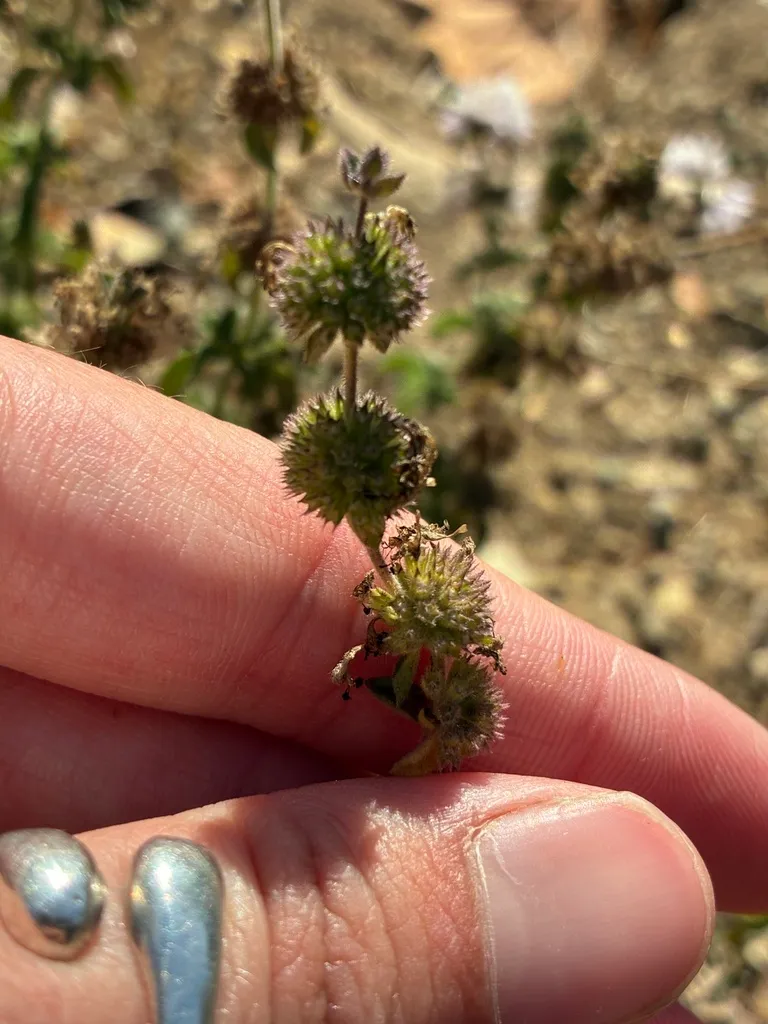
Scientific classification
- Species
- pennyroyal (Mentha pulegium)
- Genus
- Mentha
- Family
- Lamiaceae
- Harmful if eaten. Wear gloves and other protective equipment when handling
- Toxicity
- Bogs · Herbaceous Perennial
- Plant type
- 0.1-0.5 metres
- Height
- 0.1-0.5 metres
- Spread
- Deciduous
- Foliage
- Matforming
- Habit
- Spring · Summer · Autumn
- Season of interest
- Full sun · Partial shade
- Sunlight
- Information to be completed
- Ideal temperature









pennyroyal pictures
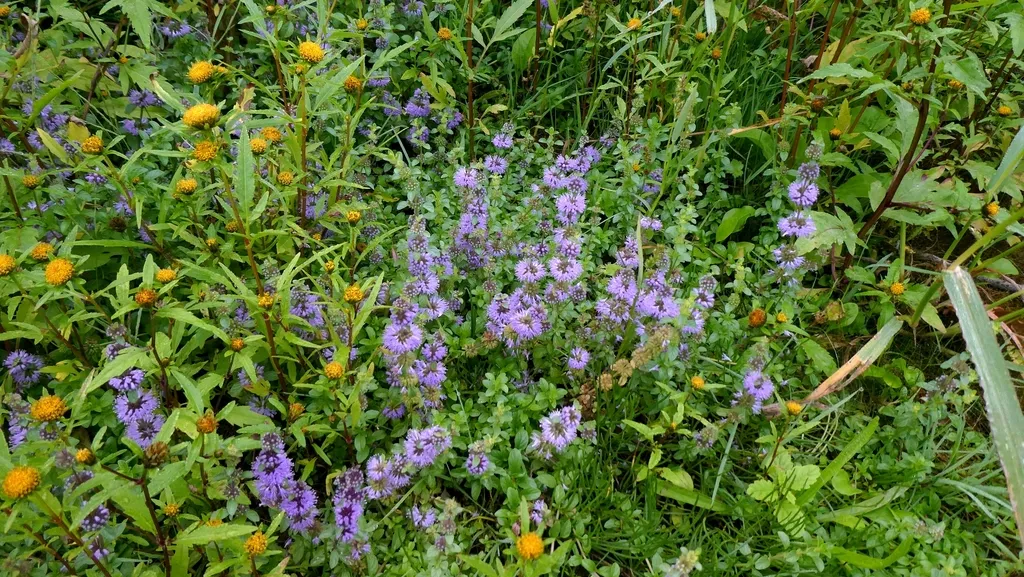
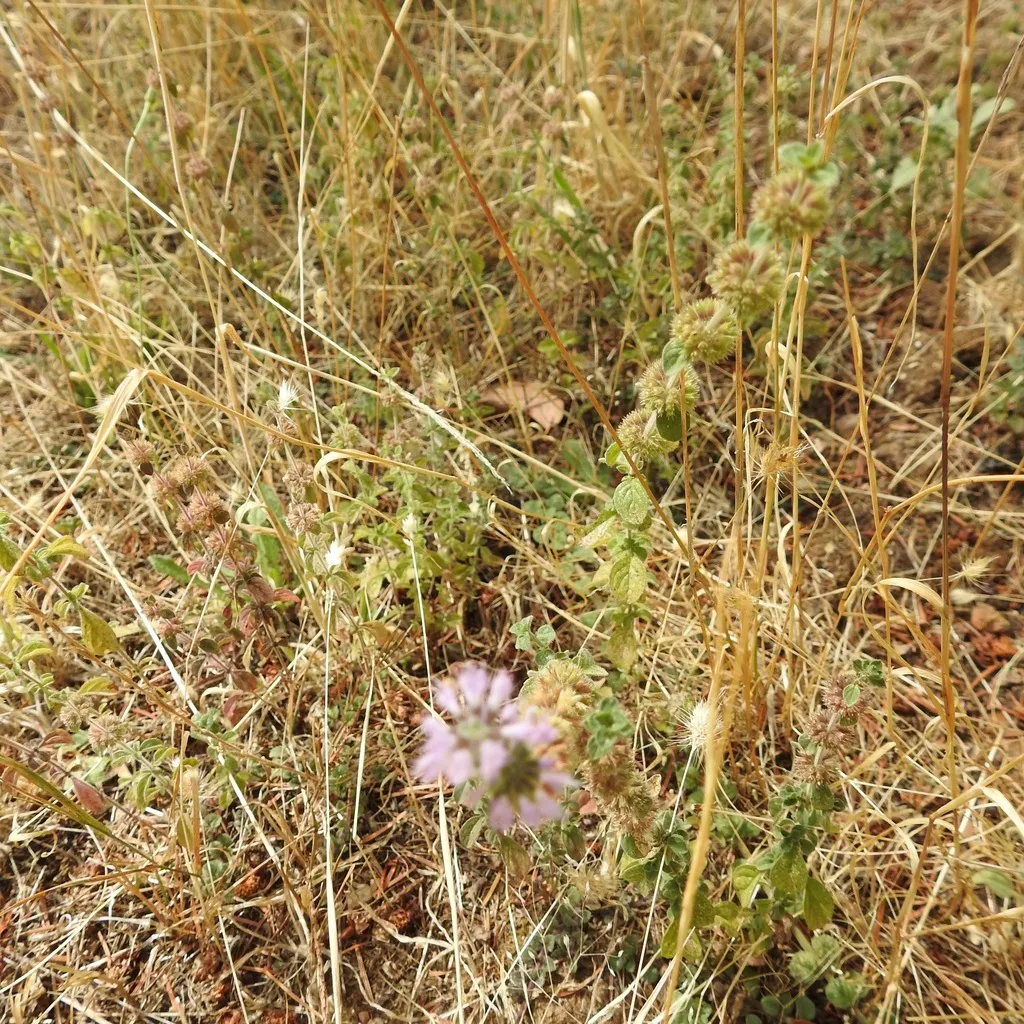
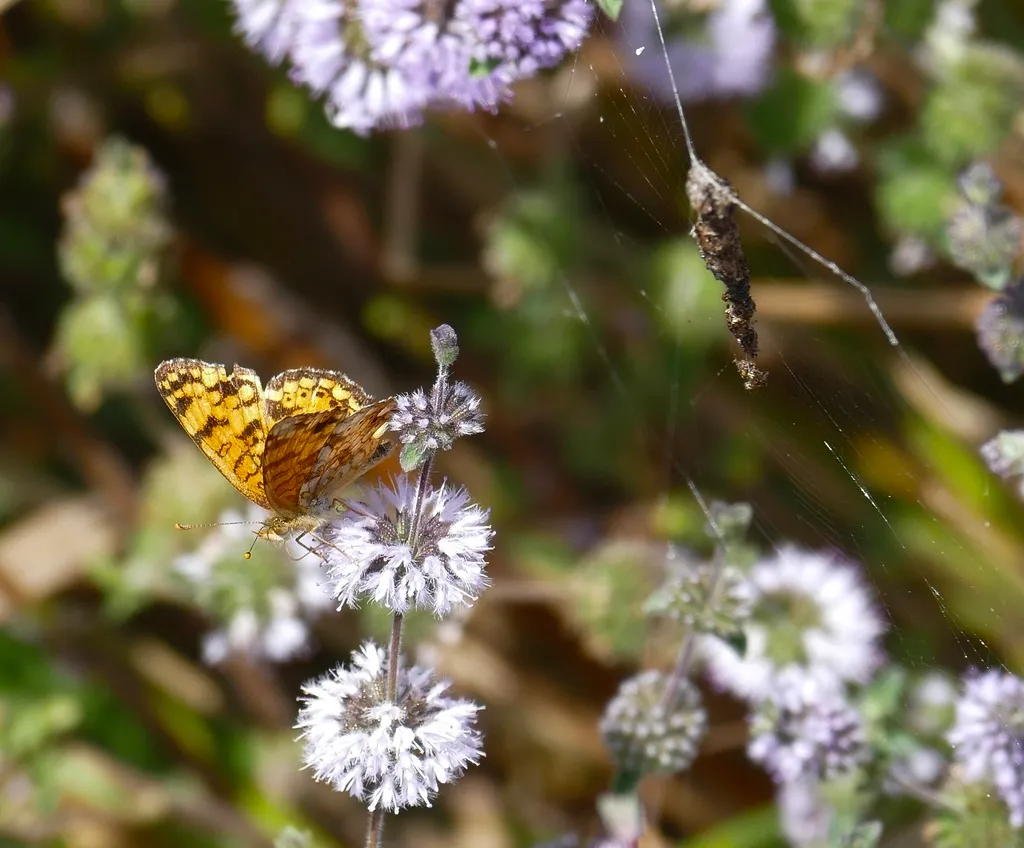
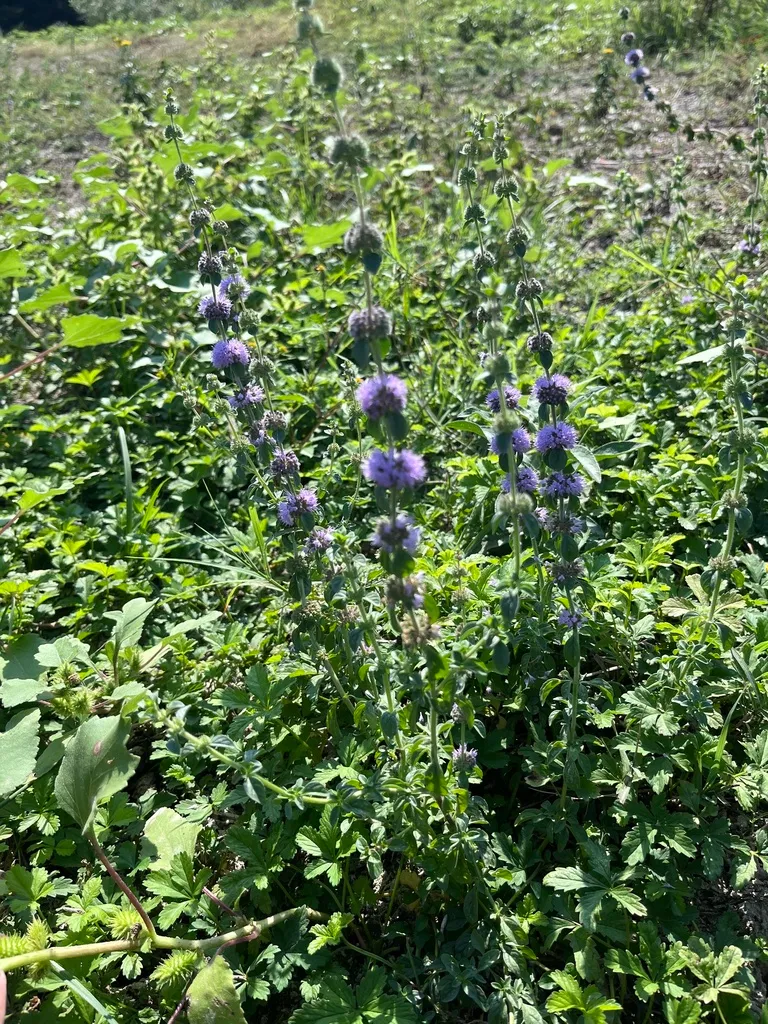
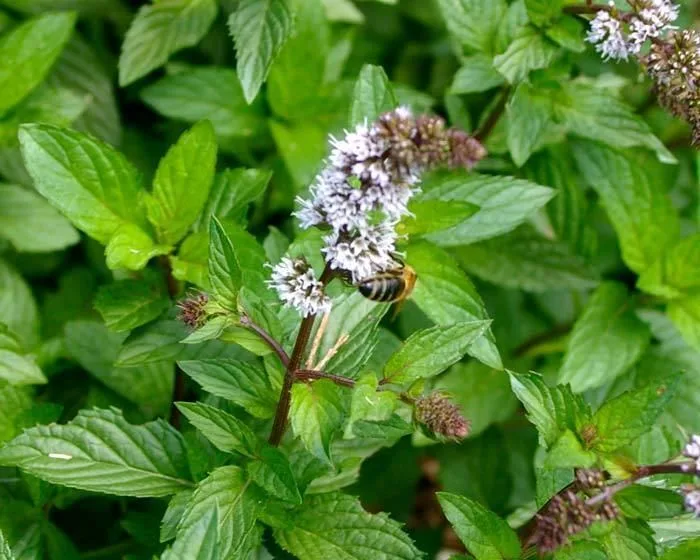
Distribution of pennyroyal
Distribution map
W and Central Europe
Information to be completed
Culture
Information to be completed
Toxicity
Harmful if eaten. Wear gloves and other protective equipment when handling
Quick identification of pennyroyal
Information to be completed
pennyroyal care guide
- Moderate regular watering, allowing brief slight drying between soakings
- Watering
- Full sun · Partial shade
- Sunlight
- Information to be completed
- Ideal temperature

Watering
Moderate regular watering, allowing brief slight drying between soakings
Fertilizing
 Fertilizing
Balanced perennial feed every four weeks from spring through summer
Pruning
 Pruning
Cut back after flowering
Propagation
 Propagation
Propagate by division in spring or autumn
Growing
 Growing
Grow in any moist soil, in any situation. May have the potential to become a nuisance if not managed well. See mint cultivation for more information
People also ask
Information to be completed
Common pests and diseases
Diseases
May be susceptible to powdery mildews and mint rust
Pests
May be susceptible to caterpillars and leafhoppers
Explore the plant health library →




