
Italian toadflax
Also known as: Information to be completed
A mat-forming perennial with trailing stems and thick, downy, slightly lobed, kidney-shaped leaves. Small, light purple flowers, with long spurs and white centres with small yellow-orange markings, are produced in summer
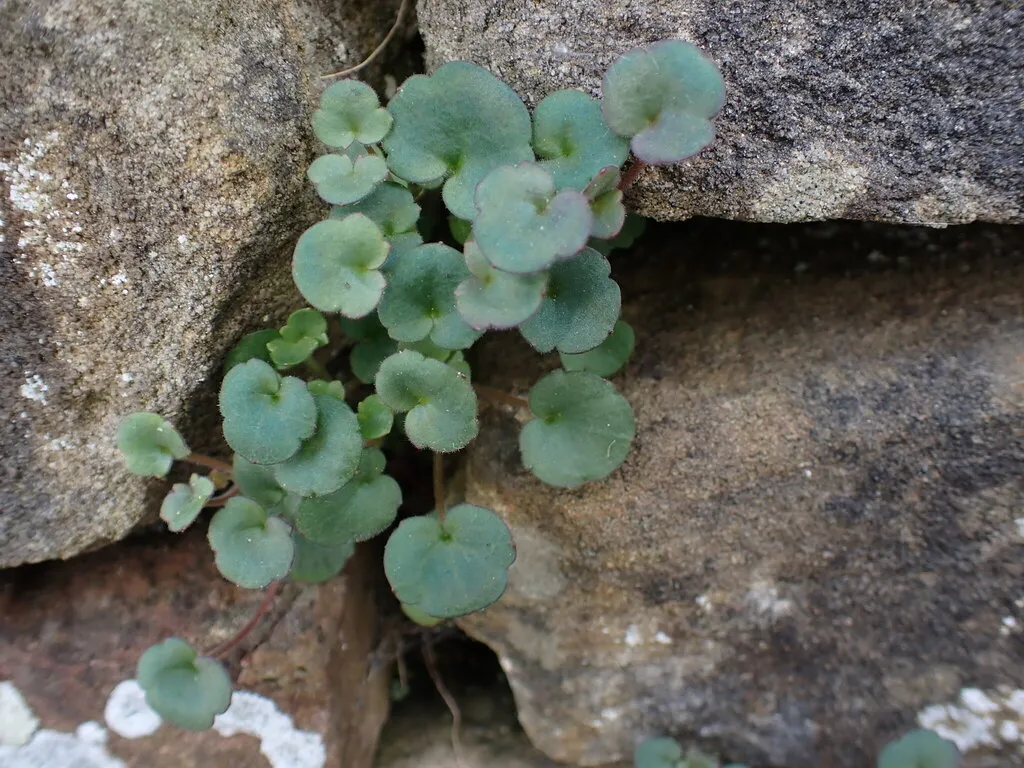
Scientific classification
- Species
- Italian toadflax (Cymbalaria pallida)
- Genus
- Cymbalaria
- Family
- Plantaginaceae
- Order
- Lamiales
- Class
- Magnoliopsida
- Phylum
- Magnoliophyta
- Information to be completed
- Toxicity
- Herbaceous Perennial
- Plant type
- Up to 10 cm
- Height
- 0.1-0.5 metres
- Spread
- Semi evergreen
- Foliage
- Matforming · Trailing
- Habit
- Spring · Summer · Autumn · Winter
- Season of interest
- Partial shade
- Sunlight
- Information to be completed
- Ideal temperature









Italian toadflax pictures
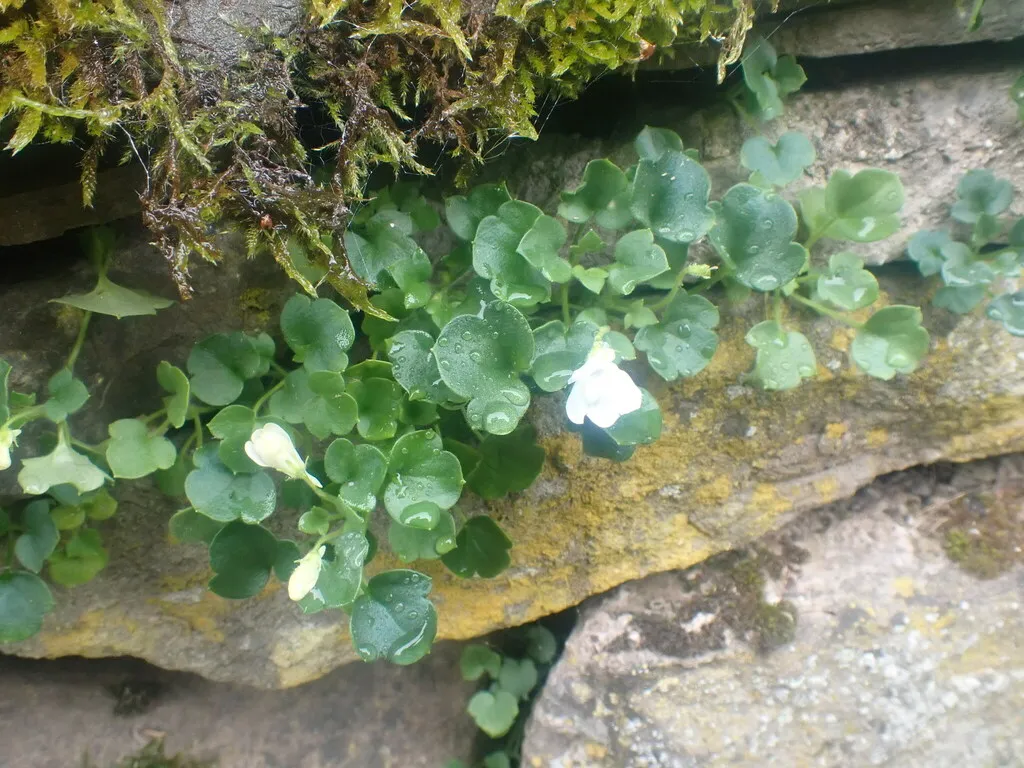
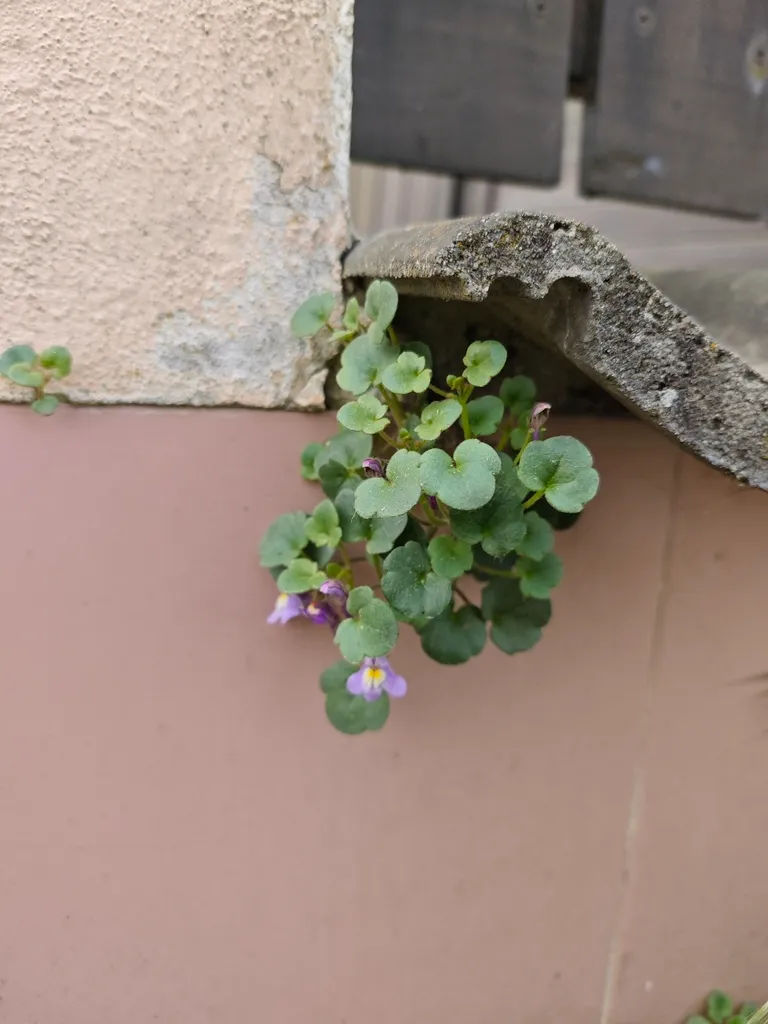
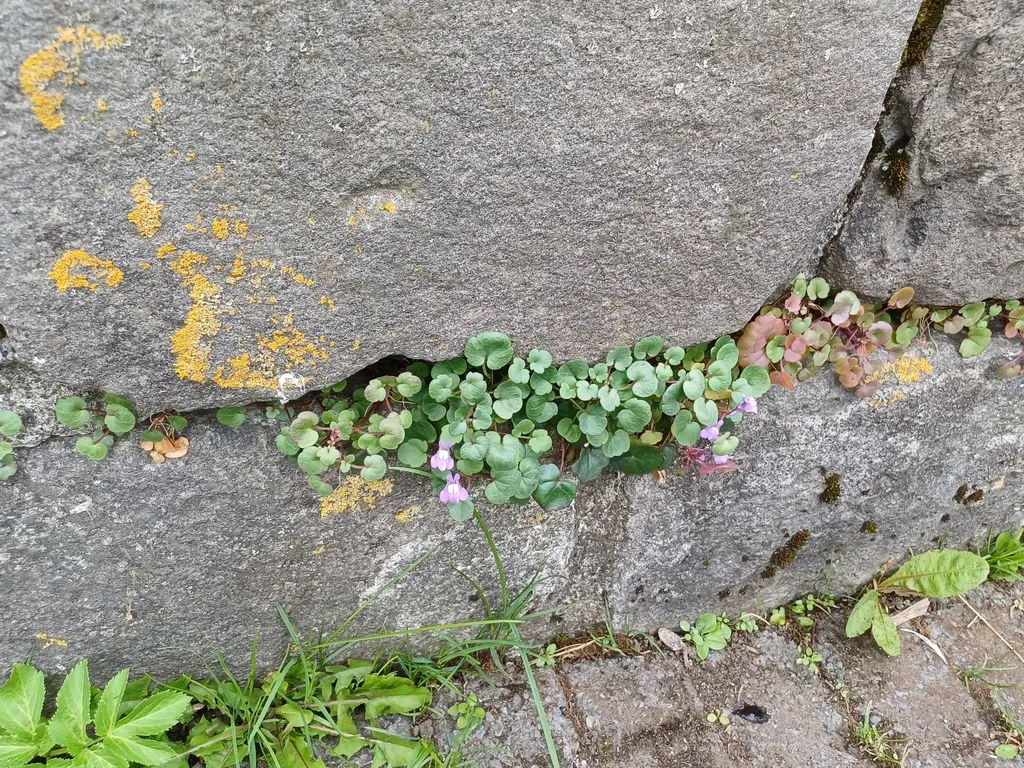
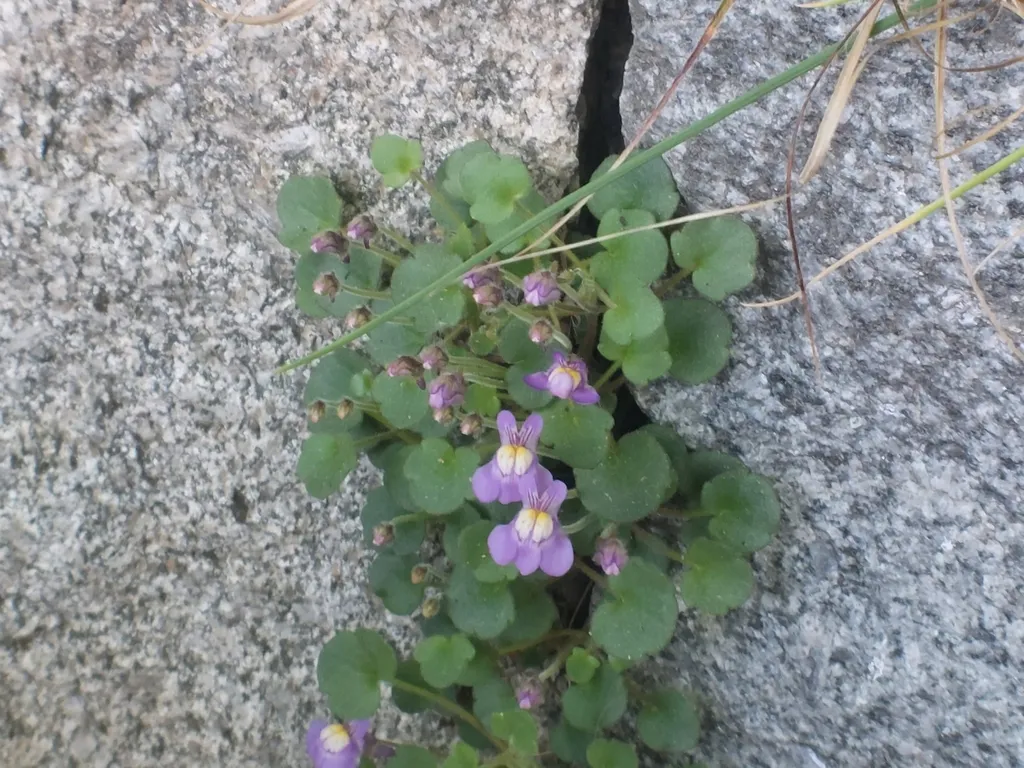
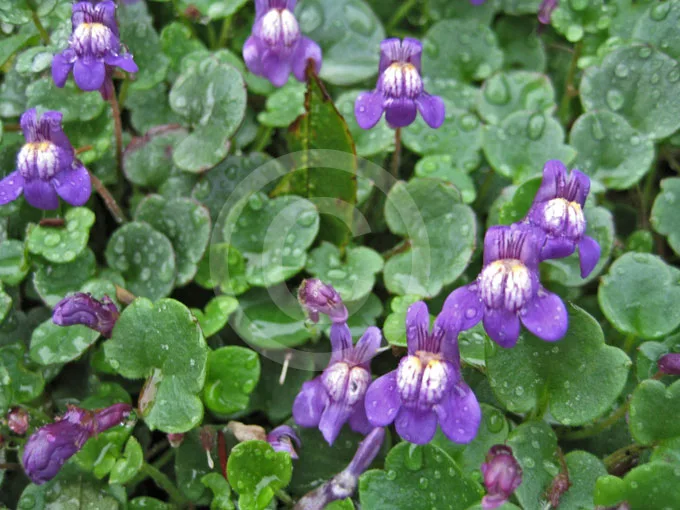
Distribution of Italian toadflax
Distribution map
- Native
- Introduced
- Cultivated
Source:WCVP v16 · Royal Botanic Gardens, Kew · CC BY 3.0 · Boundaries:WGSRPD / TDWG
Italian toadflax care guide
- Slightly damp loose soil, withstand short seasonal dry spells
- Watering
- Partial shade
- Sunlight

Watering
Slightly damp loose soil, withstand short seasonal dry spells
Fertilizing
 Fertilizing
Light organic wildflower feed once monthly warm growing months
Pruning
 Pruning
No pruning required
Propagation
 Propagation
Propagate by seed, plants will often self-seed in place
Growing
 Growing
Grow in poor to moderate, well-drained soil in light or partial shade. Good for rock gardens, cracks in paving, or crevices in walls
Common pests and diseases
Diseases
Generally disease-free
Pests
Generally pest-free
Explore the plant health library →




