
date plum
Also known as: European date plum; lotus tree
A spreading, deciduous tree with glossy, dark green leaves up to 10cm long. Bears tiny, bell-shaped, greenish flowers in mid- to late summer followed, on female flowers and in a good summer, by yellow, orange or purple, plum-like but inedible fruit
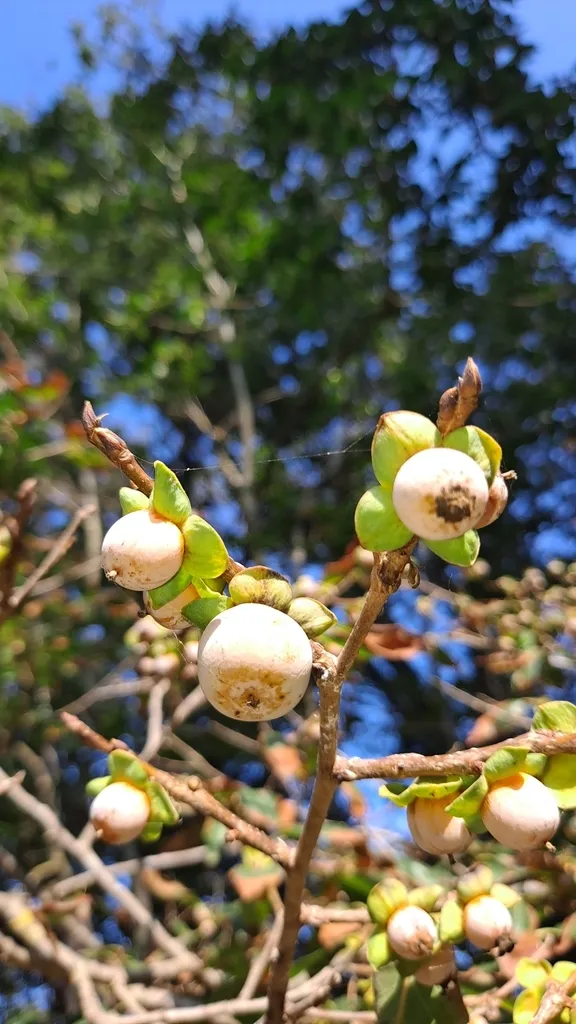
Scientific classification
- Species
- date plum (Diospyros lotus)
- Genus
- Diospyros
- Family
- Ebenaceae
- Order
- Ericales
- Class
- Magnoliopsida
- Phylum
- Magnoliophyta
- Information to be completed
- Toxicity
- Trees
- Plant type
- 8-12 metres
- Height
- 4-8 metres
- Spread
- Deciduous
- Foliage
- Bushy
- Habit
- Spring · Summer · Autumn
- Season of interest
- Full sun
- Sunlight
- Information to be completed
- Ideal temperature









date plum pictures
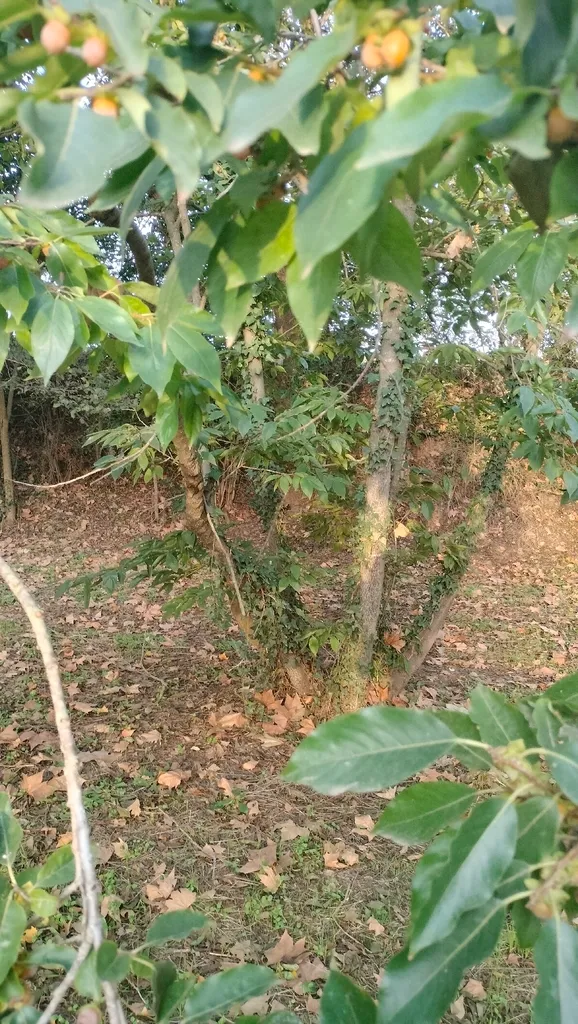
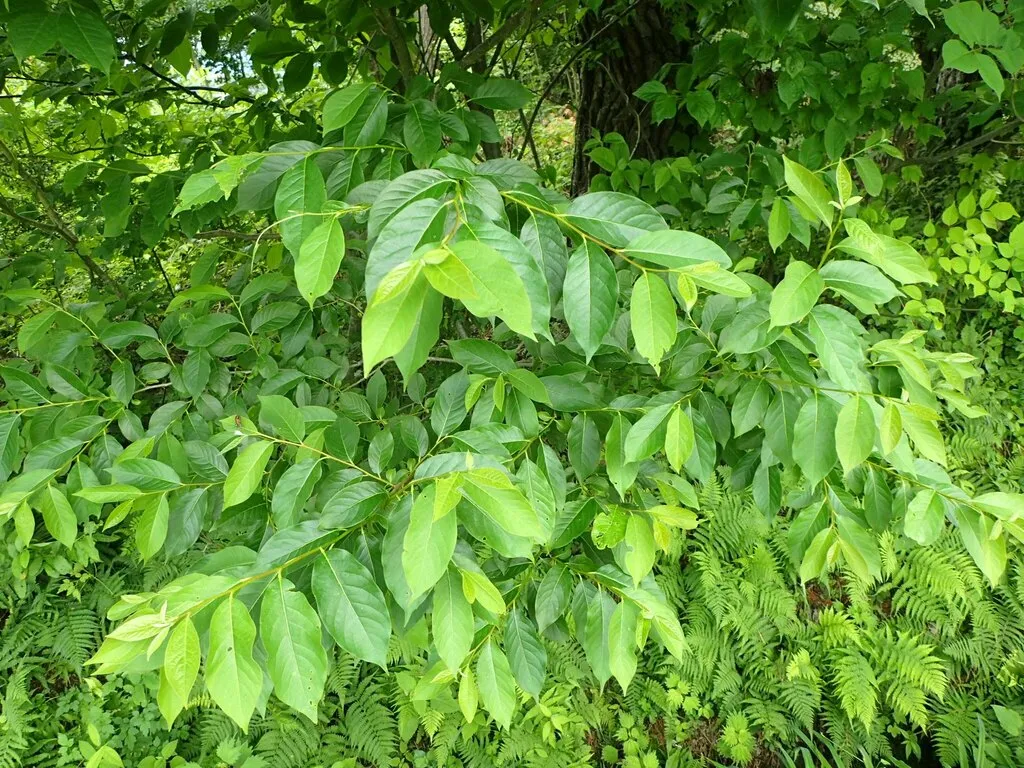
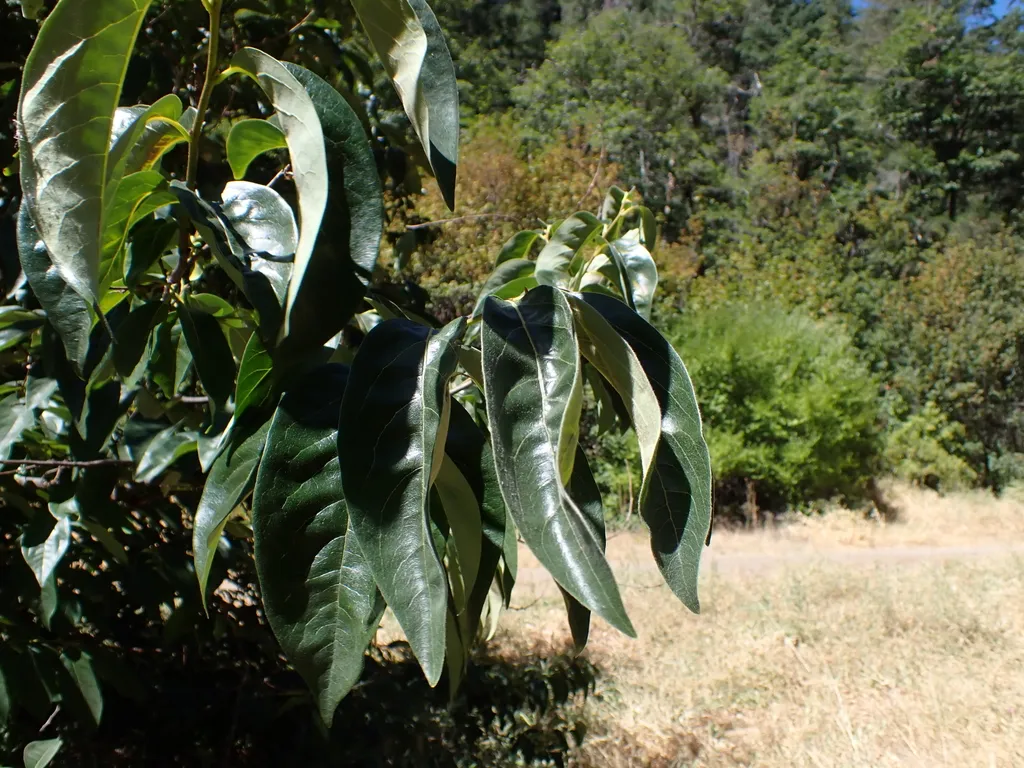
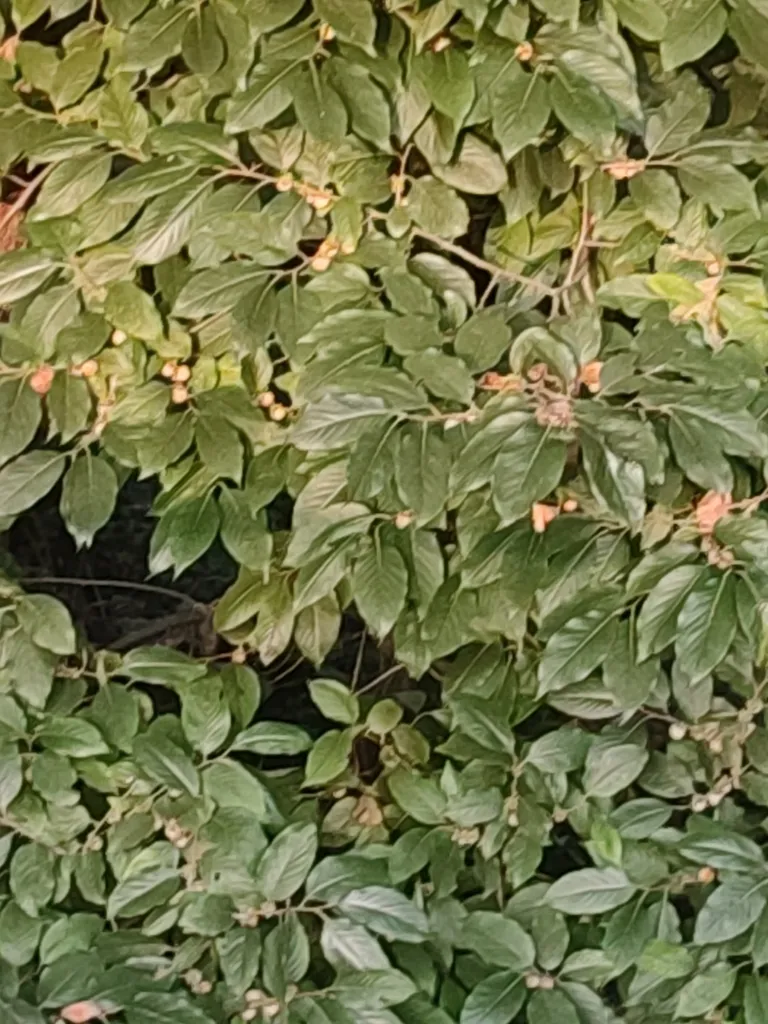
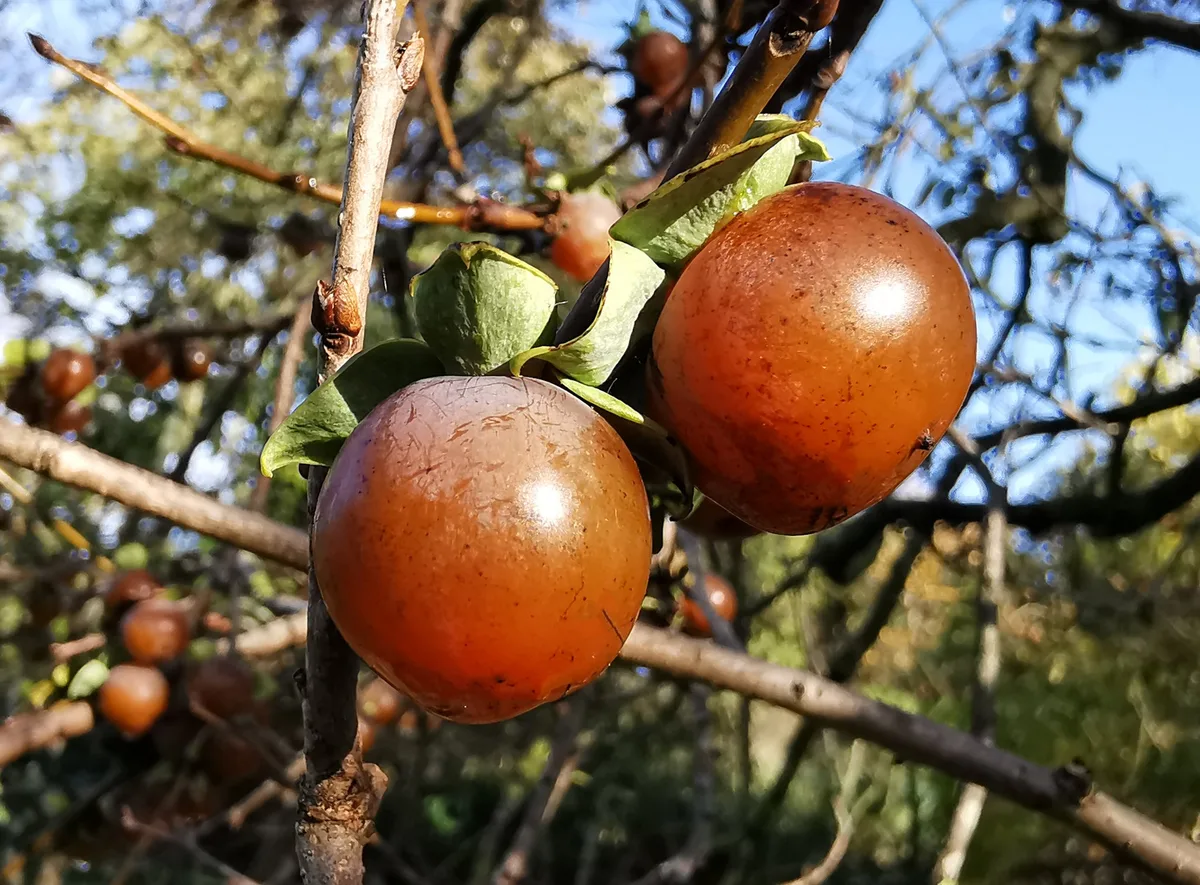
Distribution of date plum
Distribution map
Eastern Asia
date plum care guide
- Deep infrequent watering, drought resistant once well rooted
- Watering
- Full sun
- Sunlight

Watering
Deep infrequent watering, drought resistant once well rooted
Fertilizing
 Fertilizing
Slow release fruit tree fertilizer applied once every spring
Pruning
 Pruning
Little pruning is needed. Remove diseased, damaged, crowded or crossing shoots and unwanted growth. Timing depends on the plant: generally late winter or early spring; plants prone to bleeding and deciduous magnolias need different timing, and deciduous azaleas and lilacs are pruned after flowering.
Propagation
 Propagation
Propagate by seed sown as soon as ripe
Growing
 Growing
Requires deep, fertile, well-drained, loamy soil in full sun with shelter from cold wind and late spring frosts
Common pests and diseases
Diseases
May be susceptible to honey fungus (rarely)
Pests
Generally pest-free
Explore the plant health library →




