
apple geranium
Also known as: nutmeg geranium
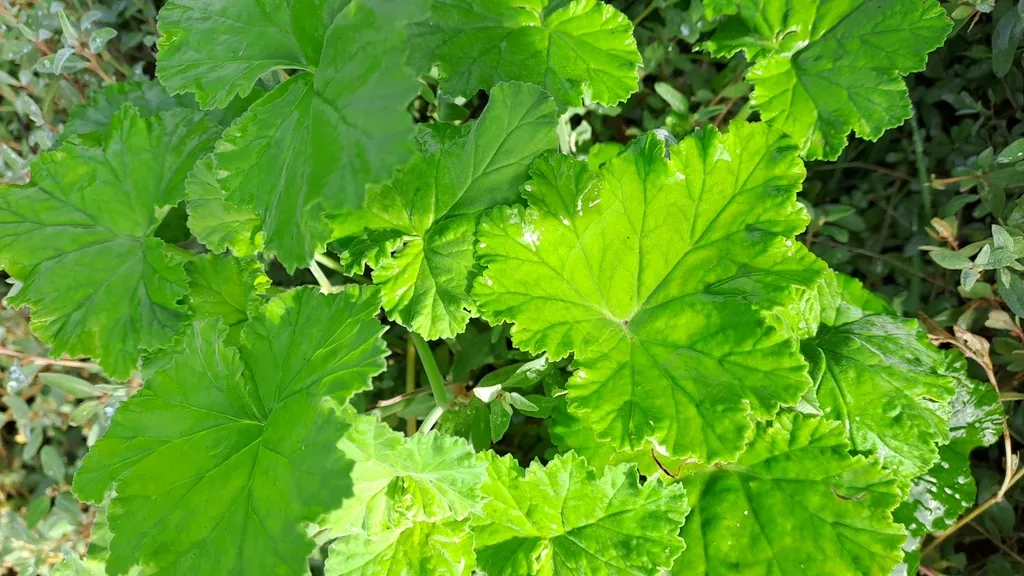
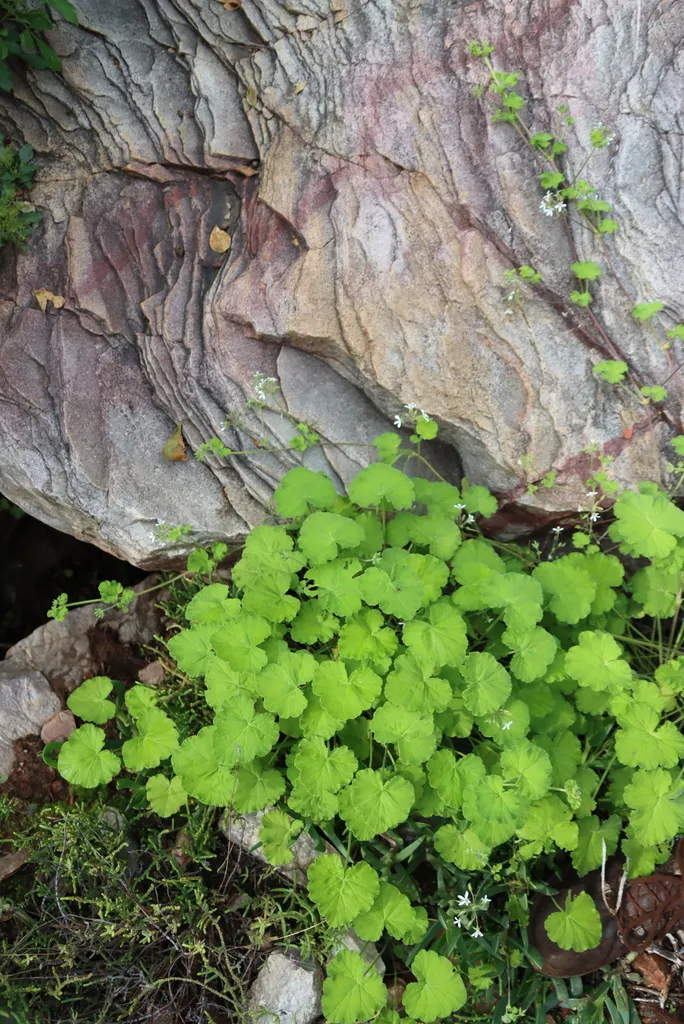
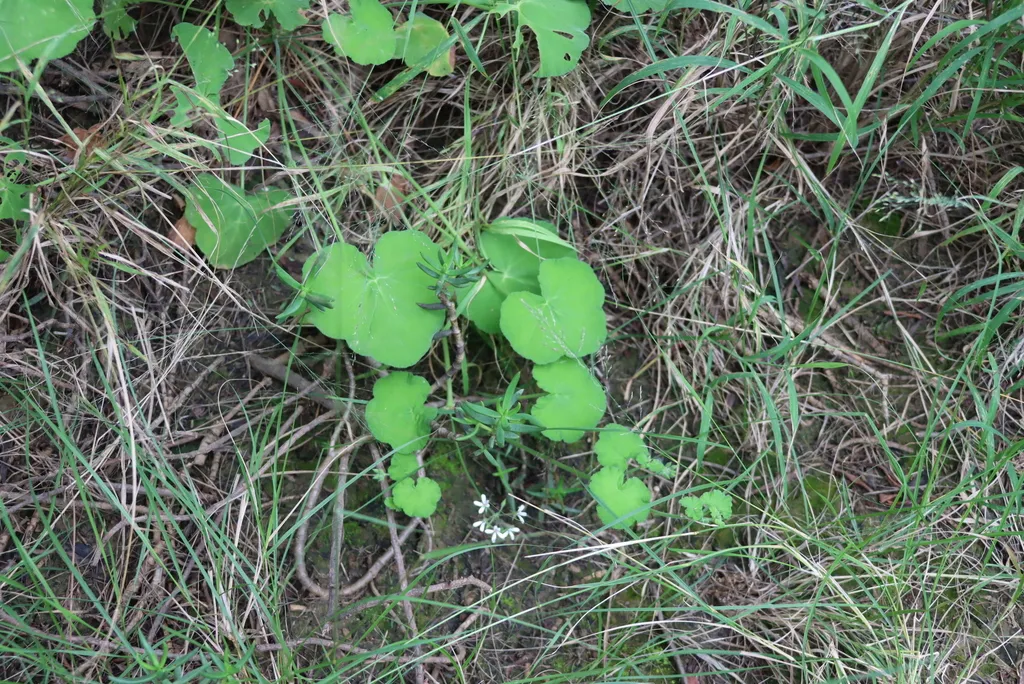
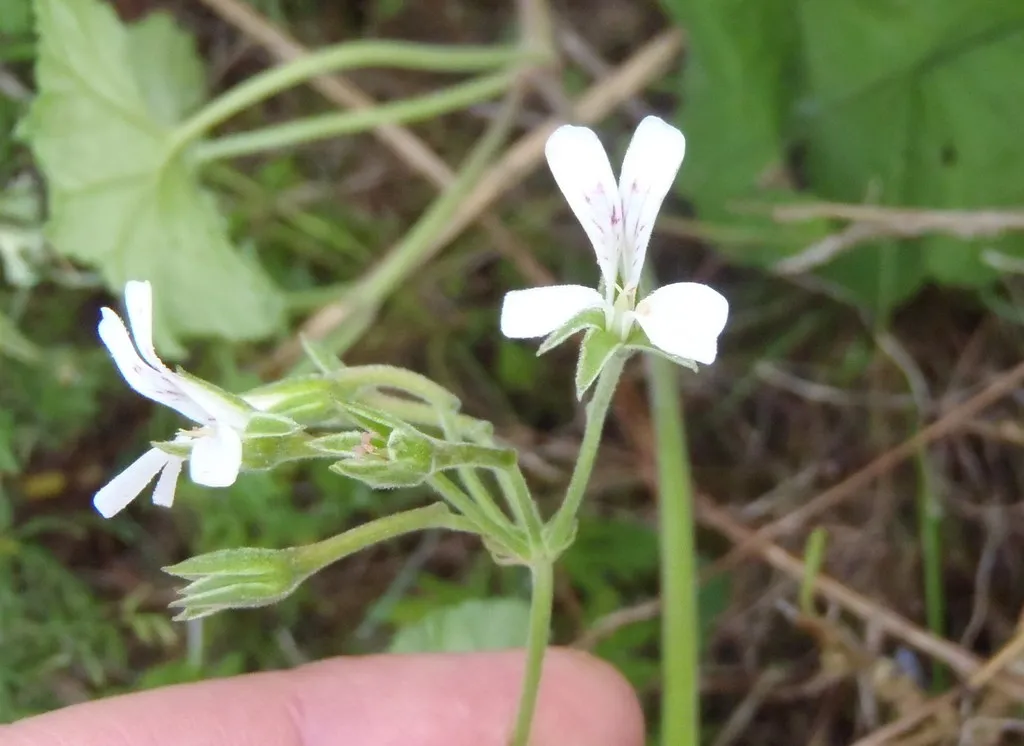
P. odoratissimum is a low-growing evergreen herbaceous perennial, up to 25cm tall, with a short main stem and trailing flowering stems. Rounded, apple-scented, light green leaves, 4-5cm across, are held on 5cm long stalks. Clusters of 3-10 star-shaped white flowers, 1.5cm across, the two upper petals marked with red veins, appear from spring to summer
Scientific classification
- Species
- apple geranium (Pelargonium odoratissimum)
- Genus
- Pelargonium
- Family
- Geraniaceae
- Order
- Geraniales
- Class
- Magnoliopsida
- Phylum
- Magnoliophyta
- Information to be completed
- Toxicity
- Houseplants
- Plant type
- 0.1-0.5 metres
- Height
- 0.5-1 metres
- Spread
- Evergreen
- Foliage
- Trailing
- Habit
- Spring · Summer · Autumn · Winter
- Season of interest
- Full sun
- Sunlight
- Information to be completed
- Ideal temperature









apple geranium pictures
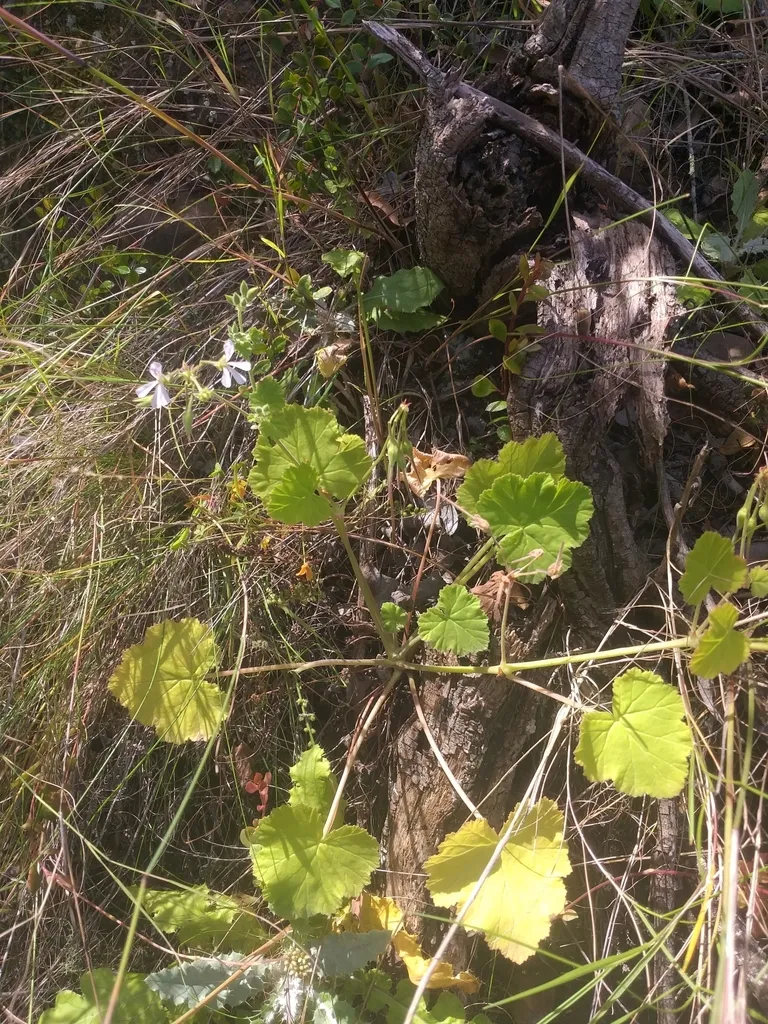
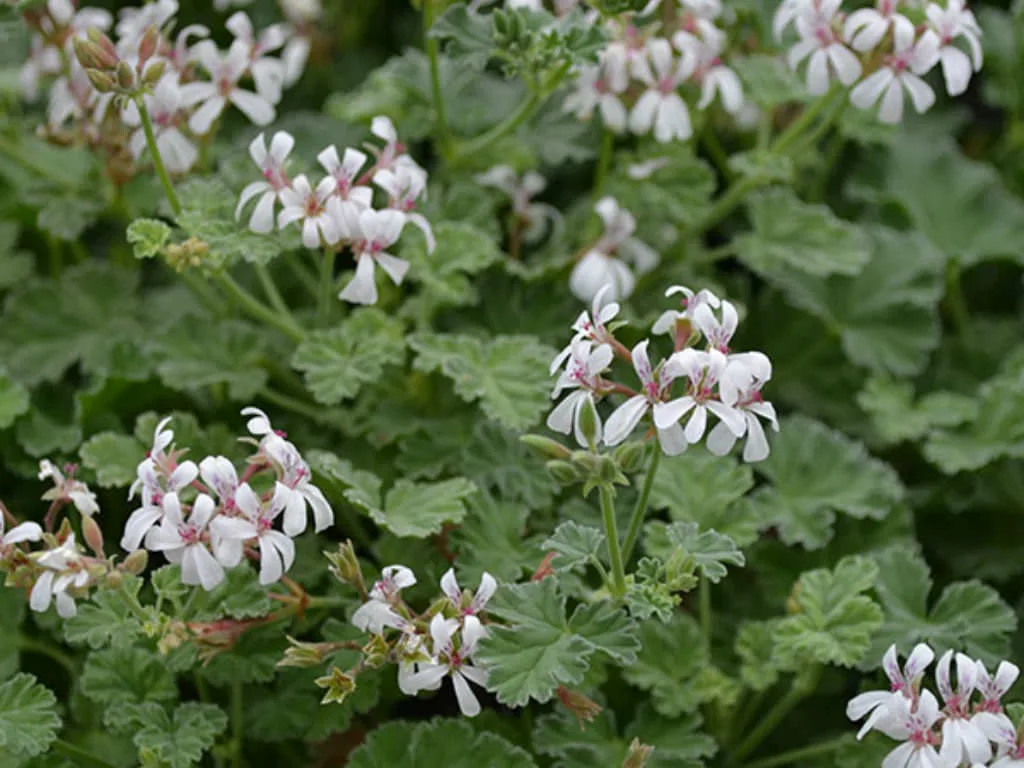
Distribution of apple geranium
Distribution map
- Native
- Introduced
- Cultivated
Source:WCVP v16 · Royal Botanic Gardens, Kew · CC BY 3.0 · Boundaries:WGSRPD / TDWG
apple geranium care guide
- Allow partial pot mix drying, avoid permanent saturated root zone
- Watering
- Full sun
- Sunlight

Watering
Allow partial pot mix drying, avoid permanent saturated root zone
Fertilizing
 Fertilizing
Diluted scented pelargonium feed monthly spring until late autumn
Pruning
 Pruning
Deadhead to encourage flowering
Propagation
 Propagation
Propagate by seed, sown in late winter and grown on in a protected environment such as a heated greenhouse, or by softwood cuttings from spring to autumn
Growing
 Growing
Grow outside in summer in fertile, neutral to alkaline soil in full sun; in containers, indoors or out, grow in well-drained soil-less multipurpose compost or soil-based compost such as John Innes No. 2, in full light but shaded from scorching midday sun. Provide good ventilation, and water moderately during the growing season from spring to summer, and only sparingly in winter. For more details see pelargonium cultivation
Common pests and diseases
Diseases
May be affected by Pelargonium viruses, grey moulds, Pelargonium rust, and leafy gall
Pests
May be affected by vine weevil larvae, leafhopper, root mealybugs, and whitefly
Explore the plant health library →




