
cruel plant
Also known as: white bladderflower
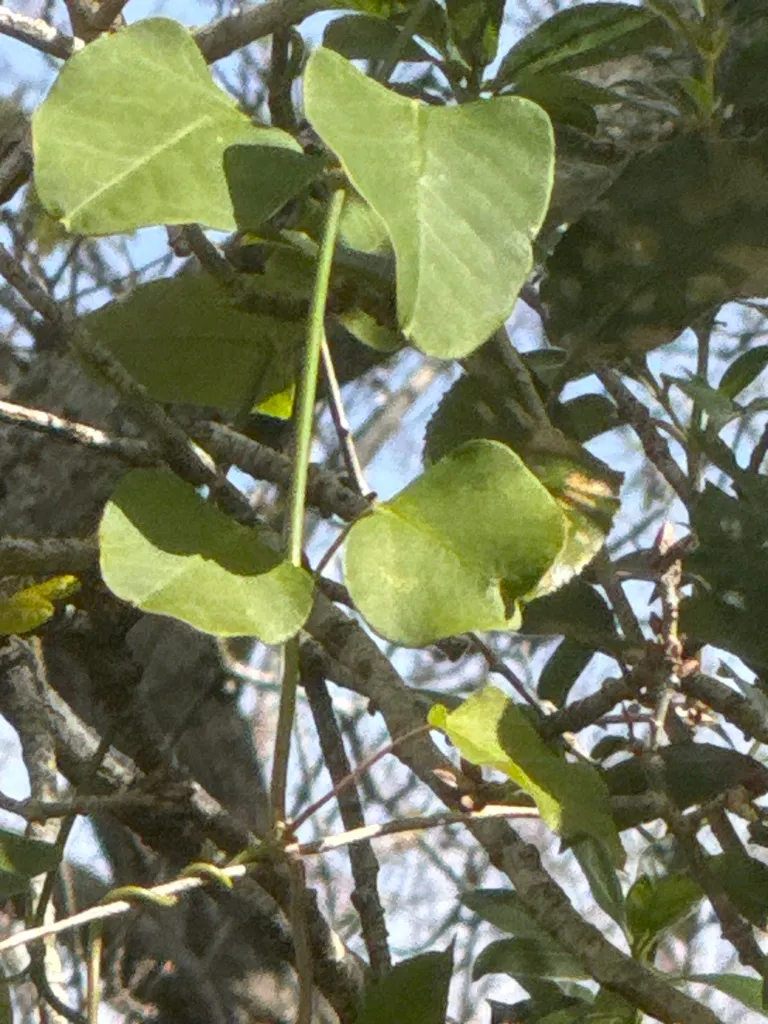
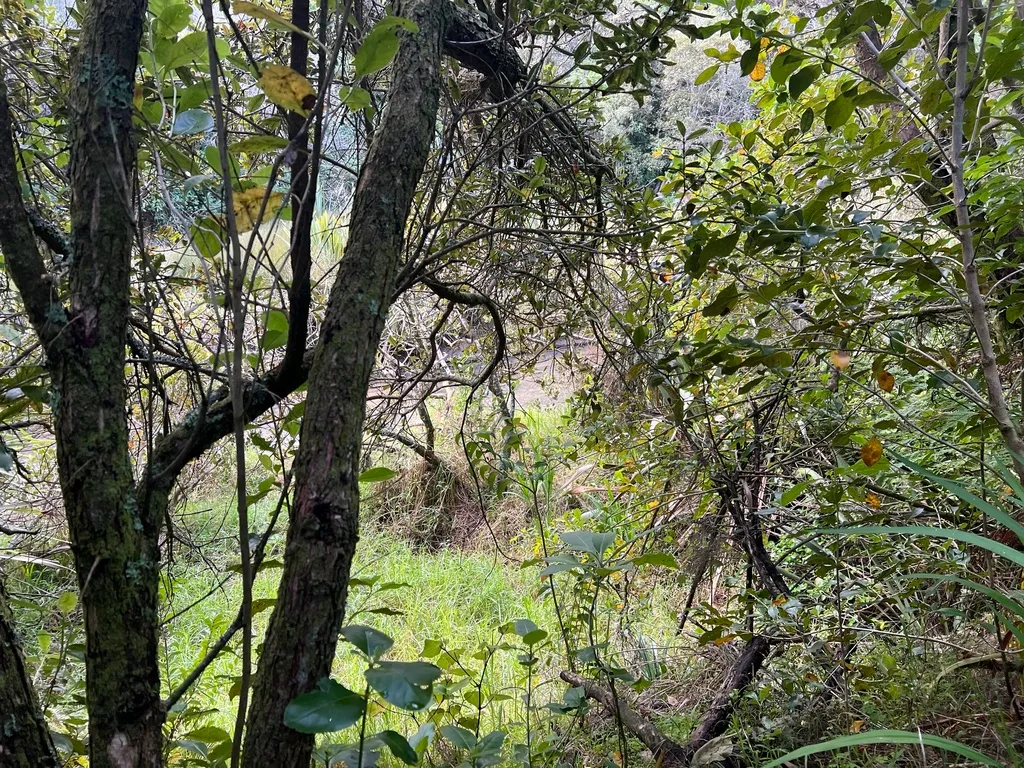
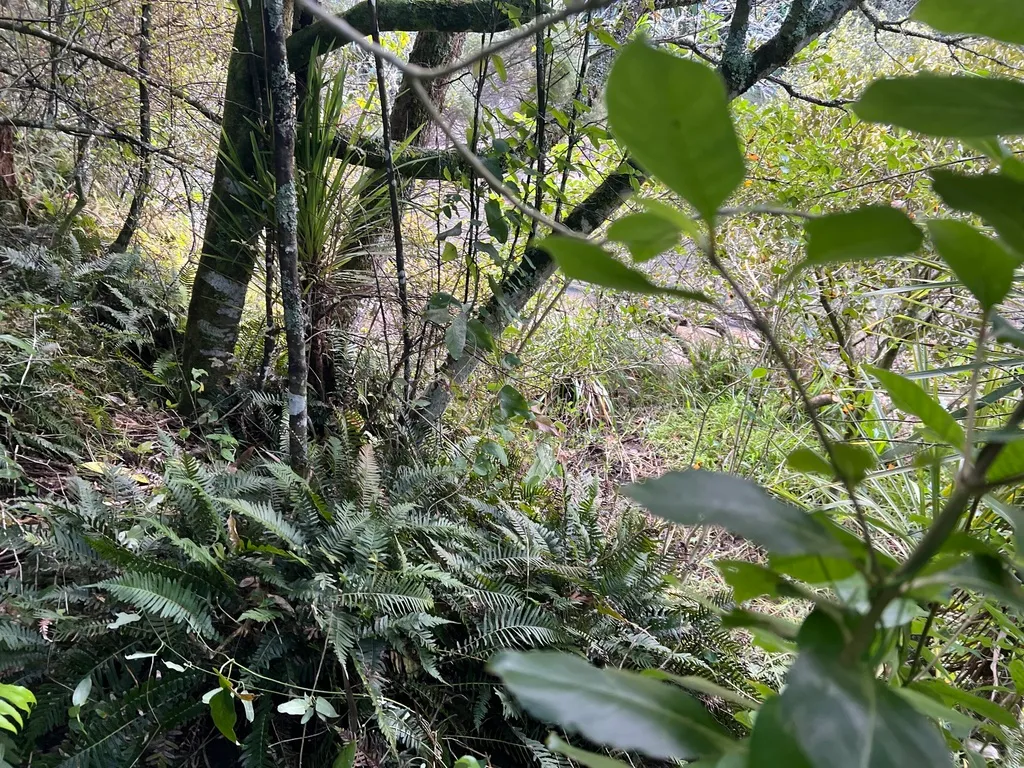
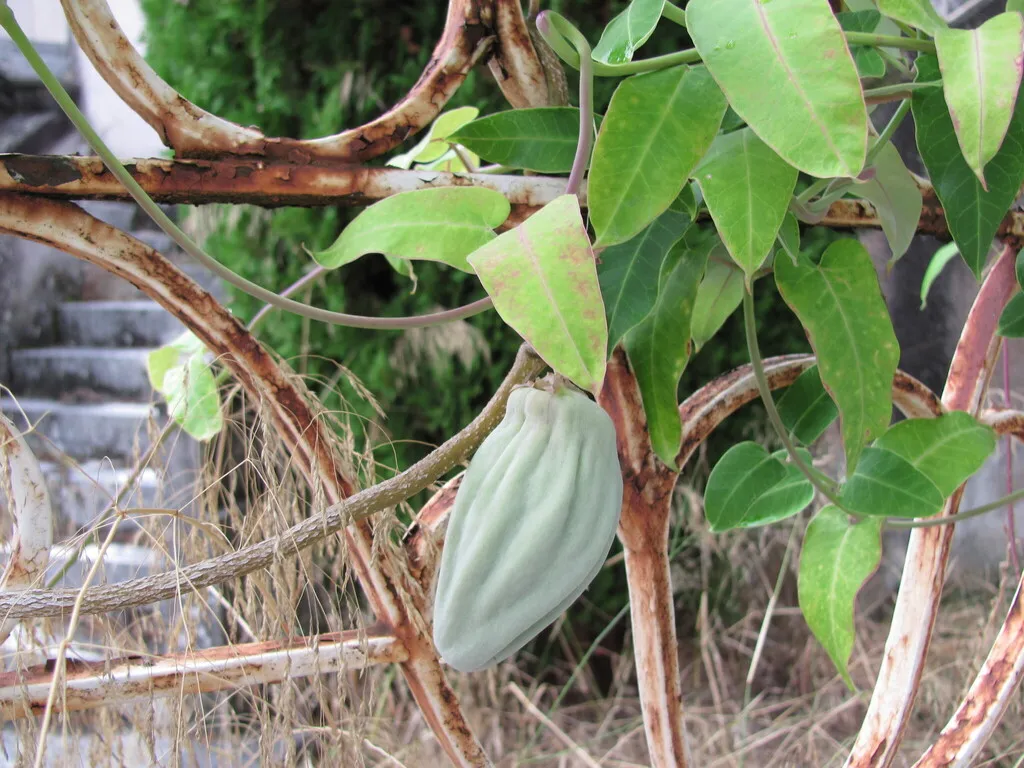
A fast-growing, twining, evergreen climber with narrowly oval leaves 10cm long. From late summer to autumn it bears small sprays of bell-shaped, scented, white or pale pink flowers. Sticky pollen masses temporarily trap visiting moths, hence the common name
Scientific classification
- Species
- cruel plant (Araujia sericifera)
- Genus
- Araujia
- Family
- Apocynaceae
- Order
- Gentianales
- Class
- Magnoliopsida
- Phylum
- Magnoliophyta
- Information to be completed
- Toxicity
- Climber Wall Shrub · Conservatory Greenhouse
- Plant type
- 8-12 metres
- Height
- 4-8 metres
- Spread
- Evergreen
- Foliage
- Climbing
- Habit
- Spring · Summer · Autumn · Winter
- Season of interest
- Full sun · Partial shade
- Sunlight
- Information to be completed
- Ideal temperature









cruel plant pictures
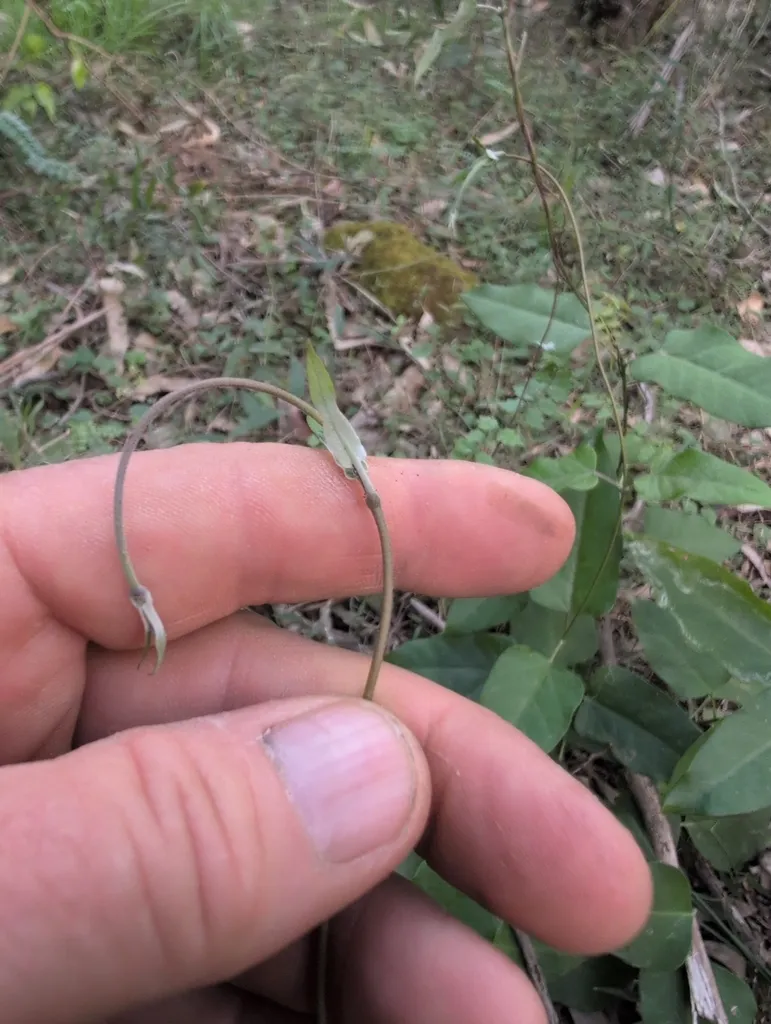
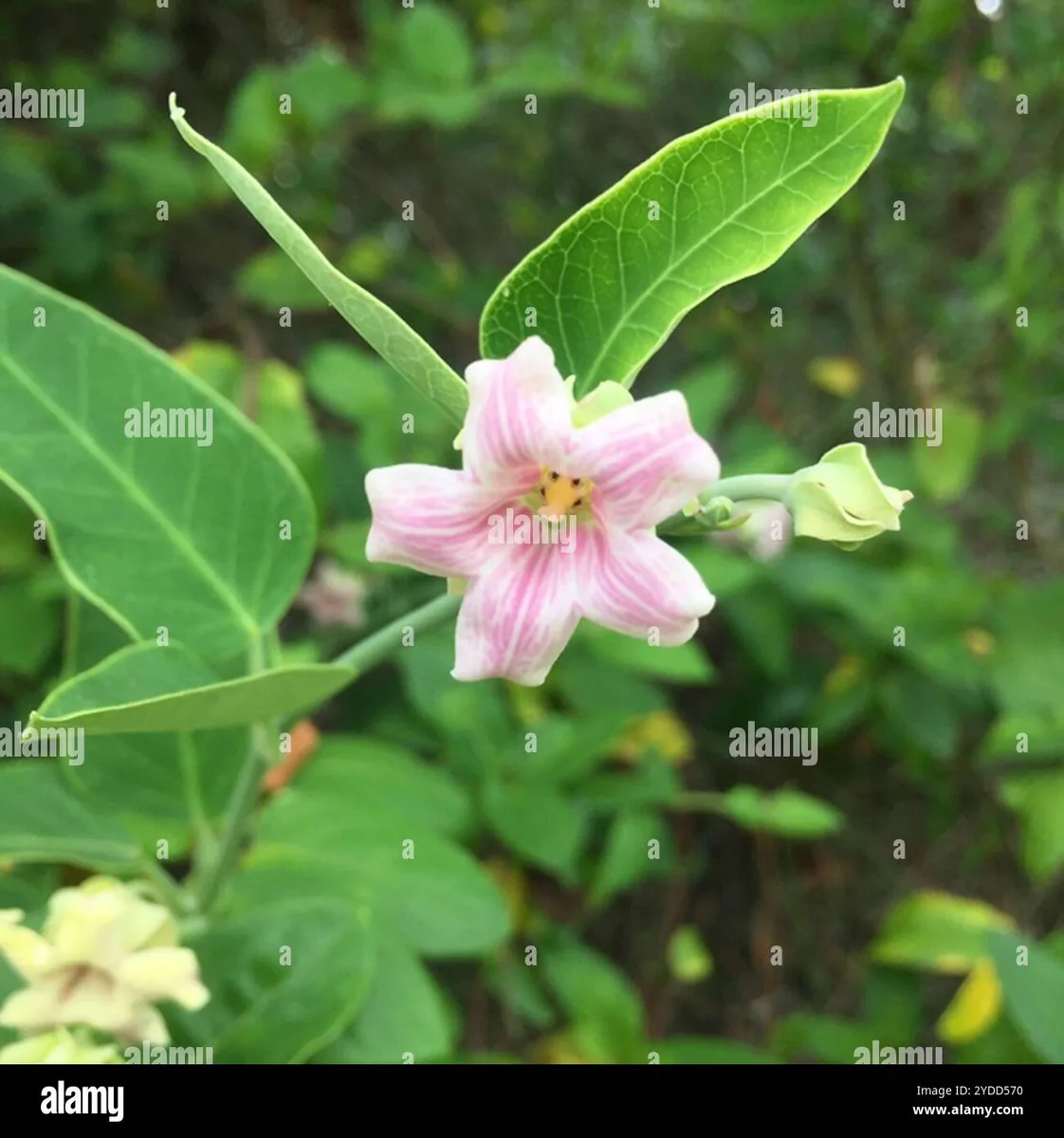
Distribution of cruel plant
Distribution map
- Native
- Introduced
- Cultivated
Source:WCVP v16 · Royal Botanic Gardens, Kew · CC BY 3.0 · Boundaries:WGSRPD / TDWG
cruel plant care guide
- Moderate regular watering, allowing brief slight drying between soakings
- Watering
- Full sun · Partial shade
- Sunlight

Watering
Moderate regular watering, allowing brief slight drying between soakings
Fertilizing
 Fertilizing
Balanced perennial feed every four weeks from spring through summer
Pruning
 Pruning
Routine pruning is unnecessary; shorten overlong shoots to fit the available space. Prune in early spring.
Propagation
 Propagation
Propagate by seed sown when ripe, or in spring. Root semi-ripe cuttings of lateral shoots with bottom heat in late summer
Growing
 Growing
Under glass grow in coarse, loam-based compost in full light. Where temperatures do not fall below zero grow outdoors in well-drained, moderately fertile soil in sun or semi-shade
Common pests and diseases
Diseases
Generally disease free
Pests
Glasshouse red spider mite may be a problem
Explore the plant health library →




