
common teasel
Also known as: Adam's flannel; barber's brushes; carde thistle; church brooms; clothes brush; gypsy's comb; hutton weed; Indian thistle; prickly back; shepherd's rod; shepherd's staff; Venus' basin; Venus' bath; Venus' cup; water thistle; wild teasel; wood broom
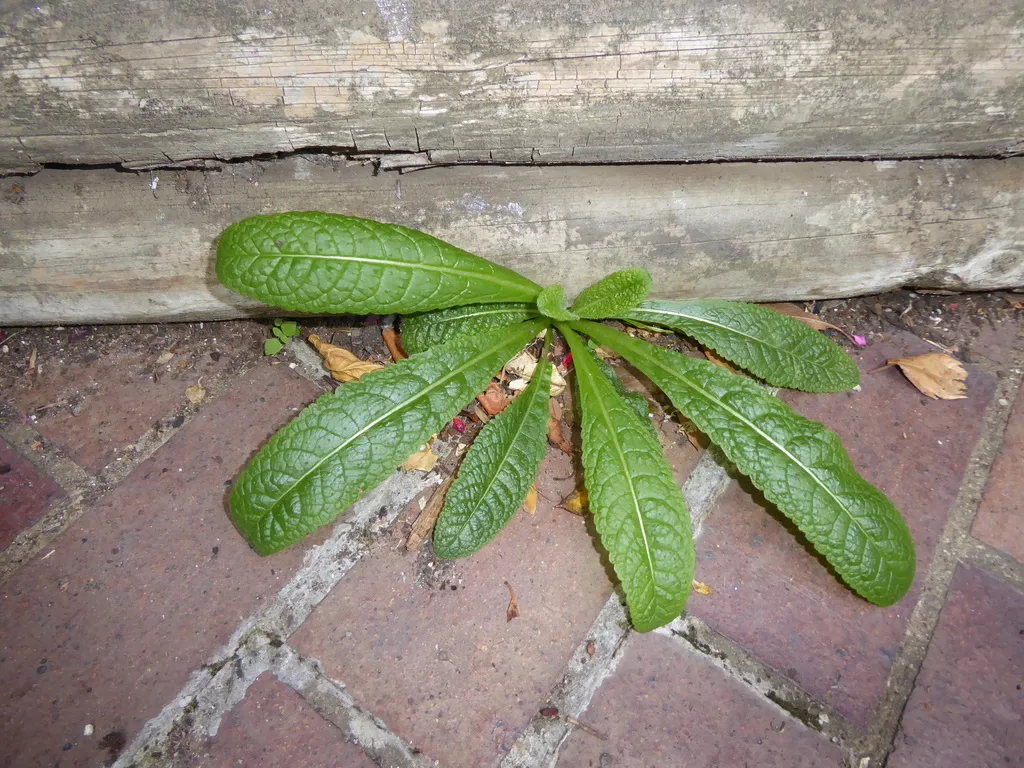
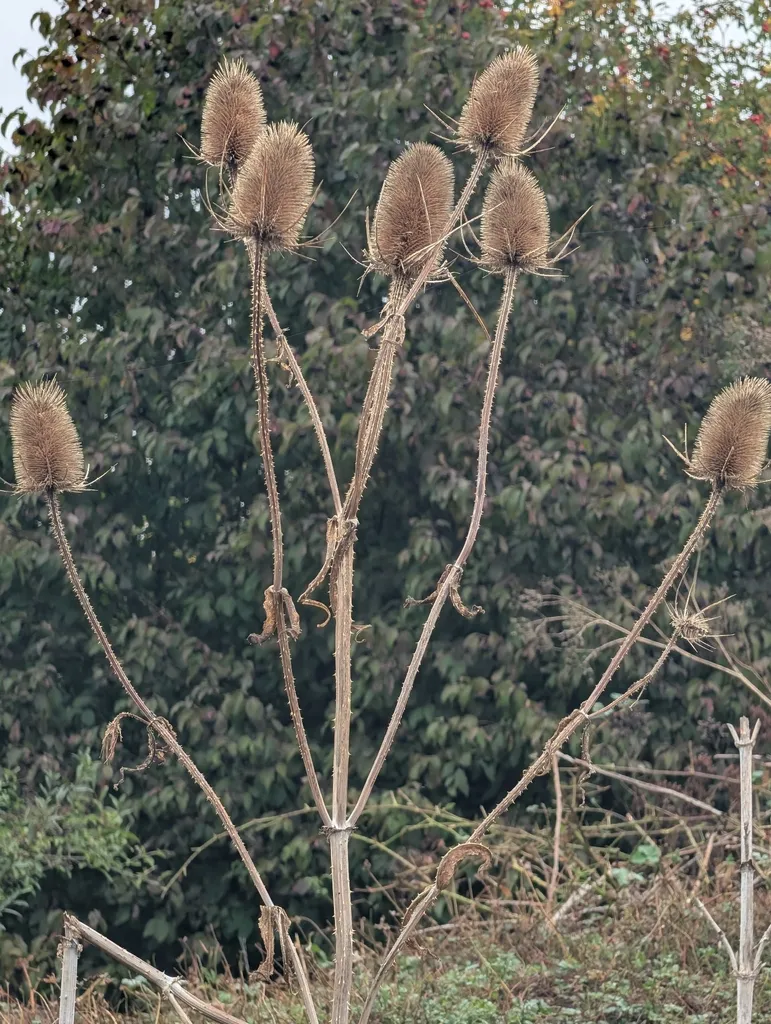
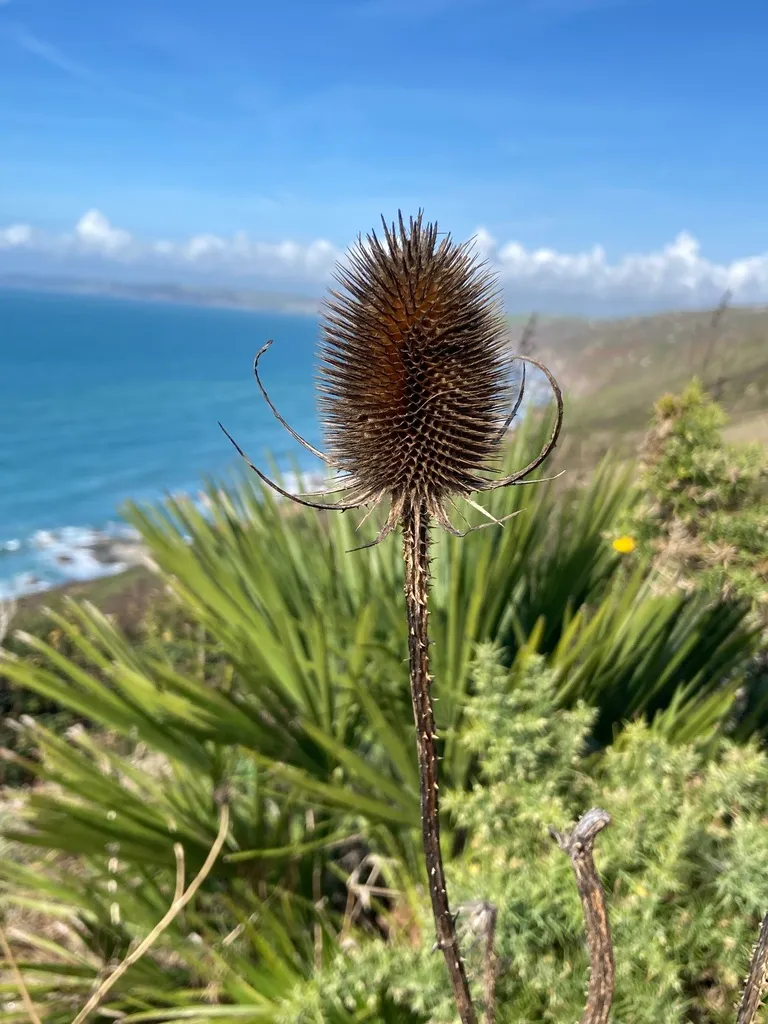
A biennial, to 3m, erect with side branches. Foliage is bright green, prickly on lower mid-ribs, the stem leaves joined at the base to cup the stem. Flowerheads, to 6cm long, are stiffly bristly from the projecting calyx spines. The flowers are tiny and blue, appearing in a band round the flowerhead over an extended flowering time. Plant remains intact throughout winter, and seedheads attract goldfinches
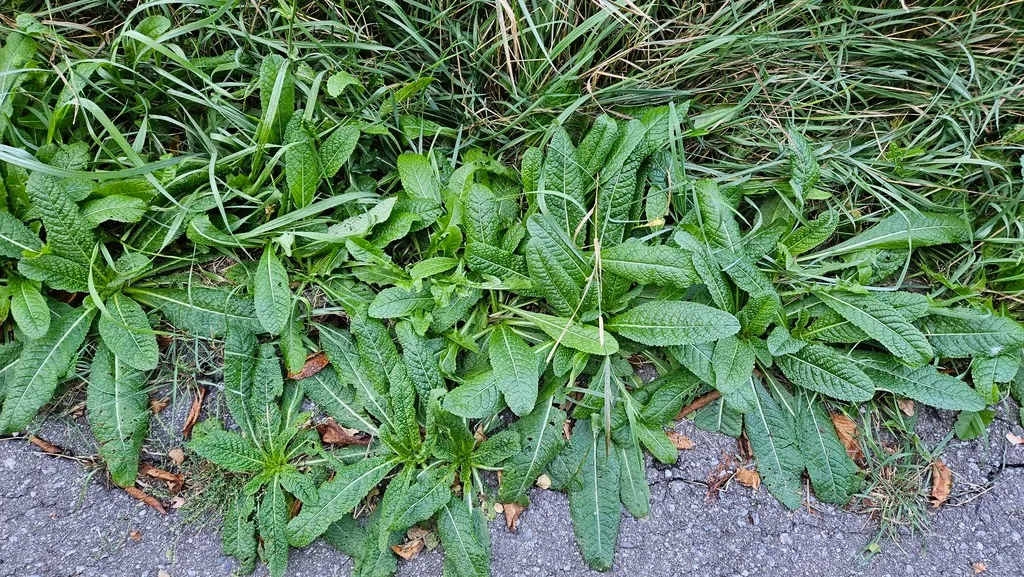
Scientific classification
- Species
- common teasel (Dipsacus fullonum)
- Genus
- Dipsacus
- Family
- Caprifoliaceae
- Information to be completed
- Toxicity
- Annual Biennial
- Plant type
- 1.5-2.5 metres
- Height
- 0.5-1 metres
- Spread
- Deciduous
- Foliage
- Columnar upright
- Habit
- Autumn · Spring · Summer · Winter
- Season of interest
- Full sun · Partial shade
- Sunlight
- Information to be completed
- Ideal temperature









common teasel pictures
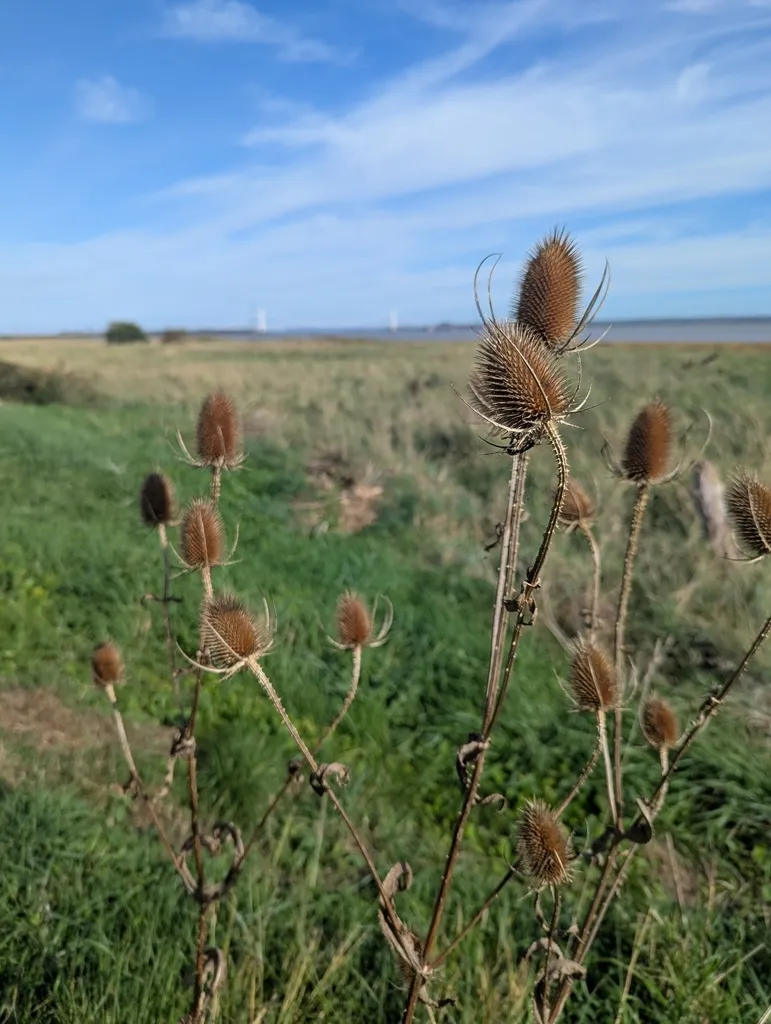
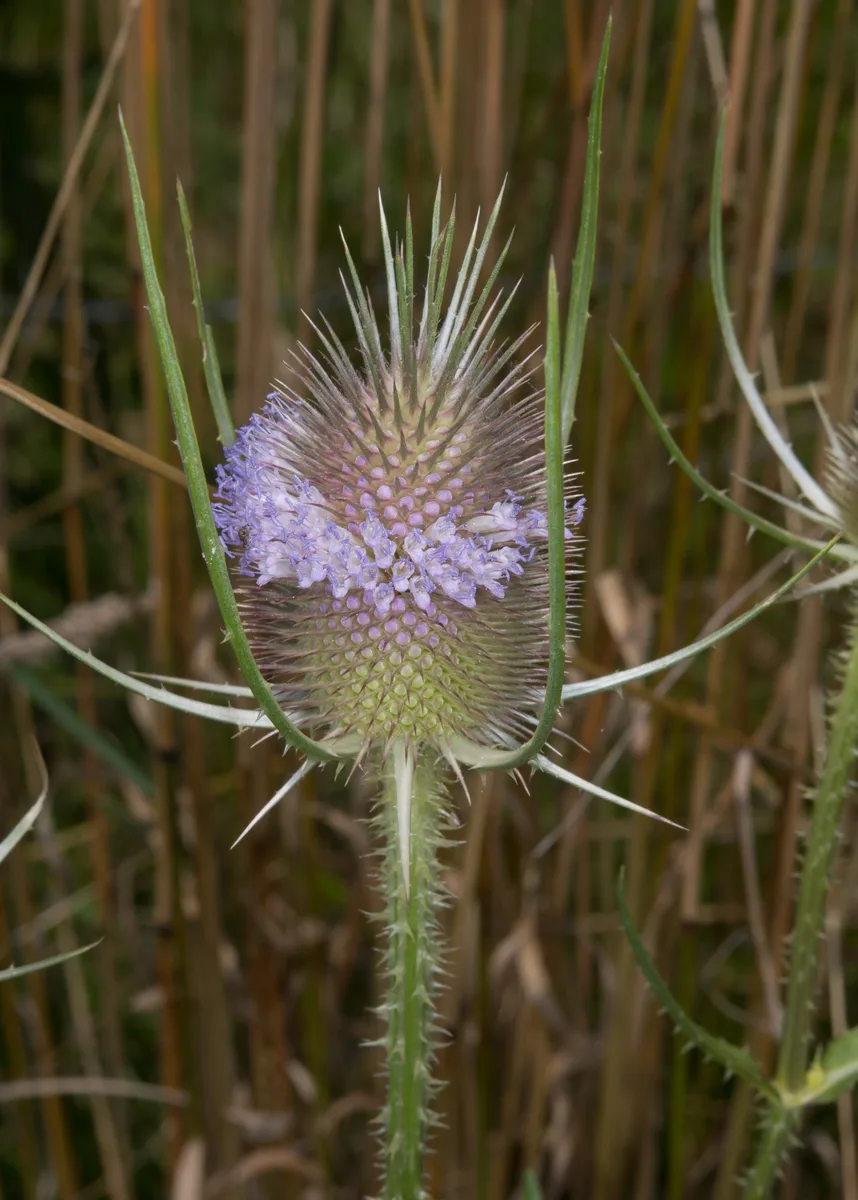
Distribution of common teasel
Distribution map
Europe, Northern Africa, Southwestern Asia
Information to be completed
Culture
Information to be completed
Toxicity
Information to be completed
Quick identification of common teasel
Information to be completed
common teasel care guide
- Moderate regular watering, avoid prolonged drought or waterlogging
- Watering
- Full sun · Partial shade
- Sunlight
- Information to be completed
- Ideal temperature

Watering
Moderate regular watering, avoid prolonged drought or waterlogging
Fertilizing
 Fertilizing
Balanced feed in spring and light repeat in growth season
Pruning
 Pruning
No pruning necessary
Propagation
 Propagation
Propagate by seed in situ in autumn or spring
Growing
 Growing
Grow in any moderately fertile soil, including heavy clay, in sun or partial shade. The flowerheads can be harvested for air-drying from mid to late summer, or left for birds over winter
People also ask
Information to be completed
Common pests and diseases
Diseases
Generally disease free
Pests
Prone to aphids
Explore the plant health library →




