
hyacinth bean
Also known as: Australian pea; bonavist; dolichos bean; Egyptian kidney bean; jack bean; lablab; lubia bean; seim bean; 埃及豆; 印度豆
L. purpureus is a fast-growing, twining perennial climber with mid- to dark green leaves with three leaflets up to 15cm long. In summer and autumn it produces sprays of fragrant, purple or white pea-like flowers, followed by edible green pods often flushed with purple
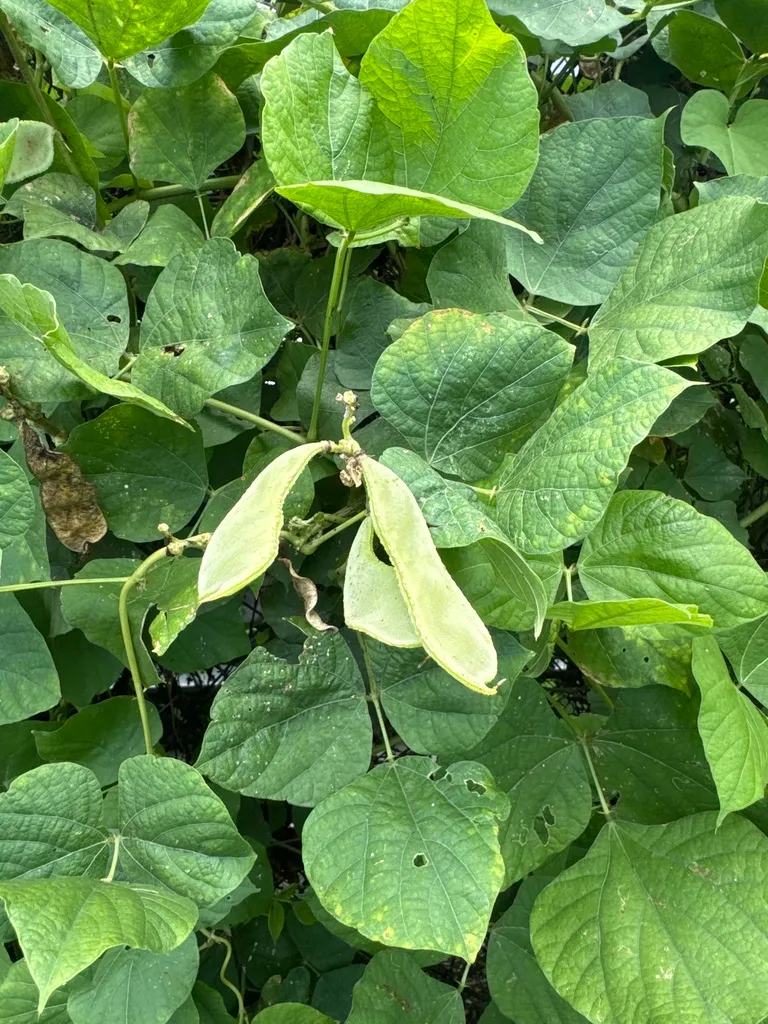
Scientific classification
- Species
- hyacinth bean (Lablab purpureus)
- Genus
- Lablab
- Family
- Fabaceae
- Information to be completed
- Toxicity
- Climber Wall Shrub · Conservatory Greenhouse
- Plant type
- 2.5-4 metres
- Height
- 0.5-1 metres
- Spread
- Deciduous
- Foliage
- Climbing
- Habit
- Spring · Summer · Autumn
- Season of interest
- Full sun
- Sunlight
- Information to be completed
- Ideal temperature









hyacinth bean pictures
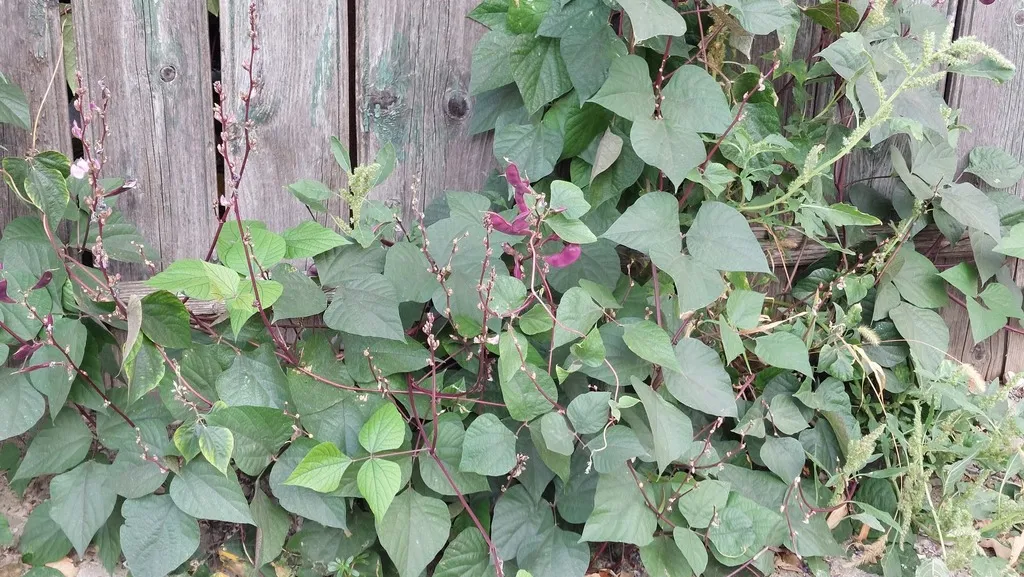
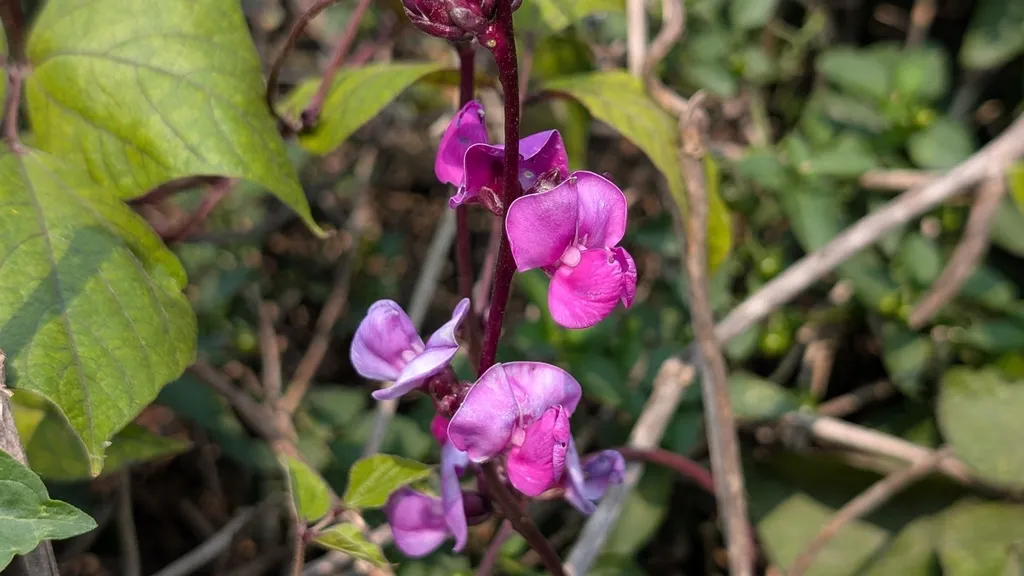
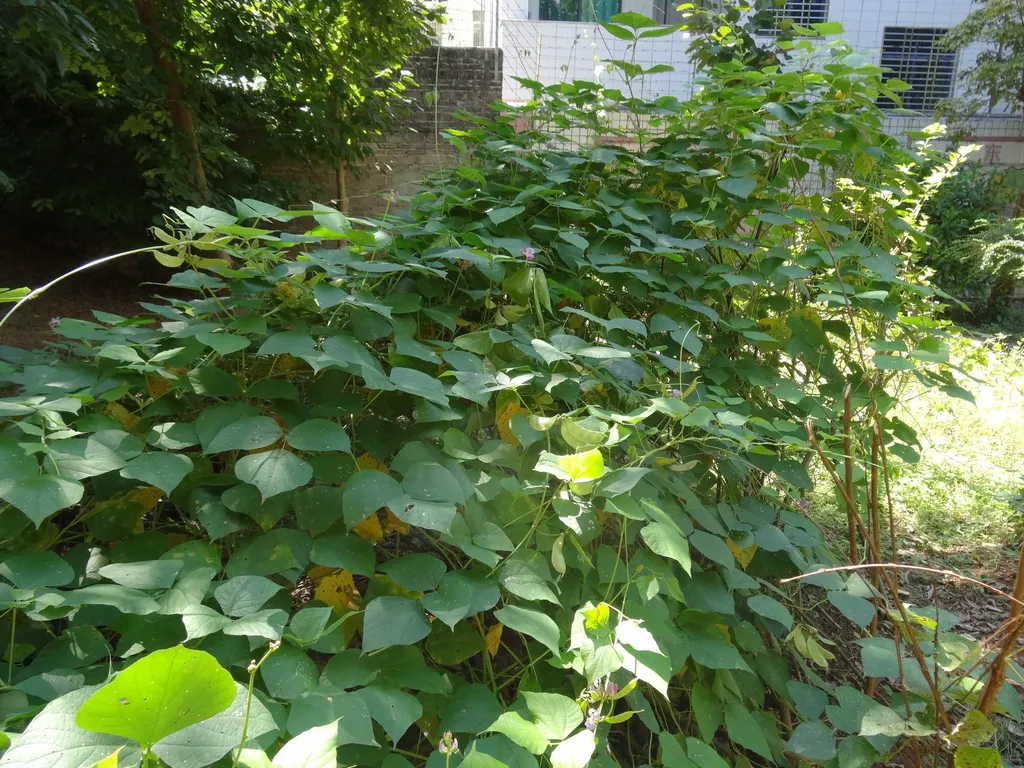
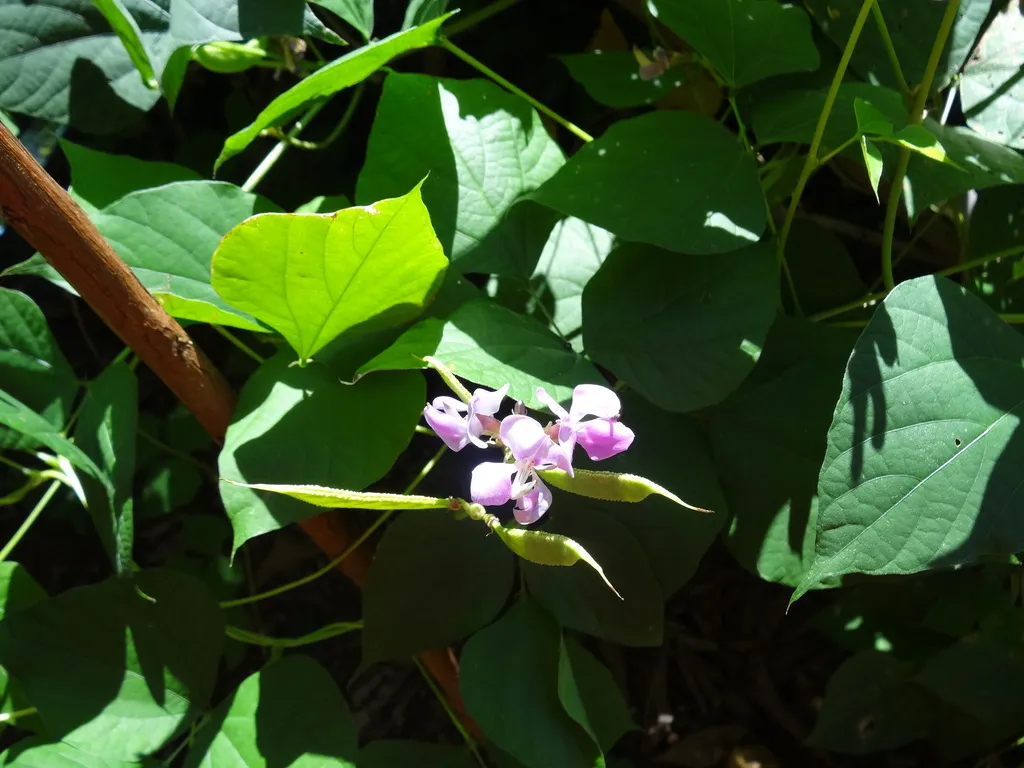
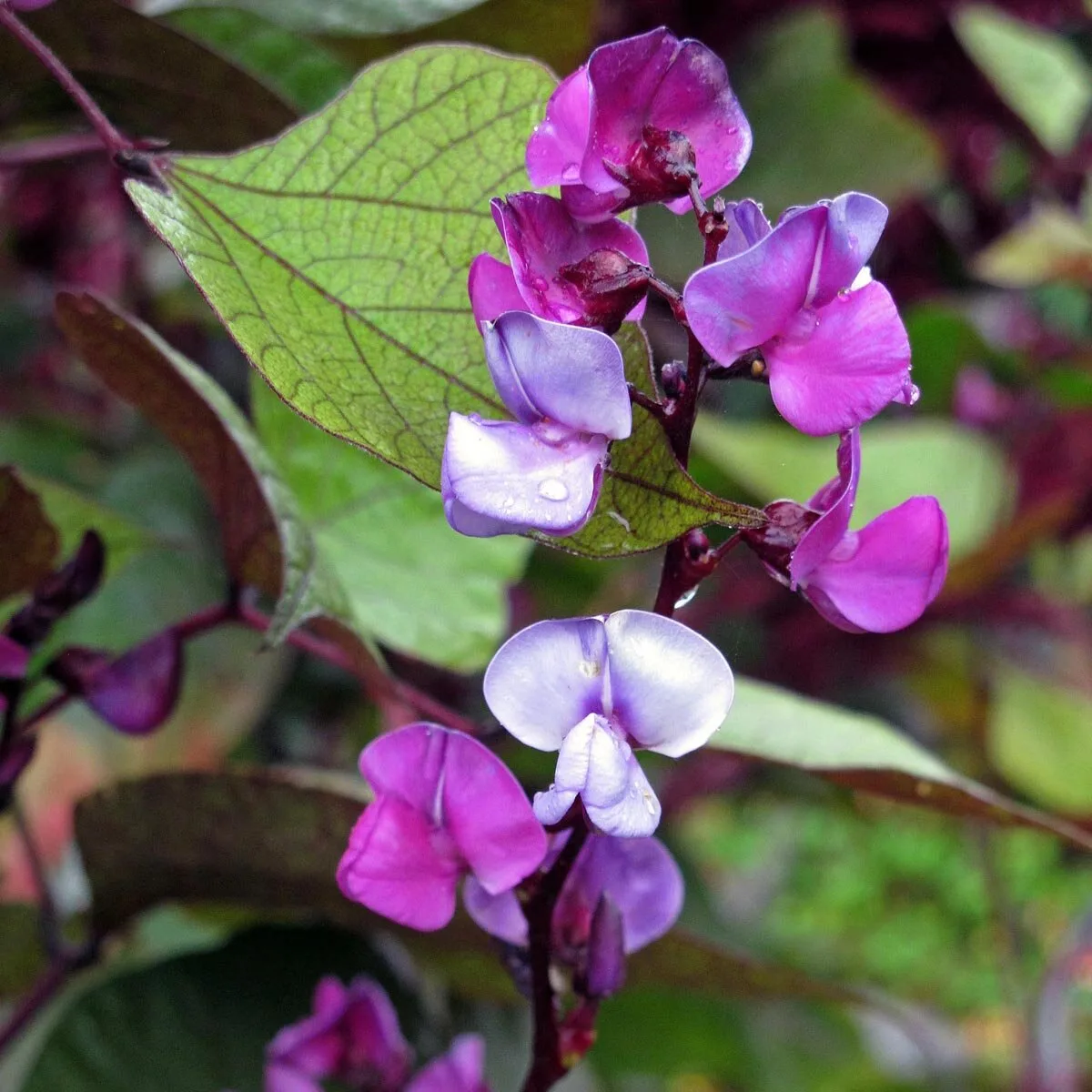
Distribution of hyacinth bean
Distribution map
Tropical Africa
Information to be completed
Culture
Information to be completed
Toxicity
Information to be completed
Quick identification of hyacinth bean
Information to be completed
hyacinth bean care guide
- Deep regular watering, damp substrate during vine foliage production
- Watering
- Full sun
- Sunlight
- Information to be completed
- Ideal temperature

Watering
Deep regular watering, damp substrate during vine foliage production
Fertilizing
 Fertilizing
Balanced climbing vine feed every two weeks warm growing season
Pruning
 Pruning
Routine pruning is unnecessary; shorten overlong shoots to fit the available space. Prune in spring.
Propagation
 Propagation
Propagate by seed
Growing
 Growing
Can be grown as a tender annual outdoors, but needs a long summer to crop well. Alternatively grow under heated glass in loam-based potting compost in full light, and liquid feed every two weeks until flowering
People also ask
Information to be completed
Common pests and diseases
Diseases
Generally disease free
Pests
Generally pest-free
Explore the plant health library →




