
Crapnell's camellia
Also known as: Information to be completed
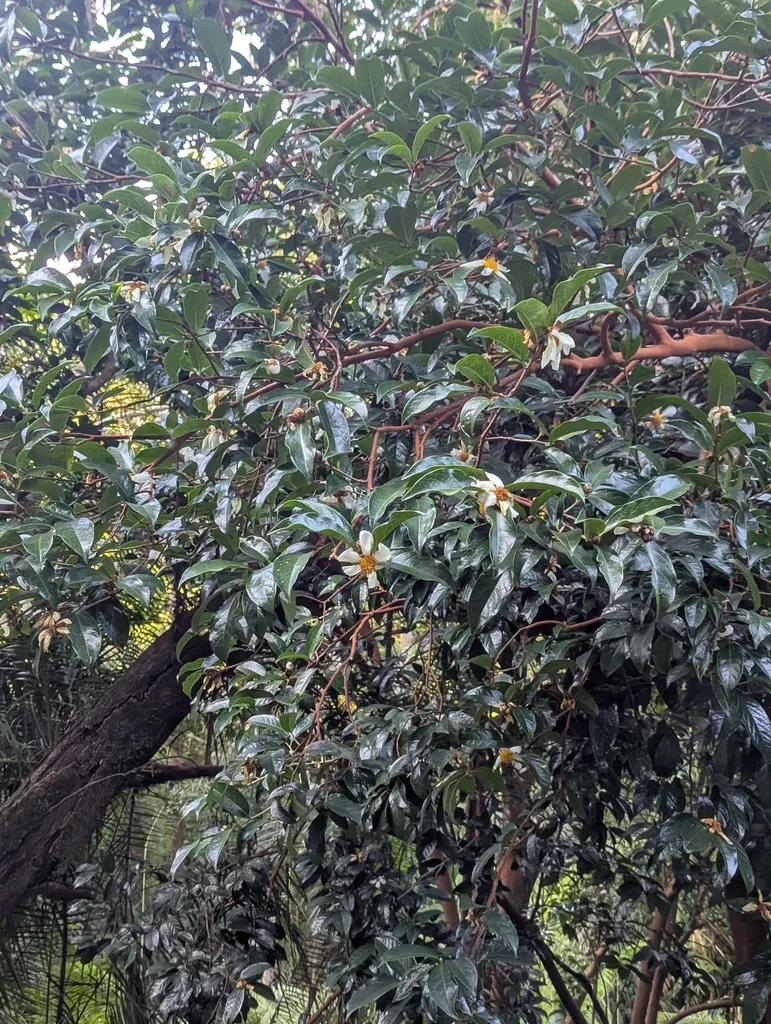
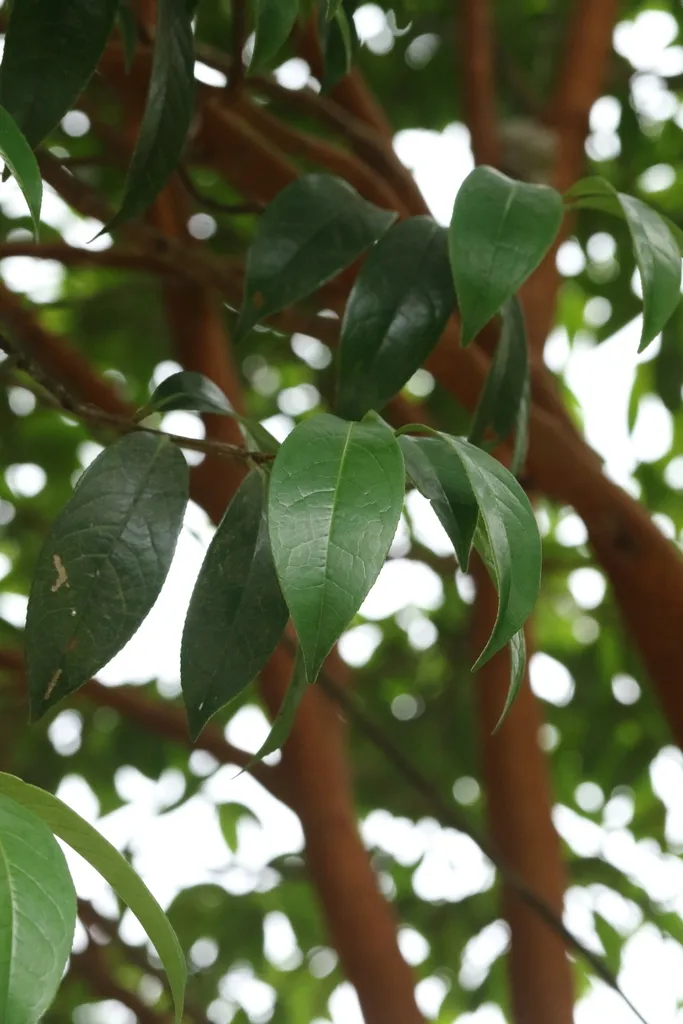
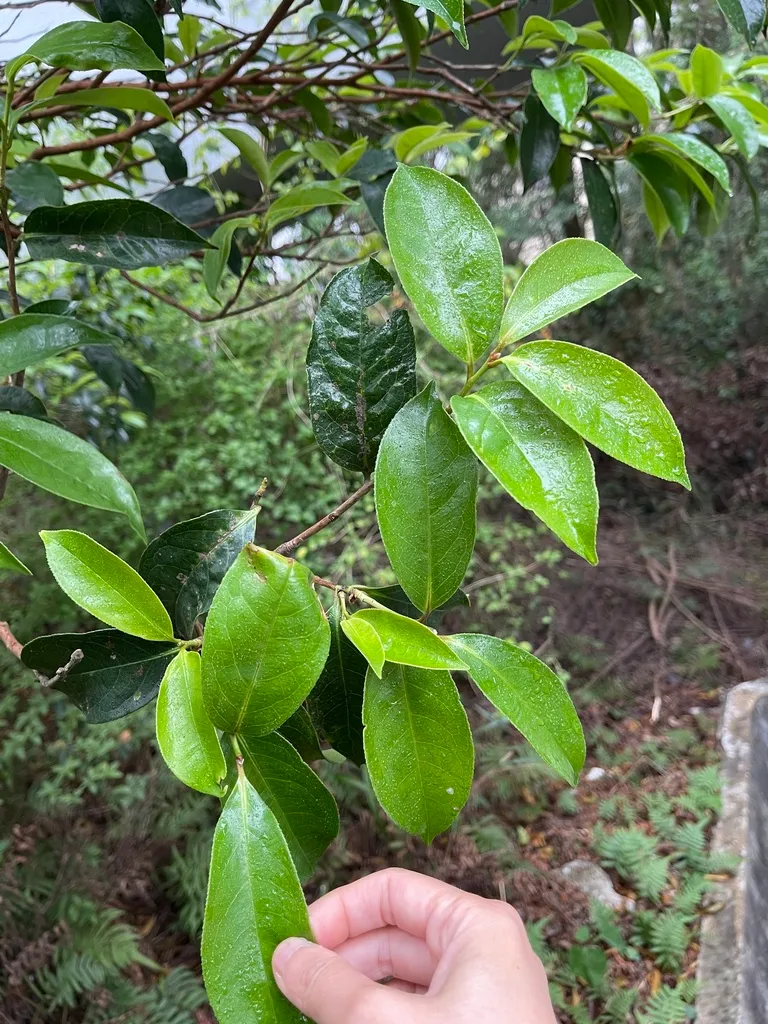
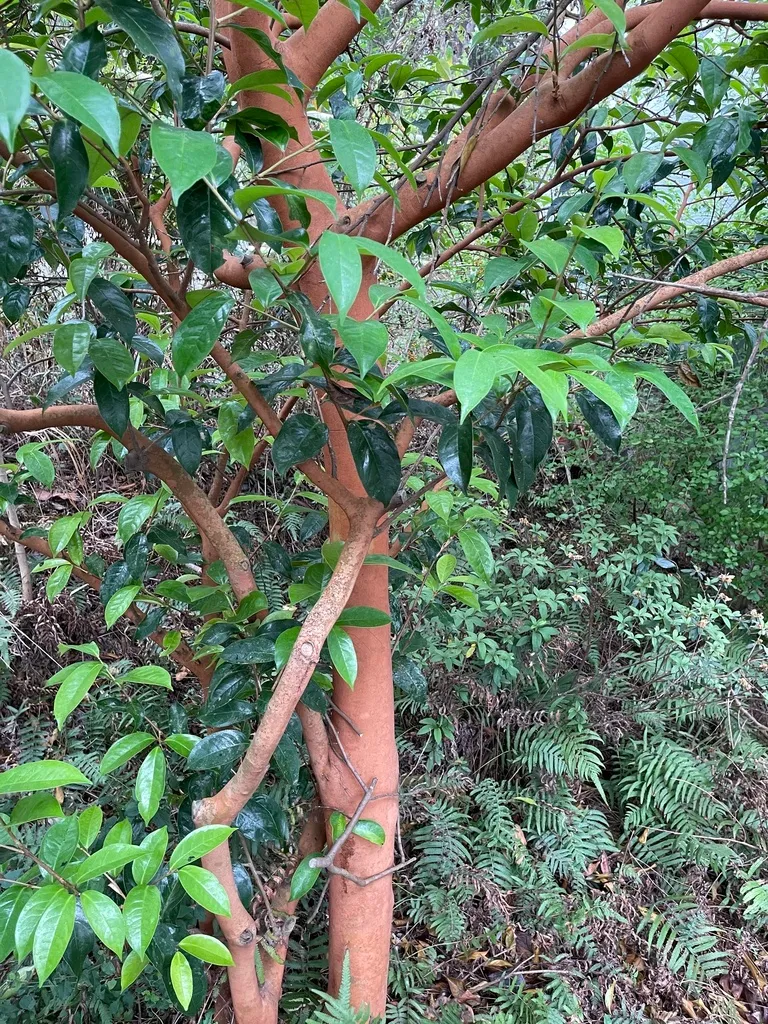
A tender evergreen shrub with an upright habit, cinnamon-coloured bark and glossy, dark green leaves with finely serrated edges. Produces large, fragrant, single white flowers, with six to eight spreading petals with ruffled margins and notches at the tips, in late winter
Scientific classification
- Species
- Crapnell's camellia (Camellia crapnelliana)
- Genus
- Camellia
- Family
- Theaceae
- Order
- Ericales
- Class
- Magnoliopsida
- Phylum
- Magnoliophyta
- Information to be completed
- Toxicity
- Shrubs
- Plant type
- 4-8 metres
- Height
- 2.5-4 metres
- Spread
- Evergreen
- Foliage
- Bushy
- Habit
- Spring · Summer · Autumn · Winter
- Season of interest
- Partial shade
- Sunlight
- Information to be completed
- Ideal temperature









Crapnell's camellia pictures
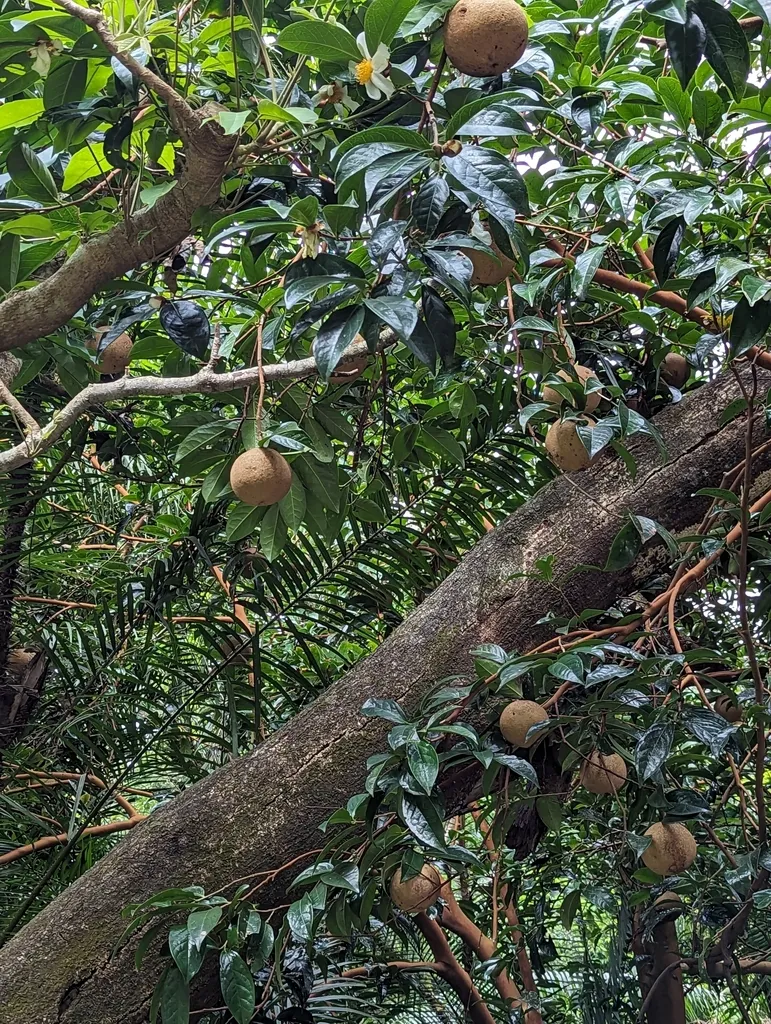
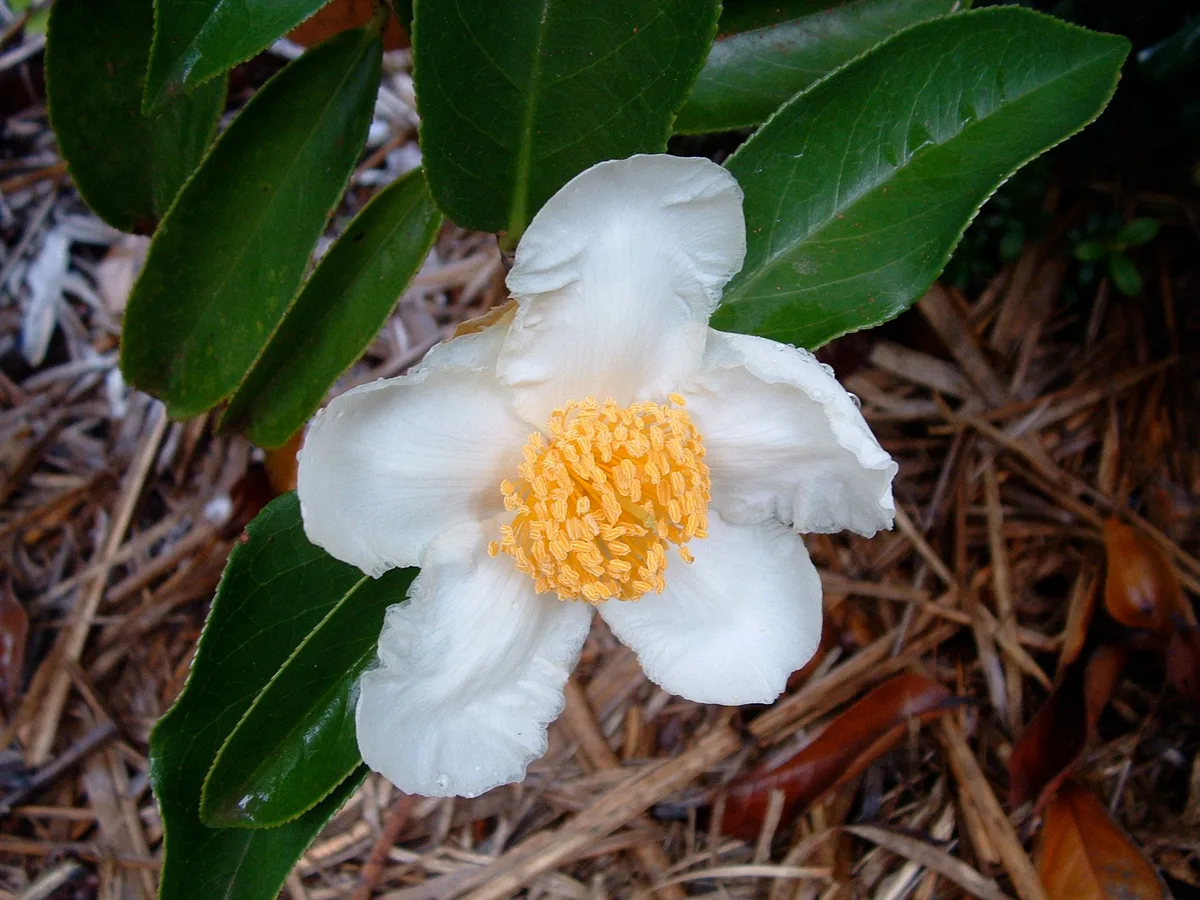
Distribution of Crapnell's camellia
Distribution map
- Native
- Introduced
- Cultivated
Source:WCVP v16 · Royal Botanic Gardens, Kew · CC BY 3.0 · Boundaries:WGSRPD / TDWG
Crapnell's camellia care guide
- Keep acidic soil consistently moist, with good drainage year round
- Watering
- Partial shade
- Sunlight

Watering
Keep acidic soil consistently moist, with good drainage year round
Fertilizing
 Fertilizing
Camellia fertilizer after flowering and again in early summer
Pruning
 Pruning
Usually little pruning is needed. Lightly shape if necessary, removing dead, damaged or diseased shoots. Prune after flowering has finished.
Propagation
 Propagation
Propagate by semi-hardwood cuttings in late summer, or by grafting in late winter
Growing
 Growing
Prefers acidic soil with plenty of organic matter and good drainage. This camellia is unlikely to be hardy outdoors in the UK, and is best grown in a large conservatory or greenhouse, or in a large container that can be moved indoors in winter. Position in light shade, and shelter from cold, dry winds. See camellia cultivation for more detailed advice
Common pests and diseases
Diseases
May be susceptible to honey fungus, phytophthora root rot, camellia gall, camellia leaf blight, and camellia yellow mottle virus. Flowers may be infected by camellia petal blight
Pests
May be susceptible to aphids, scale insects and vine weevil
Explore the plant health library →




