
dragon tree
Also known as: dragon's blood tree
A slow-growing evergreen tree becoming sparsely branched, with terminal rosettes of sword-shaped leaves to 60cm in length and, on mature plants only, panicles of greenish-white flowers in summer followed by orange-red fruits
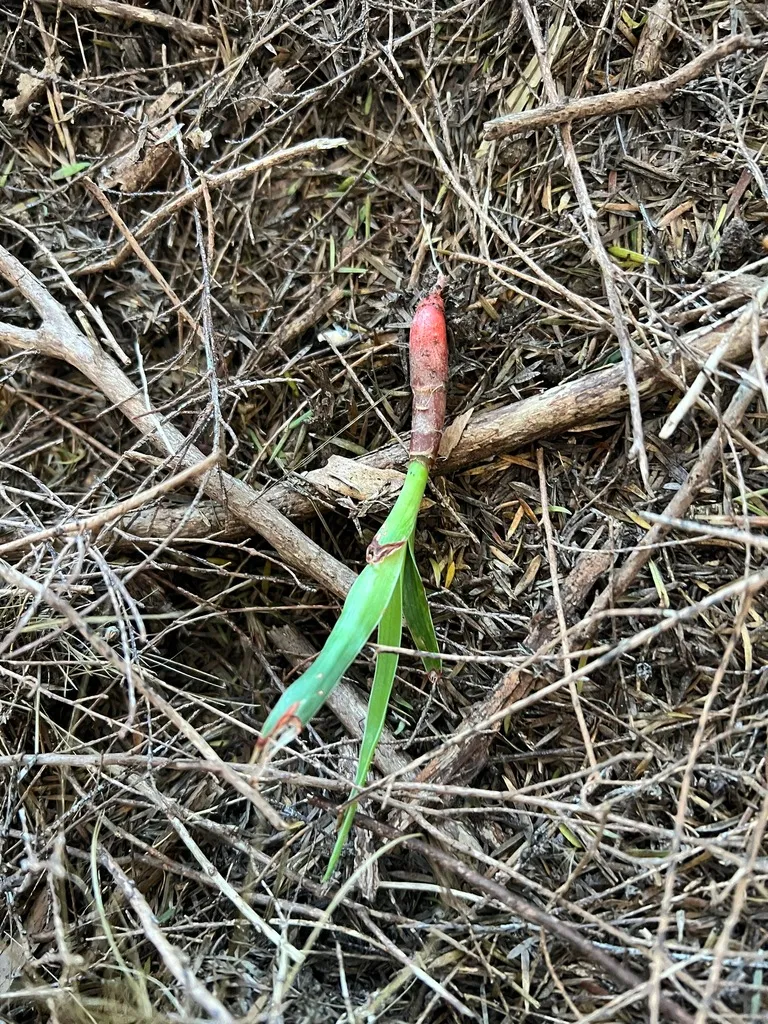
Scientific classification
- Species
- dragon tree (Dracaena draco)
- Genus
- Dracaena
- Family
- Asparagaceae
- Information to be completed
- Toxicity
- Conservatory Greenhouse · Trees
- Plant type
- 4-8 metres
- Height
- 2.5-4 metres
- Spread
- Evergreen
- Foliage
- Bushy
- Habit
- Spring · Summer · Autumn · Winter
- Season of interest
- Full sun
- Sunlight
- 15 – 25 °C
- Ideal temperature









dragon tree pictures


Distribution of dragon tree
Distribution map
Macaronesia, Morocco
Information to be completed
Culture
Information to be completed
Toxicity
Information to be completed
Quick identification of dragon tree
Information to be completed
dragon tree care guide
- Water when upper soil begins to dry, avoid soggy roots
- Watering
- Full sun
- Sunlight
- 15 – 25 °C
- Ideal temperature

Watering
Water when upper soil begins to dry, avoid soggy roots
Fertilizing
 Fertilizing
Balanced feed every few weeks in warm growth season
Pruning
 Pruning
No pruning required
Propagation
 Propagation
Propagate by seed at 18 to 21°C in spring or root semi-hardwood cuttings and leafless stem sections in spring with bottom heat
Growing
 Growing
Under glass grow in loam-based potting compost in full light and shade from hot sun and with moderate humidity. Water freely and apply a balanced liquid fertiliser monthly from spring to autumn and keep just moist in winter. If growth is weak, plants can be cut back to within 15cm of the base in spring. Tolerant of low light levels indoors
People also ask
Information to be completed
Common pests and diseases
Diseases
Generally disease free
Pests
glasshouse red spider mite and scale insects may be a problem under glass
Explore the plant health library →




