
dragon arum
Also known as: brook leek; dragon; dragon's female; edderwort; faverole; Indian turnip; snake plant
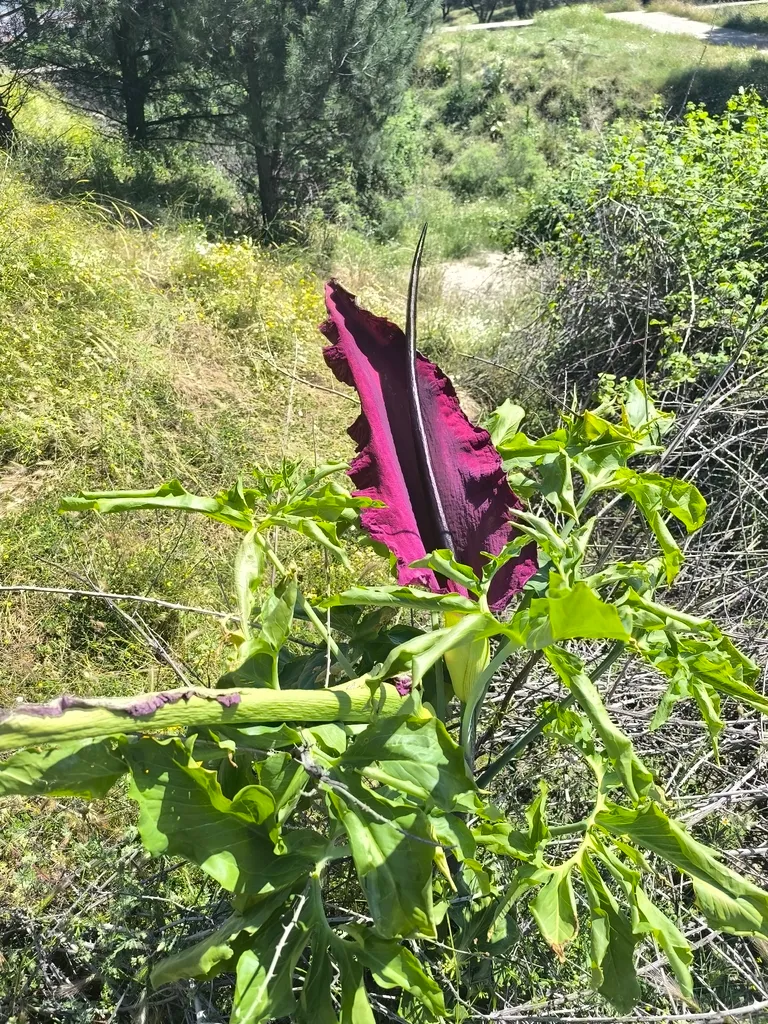
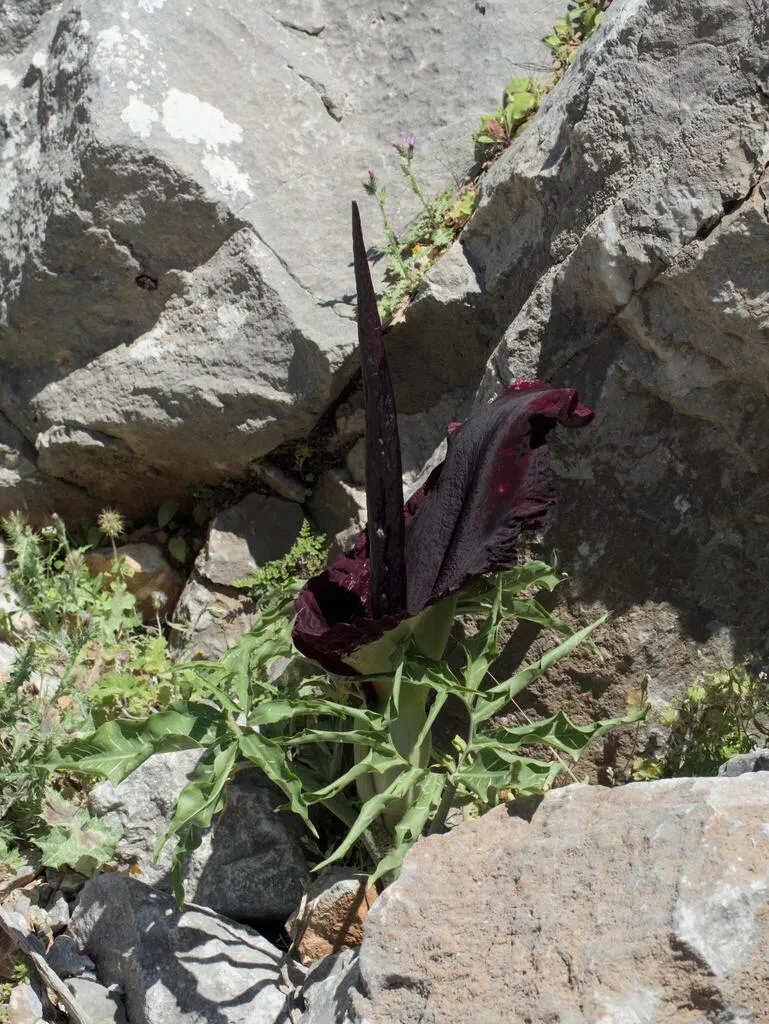
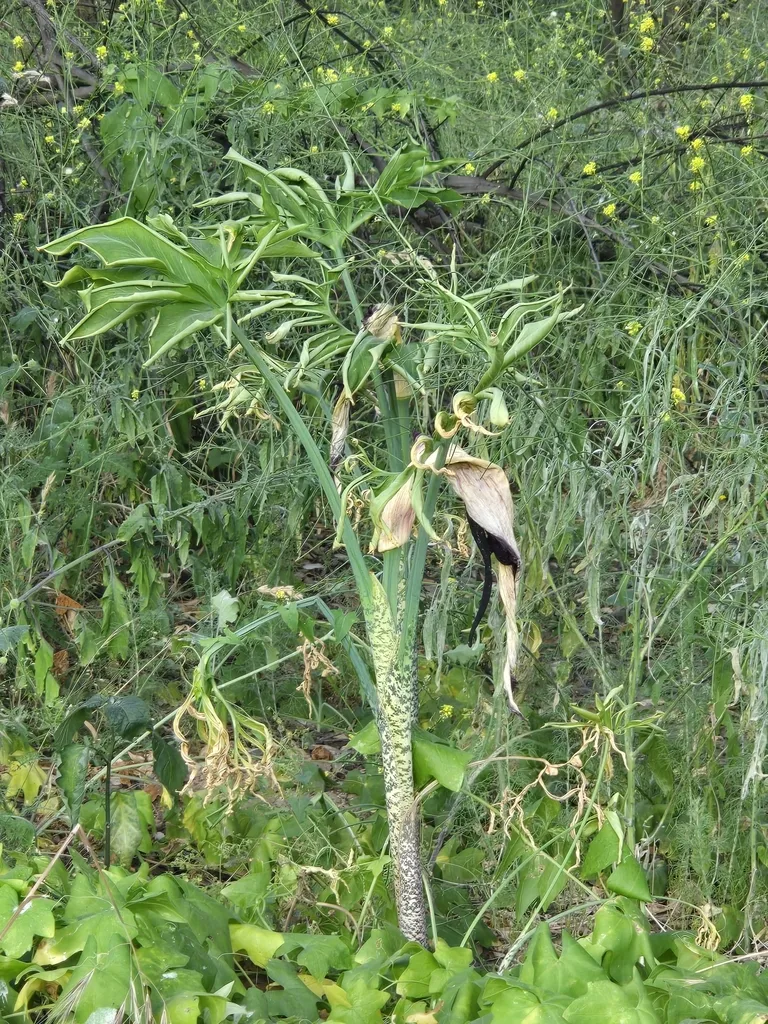
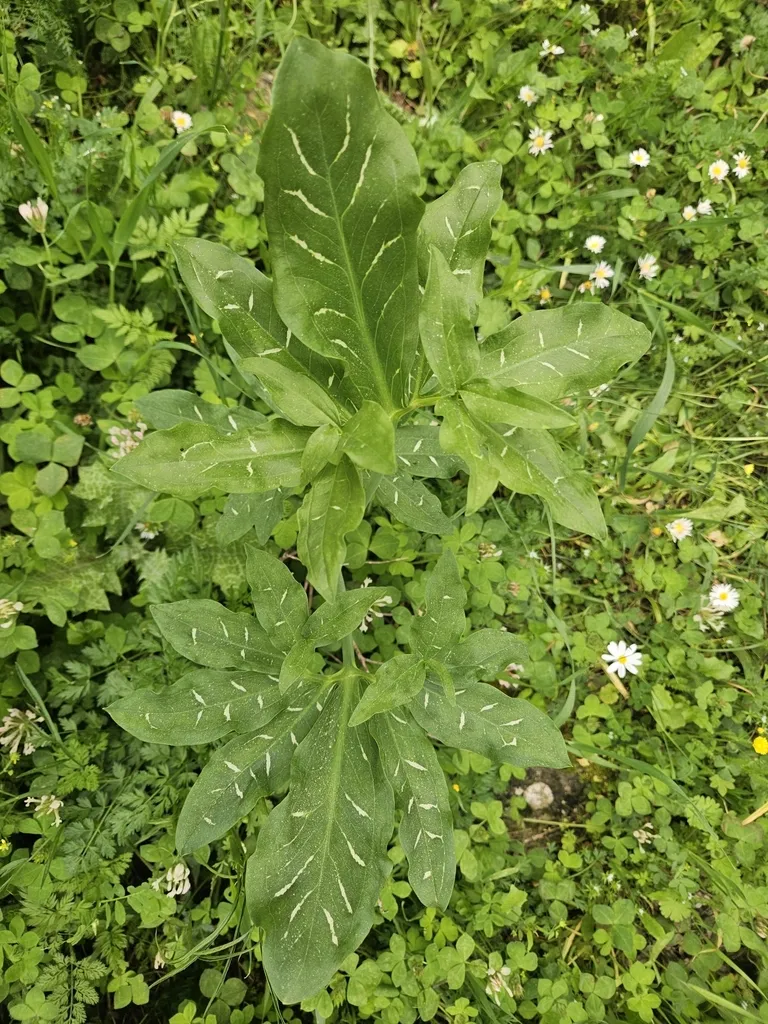
A handsomely purple-spotted stem with several leaves 30cm wide or more, the narrow lobes sometimes splashed with silver; the flower consists of a hood-like deep purple spathe to 60cm long, with a blackish-purple spadix
Scientific classification
- Species
- dragon arum (Dracunculus vulgaris)
- Genus
- Dracunculus
- Family
- Araceae
- Order
- Alismatales
- Class
- Liliopsida
- Phylum
- Magnoliophyta
- Harmful if eaten, skin/eye irritant. Wear gloves and other protective equipment when handling]
- Toxicity
- Herbaceous Perennial
- Plant type
- 1-1.5 metres
- Height
- 0.5-1 metres
- Spread
- Deciduous
- Foliage
- Bushy
- Habit
- Spring · Summer
- Season of interest
- Full sun · Partial shade
- Sunlight
- Information to be completed
- Ideal temperature









dragon arum pictures
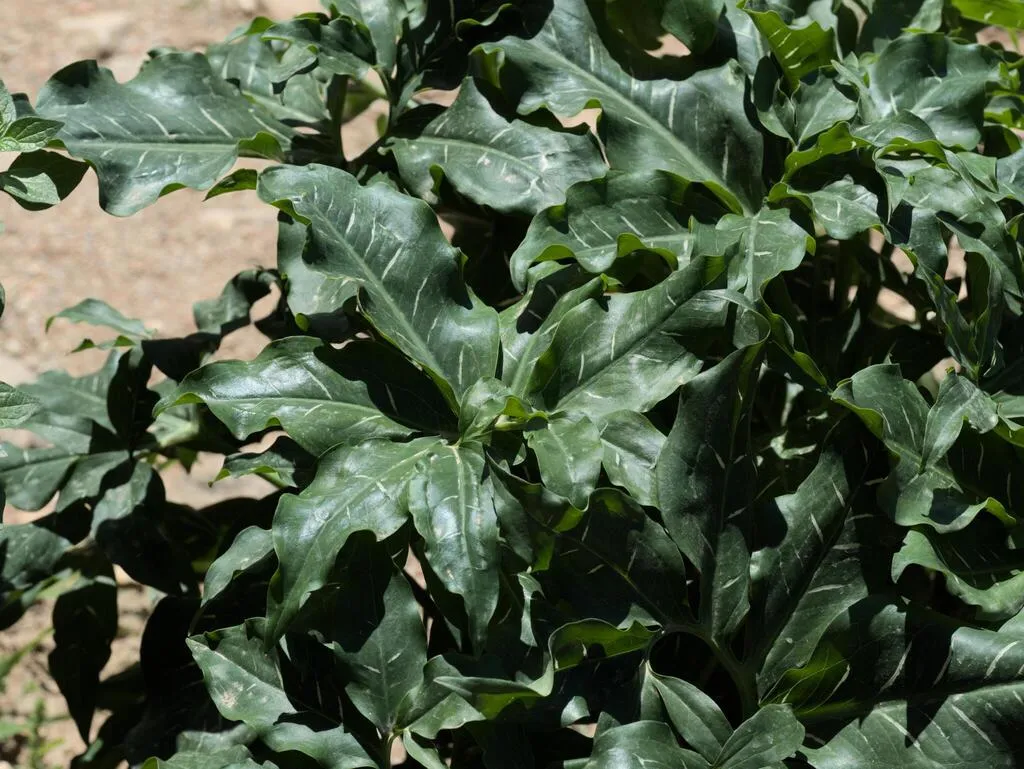
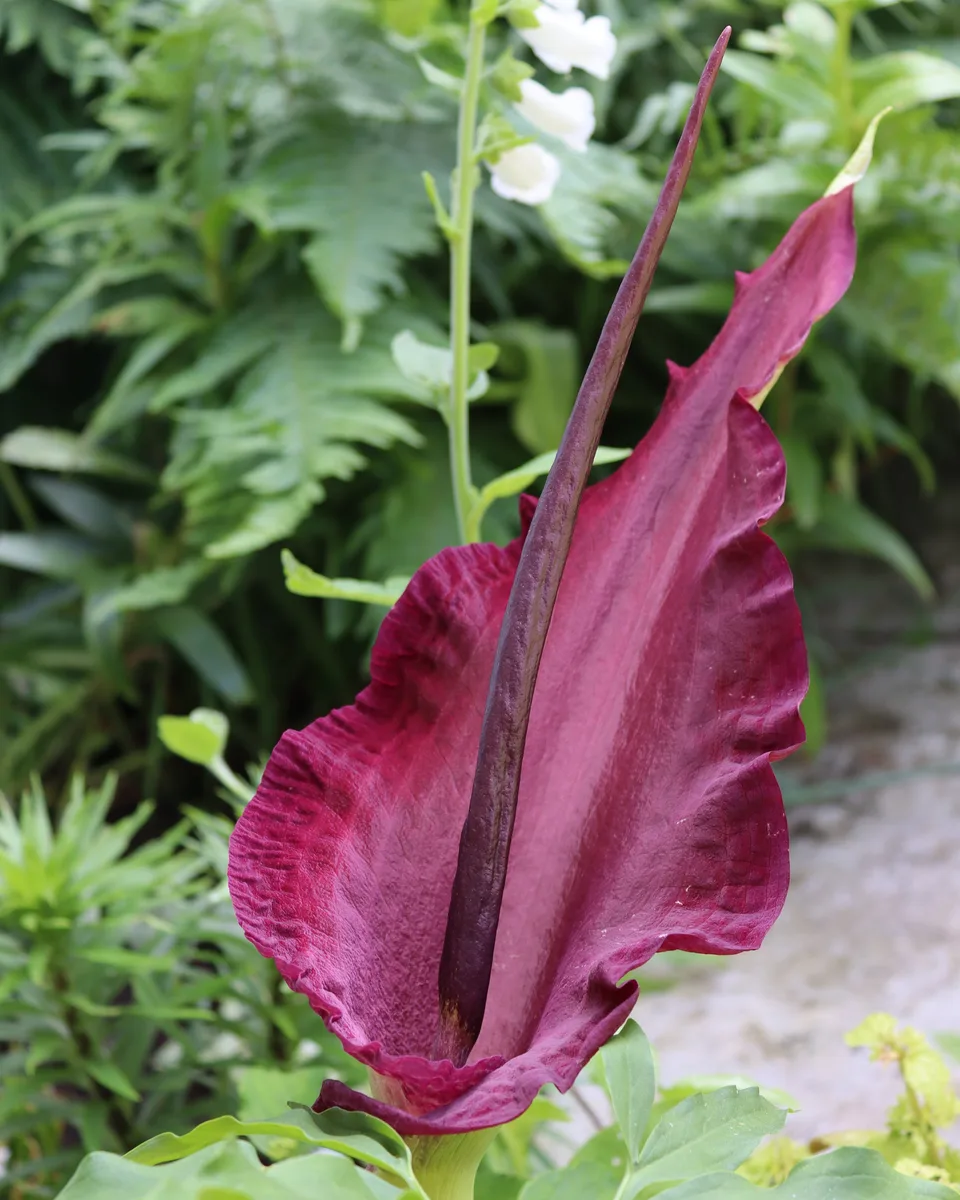
Distribution of dragon arum
Distribution map
- Native
- Introduced
- Cultivated
Source:WCVP v16 · Royal Botanic Gardens, Kew · CC BY 3.0 · Boundaries:WGSRPD / TDWG
Toxicity
Harmful if eaten, skin/eye irritant. Wear gloves and other protective equipment when handling]
dragon arum care guide
- Moderate regular watering, avoid prolonged drought and stagnant waterlogging
- Watering
- Full sun · Partial shade
- Sunlight

Watering
Moderate regular watering, avoid prolonged drought and stagnant waterlogging
Fertilizing
 Fertilizing
Balanced perennial feed every four weeks spring through summer growth
Pruning
 Pruning
No pruning required
Propagation
 Propagation
Separate offsets in autumn or spring
Growing
 Growing
Plant tubers 15cm (6in) deep in autumn or spring in humus-rich, well-drained soil that dries out in summer. Grows best in full sun but will tolerate partial shade. Protect with a dry winter mulch. Grows well in in open glades in sheltered woodland or at the base of a sunny wall. Consider the smell of the flowers when siting
Common pests and diseases
Diseases
Generally disease-free
Pests
Generally pest-free
Explore the plant health library →




