
double-leaved sundew
Also known as: old man's eyebrow
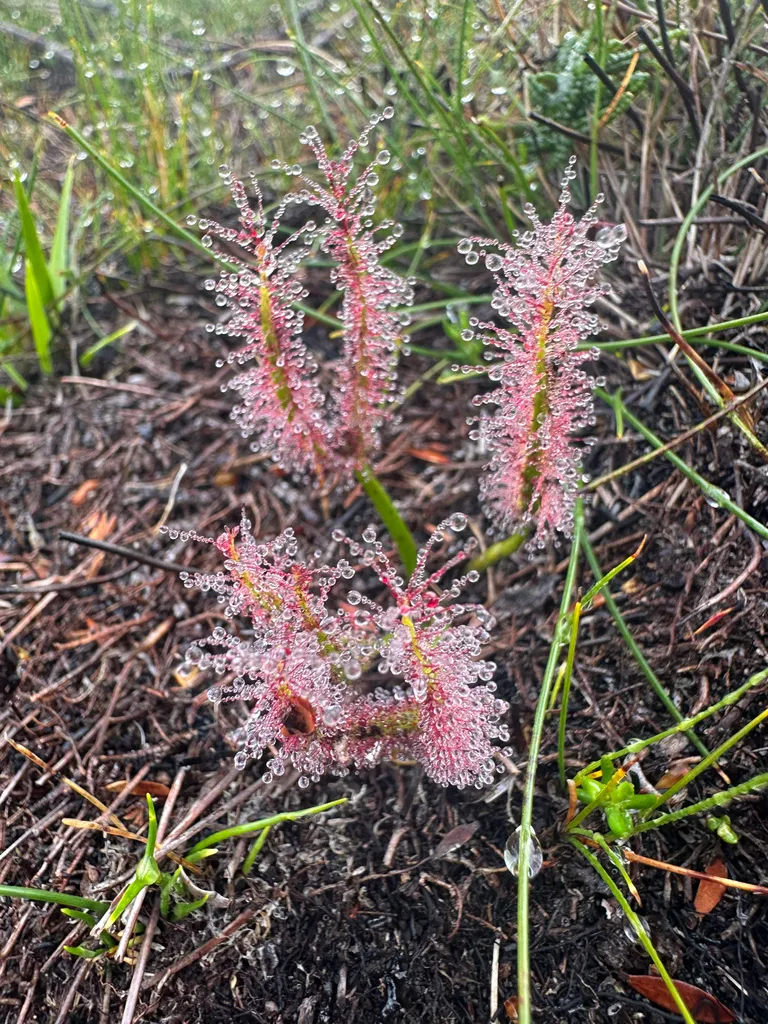
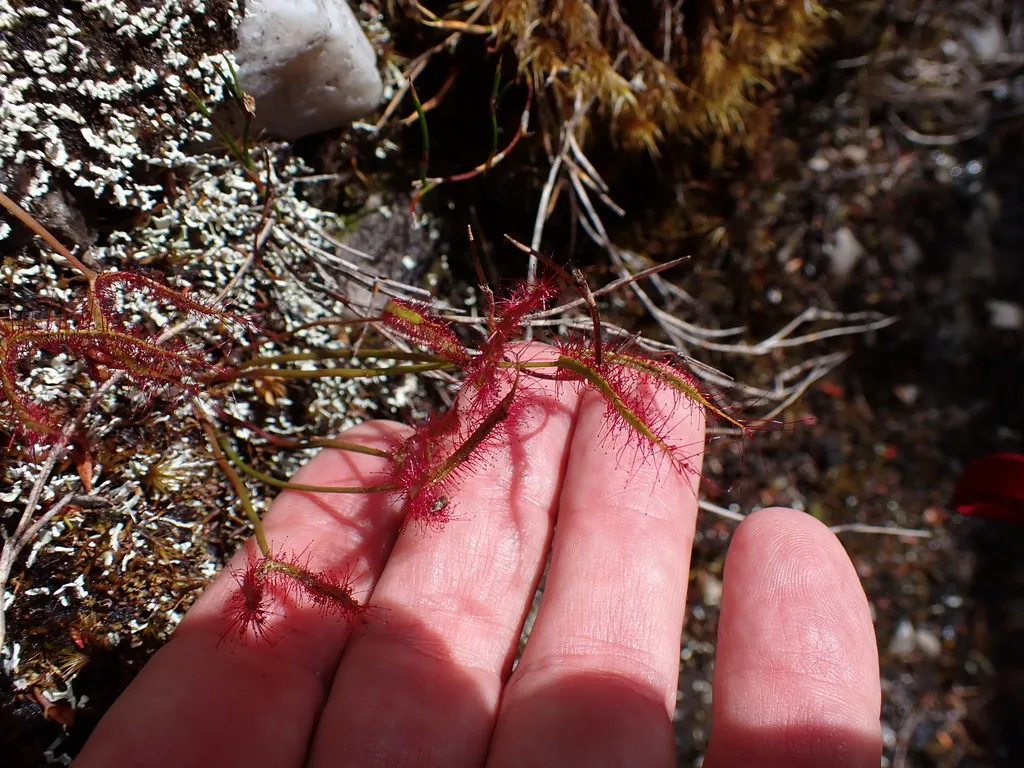
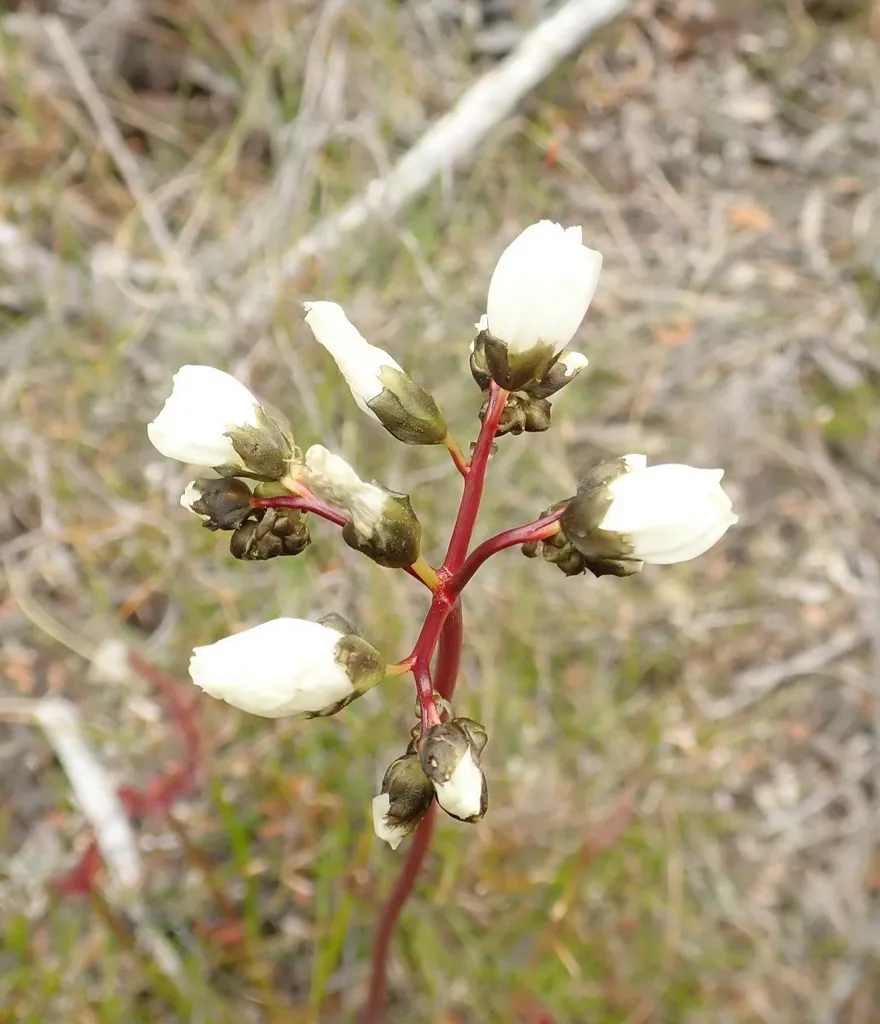
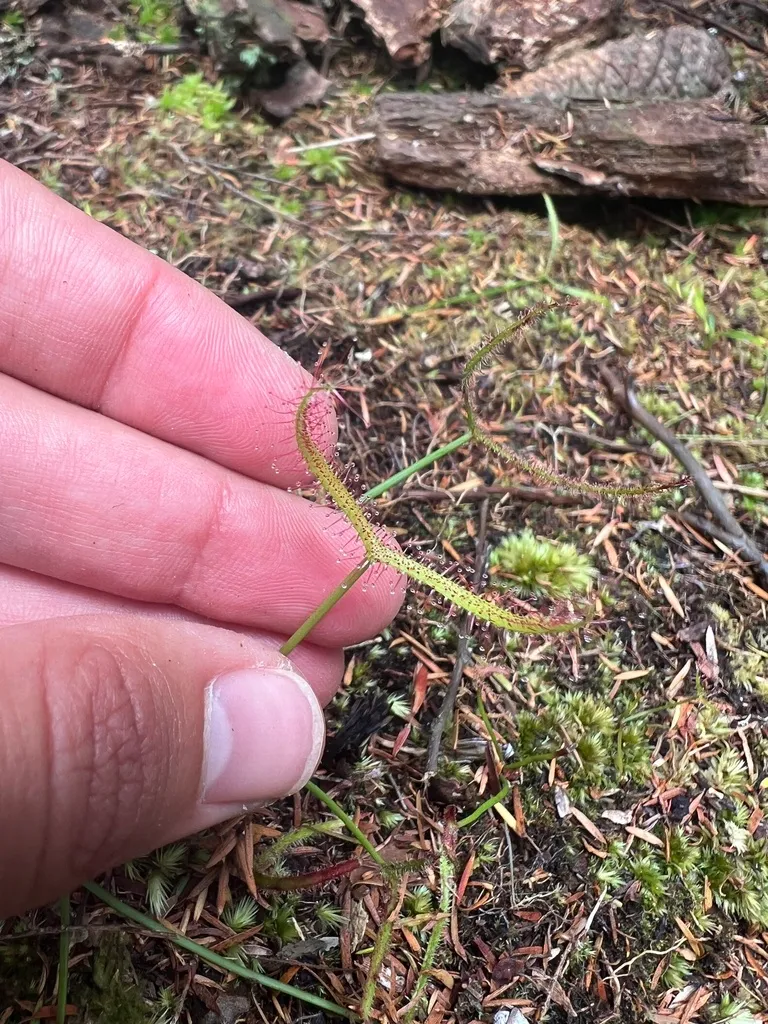
An insectivorous perennial with slender, forked leaves densely covered with red, glandular hairs, which are used to trap and digest insects. In summer it produces white flowers held in clusters above the foliage
Scientific classification
- Species
- double-leaved sundew (Drosera binata)
- Genus
- Drosera
- Family
- Droseraceae
- Information to be completed
- Toxicity
- Information to be completed
- Plant type
- 0.1-0.5 metres
- Height
- 0.1-0.5 metres
- Spread
- Deciduous
- Foliage
- Tufted
- Habit
- Spring · Summer · Autumn
- Season of interest
- Full sun
- Sunlight
- Information to be completed
- Ideal temperature









double-leaved sundew pictures
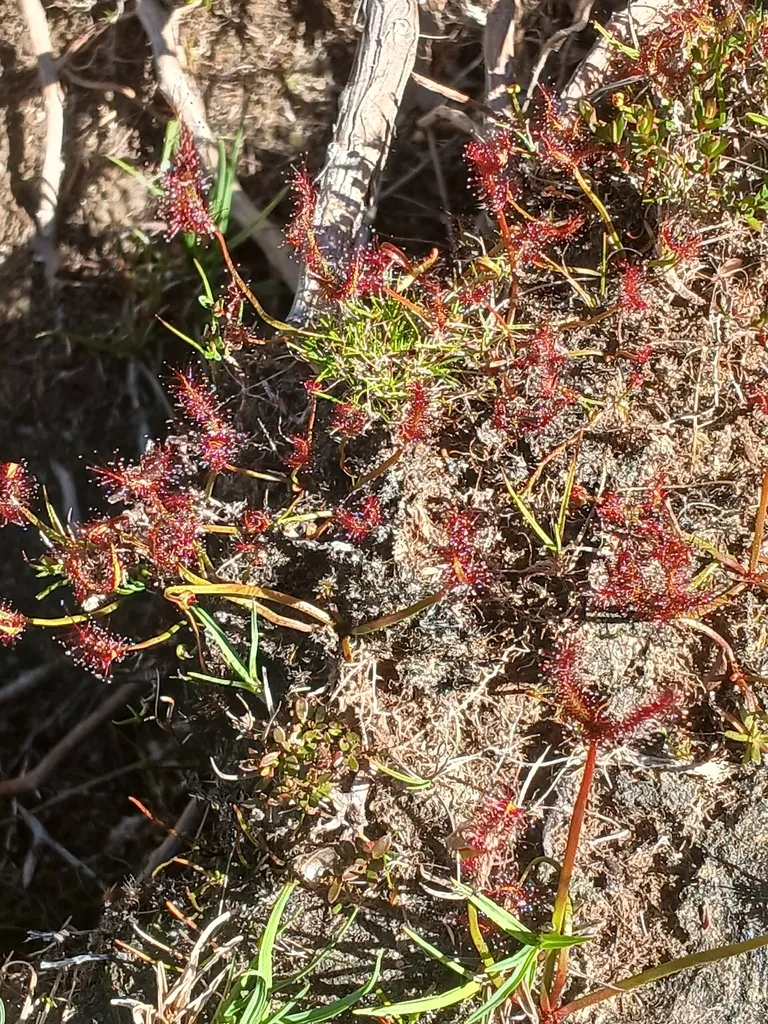
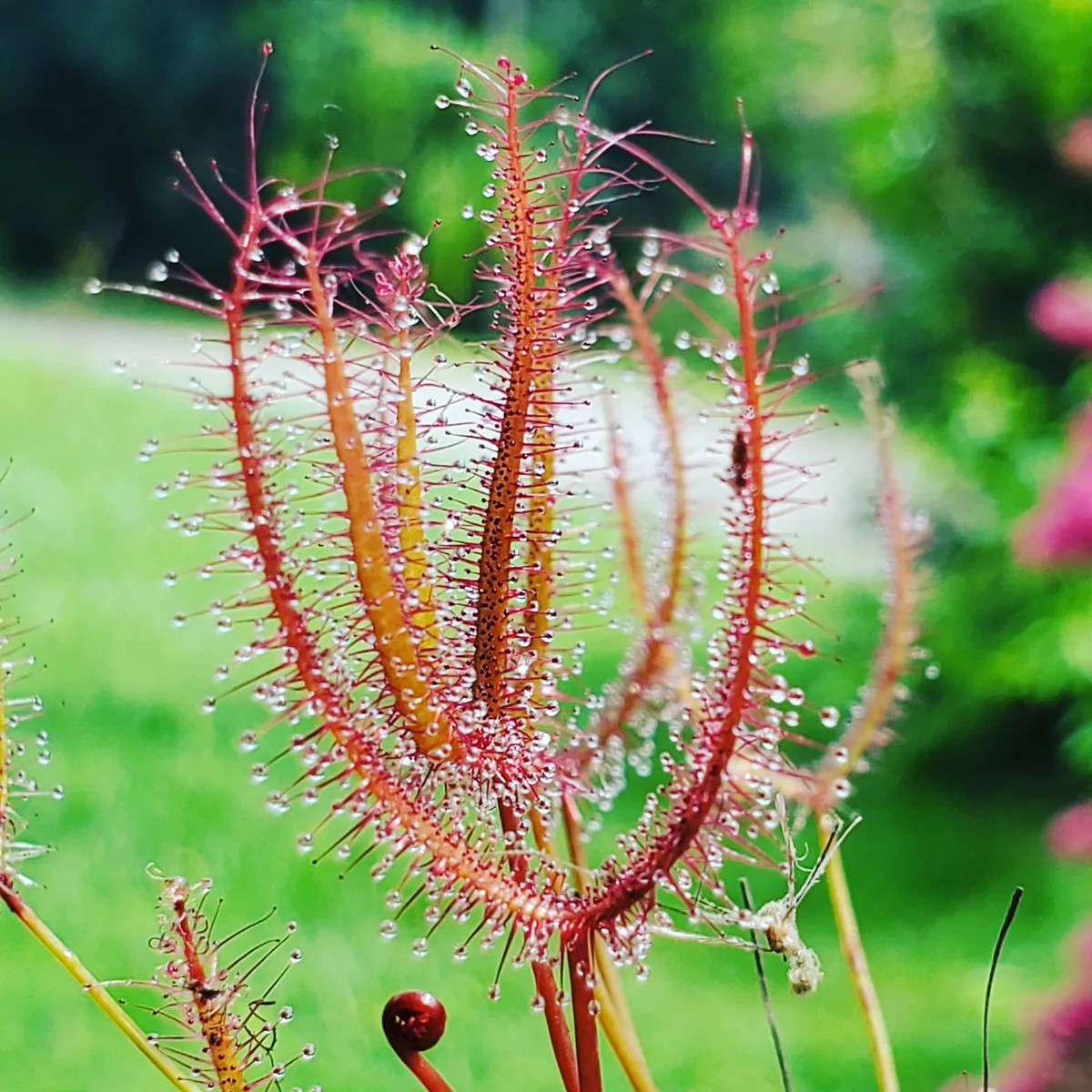
Distribution of double-leaved sundew
Distribution map
Australia
Information to be completed
Culture
Information to be completed
Toxicity
Information to be completed
Quick identification of double-leaved sundew
Information to be completed
double-leaved sundew care guide
- Maintain constantly damp peat substrate with pure rainwater
- Watering
- Full sun
- Sunlight
- Information to be completed
- Ideal temperature

Watering
Maintain constantly damp peat substrate with pure rainwater
Fertilizing
 Fertilizing
No fertilizer needed; carnivorous plant absorbs insect nutrients
Pruning
 Pruning
Trim off faded top growth in late autumn
Propagation
 Propagation
Propagate by sowing seed as soon as ripe, or by root cuttings when dormant
Growing
 Growing
Under glass, grow in mix of equal parts fertiliser-free peat substitute and sand, in full light with shade from hot sun. The compost should be kept continually moist in the growing season by standing the container in a tray of soft (lime-free) water, such as rainwater. During the winter, plants enter a period of dormancy so keep plants moist, not sodden. Outdoors grow in wet, peaty, acidic, nutritionally poor soil in full sun. See Carnivorous plant cultivation
People also ask
Information to be completed
Common pests and diseases
Diseases
Generally disease-free
Pests
Generally pest-free
Explore the plant health library →




