
closed African lily
Also known as: Information to be completed
A clump-forming herbaceous perennial 90-150cm or more high with deciduous, rather upright, strap-shaped leaves, up to 70cm long and 2-3cm across, and stiff, upright stems topped by umbels, 10-15cm across, of hanging flowers, 2.5-4cm long, in late summer and early autumn; the flowers are in shades of blue, often purplish and sometimes very dark in colour, and are tubular with the segments barely open at the mouth
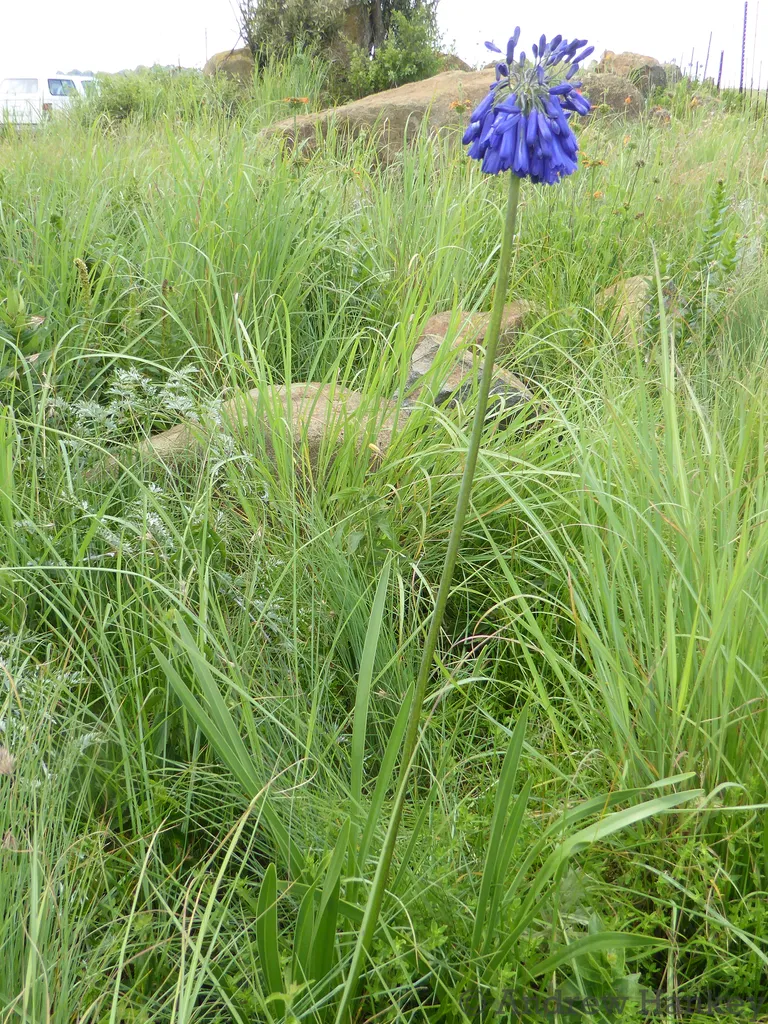
Scientific classification
- Species
- closed African lily (Agapanthus inapertus)
- Genus
- Agapanthus
- Family
- Asparagaceae
- Order
- Asparagales
- Class
- Liliopsida
- Phylum
- Magnoliophyta
- Harmful if eaten. Wear gloves and other protective equipment when handling
- Toxicity
- Herbaceous Perennial
- Plant type
- 1-1.5 metres
- Height
- 0.5-1 metres
- Spread
- Deciduous
- Foliage
- Clump forming
- Habit
- Autumn · Spring · Summer
- Season of interest
- Full sun
- Sunlight
- Information to be completed
- Ideal temperature









closed African lily pictures
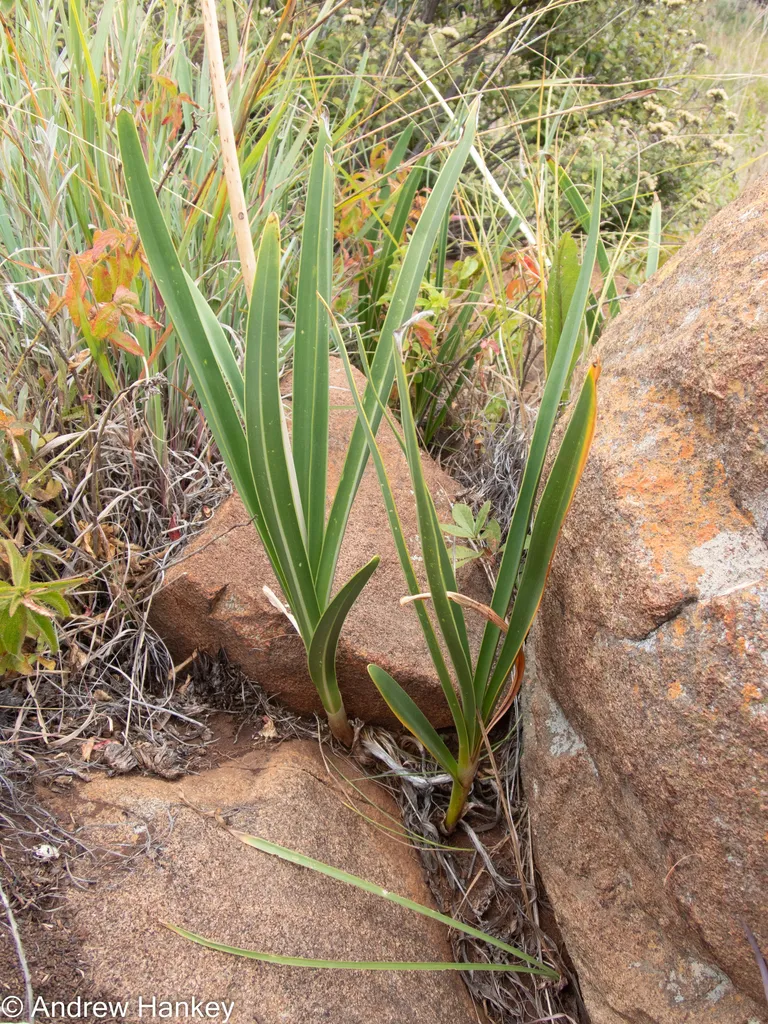
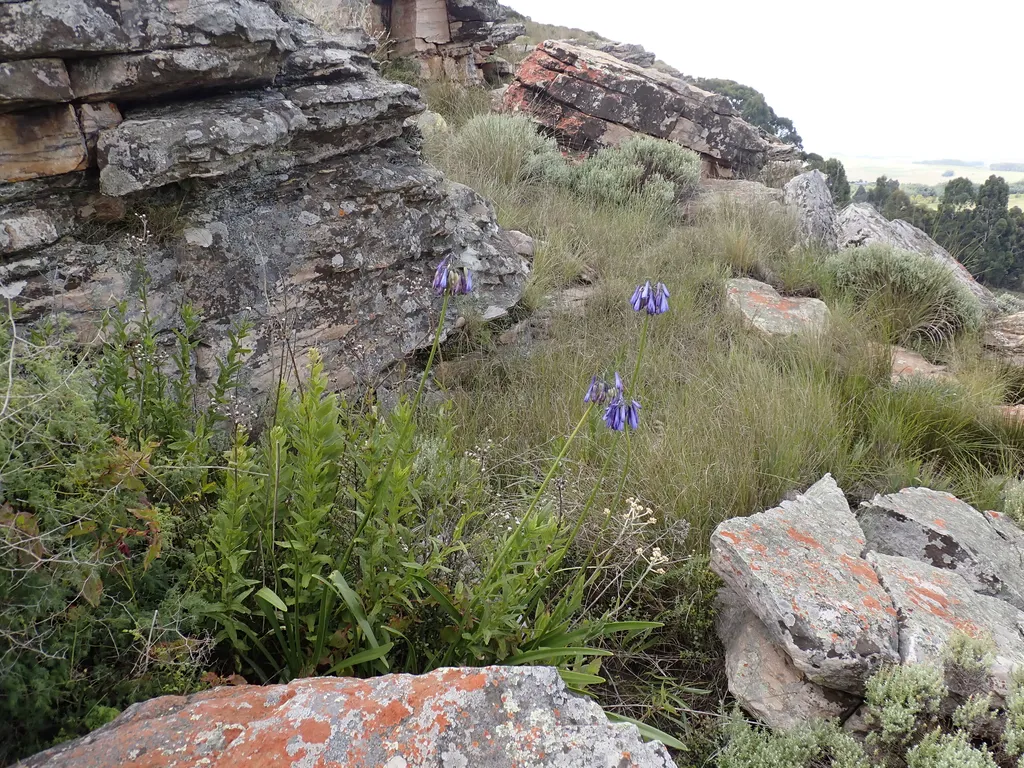
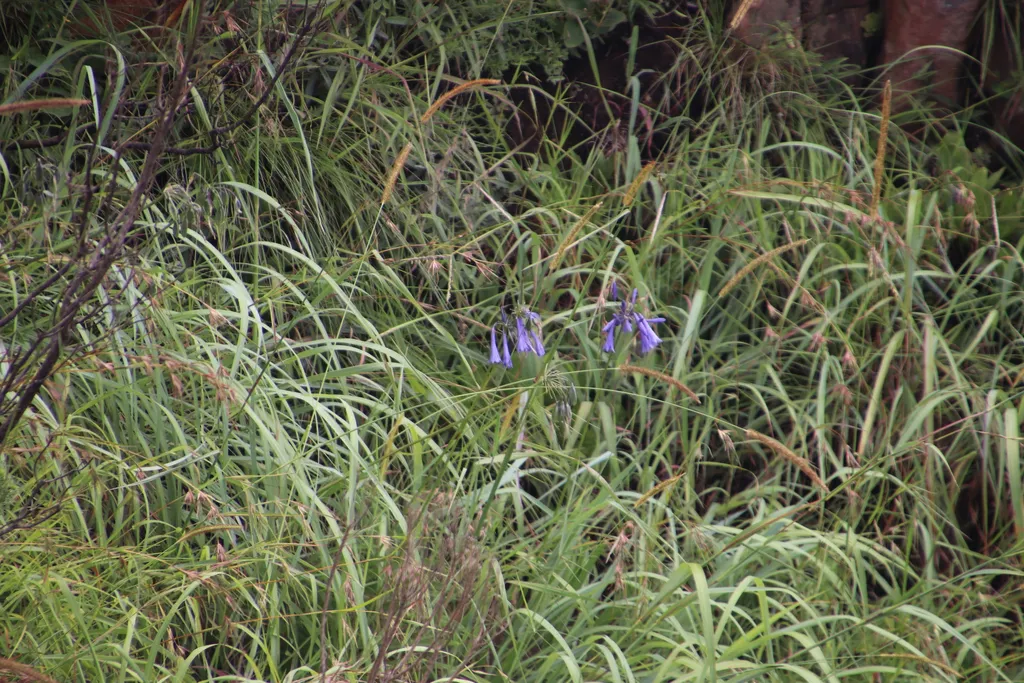
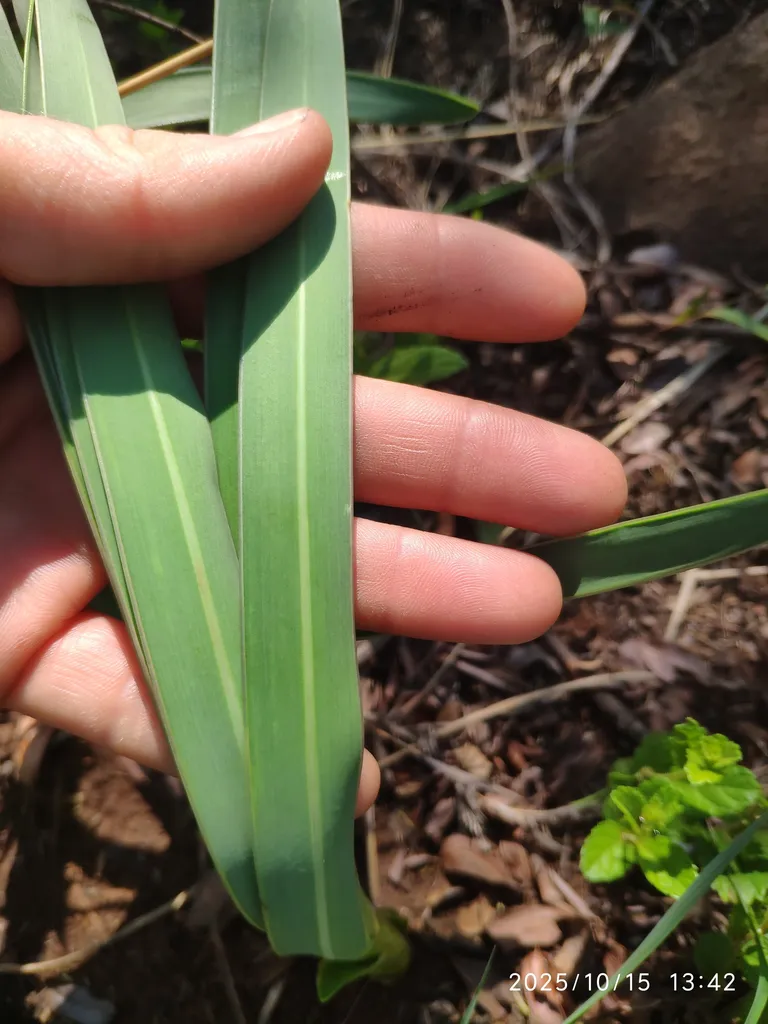
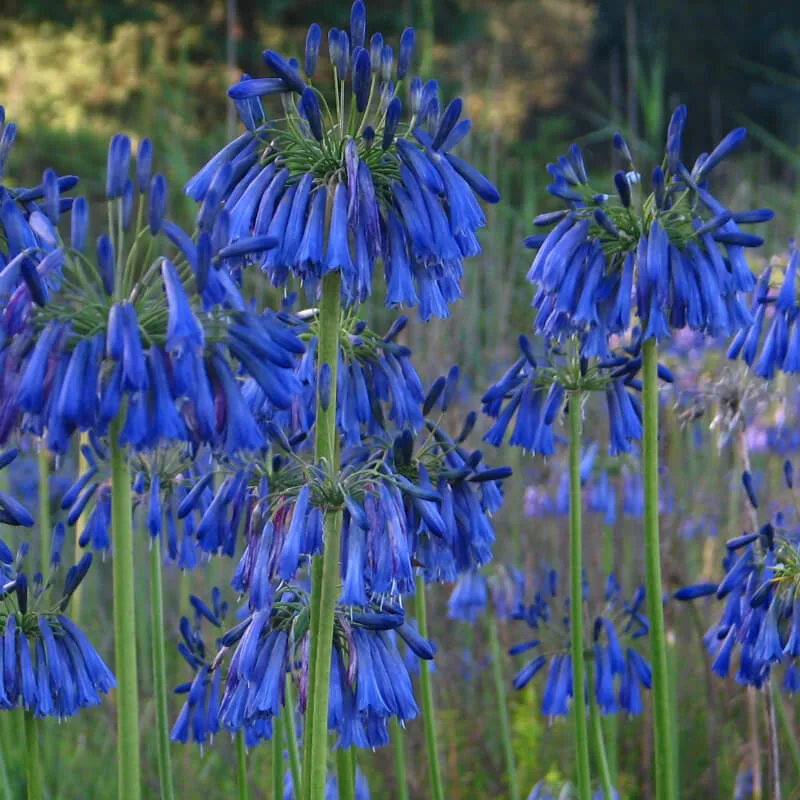
Distribution of closed African lily
Distribution map
- Native
- Introduced
- Cultivated
Source:WCVP v16 · Royal Botanic Gardens, Kew · CC BY 3.0 · Boundaries:WGSRPD / TDWG
Toxicity
Harmful if eaten. Wear gloves and other protective equipment when handling
closed African lily care guide
- Water regularly in growth, keeping soil lightly moist but well drained
- Watering
- Full sun
- Sunlight

Watering
Water regularly in growth, keeping soil lightly moist but well drained
Fertilizing
 Fertilizing
Balanced feed monthly from spring through midsummer growth
Pruning
 Pruning
No pruning required: allow flowering stems to remain, because the seedheads look attractive over winter
Propagation
 Propagation
Propagate by seed, sown at 13-15°C when ripe or in spring, and keep the seedlings in a frame for the first winter in frost-prone climates, or by division in spring
Growing
 Growing
Grow in moisture-retentive but well-drained soil in full sun, and in colder areas provide winter protection with a dry mulch; in containers, grow in loam-based compost such as John Innes No. 3, water freely when in growth but sparingly in winter, and apply a balanced liquid fertilizer monthly from spring until flowering; for more advice, see Agapanthus cultivation
Common pests and diseases
Diseases
May be susceptible to a virus
Pests
May be susceptible to slugs and snails and agapanthus gall midge but generally pest-free
Explore the plant health library →




