
brooklime
Also known as: European brooklime; horsewell grass; water pimpernell
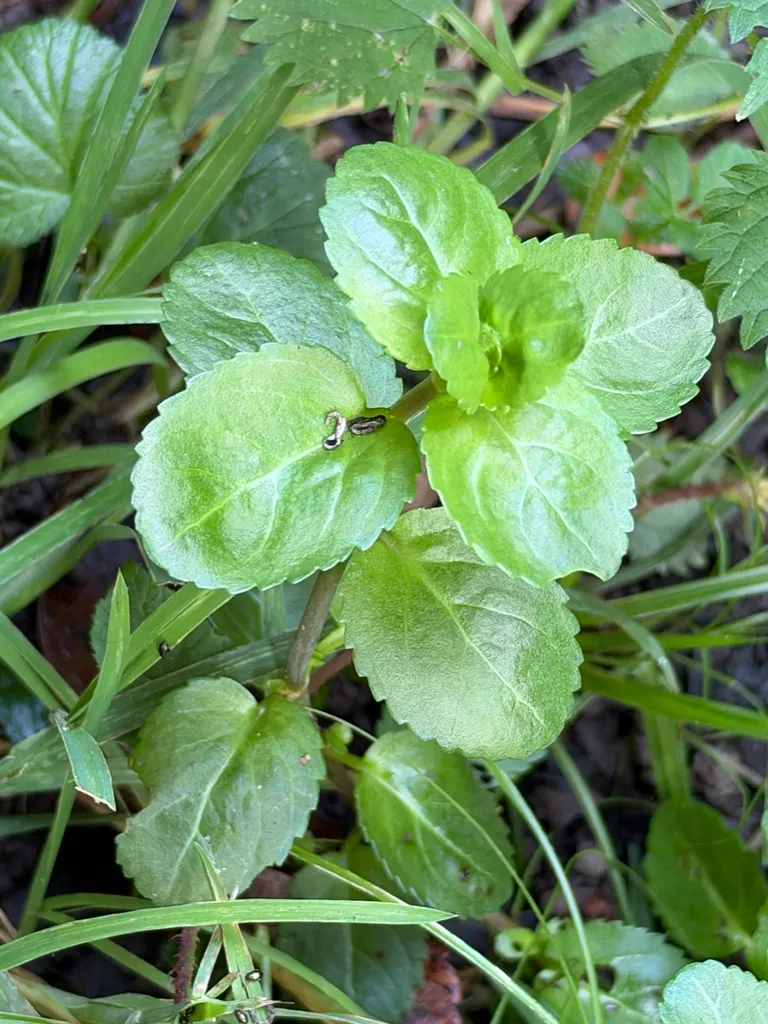
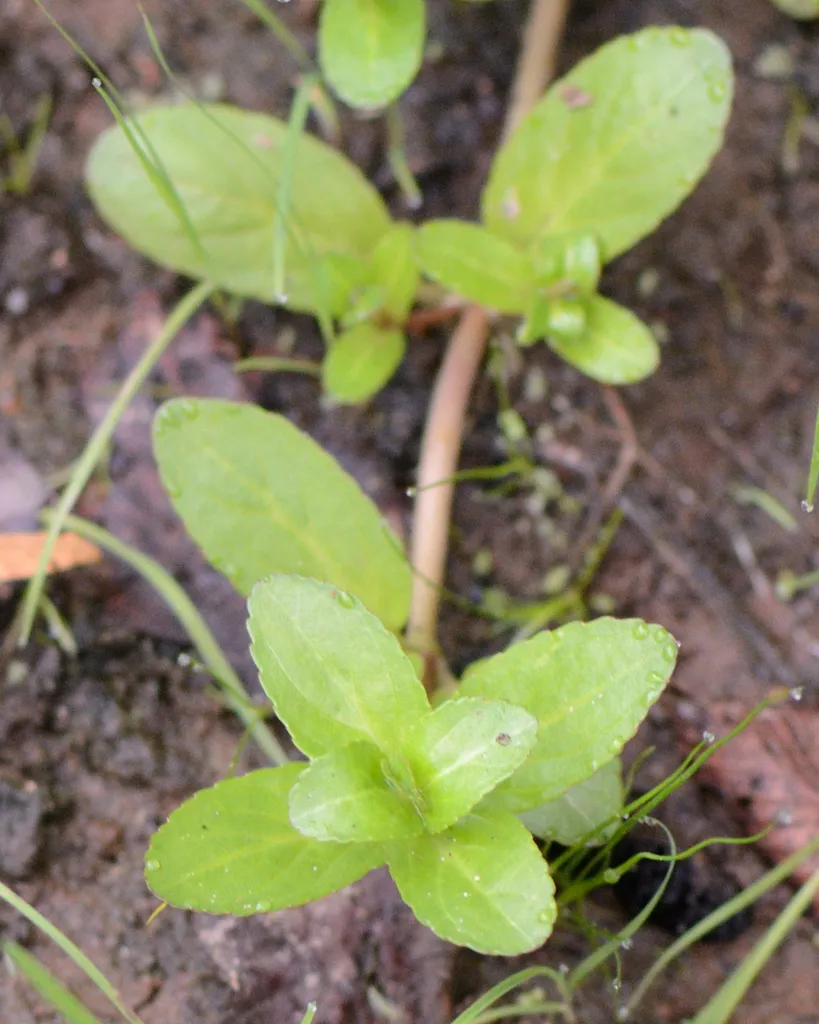
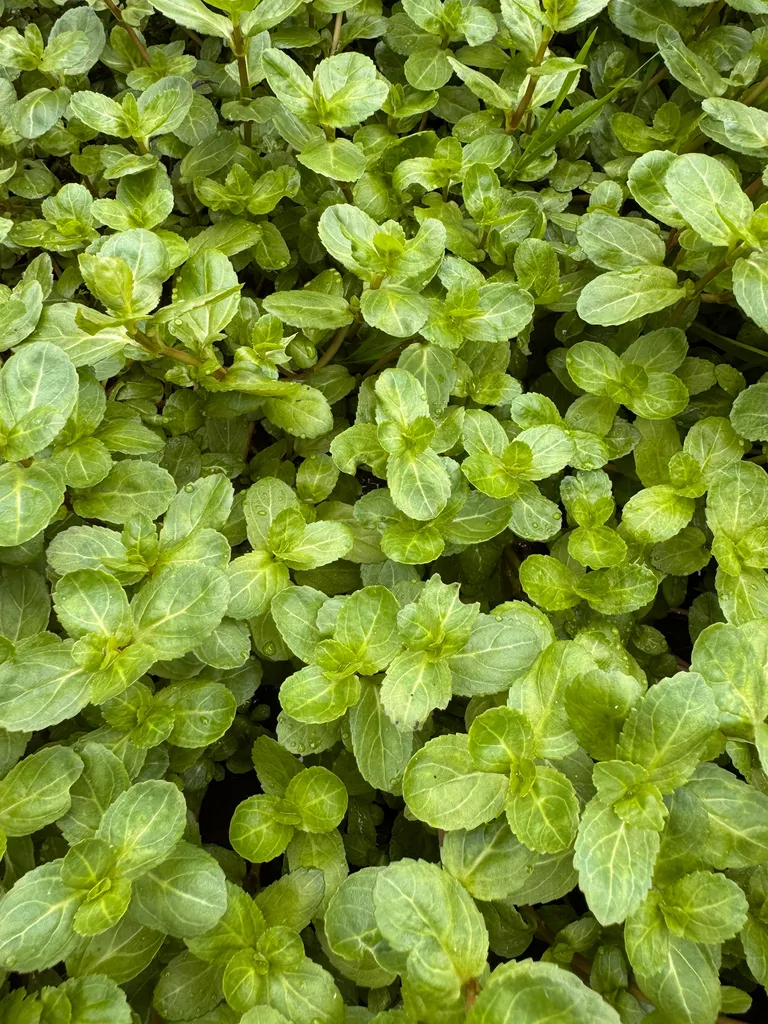
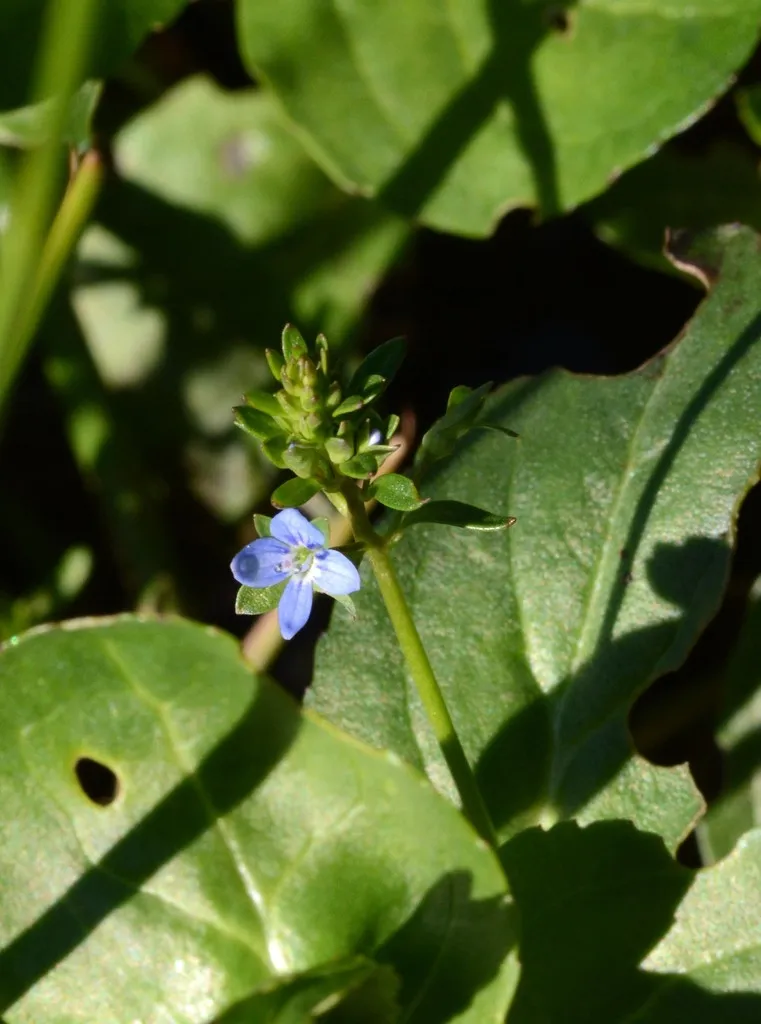
A marginal, aquatic perennial with creeping, hollow stems, rooting as they spread, and usually evergreen, rounded, fleshy leaves. Short, upright spikes of small, bright blue flowers are produced from late spring to late summer
Scientific classification
- Species
- brooklime (Veronica beccabunga)
- Genus
- Veronica
- Family
- Plantaginaceae
- Information to be completed
- Toxicity
- Aquatic
- Plant type
- Up to 10 cm
- Height
- 1.5-2.5 metres
- Spread
- Evergreen
- Foliage
- Trailing
- Habit
- Spring · Summer · Autumn · Winter
- Season of interest
- Full sun
- Sunlight
- Information to be completed
- Ideal temperature









brooklime pictures
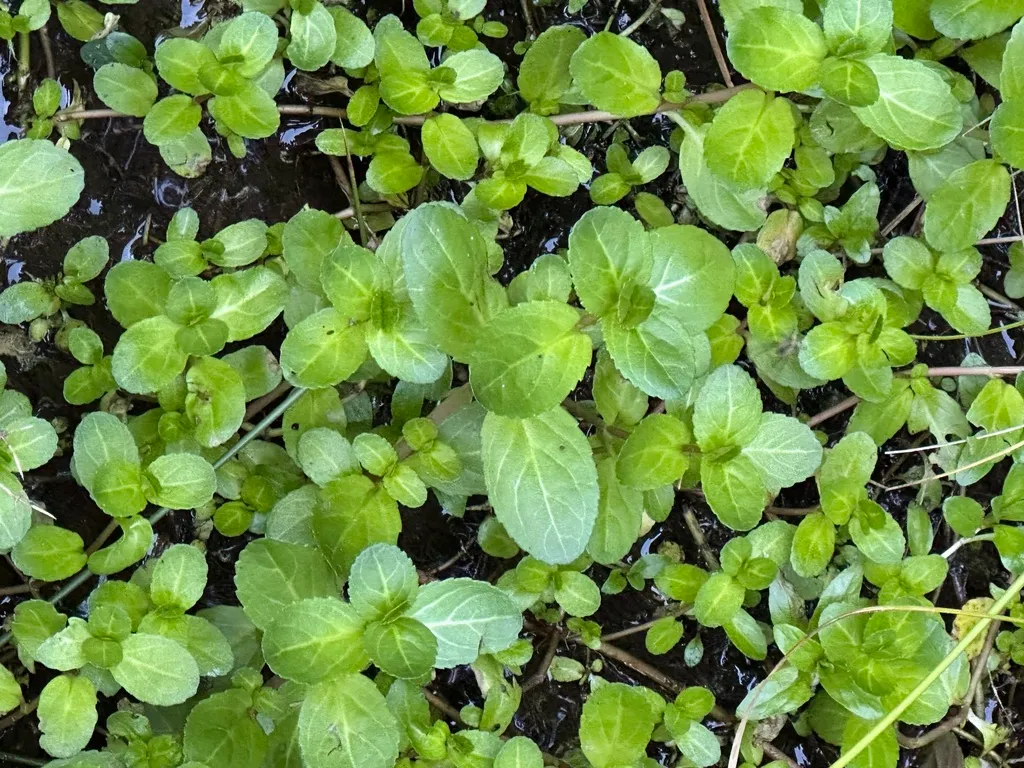
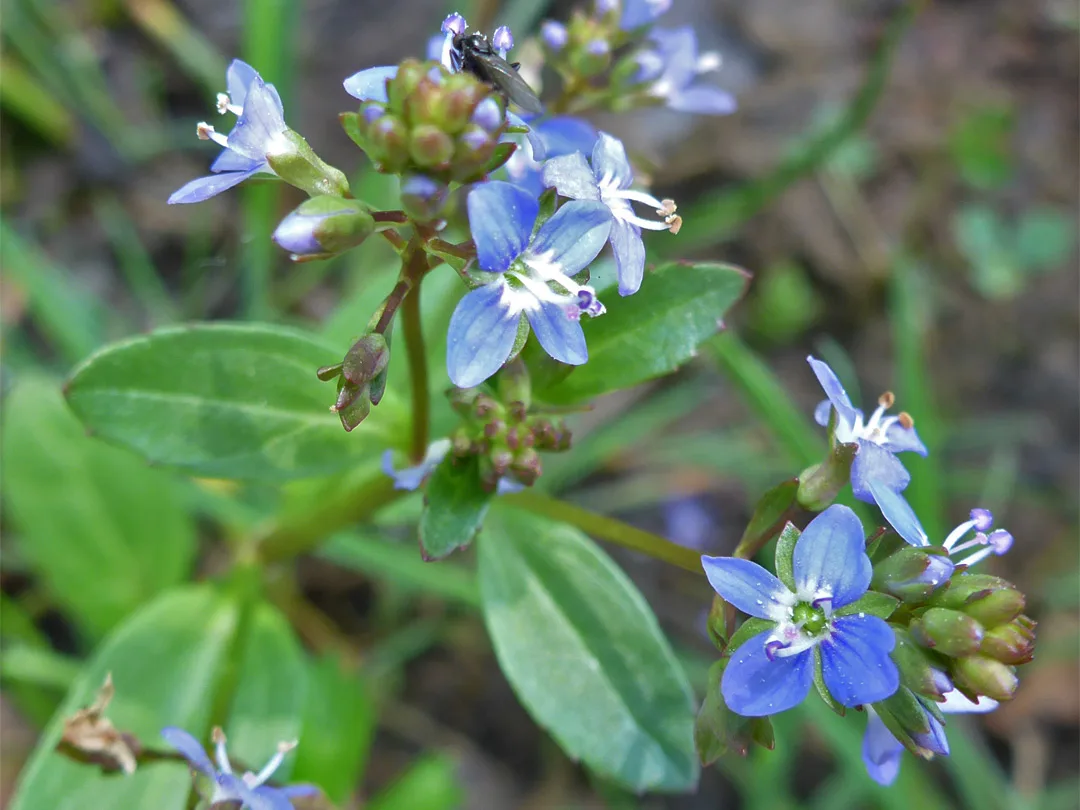
Distribution of brooklime
Distribution map
Information to be completed
Information to be completed
Culture
Information to be completed
Toxicity
Information to be completed
Quick identification of brooklime
Information to be completed
brooklime care guide
- Moderate regular watering, allowing brief slight drying between soakings
- Watering
- Full sun
- Sunlight
- Information to be completed
- Ideal temperature

Watering
Moderate regular watering, allowing brief slight drying between soakings
Fertilizing
 Fertilizing
Balanced perennial feed every four weeks from spring through summer
Pruning
 Pruning
No pruning needed, except to keep within bounds
Propagation
 Propagation
Propagate by division or by stem-tip cuttings
Growing
 Growing
Grow in permanently wet soil, or as an aquatic marginal in water up to 10cm deep, in full sun
People also ask
Information to be completed
Common pests and diseases
Diseases
May be susceptible to downy mildews, fungal leaf spot, fungal rot, Phytophthora and sometimes honey fungus
Pests
May be susceptible to aphids
Explore the plant health library →




