
plush plant
Also known as: chenille plant; rosy hen-and-chicks
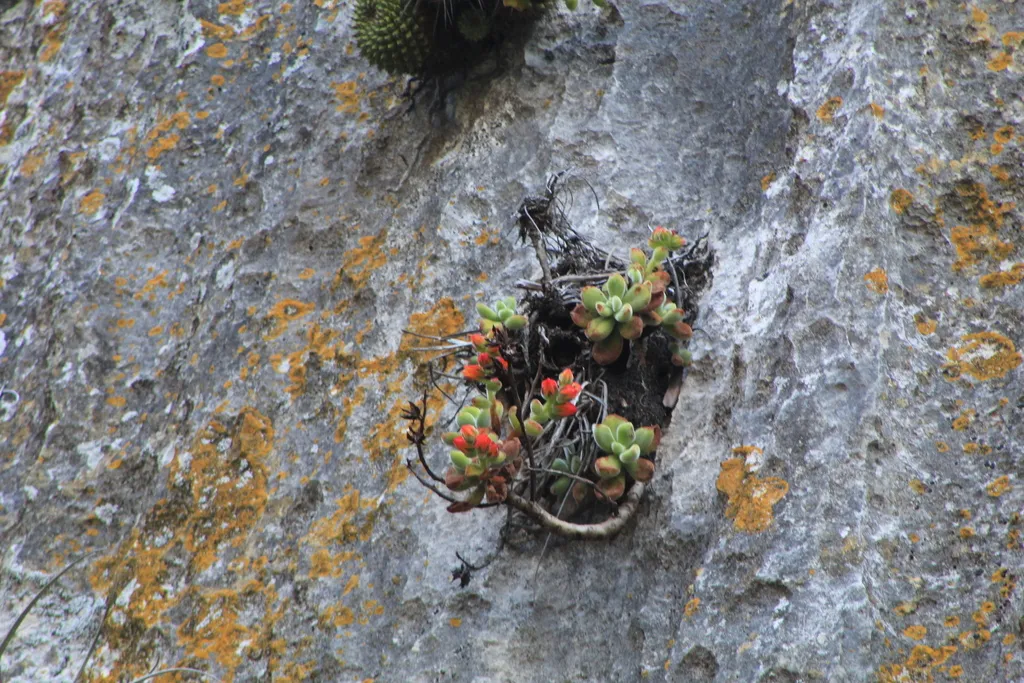
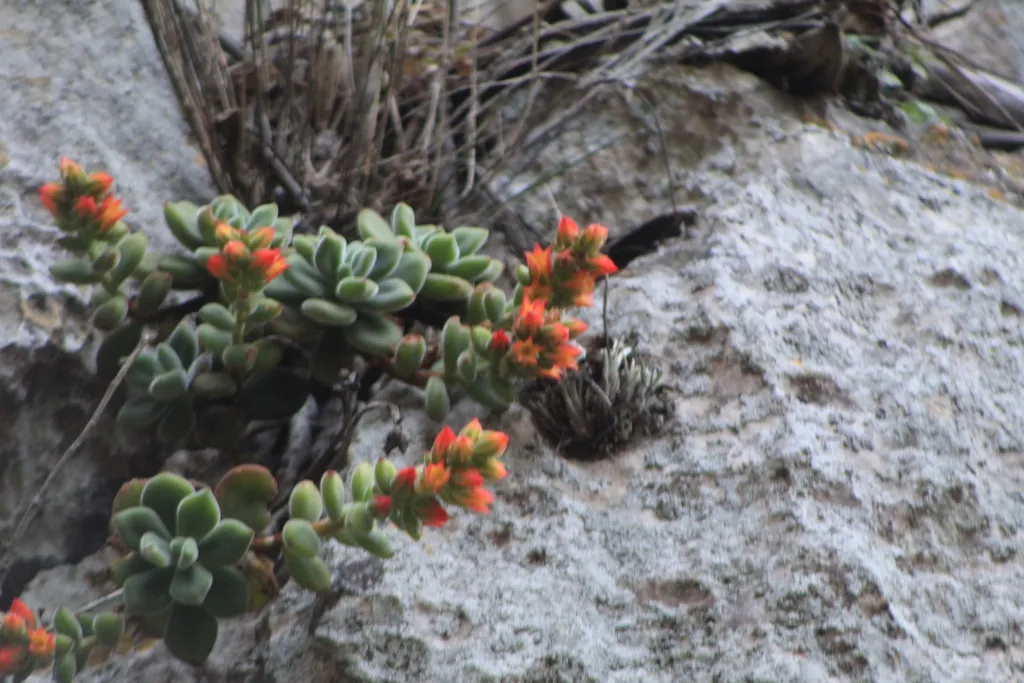
An evergreen perennial to 30cm, with rosettes of white-downy, obovate leaves tipped with red; urn-shaped red and yellow flowers in open panicles
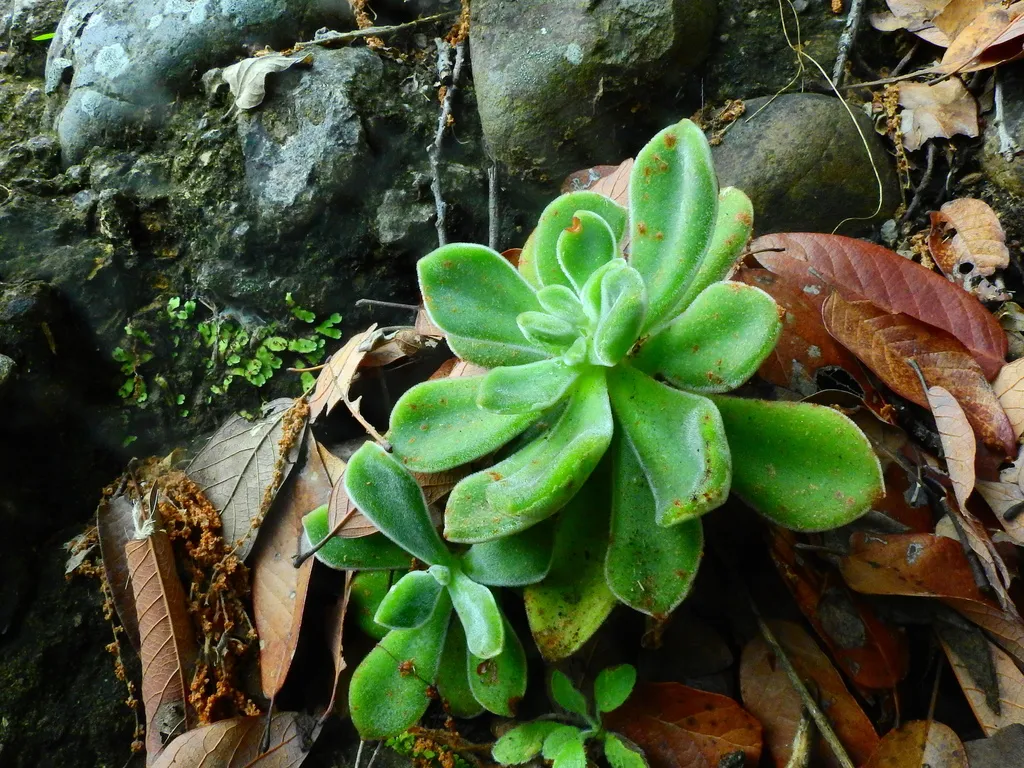
Scientific classification
- Species
- plush plant (Echeveria pulvinata)
- Genus
- Echeveria
- Family
- Crassulaceae
- Order
- Saxifragales
- Class
- Magnoliopsida
- Phylum
- Magnoliophyta
- Information to be completed
- Toxicity
- Conservatory Greenhouse · Cactus Succulent
- Plant type
- 0.1-0.5 metres
- Height
- 0.1-0.5 metres
- Spread
- Evergreen
- Foliage
- Bushy
- Habit
- Spring · Summer · Autumn · Winter
- Season of interest
- Full sun
- Sunlight
- Information to be completed
- Ideal temperature









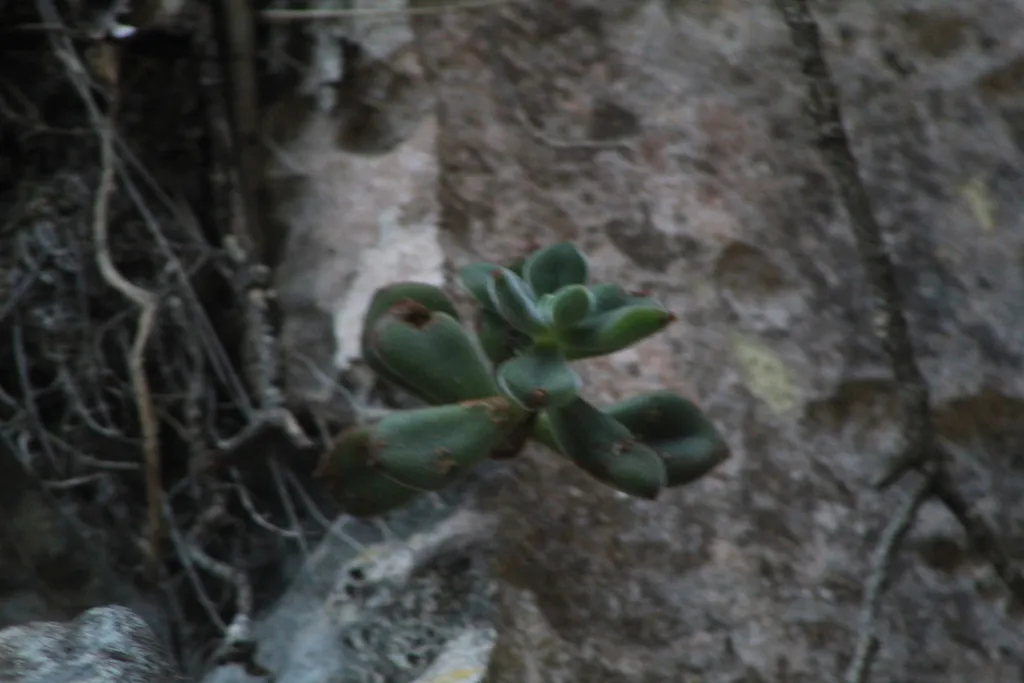
plush plant pictures
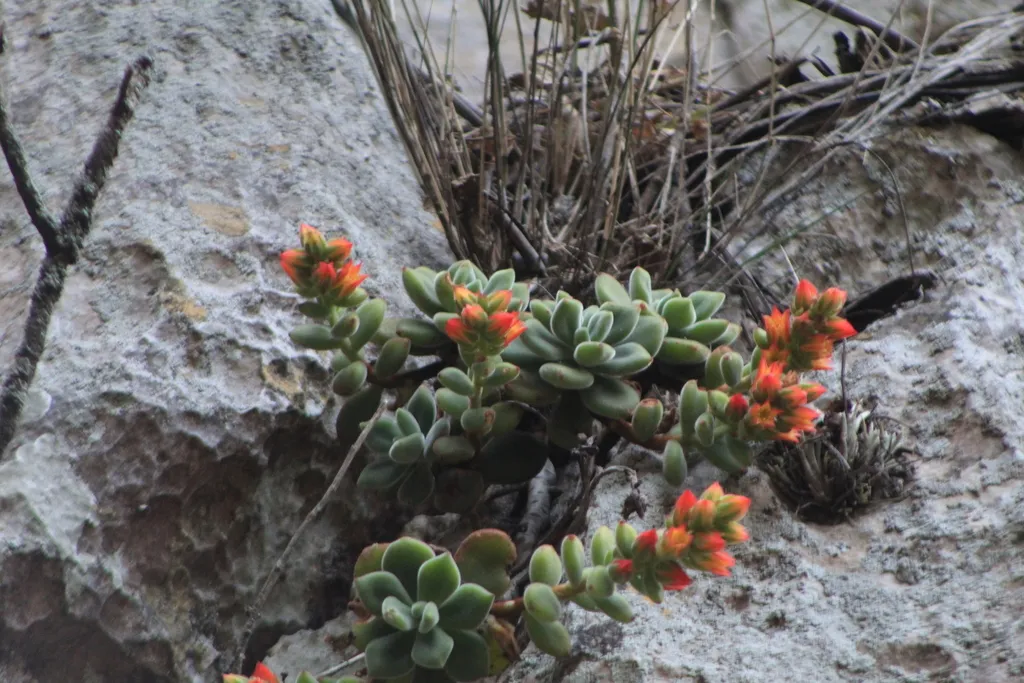
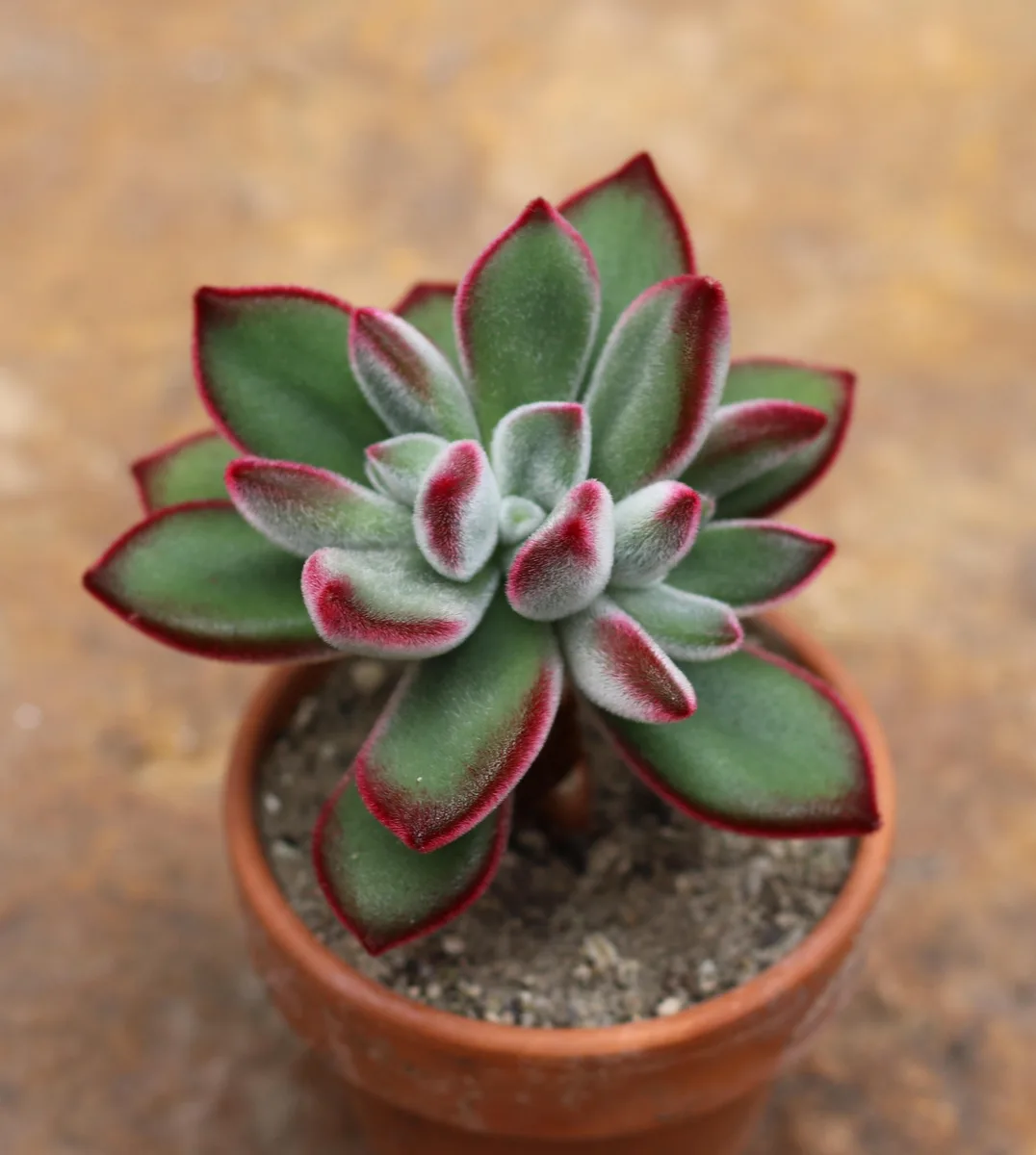
Distribution of plush plant
Distribution map
- Native
- Introduced
- Cultivated
Source:WCVP v16 · Royal Botanic Gardens, Kew · CC BY 3.0 · Boundaries:WGSRPD / TDWG
plush plant care guide
- Water thoroughly then let soil dry out completely
- Watering
- Full sun
- Sunlight

Watering
Water thoroughly then let soil dry out completely
Fertilizing
 Fertilizing
Very dilute low nitrogen feed during warm growth only
Pruning
 Pruning
No pruning required
Propagation
 Propagation
Propagate by seed sown at 15 - 18°C in early spring or stem or leaf cuttings in spring or early summer. Separate offsets in spring
Growing
 Growing
Grow under glass in a standard cactus compost, in full light. Provide low humidity. Water freely when in growth and keep just moist at other times. Apply a dilute low nitrogen fertilizer fortnightly during late spring and summer. Keep almost dry in the winter. Stand plants outside during the summer months
Common pests and diseases
Diseases
Generally disease free
Pests
May be attacked by mealybugs, vine weevil and aphids
Explore the plant health library →




