
Echinocereus pectinatus
Also known as: Information to be completed
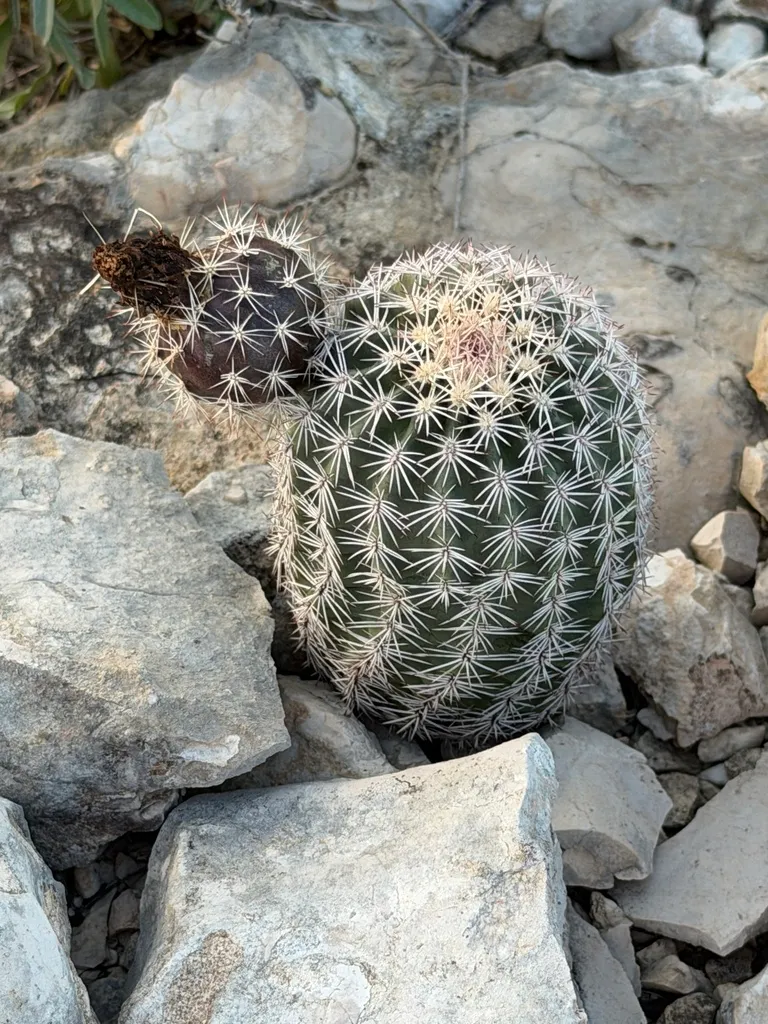
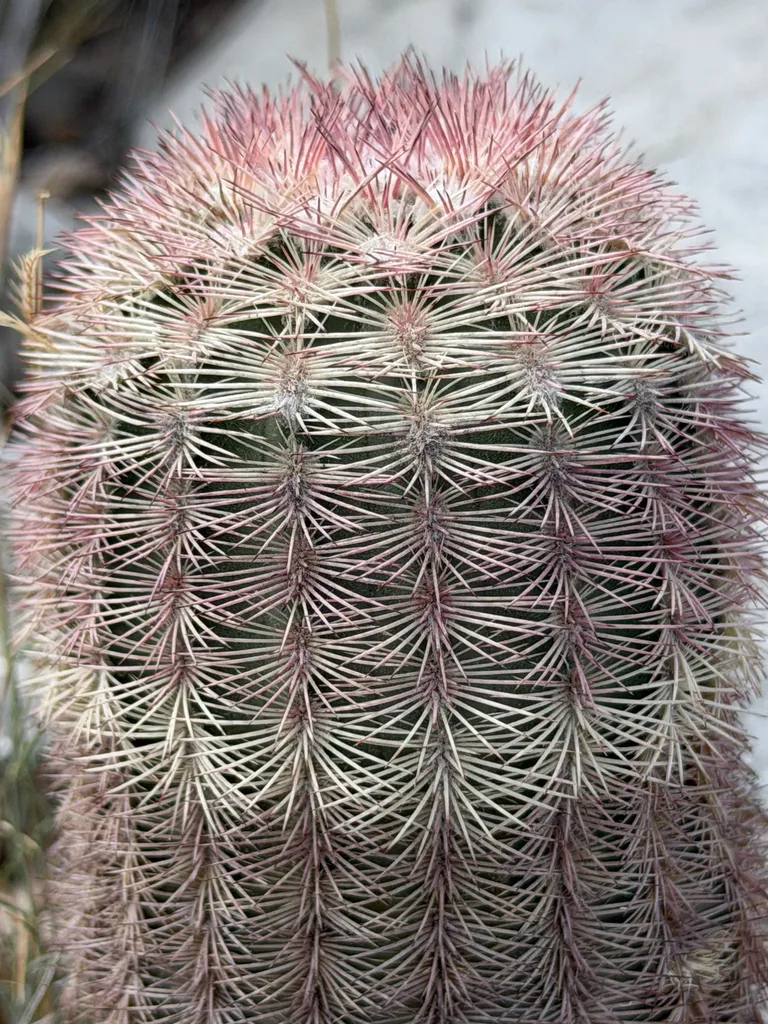
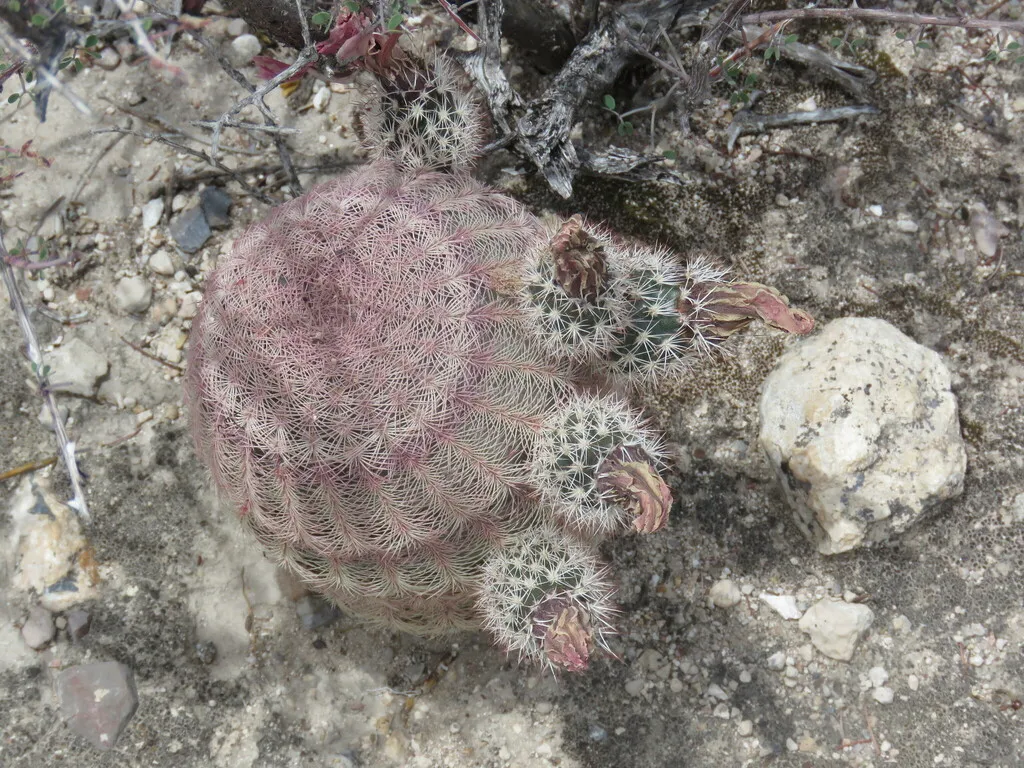
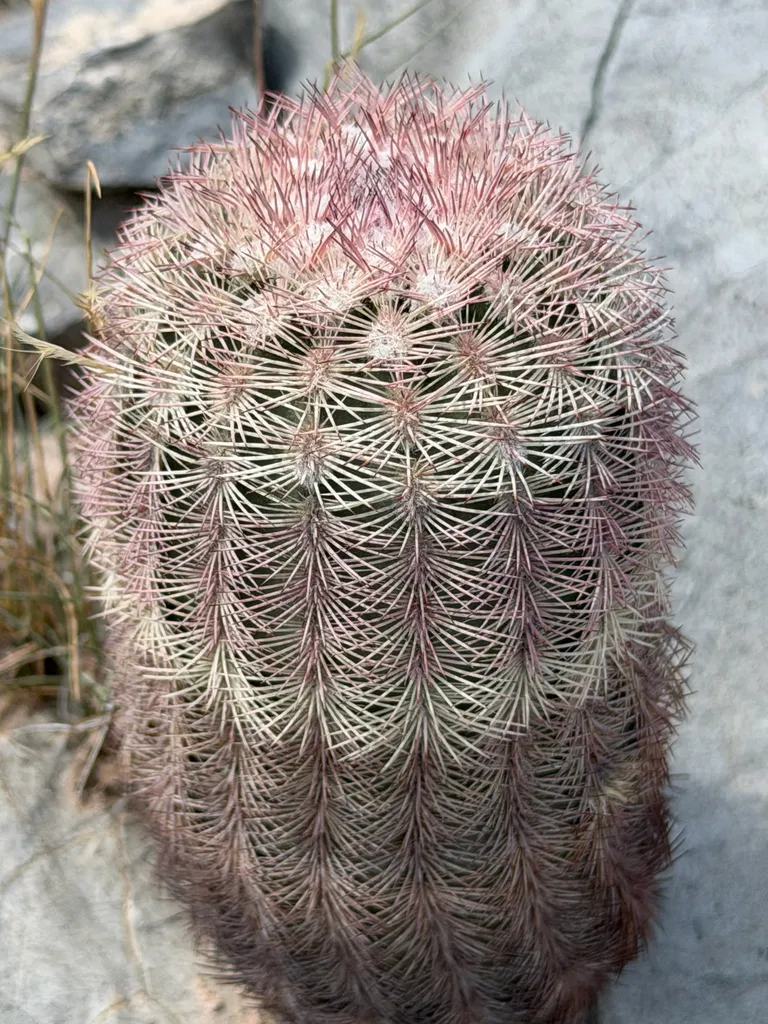
A slow-growing cactus to around 35cm, with globose or cylindrical solitary stems with interlocking yellow, pink or brown spines. May produce funnel-shaped pink, magenta, white, lavender or yellow flowers, up to 8cm long
Scientific classification
- Species
- Echinocereus pectinatus (Echinocereus pectinatus)
- Genus
- Echinocereus
- Family
- Cactaceae
- Order
- Caryophyllales
- Class
- Magnoliopsida
- Phylum
- Magnoliophyta
- Information to be completed
- Toxicity
- Cactus Succulent · Conservatory Greenhouse · Houseplants
- Plant type
- 0.1-0.5 metres
- Height
- 0.1-0.5 metres
- Spread
- Evergreen
- Foliage
- Columnar upright
- Habit
- Spring · Summer · Autumn · Winter
- Season of interest
- Full sun
- Sunlight
- Information to be completed
- Ideal temperature









Echinocereus pectinatus pictures
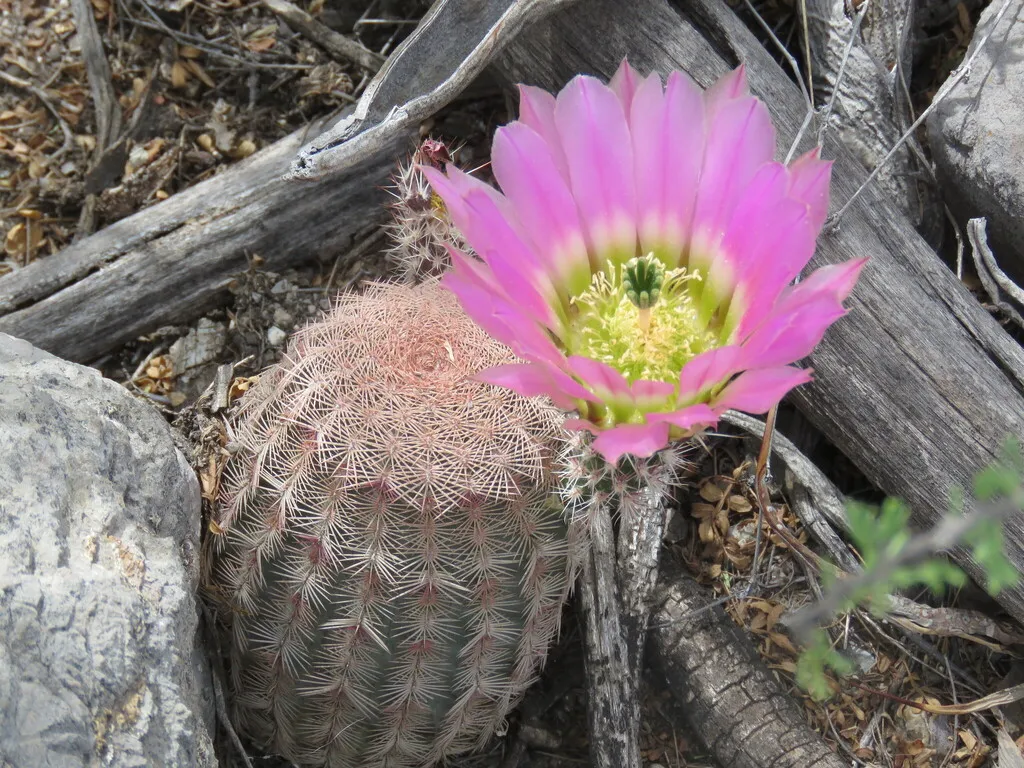
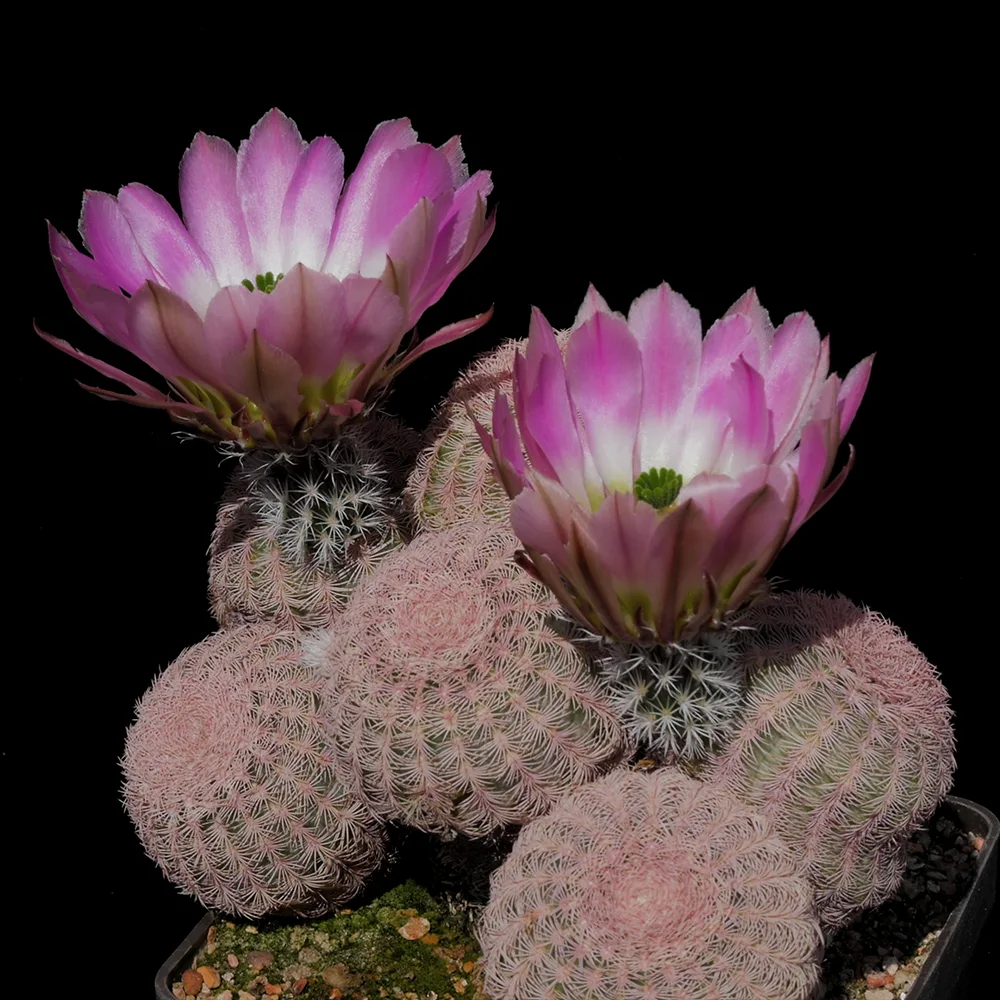
Distribution of Echinocereus pectinatus
Distribution map
- Native
- Introduced
- Cultivated
Source:WCVP v16 · Royal Botanic Gardens, Kew · CC BY 3.0 · Boundaries:WGSRPD / TDWG
Echinocereus pectinatus care guide
- Deep but infrequent watering, letting soil dry completely
- Watering
- Full sun
- Sunlight

Watering
Deep but infrequent watering, letting soil dry completely
Fertilizing
 Fertilizing
Very dilute low nitrogen cactus feed in warm growth season
Pruning
 Pruning
No pruning required
Propagation
 Propagation
Propagate by offsets or by seed. Avoid disturbing the roots
Growing
 Growing
Grow in a free-draining cactus compost in a warm and sunny position on a windowsill or in a greenhouse or conservatory. Water regularly in summer, less in colder months and feed with a cactus fertiliser during the summer. Repot every other year or so. Resents waterlogging and also root disturbance as roots are shallow and weak. See houseplant cacti and succulent cultivation for further advice
Common pests and diseases
Diseases
May be susceptible to root rot
Pests
May be susceptible to mealybugs and aphids
Explore the plant health library →




