
Geraldton wax flower
Also known as: Geraldton waxflower
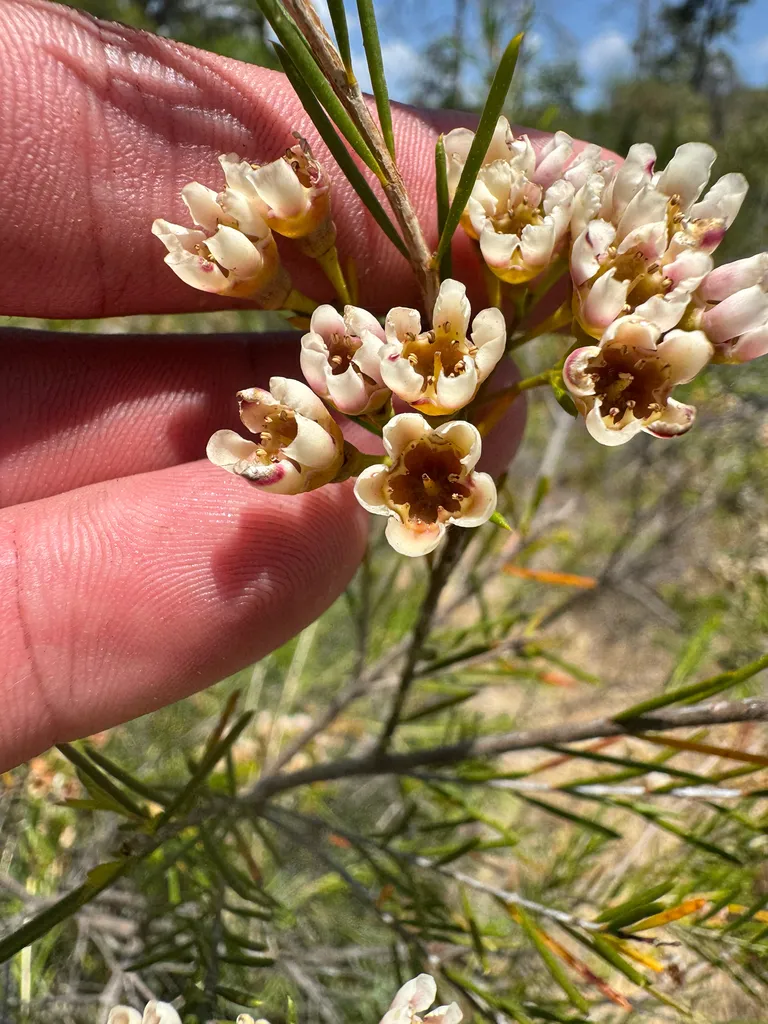
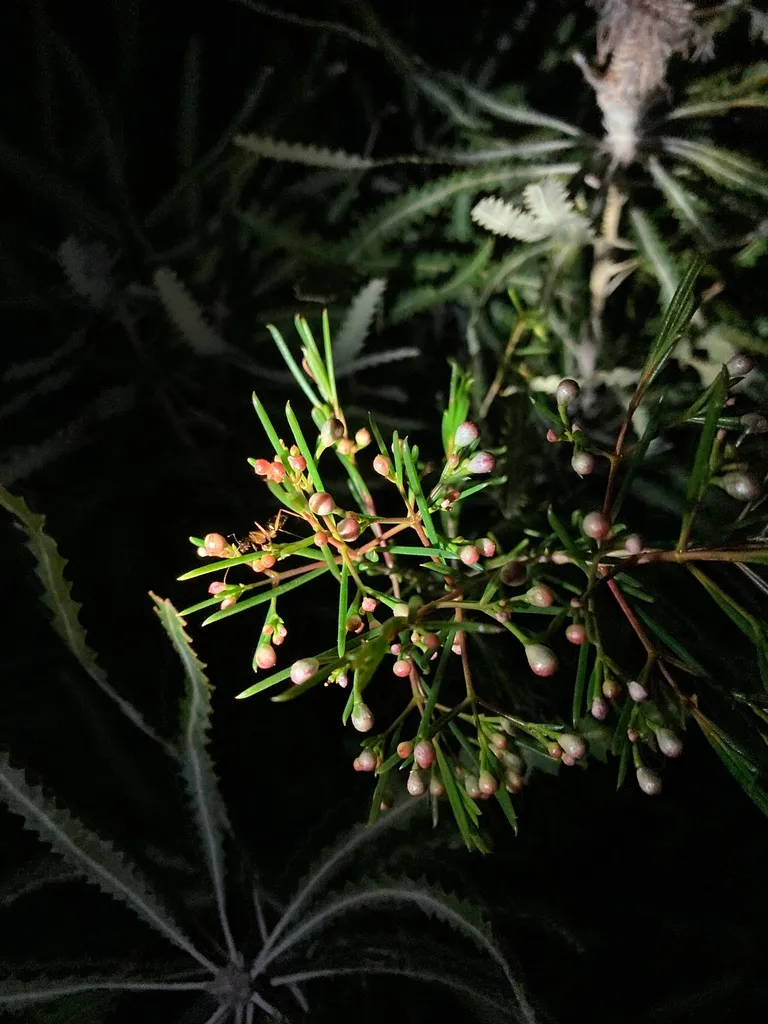
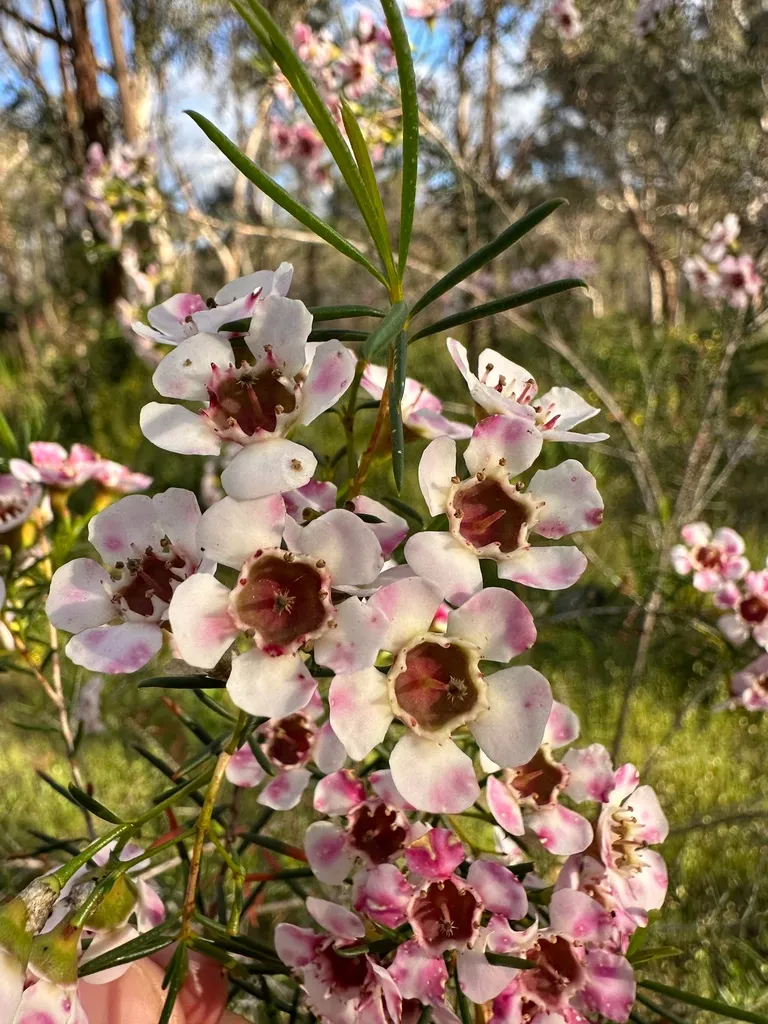
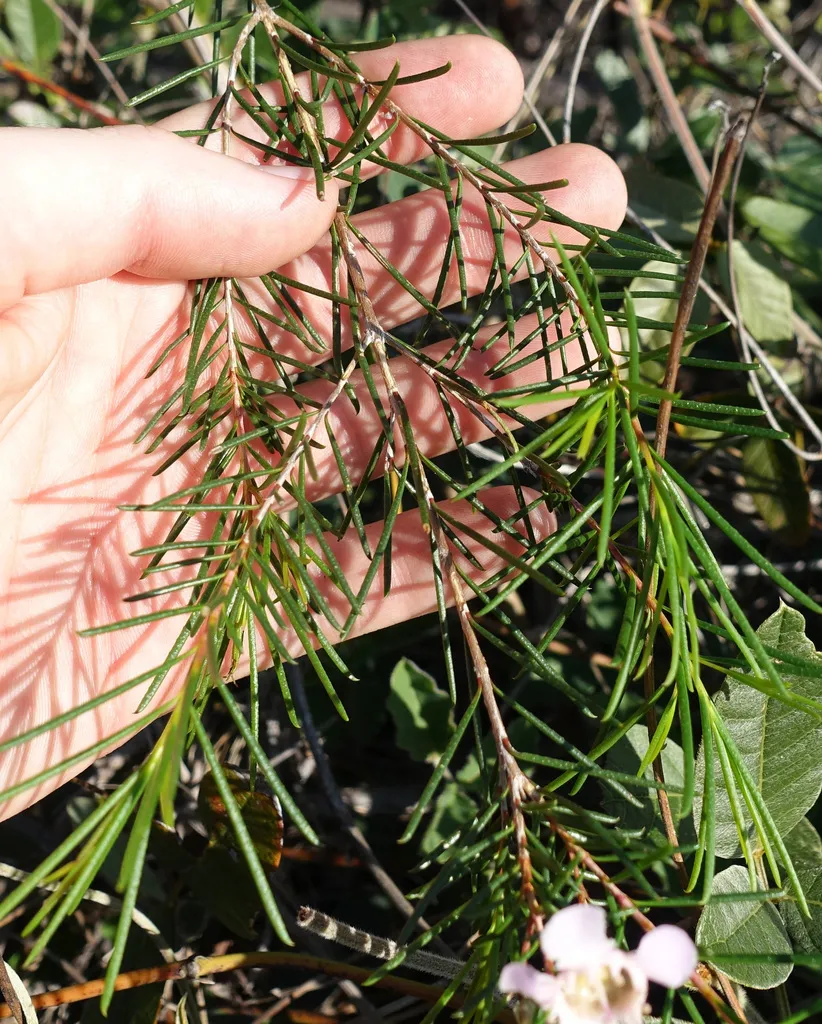
An Australian evergreen shrub with an open and spreading habit, becoming denser with age. The dark green leaves are very fine and narrow with hooked tips. Pink and white small waxy flowers are held in clusters, with an eye catching darker centre. These long lasting blooms are used as cut flowers, where you can enjoy them for a few weeks
Scientific classification
- Species
- Geraldton wax flower (Chamelaucium uncinatum)
- Genus
- Chamelaucium
- Family
- Myrtaceae
- Order
- Myrtales
- Class
- Magnoliopsida
- Phylum
- Magnoliophyta
- Information to be completed
- Toxicity
- Shrubs
- Plant type
- 2.5-4 metres
- Height
- 2.5-4 metres
- Spread
- Evergreen
- Foliage
- Columnar upright
- Habit
- Spring · Summer · Autumn · Winter
- Season of interest
- Full sun
- Sunlight
- Information to be completed
- Ideal temperature









Geraldton wax flower pictures
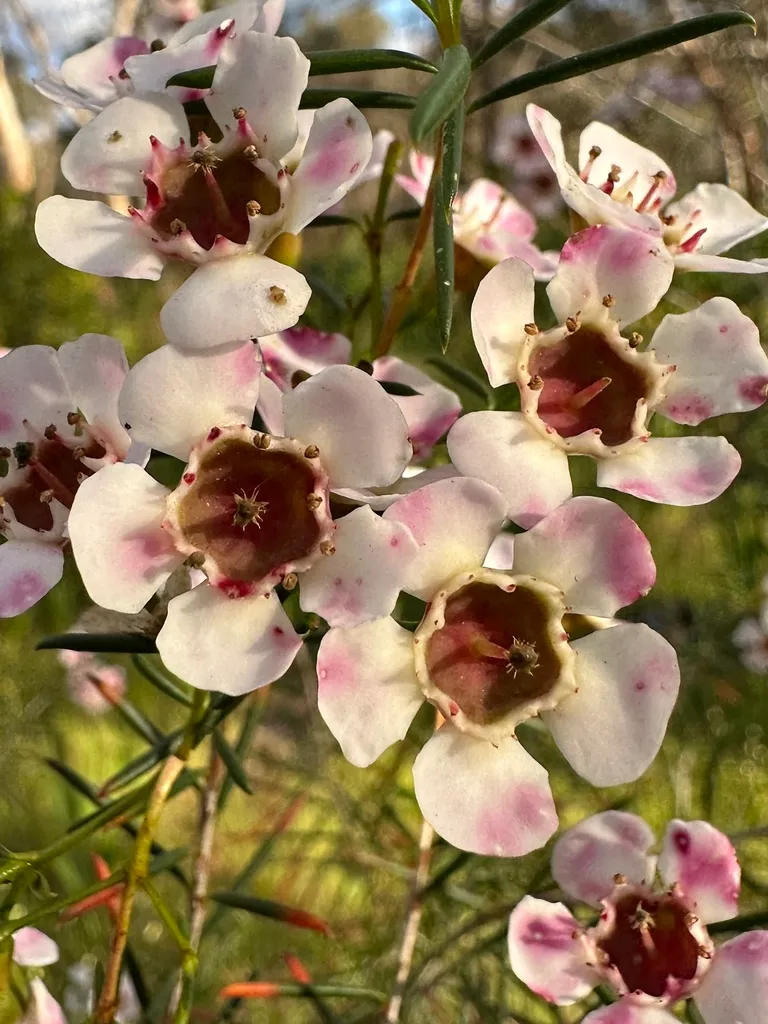
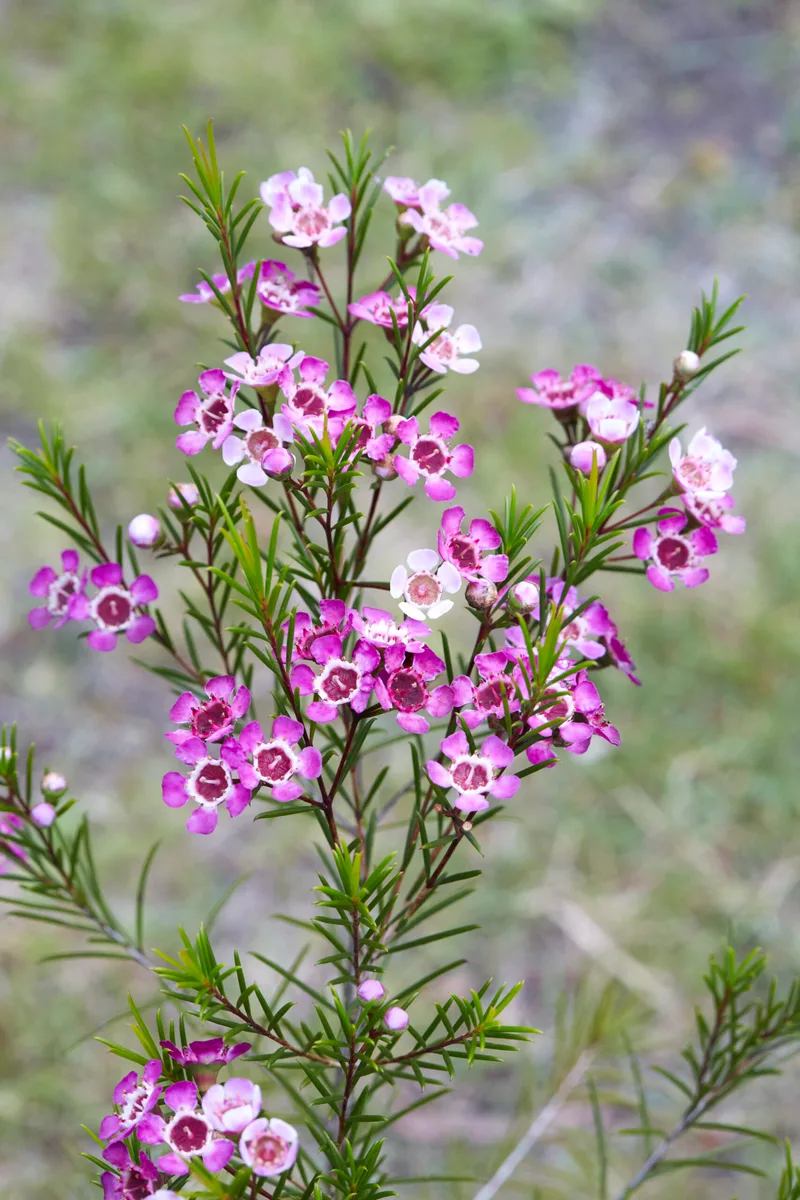
Distribution of Geraldton wax flower
Distribution map
- Native
- Introduced
- Cultivated
Source:WCVP v16 · Royal Botanic Gardens, Kew · CC BY 3.0 · Boundaries:WGSRPD / TDWG
Geraldton wax flower care guide
- Water fully only after gritty mix mostly dries, excellent drainage essential
- Watering
- Full sun
- Sunlight

Watering
Water fully only after gritty mix mostly dries, excellent drainage essential
Fertilizing
 Fertilizing
Minimal low-phosphorus native shrub feed monthly warm summer growth
Pruning
 Pruning
Usually little pruning is needed. Lightly shape if necessary, removing dead, damaged or diseased shoots. Prune after flowering has finished.
Propagation
 Propagation
Propagate by sowing seeds in spring, take greenwood cutting in early summer and semi-ripe cuttings in late summer
Growing
 Growing
Grow in poor free-draining sandy soil, in a sheltered and sunny location. They can be grown outside in very mild parts of the UK, but they need to be kept on the dry side over winter to prevent the roots from sitting too wet and rotting. Growing in a container helps to monitor the watering and makes it easier for moving indoors for winter
Common pests and diseases
Diseases
May be susceptible to root rot
Pests
Generally pest-free
Explore the plant health library →




