
ladyfinger cactus
Also known as: Information to be completed
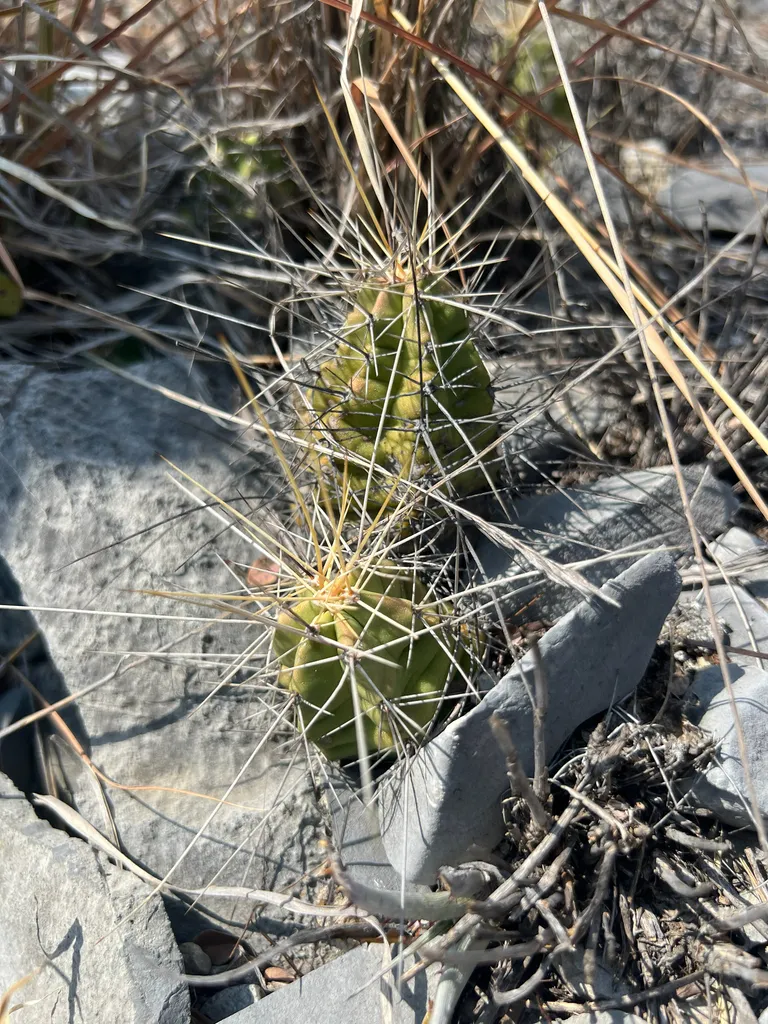
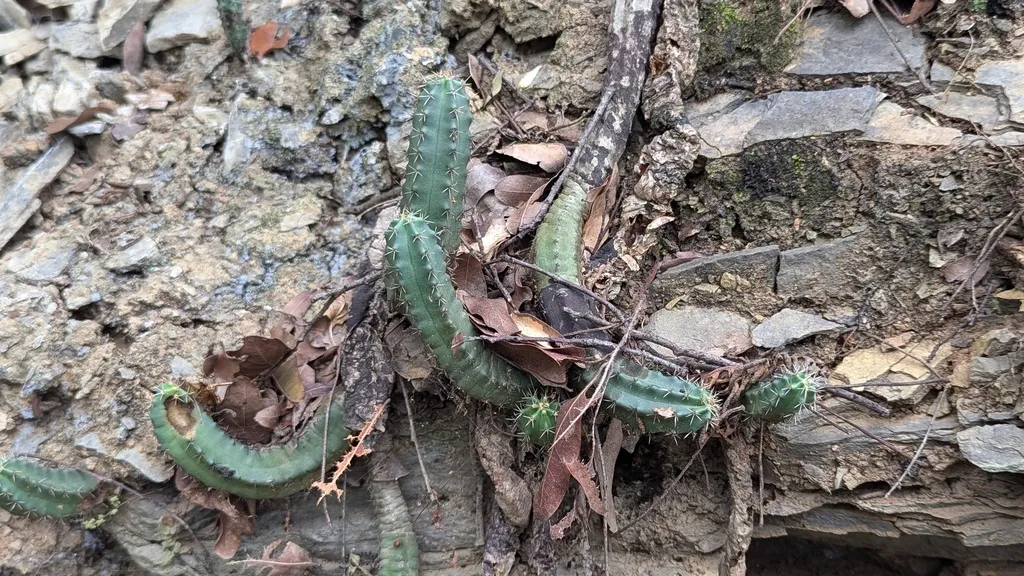
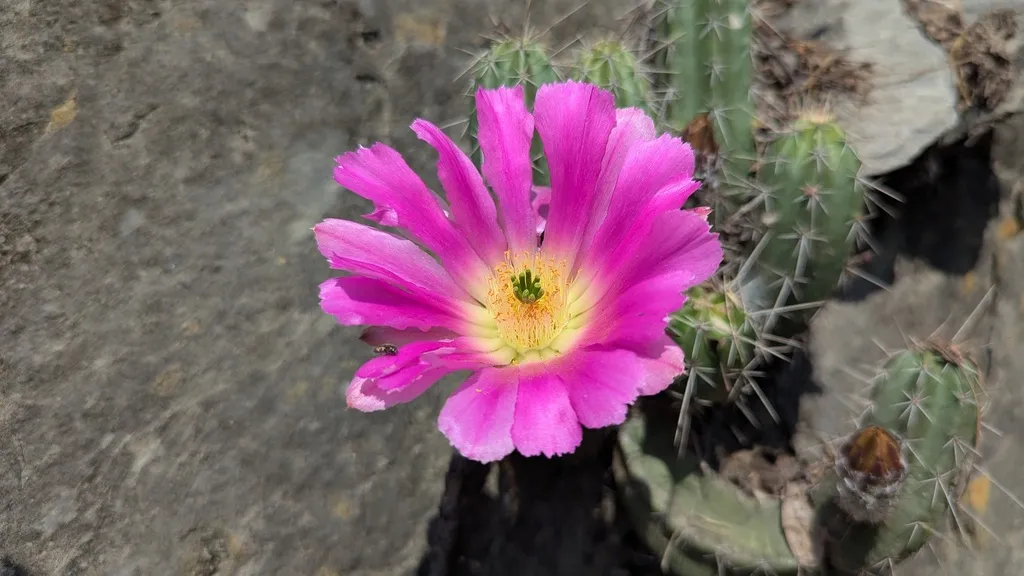
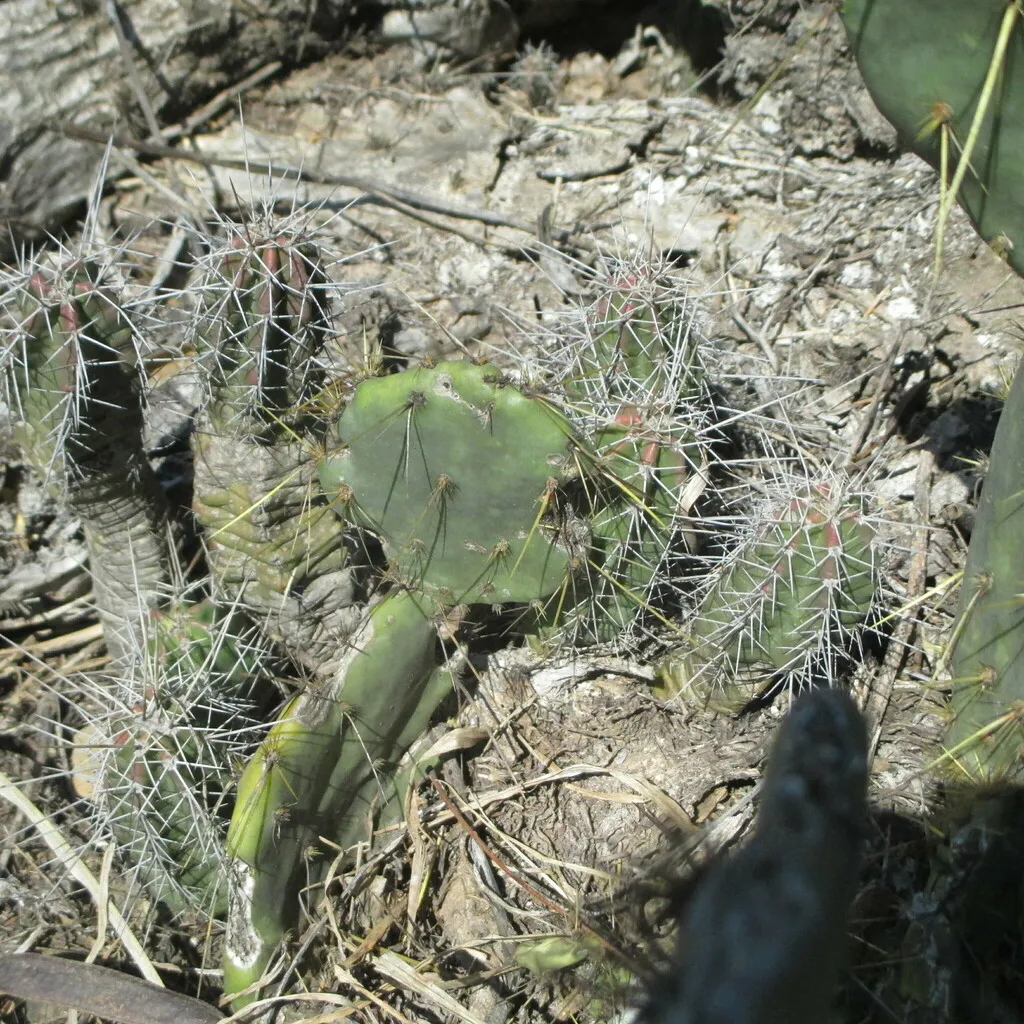
A prostrate or erect, clump-forming cactus to 20cm with cylindrical 4- to 8-ribbed stems and radial spines. In early summer it bears many bight pink flowers to 10cm across
Scientific classification
- Species
- ladyfinger cactus (Echinocereus pentalophus)
- Genus
- Echinocereus
- Family
- Cactaceae
- Order
- Caryophyllales
- Class
- Magnoliopsida
- Phylum
- Magnoliophyta
- Information to be completed
- Toxicity
- Cactus Succulent
- Plant type
- 0.1-0.5 metres
- Height
- 0.1-0.5 metres
- Spread
- Evergreen
- Foliage
- Clump forming
- Habit
- Spring · Summer · Autumn · Winter
- Season of interest
- Full sun
- Sunlight
- Information to be completed
- Ideal temperature









ladyfinger cactus pictures
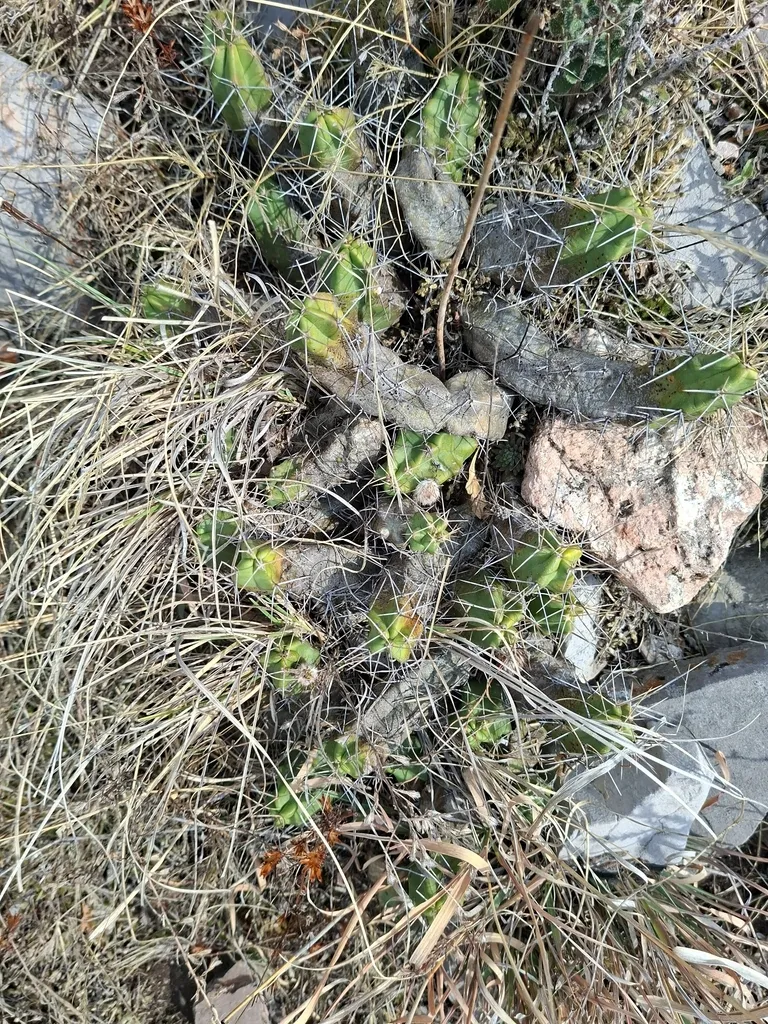
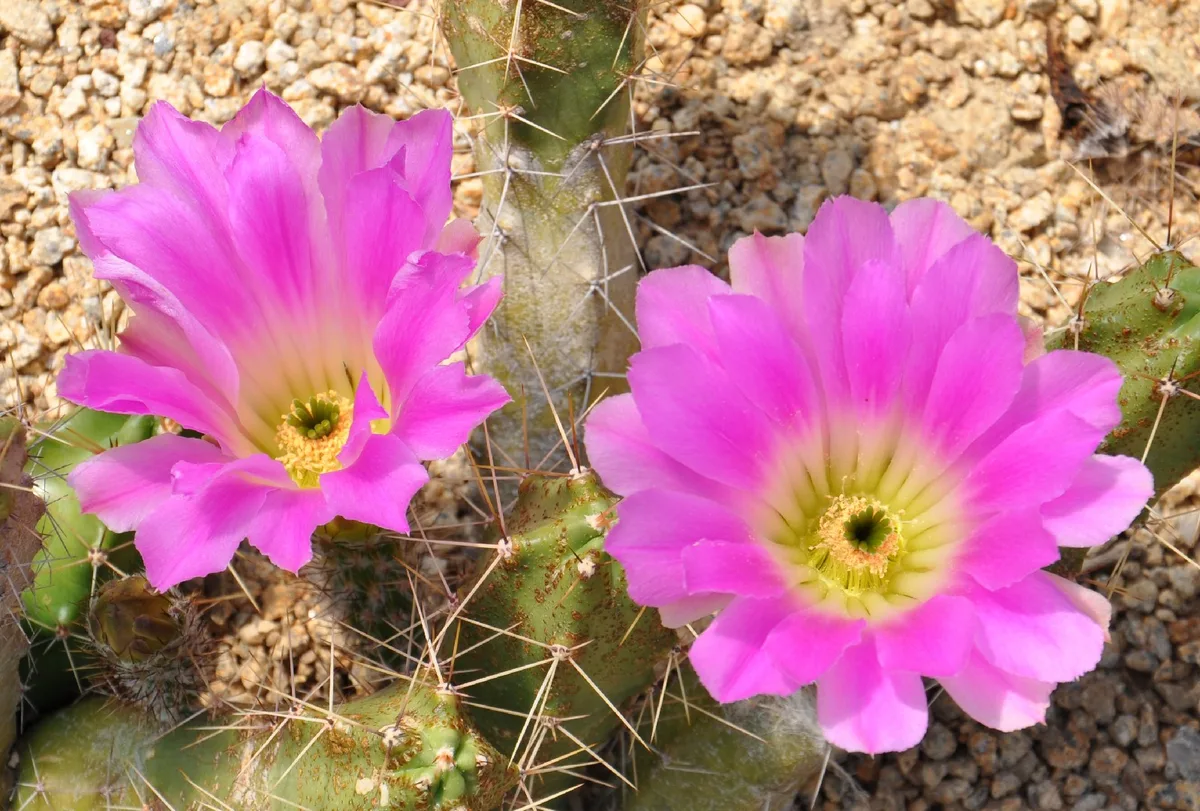
Distribution of ladyfinger cactus
Distribution map
- Native
- Introduced
- Cultivated
Source:WCVP v16 · Royal Botanic Gardens, Kew · CC BY 3.0 · Boundaries:WGSRPD / TDWG
ladyfinger cactus care guide
- Deep watering only after full dryness, keeping roots drier in cool weather
- Watering
- Full sun
- Sunlight

Watering
Deep watering only after full dryness, keeping roots drier in cool weather
Fertilizing
 Fertilizing
Very weak cactus fertilizer monthly during warm active growth
Pruning
 Pruning
No pruning required
Propagation
 Propagation
Propagate by sowing seed at 21°C in spring; separate offsets or take stem cuttings in spring or summer
Growing
 Growing
Grow in cactus compost in full light. From midspring to early autum water moderately and apply a half-strength balanced liquid fertiliser monthly; keep completely dry at other times. See houseplant cacti and succulent cultivation for further information
Common pests and diseases
Diseases
Generally disease-free
Pests
May be susceptible to mealybugs and scale insects
Explore the plant health library →




