
giant viper's bugloss
Also known as: tower of jewels
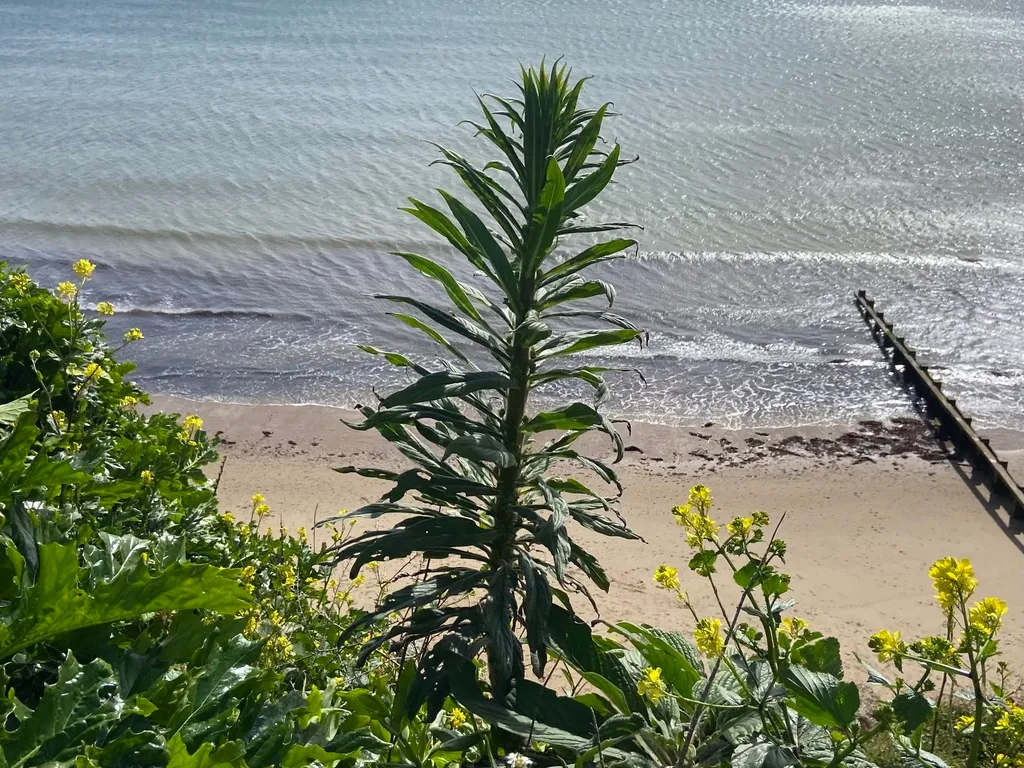
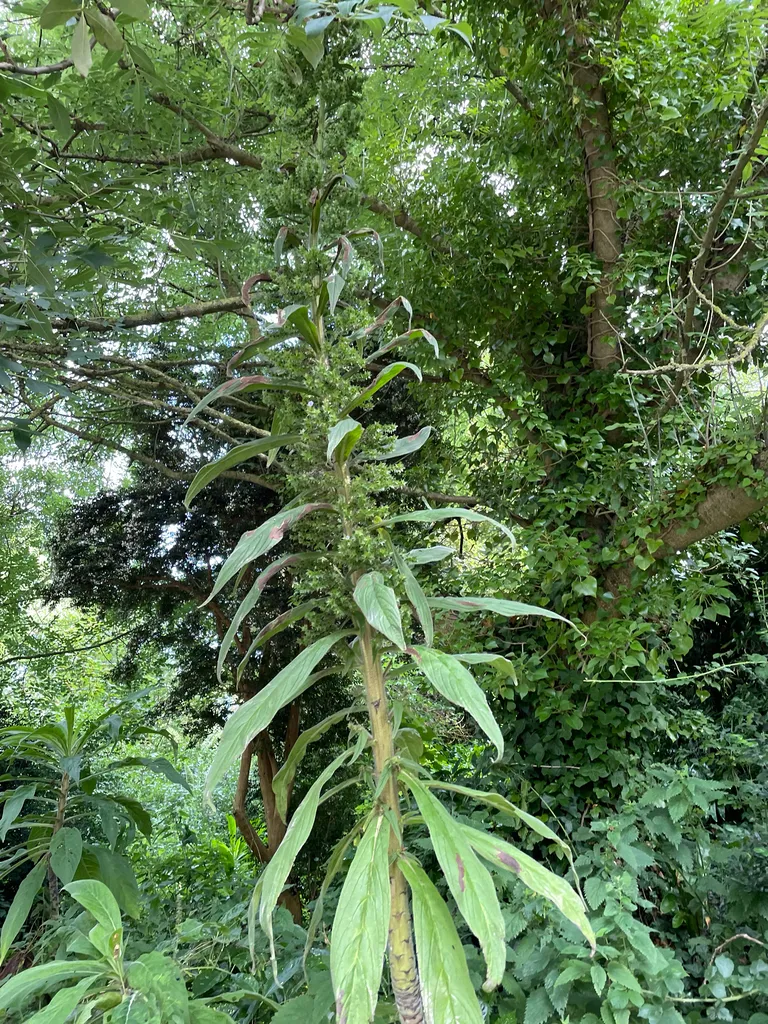
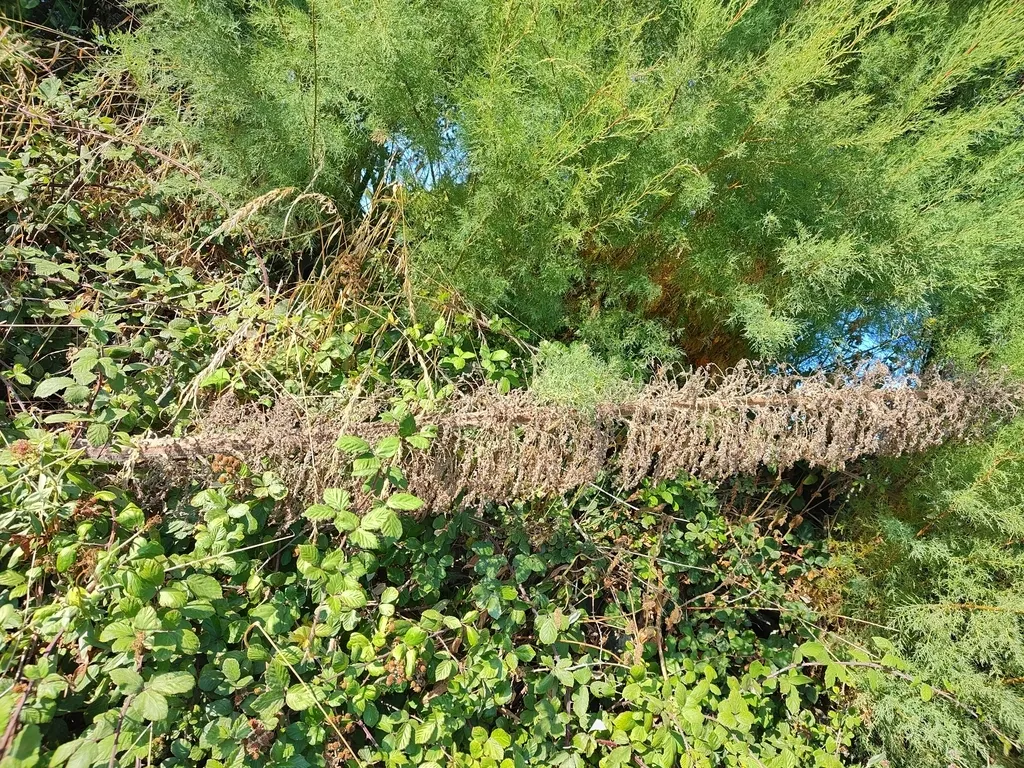
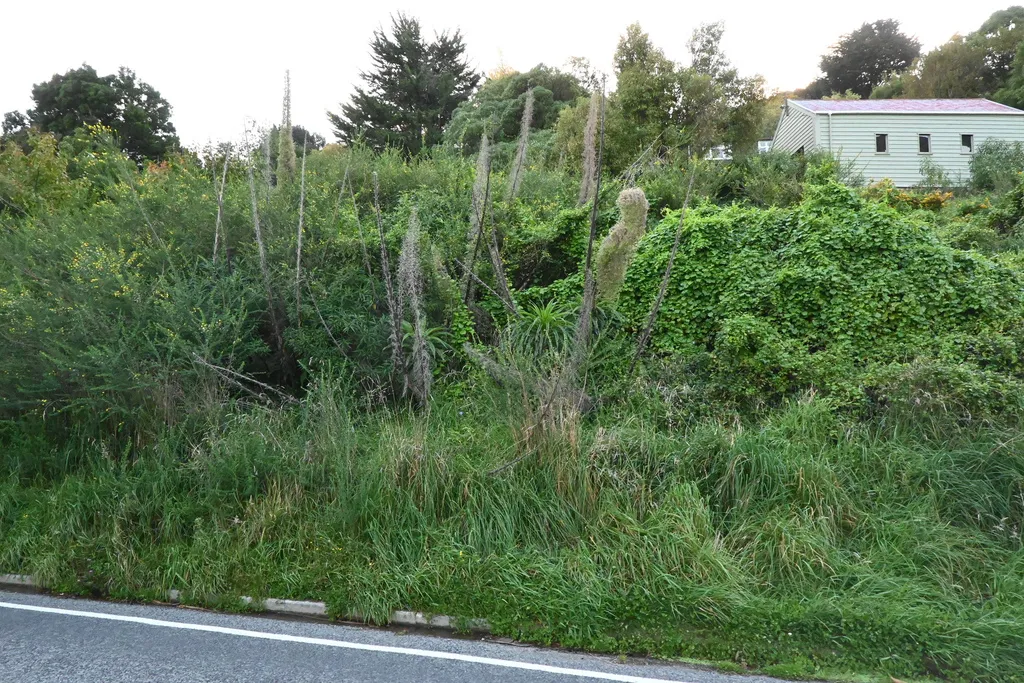
A rosette-forming biennial or short-lived perennial with lance-shaped, roughly silver-hairy leaves up to 1m in length. Each rosette produces a flower panicle up to 4m long of funnel-shaped blue flowers with large bracts in mid and late summer
Scientific classification
- Species
- giant viper's bugloss (Echium pininana)
- Genus
- Echium
- Family
- Boraginaceae
- Order
- Boraginales
- Class
- Magnoliopsida
- Phylum
- Magnoliophyta
- Skin irritant. Wear gloves and other protective equipment when handling
- Toxicity
- Annual Biennial
- Plant type
- 2.5-4 metres
- Height
- 0.5-1 metres
- Spread
- Evergreen
- Foliage
- Columnar upright
- Habit
- Spring · Summer · Autumn · Winter
- Season of interest
- Full sun
- Sunlight
- Information to be completed
- Ideal temperature









giant viper's bugloss pictures
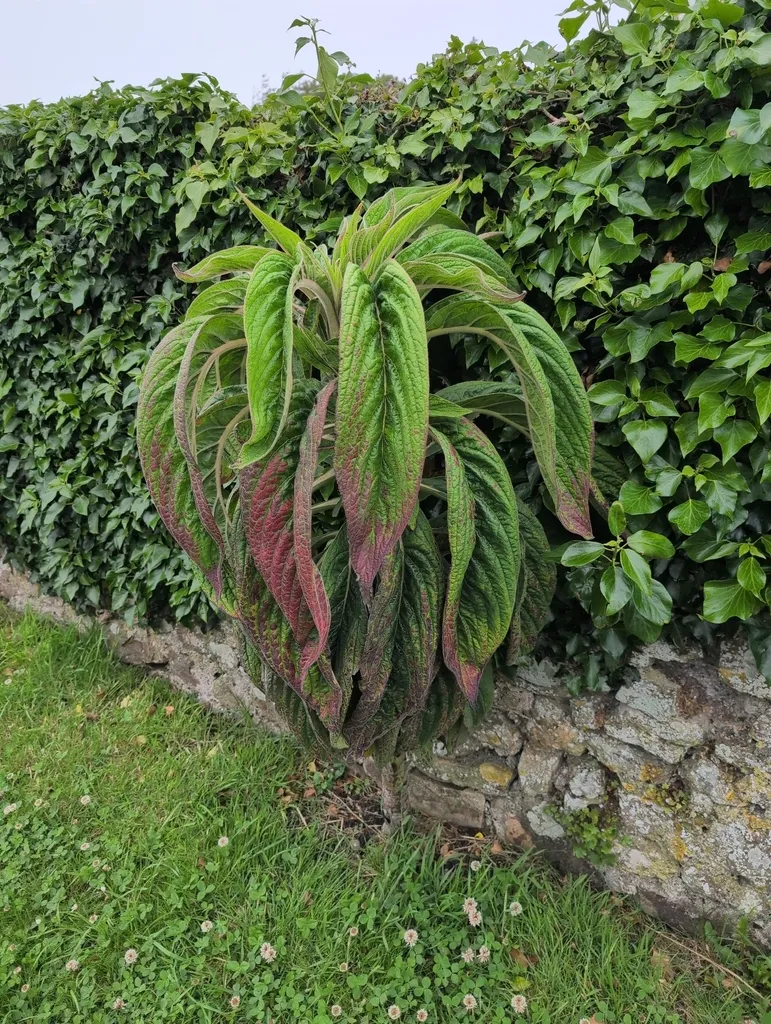
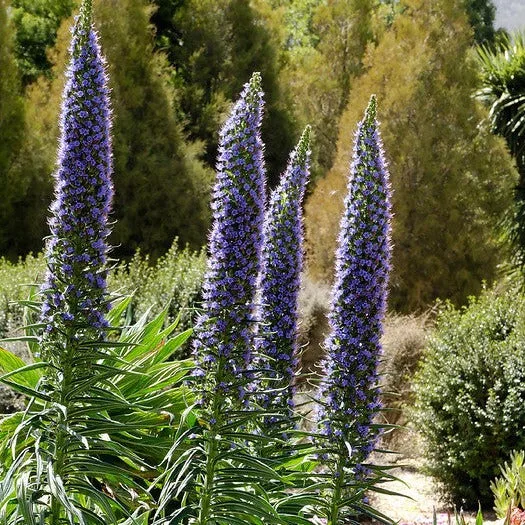
Distribution of giant viper's bugloss
Distribution map
- Native
- Introduced
- Cultivated
Source:WCVP v16 · Royal Botanic Gardens, Kew · CC BY 3.0 · Boundaries:WGSRPD / TDWG
Toxicity
Skin irritant. Wear gloves and other protective equipment when handling
giant viper's bugloss care guide
- Moderate regular watering, allowing brief slight drying between soakings
- Watering
- Full sun
- Sunlight

Watering
Moderate regular watering, allowing brief slight drying between soakings
Fertilizing
 Fertilizing
Balanced perennial feed every four weeks from spring through summer
Pruning
 Pruning
No pruning required
Propagation
 Propagation
Propagate by seed sown at 13-16°C in summer, overwintering seedlings at 5-7°C
Growing
 Growing
Under glass, grow in a loam-based potting compost (JI No3) in full light. Water freely when in growth, sparingly in winter. Outdoors, grow in moderately fertile, well-drained soil in full sun. Protect from winter frost in situ with horticultural fleece
Common pests and diseases
Diseases
Generally disease-free
Pests
May be susceptible to slugs or glasshouse whitefly and glasshouse red spider mite under glass
Explore the plant health library →




