
rhododendron 'Antilope'
Also known as: Information to be completed
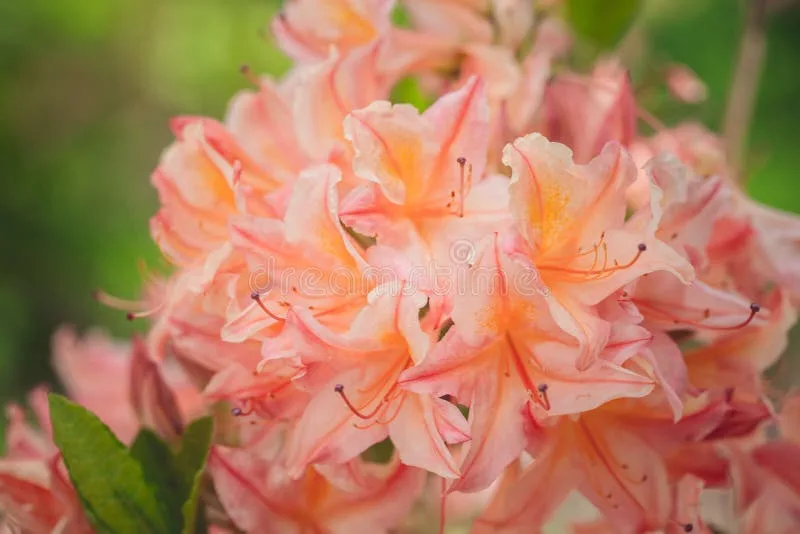
A bushy deciduous azalea to 1.8m high, with an upright, open habit and ovate green leaves. Produces clusters of up to 10 flowers, lightly scented, in May and June. Flowers are tubular funnel-shaped, pale pink with darker pink median lines, and speckled with yellow at the base of the upper petals
Scientific classification
- Species
- rhododendron 'Antilope' (Rhododendron 'Antilope')
- Genus
- Rhododendron
- Family
- Ericaceae
- Order
- Ericales
- Class
- Magnoliopsida
- Phylum
- Magnoliophyta
- Harmful if eaten. Wear gloves and other protective equipment when handling
- Toxicity
- Shrubs
- Plant type
- 1.5-2.5 metres
- Height
- 1-1.5 metres
- Spread
- Deciduous
- Foliage
- Bushy
- Habit
- Spring · Summer · Autumn
- Season of interest
- Full sun · Partial shade
- Sunlight
- Information to be completed
- Ideal temperature









rhododendron 'Antilope' pictures
Toxicity
Harmful if eaten. Wear gloves and other protective equipment when handling
rhododendron 'Antilope' care guide
- Water regularly, keeping the soil moist but well-drained; avoid waterlogging.
- Watering
- Full sun · Partial shade
- Sunlight

Watering
Water regularly, keeping the soil moist but well-drained; avoid waterlogging.
Fertilizing
 Fertilizing
Apply an acid-forming fertilizer in early spring and again after flowering.
Pruning
 Pruning
Little pruning is needed. Remove diseased, damaged, crowded or crossing shoots and unwanted growth. Timing depends on the plant: generally late winter or early spring; plants prone to bleeding and deciduous magnolias need different timing, and deciduous azaleas and lilacs are pruned after flowering.
Propagation
 Propagation
Propagate by semi-hardwood cuttings in late summer, by layering in autumn, or by grafting in winter
Growing
 Growing
Grow in humus rich, acidic soil. Will thrive in a sunny position as long as the soil is kept moist, but will also tolerate light shade. Choose a site away from frost pockets and sheltered from cold, drying winds. Mulch annually, ideally with leaf mould. See rhododendron cultivation for more detailed advice
Common pests and diseases
Diseases
May be susceptible to rhododendron diseases including rhododendron bud blast and rhododendron petal blight, as well as powdery mildews, honey fungus, rust, leafy gall, silver leaf and Phytophthora root and shoot rots
Pests
May be susceptible to vine weevil, whitefly, rhododendron leafhopper, lacebugs, scale insects, caterpillars and aphids
Explore the plant health library →




