
silverthorn
Also known as: Information to be completed
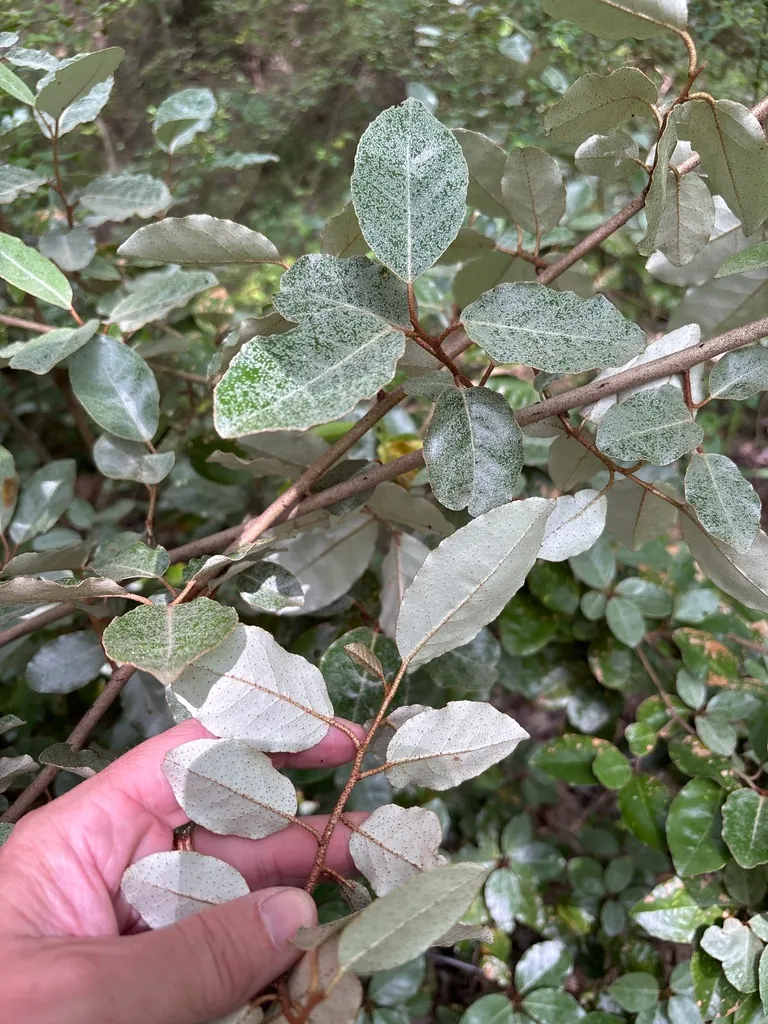
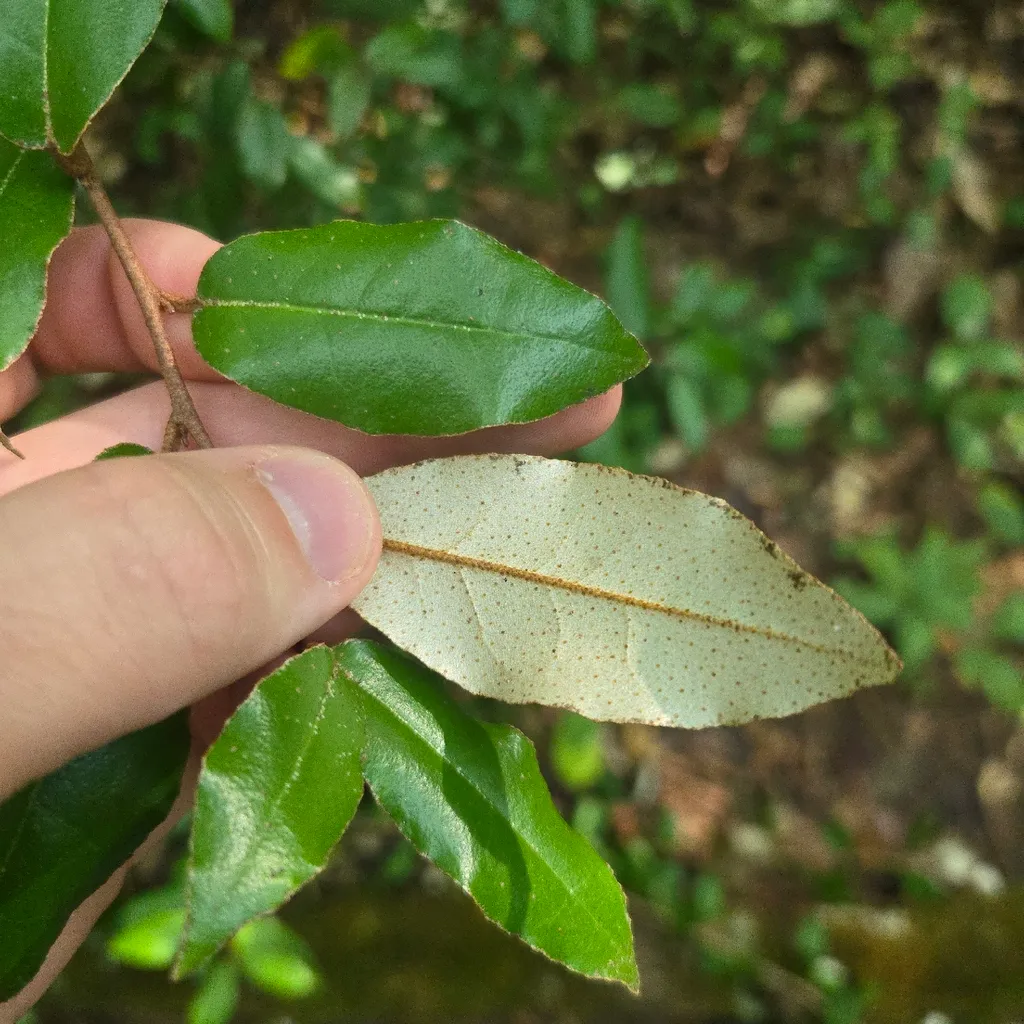
A strong-growing, wide-spreading evergreen shrub, to 5m in height, with some spiny, but mainly spineless branches. Leaves, are green and glossy above and matt white underneath, with brown scales. Clusters of small but extremely-fragrant, silvery-cream flowers are borne in autumn, followed by oval red fruits
Scientific classification
- Species
- silverthorn (Elaeagnus pungens)
- Genus
- Elaeagnus
- Family
- Elaeagnaceae
- Order
- Rosales
- Class
- Magnoliopsida
- Phylum
- Magnoliophyta
- Information to be completed
- Toxicity
- Shrubs
- Plant type
- 4-8 metres
- Height
- 4-8 metres
- Spread
- Evergreen
- Foliage
- Bushy
- Habit
- Spring · Summer · Autumn · Winter
- Season of interest
- Full sun · Partial shade
- Sunlight
- Information to be completed
- Ideal temperature









silverthorn pictures
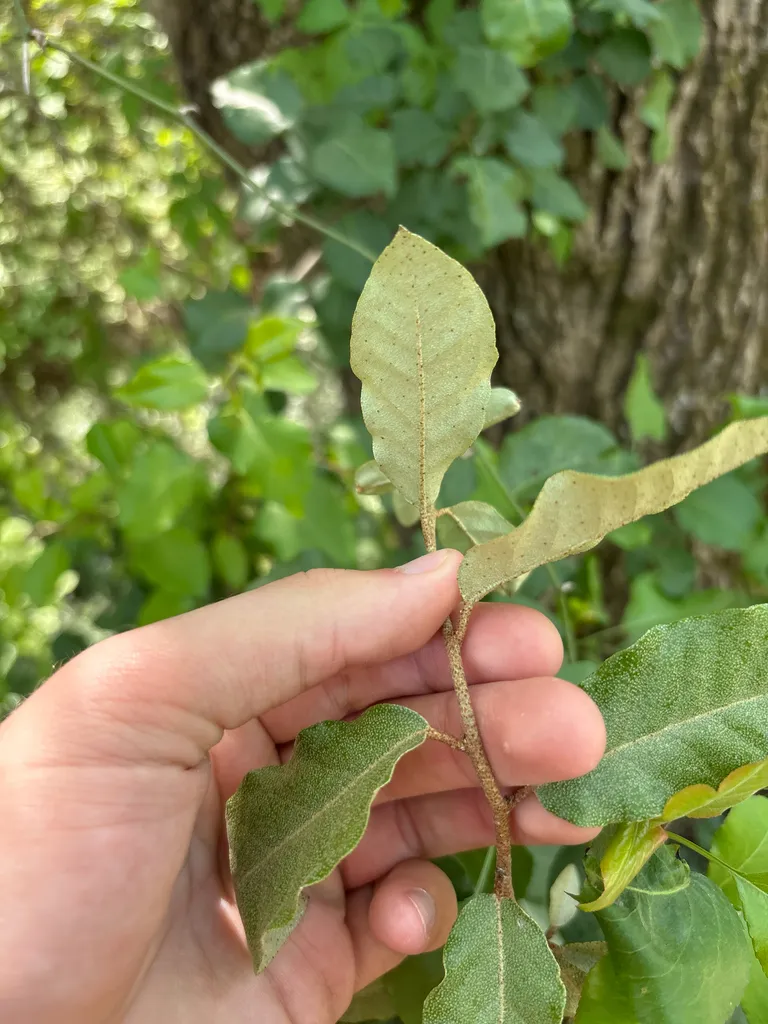
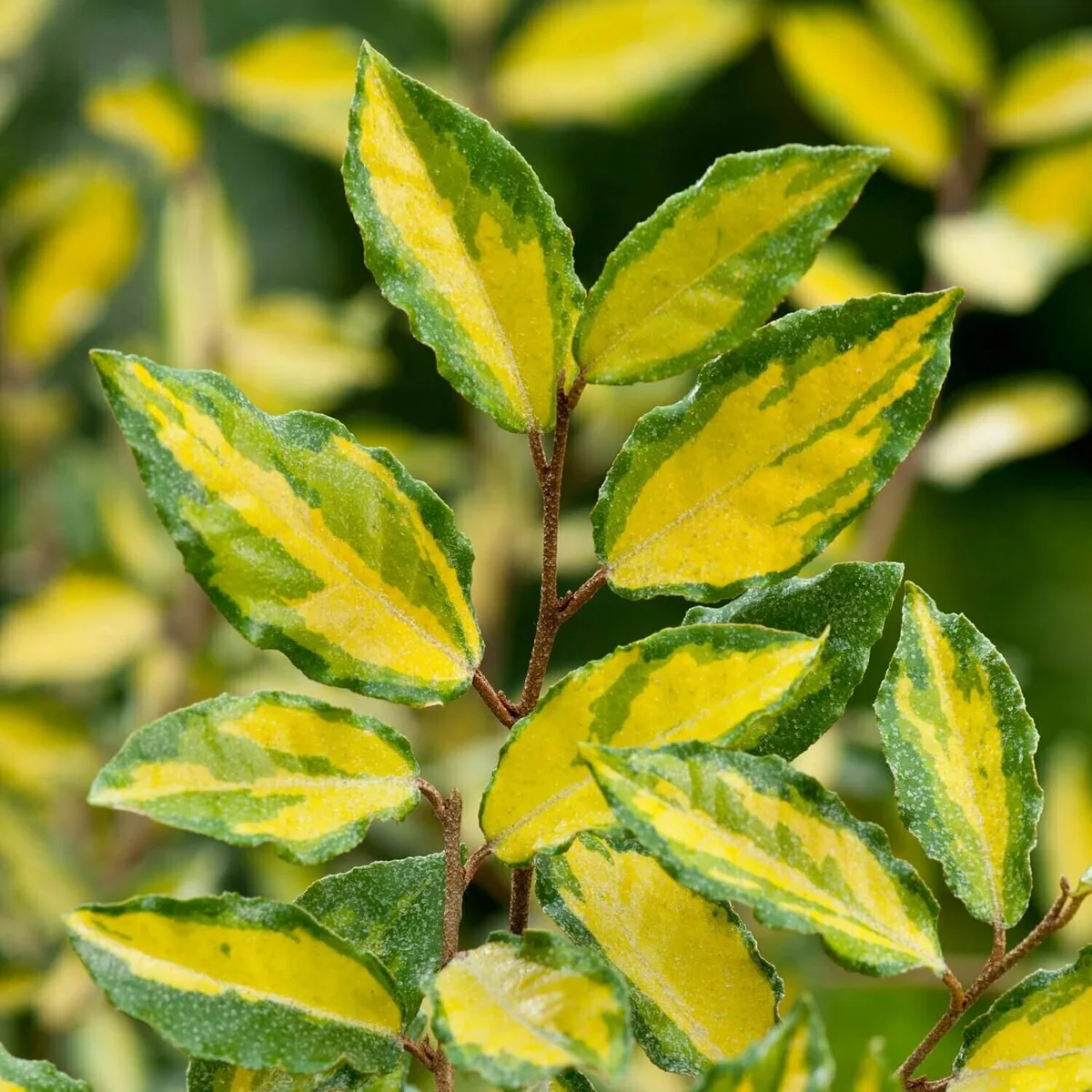
Distribution of silverthorn
Distribution map
- Native
- Introduced
- Cultivated
Source:WCVP v16 · Royal Botanic Gardens, Kew · CC BY 3.0 · Boundaries:WGSRPD / TDWG
silverthorn care guide
- Moderate regular watering, allowing brief slight drying between soakings
- Watering
- Full sun · Partial shade
- Sunlight

Watering
Moderate regular watering, allowing brief slight drying between soakings
Fertilizing
 Fertilizing
Balanced perennial feed every four weeks from spring through summer
Pruning
 Pruning
Prune lightly as needed to remove unwanted shoots and keep the shrub in shape. Prune in mid- to late spring.
Propagation
 Propagation
Propagate by semi-ripe cuttings in summer
Growing
 Growing
Grow in any well-drained soil, except shallow chalk, in sun or partial shade. Is especially useful as a heding or screening plant in coastal areas
Common pests and diseases
Diseases
May be susceptible to honey fungus, coral spot or leaf spot (fungal) see leaf damage on woody plants
Pests
Generally pest-free but may be susceptible to elaeagnus sucker
Explore the plant health library →




