
purpleleaf false shamrock
Also known as: Information to be completed
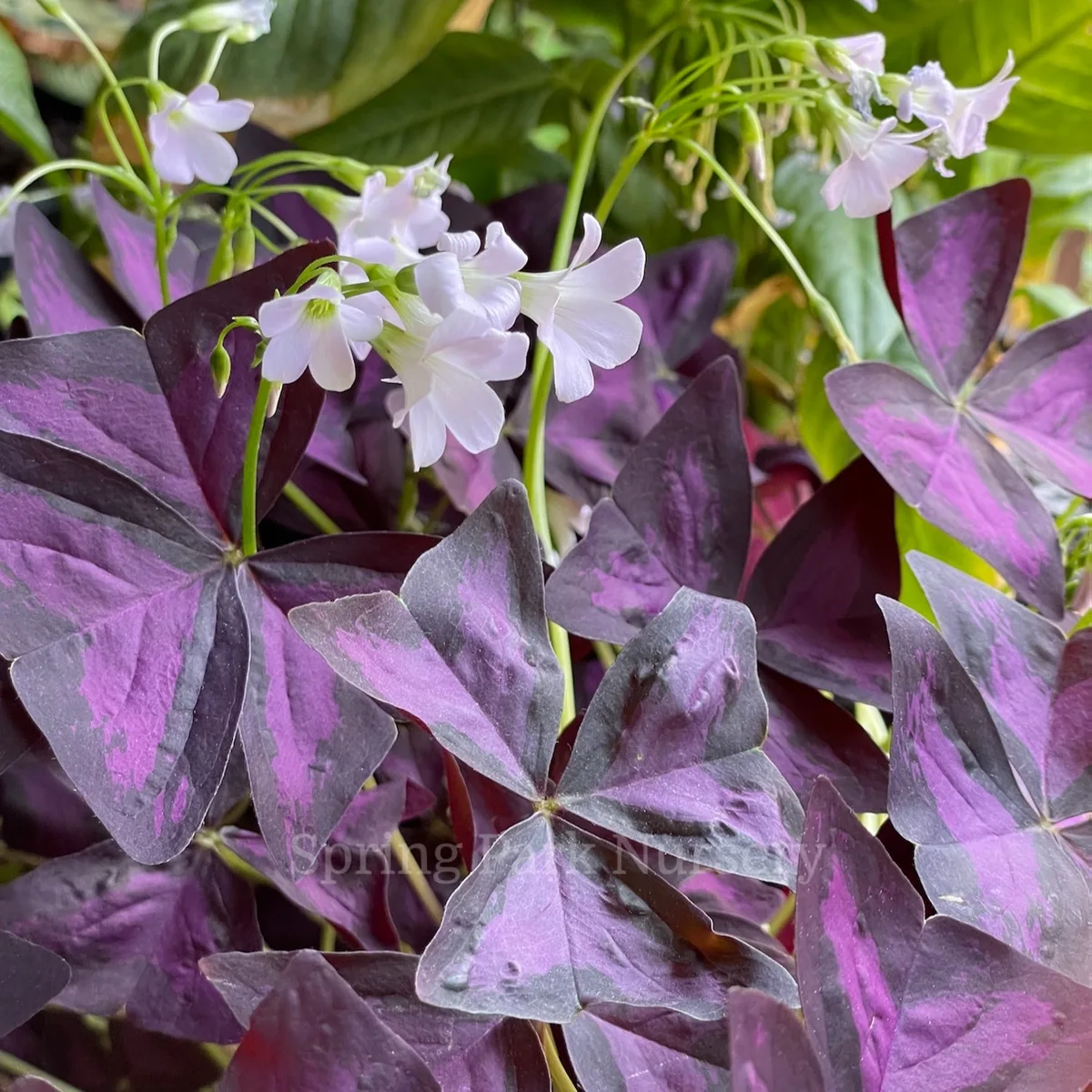
O. triangularis subsp. papilionacea is a deciduous, winter-dormant, frost-tender bulbous plant, producing purple foliage from spring to autumn and white to pale-pink starry flowers in summer
Scientific classification
- Species
- purpleleaf false shamrock (Oxalis triangularis subsp. papilionacea)
- Genus
- Oxalis
- Family
- Oxalidaceae
- Information to be completed
- Toxicity
- Houseplants · Bulbs · Conservatory Greenhouse
- Plant type
- 0.1-0.5 metres
- Height
- 0.1-0.5 metres
- Spread
- Deciduous
- Foliage
- Suckering
- Habit
- Spring · Summer · Autumn
- Season of interest
- Partial shade
- Sunlight
- Information to be completed
- Ideal temperature









purpleleaf false shamrock pictures
Distribution of purpleleaf false shamrock
Distribution map
Information to be completed
Information to be completed
Culture
Information to be completed
Toxicity
Information to be completed
Quick identification of purpleleaf false shamrock
Information to be completed
purpleleaf false shamrock care guide
- Moderate regular watering, avoid prolonged drought or waterlogging
- Watering
- Partial shade
- Sunlight
- Information to be completed
- Ideal temperature

Watering
Moderate regular watering, avoid prolonged drought or waterlogging
Fertilizing
 Fertilizing
Balanced feed in spring and light repeat in growth season
Pruning
 Pruning
No pruning required
Propagation
 Propagation
Propagate by seed or division
Growing
 Growing
Can be grown year-round in a cool greenhouse or conservatory or a cool room indoors. Alternatively place outdoors in late spring to early autumn in partial shade. Bring indoors for the winter and provide cool, frost-free conditions. Requires a moisture retentive but well-drained soil mix of equal parts loam, leaf mould (or soil-less compost) and grit. Water moderately when in growth and apply a balanced liquid fertiliser monthly. Keep barely moist when dormant in the winter
People also ask
Information to be completed
Common pests and diseases
Diseases
May be susceptible to rust diseases
Pests
May be susceptible to slugs and snails
Explore the plant health library →




