
lancewood
Also known as: horoeka
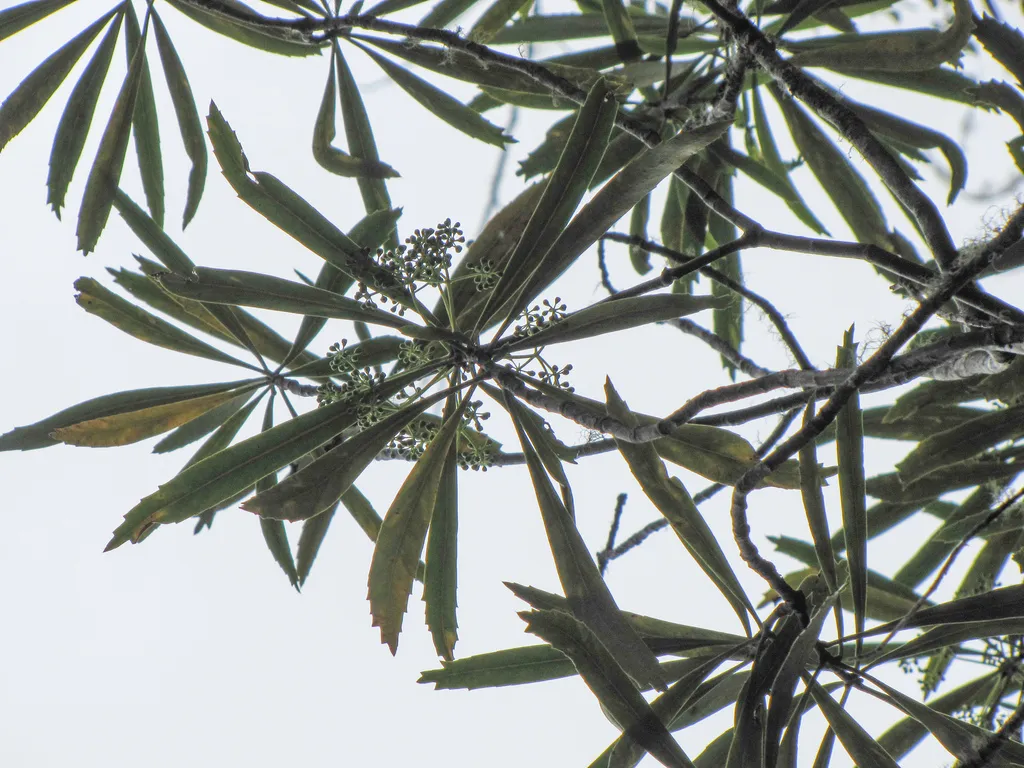
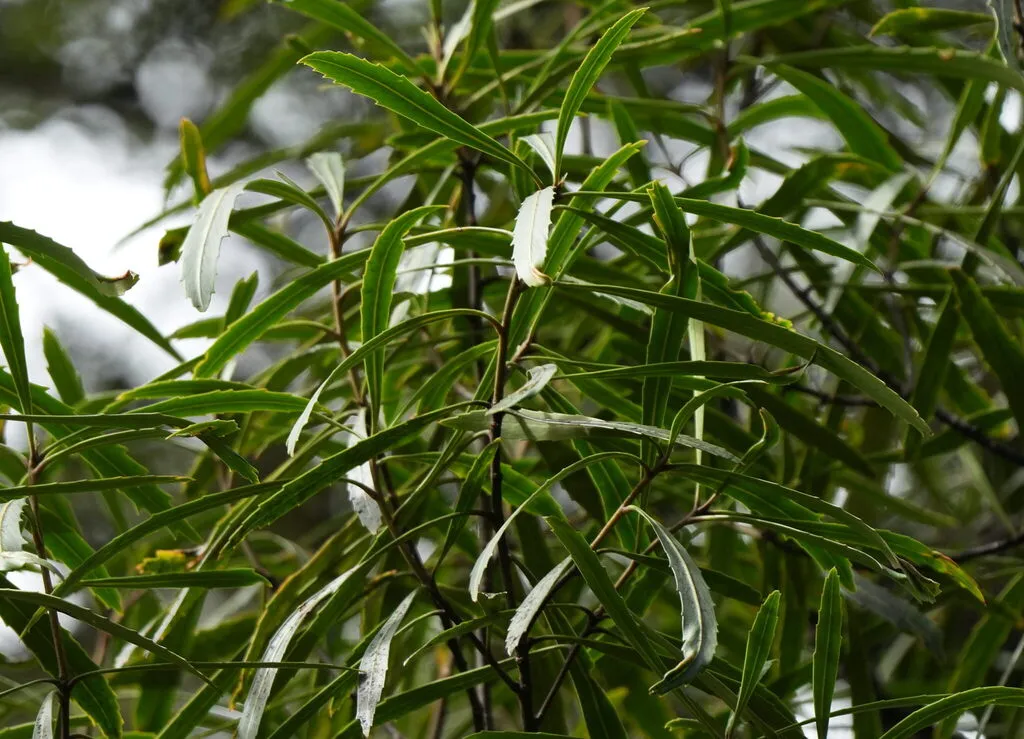
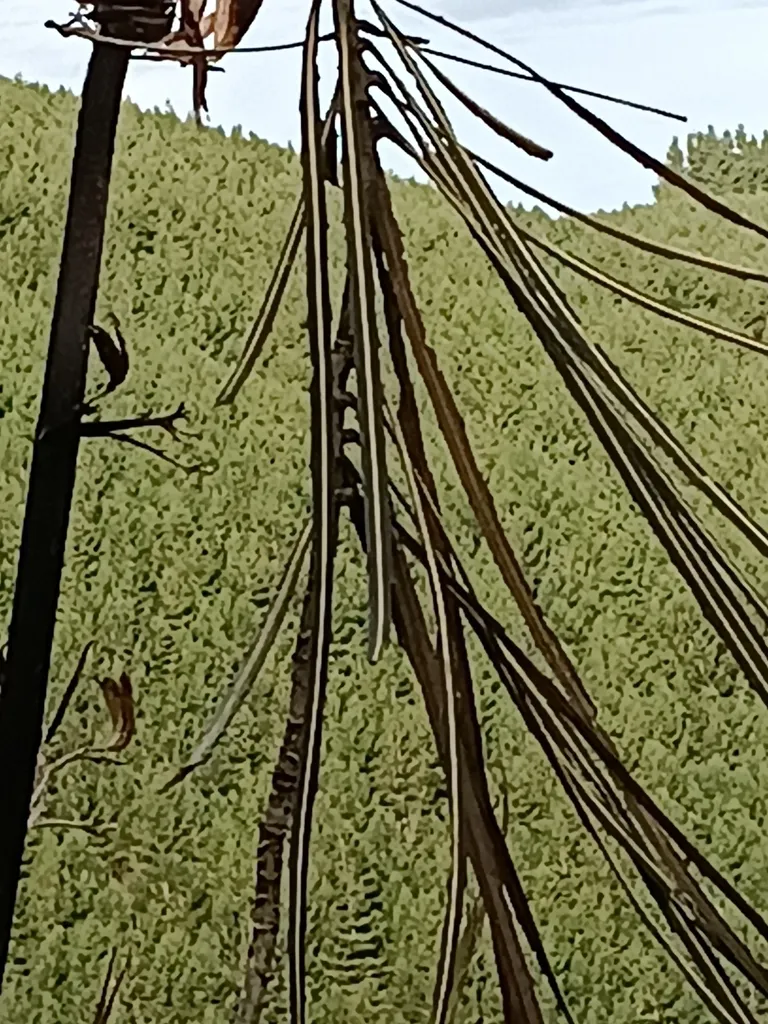
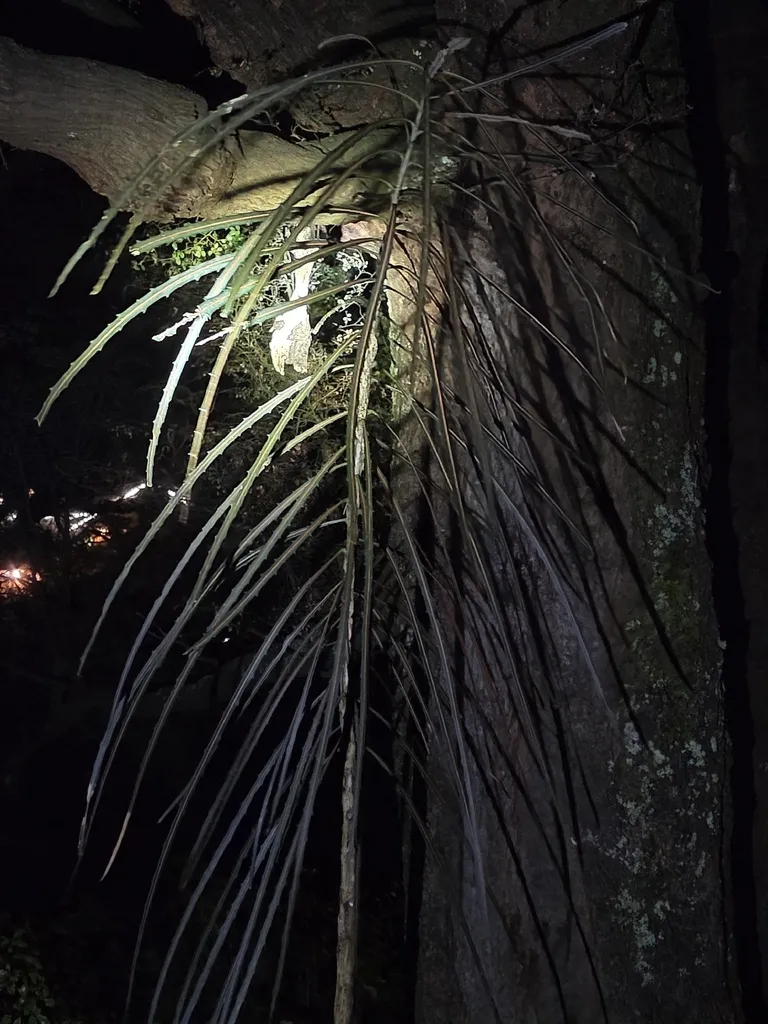
P. crassifolius is an evergreen tree to 15m, remaining unbranched for many years, with stiff, narrow, downward-pointing, dark green, leathery leaves up to 90cm long, with red midribs and spine-tipped teeth. Mature plants develop a rounded head and palmate leaves up to 20cm long. Umbels of star-shaped, greenish-white flowers are produced in summer and early autumn, followed on female plants by black berries
Scientific classification
- Species
- lancewood (Pseudopanax crassifolius)
- Genus
- Pseudopanax
- Family
- Araliaceae
- Order
- Apiales
- Class
- Magnoliopsida
- Phylum
- Magnoliophyta
- Information to be completed
- Toxicity
- Trees
- Plant type
- 8-12 metres
- Height
- 1.5-2.5 metres
- Spread
- Evergreen
- Foliage
- Columnar upright
- Habit
- Spring · Summer · Autumn · Winter
- Season of interest
- Full sun · Partial shade
- Sunlight
- Information to be completed
- Ideal temperature









lancewood pictures
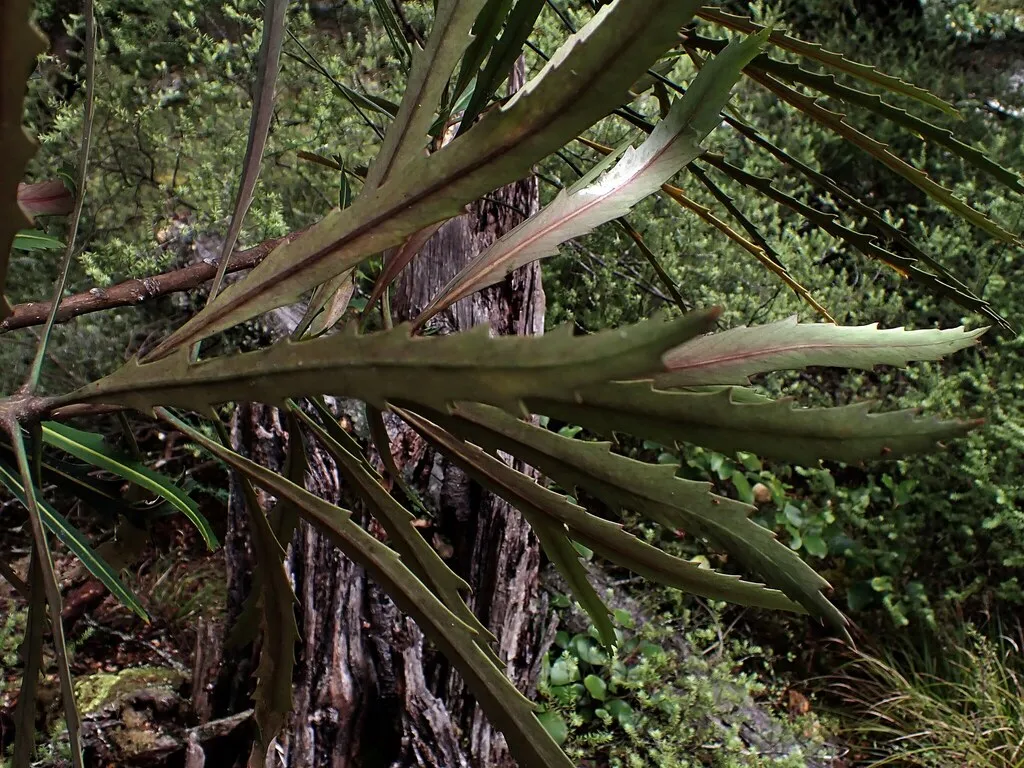
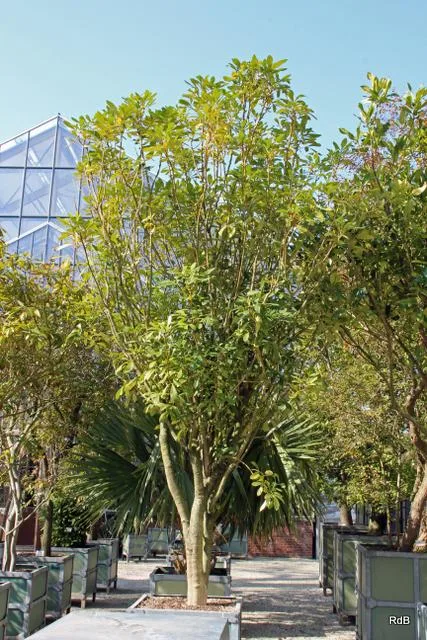
Distribution of lancewood
Distribution map
- Native
- Introduced
- Cultivated
Source:WCVP v16 · Royal Botanic Gardens, Kew · CC BY 3.0 · Boundaries:WGSRPD / TDWG
lancewood care guide
- Moderate watering, let soil partially dry before rewatering
- Watering
- Full sun · Partial shade
- Sunlight

Watering
Moderate watering, let soil partially dry before rewatering
Fertilizing
 Fertilizing
Slow release tree feed applied single time each early spring
Pruning
 Pruning
Little pruning is needed. Remove diseased, damaged, crowded or crossing shoots and unwanted growth. Timing depends on the plant: generally late winter or early spring; plants prone to bleeding and deciduous magnolias need different timing, and deciduous azaleas and lilacs are pruned after flowering.
Propagation
 Propagation
Propagate by seed sown in autumn or spring, or by semi-ripe cuttings or by air layering
Growing
 Growing
Grow in well-drained soil in a sheltered, sunny or part-shaded position with shelter from cold, drying winds
Common pests and diseases
Diseases
Generally trouble free
Pests
Generally trouble free
Explore the plant health library →




