
couch grass
Also known as: felt; lagoon grass; quack grass; quitch grass; scutch; shelly grass; skally grass; squitch grass; twitch; twitch grass; witch grass
A fast-growing perennial grass with pale, hairy sheaths on the lower leaves and flat green leaf blades to 40cm long. Produces upright flower spikes to 120cm high in late summer. Each plant forms a dense network of pale yellow or straw-coloured rhizomatous roots, that enable it to spread rapidly in lawns and borders
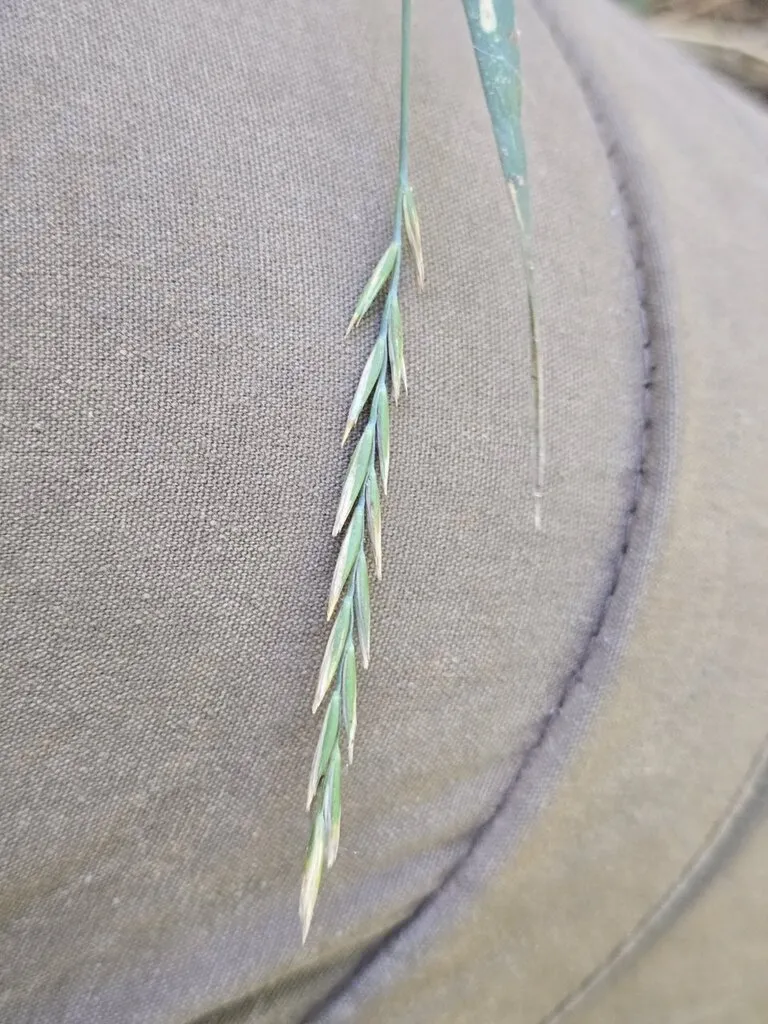
Scientific classification
- Species
- couch grass (Elymus repens)
- Genus
- Elymus
- Family
- Poaceae
- Information to be completed
- Toxicity
- Grass Like
- Plant type
- 1-1.5 metres
- Height
- 0.5-1 metres
- Spread
- Deciduous
- Foliage
- Clump forming
- Habit
- Spring · Summer · Autumn
- Season of interest
- Full sun
- Sunlight
- Information to be completed
- Ideal temperature









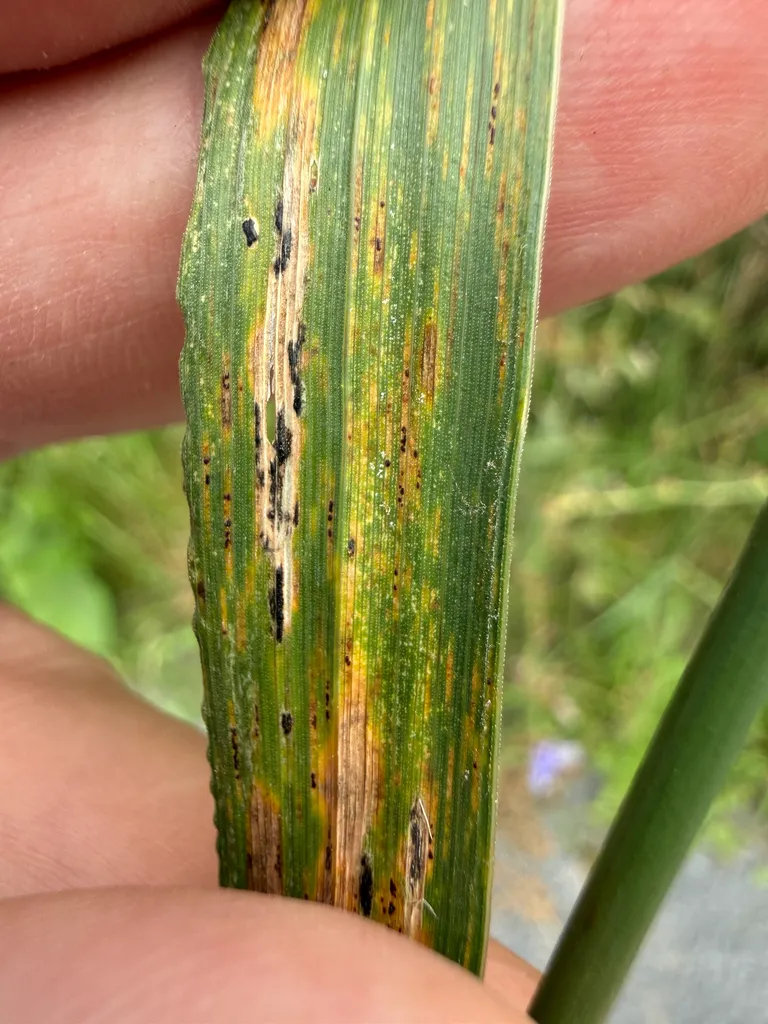
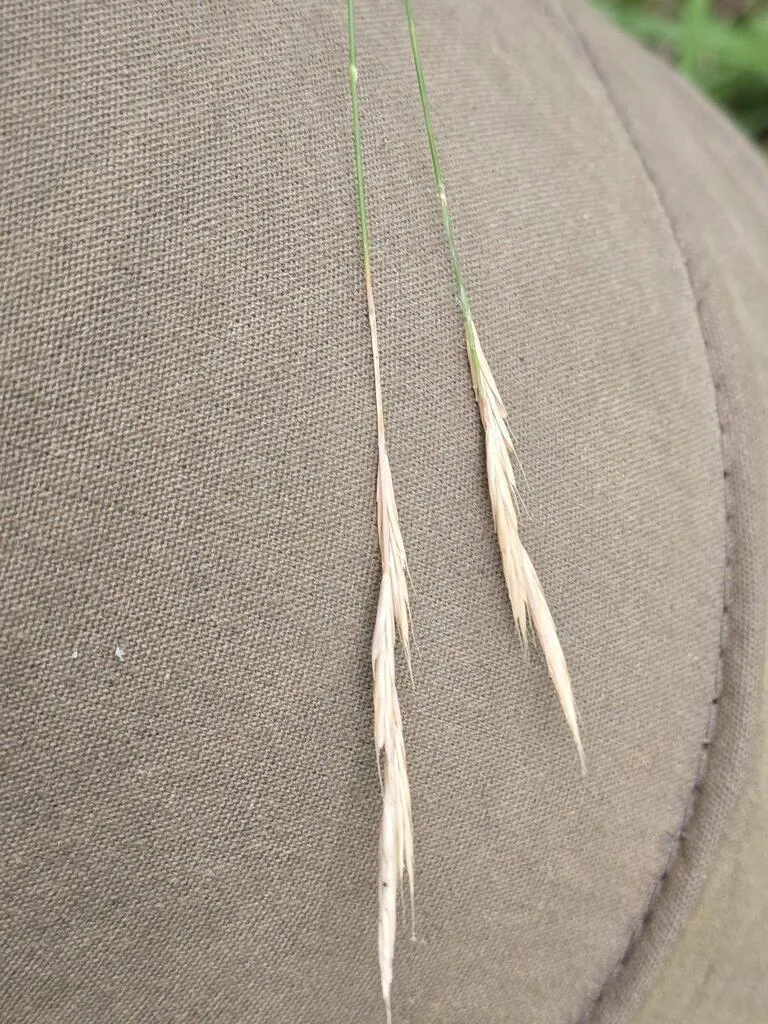
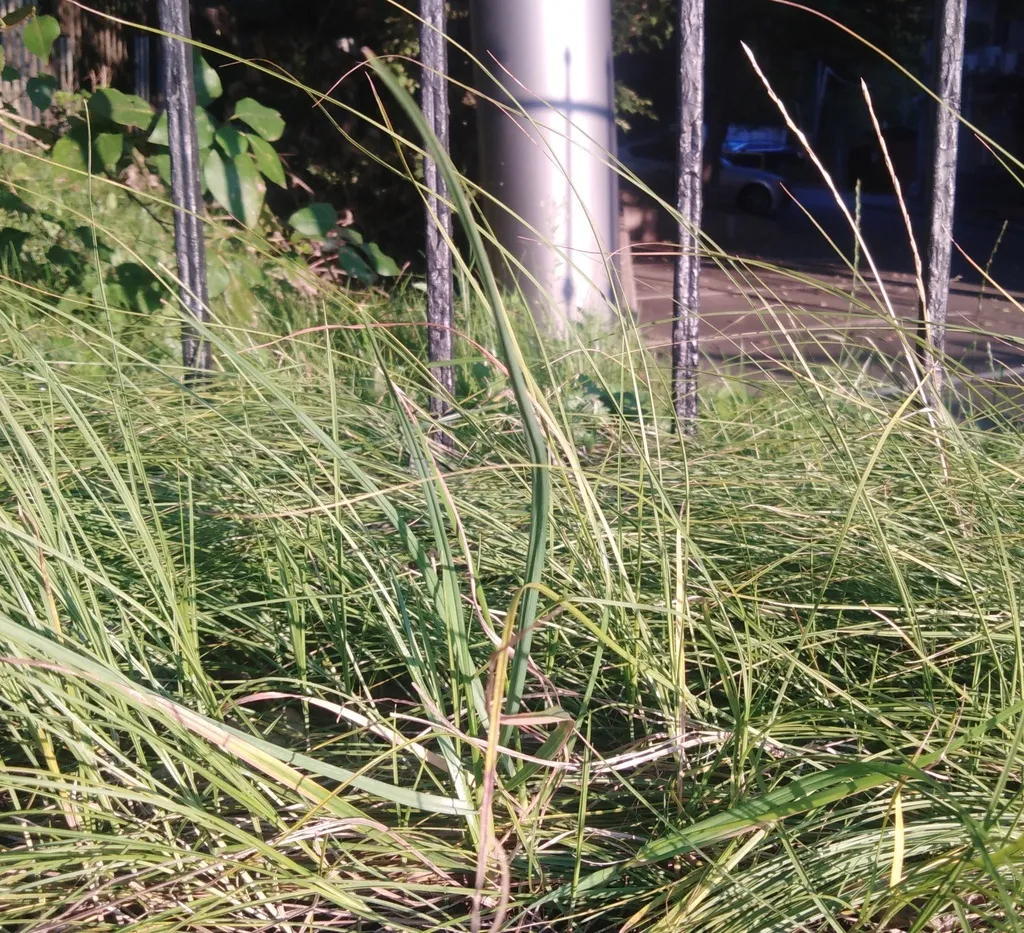
couch grass pictures
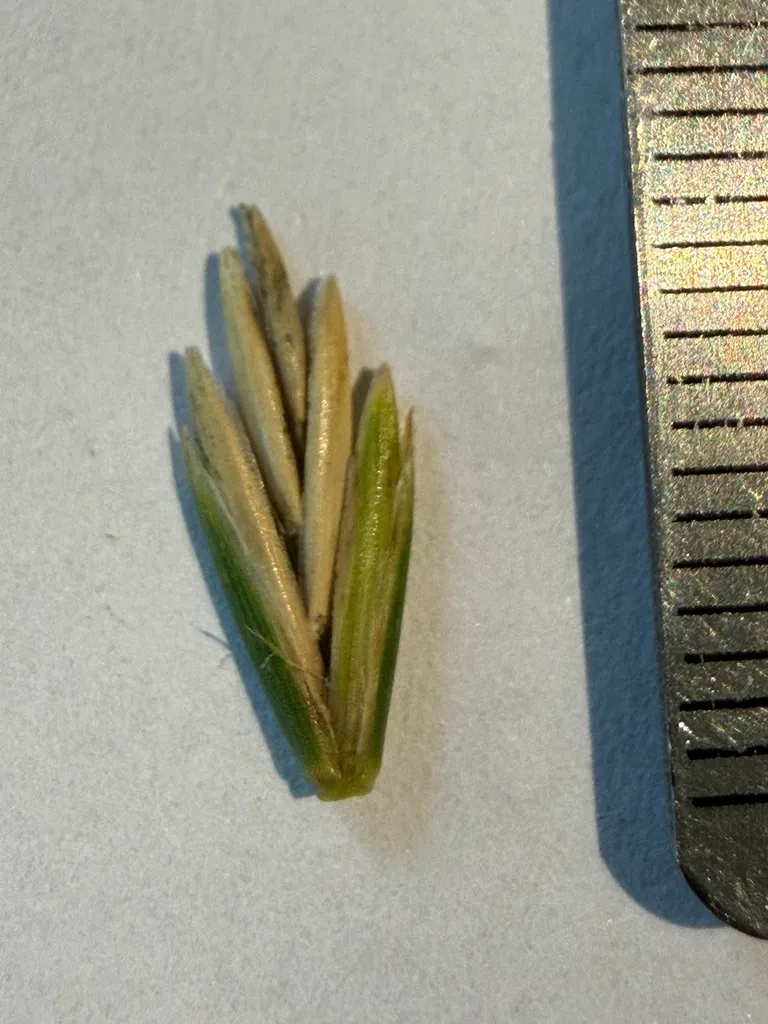
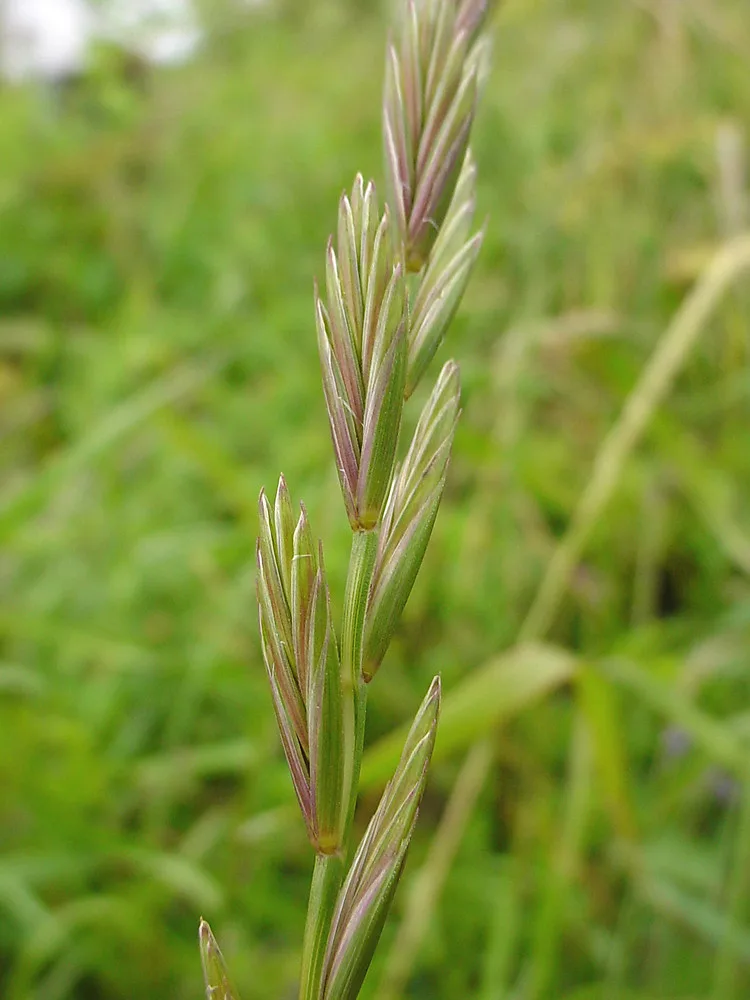
Distribution of couch grass
Distribution map
Temperate N. Hemisphere
Information to be completed
Culture
Information to be completed
Toxicity
Information to be completed
Quick identification of couch grass
Information to be completed
couch grass care guide
- Moderate regular watering, allowing brief slight drying between soakings
- Watering
- Full sun
- Sunlight
- Information to be completed
- Ideal temperature

Watering
Moderate regular watering, allowing brief slight drying between soakings
Fertilizing
 Fertilizing
Balanced perennial feed every four weeks from spring through summer
Pruning
 Pruning
Cutting can encourage tillering
Propagation
 Propagation
Propagates predominantly by spreading rhizomes (underground roots), although seed is also produced and can remain viable in the soil for some years
Growing
 Growing
Growth begins early in spring, which can allow this plant to out-compete others that may need warmer temperatures; because of this and its ability to spread rapidly underground, it is often considered a weed. Roots are fairly shallow, so forking out may be possible in lighter soils, though any remaining fragments of rhizome may re-grow
People also ask
Information to be completed
Common pests and diseases
Diseases
Generally disease-free
Pests
Generally pest-free
Explore the plant health library →




