
creeping agapetes
Also known as: Information to be completed
A lax evergreen shrub to 90cm, or taller if supported, with small dark green leaves and urn-shaped red flowers 2cm long, with darker veining, hanging beneath the stems in late winter and spring
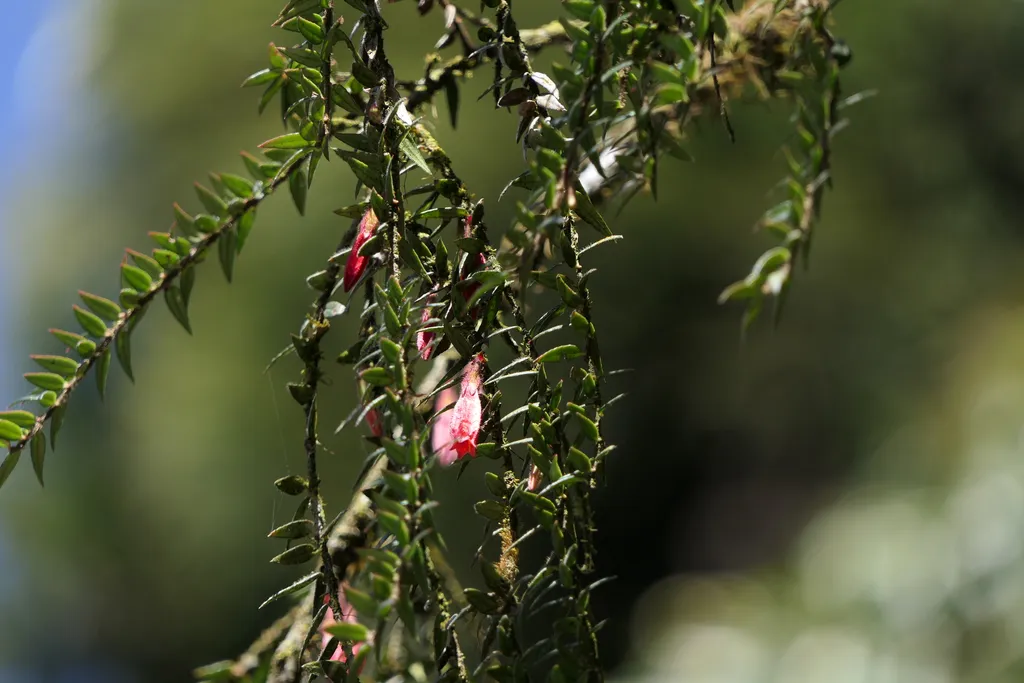
Scientific classification
- Species
- creeping agapetes (Agapetes serpens)
- Genus
- Agapetes
- Family
- Ericaceae
- Toxic if ingested. Wear gloves and wash hands after handling
- Toxicity
- Conservatory Greenhouse · Shrubs
- Plant type
- 1-1.5 metres
- Height
- 1-1.5 metres
- Spread
- Evergreen
- Foliage
- Bushy
- Habit
- Spring · Winter
- Season of interest
- Partial shade
- Sunlight
- Information to be completed
- Ideal temperature









creeping agapetes pictures
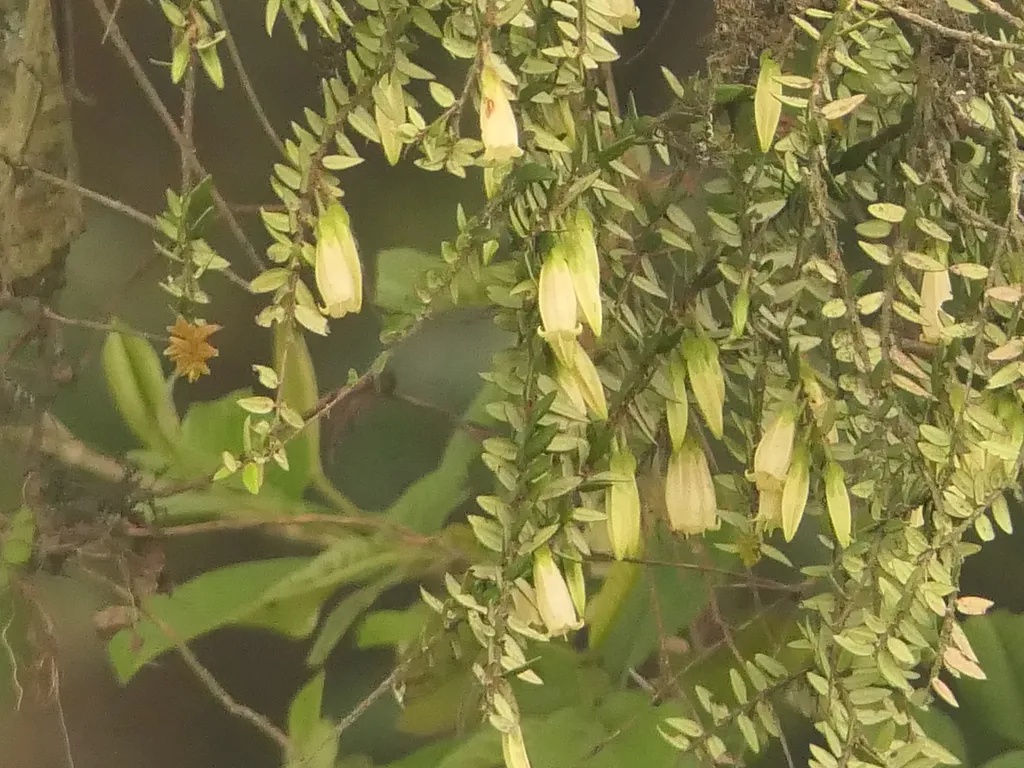
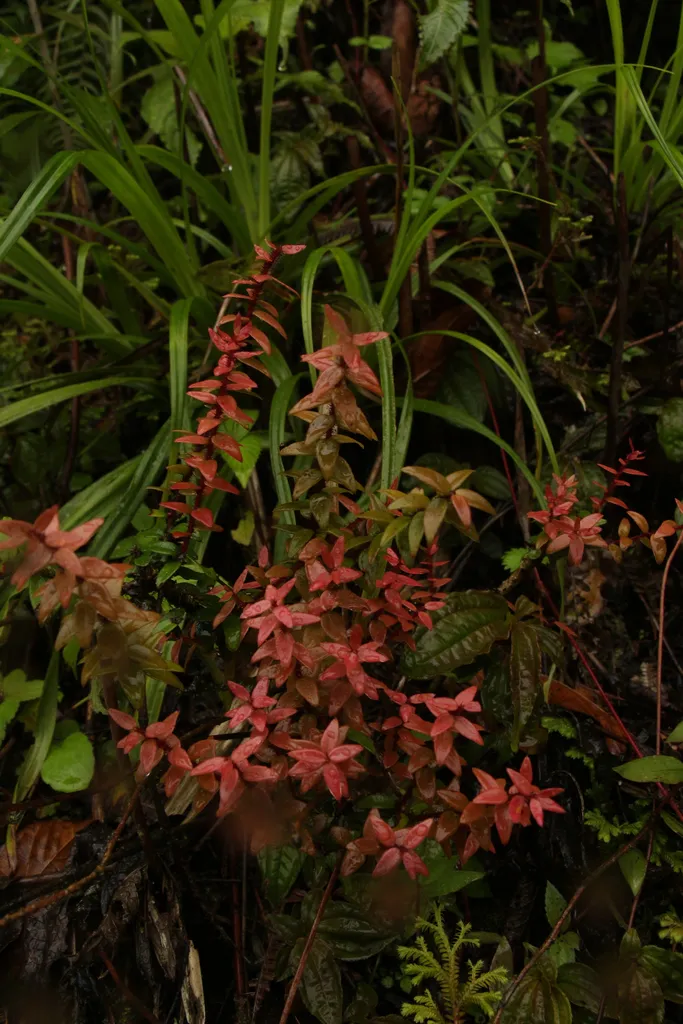
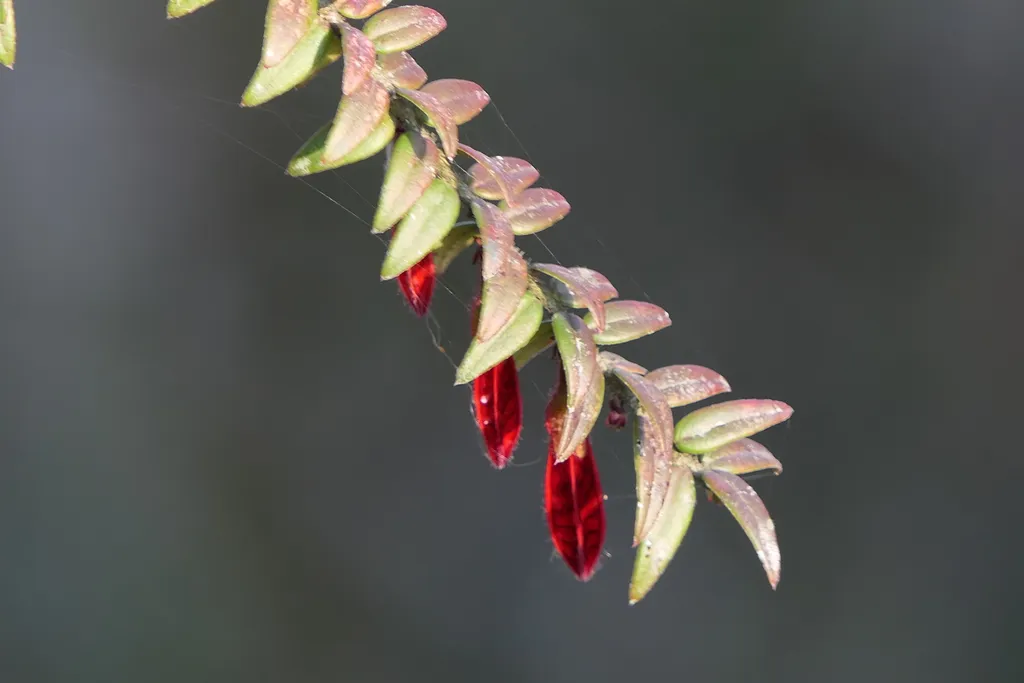
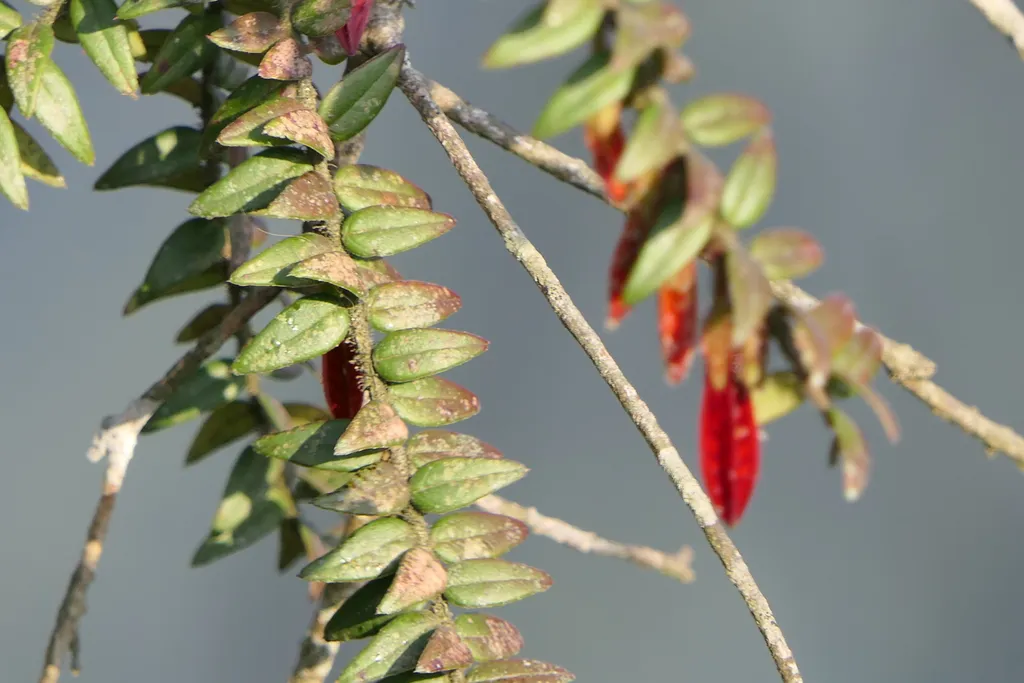
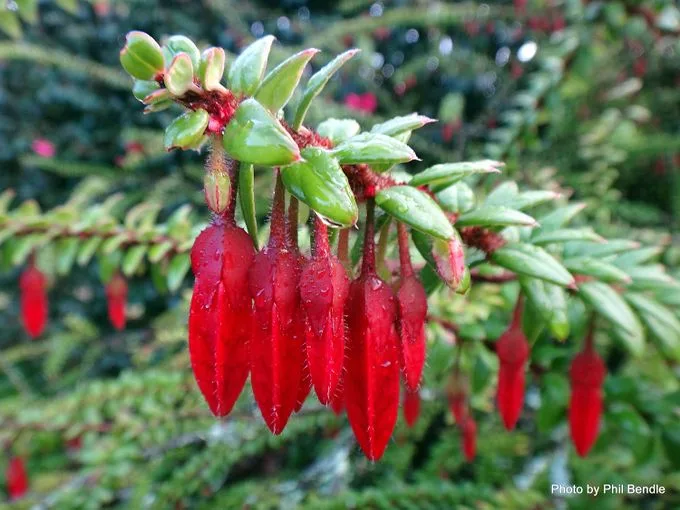
Distribution of creeping agapetes
Distribution map
Himalaya
Information to be completed
Culture
Information to be completed
Toxicity
Toxic if ingested. Wear gloves and wash hands after handling
Quick identification of creeping agapetes
Information to be completed
creeping agapetes care guide
- Moderate regular watering, allowing brief slight drying between soakings
- Watering
- Partial shade
- Sunlight
- Information to be completed
- Ideal temperature

Watering
Moderate regular watering, allowing brief slight drying between soakings
Fertilizing
 Fertilizing
Balanced perennial feed every four weeks from spring through summer
Pruning
 Pruning
Routine pruning is unnecessary; shorten overlong shoots to fit the available space. For last-year flowering growth, prune after flowering; for current-year flowering growth, prune in late winter or spring. This guidance is for established plants. Keep pruning to a minimum.
Propagation
 Propagation
Take semi-ripe ripe cuttings in late summer, or propagate by layering stems in late spring
Growing
 Growing
Under glass, grow in frost-free conditions in moist, but well-drained ericaceous soil in partial shade. Water freely during the growing period, more sparingly in winter
People also ask
Information to be completed
Common pests and diseases
Diseases
Generally trouble free
Pests
scale insects can be a problem
Explore the plant health library →




