
golden drop
Also known as: Information to be completed
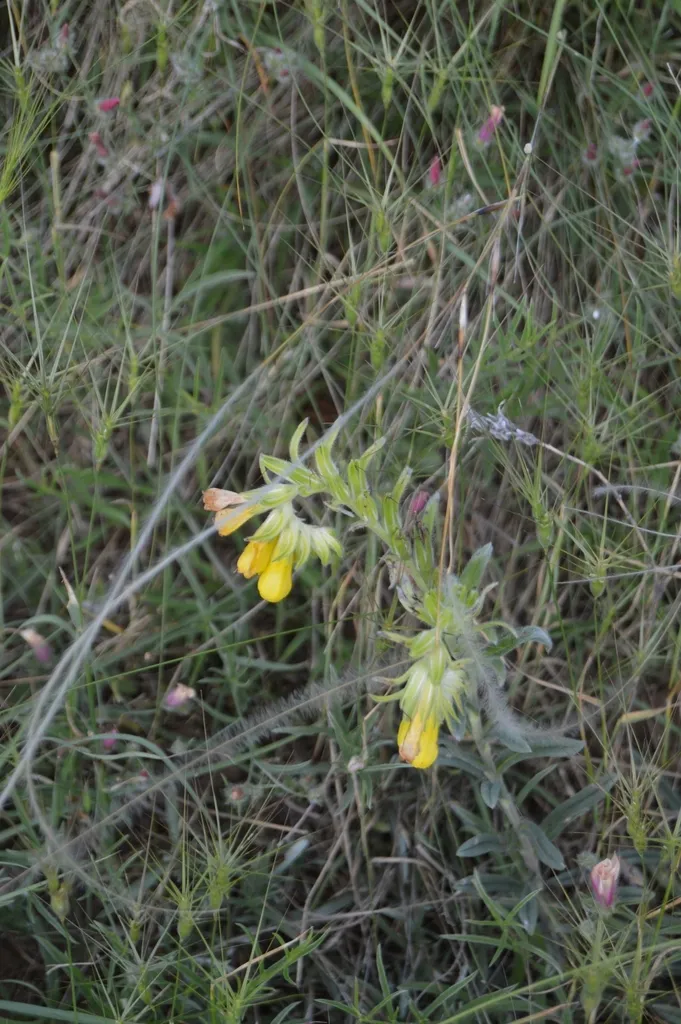
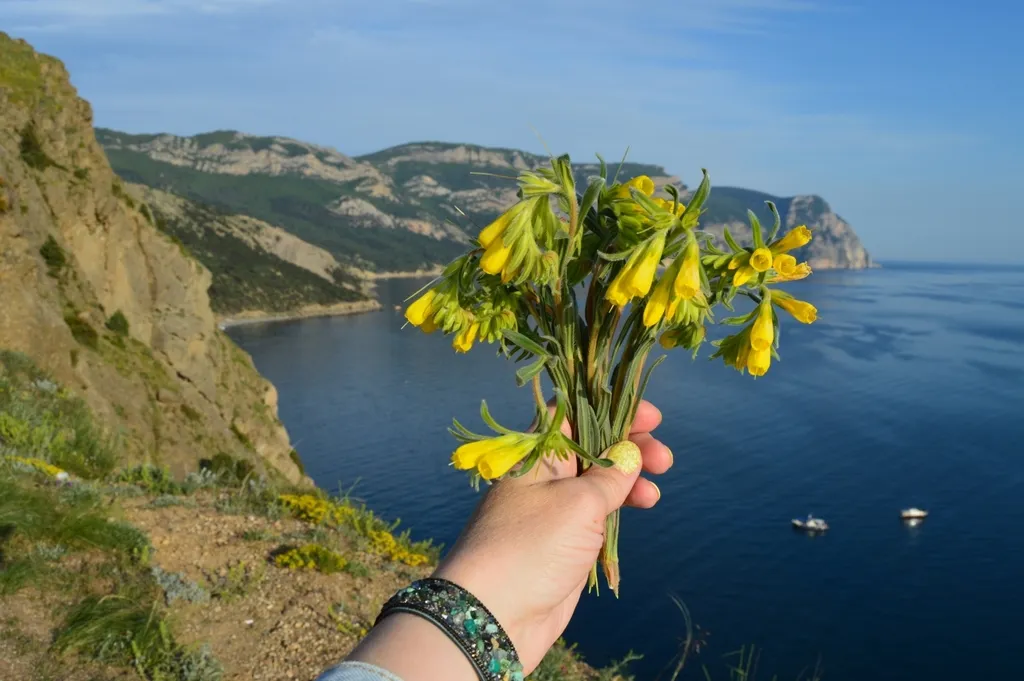
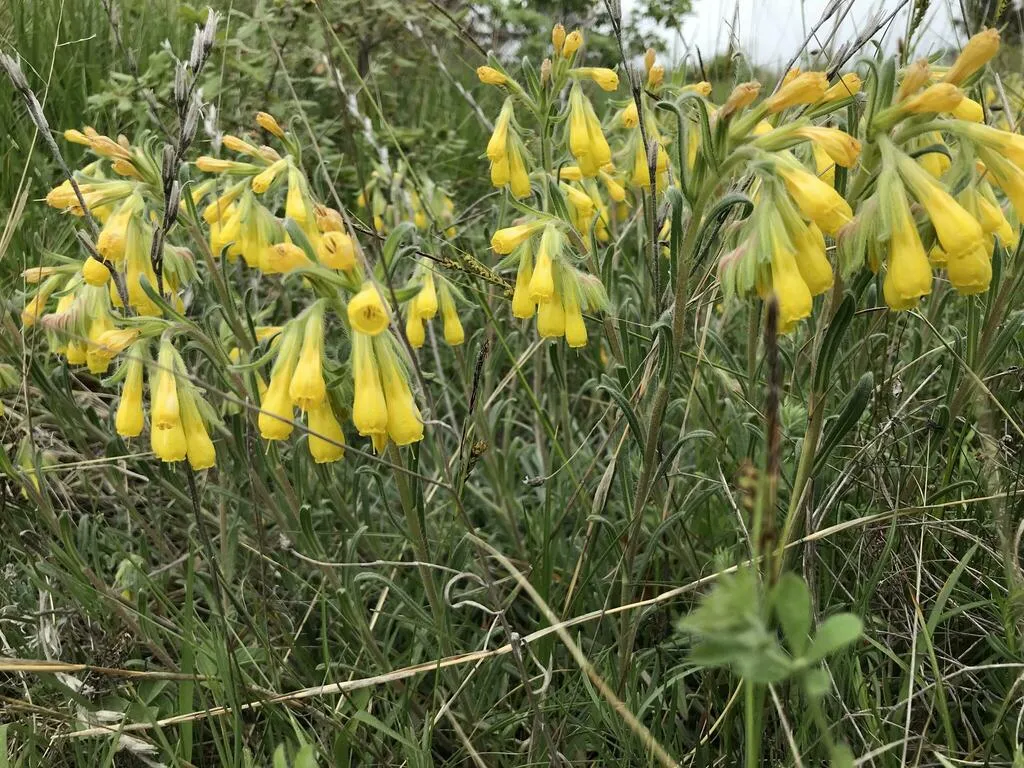
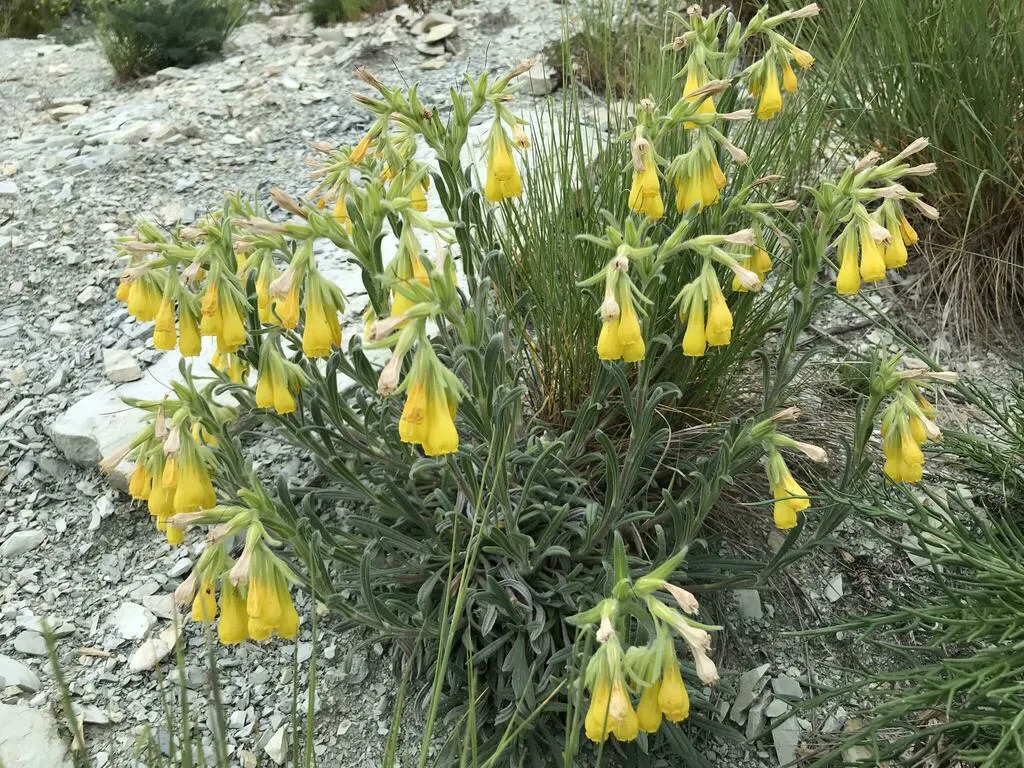
An evergreen perennial, up to 50cm high in flower, with narrow leaves, spoon shaped at the base of the plant and linear on the stems, all covered with fine silvery hairs. Clusters of hanging, tubular, cream or pale yellow flowers are borne on upright flowering stems from late spring to early summer
Scientific classification
- Species
- golden drop (Onosma taurica)
- Genus
- Onosma
- Family
- Boraginaceae
- Order
- Boraginales
- Class
- Magnoliopsida
- Phylum
- Magnoliophyta
- Information to be completed
- Toxicity
- Herbaceous Perennial · Alpine Rockery
- Plant type
- 0.1-0.5 metres
- Height
- 0.1-0.5 metres
- Spread
- Evergreen
- Foliage
- Matforming
- Habit
- Spring · Summer · Autumn · Winter
- Season of interest
- Full sun
- Sunlight
- Information to be completed
- Ideal temperature









golden drop pictures
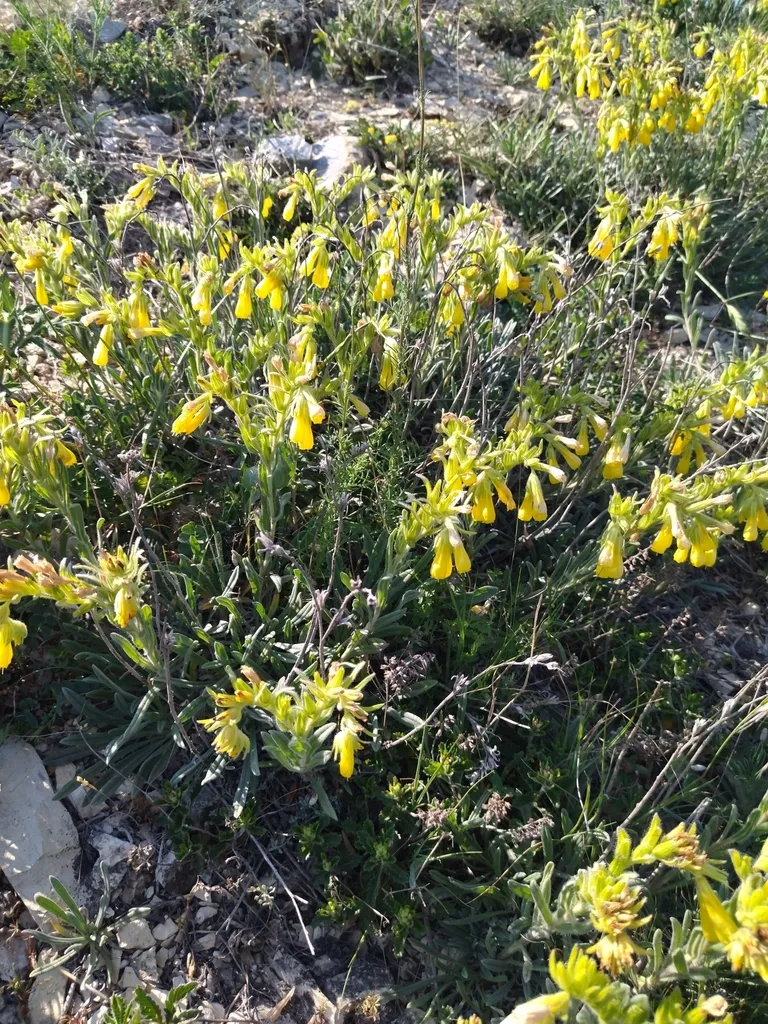
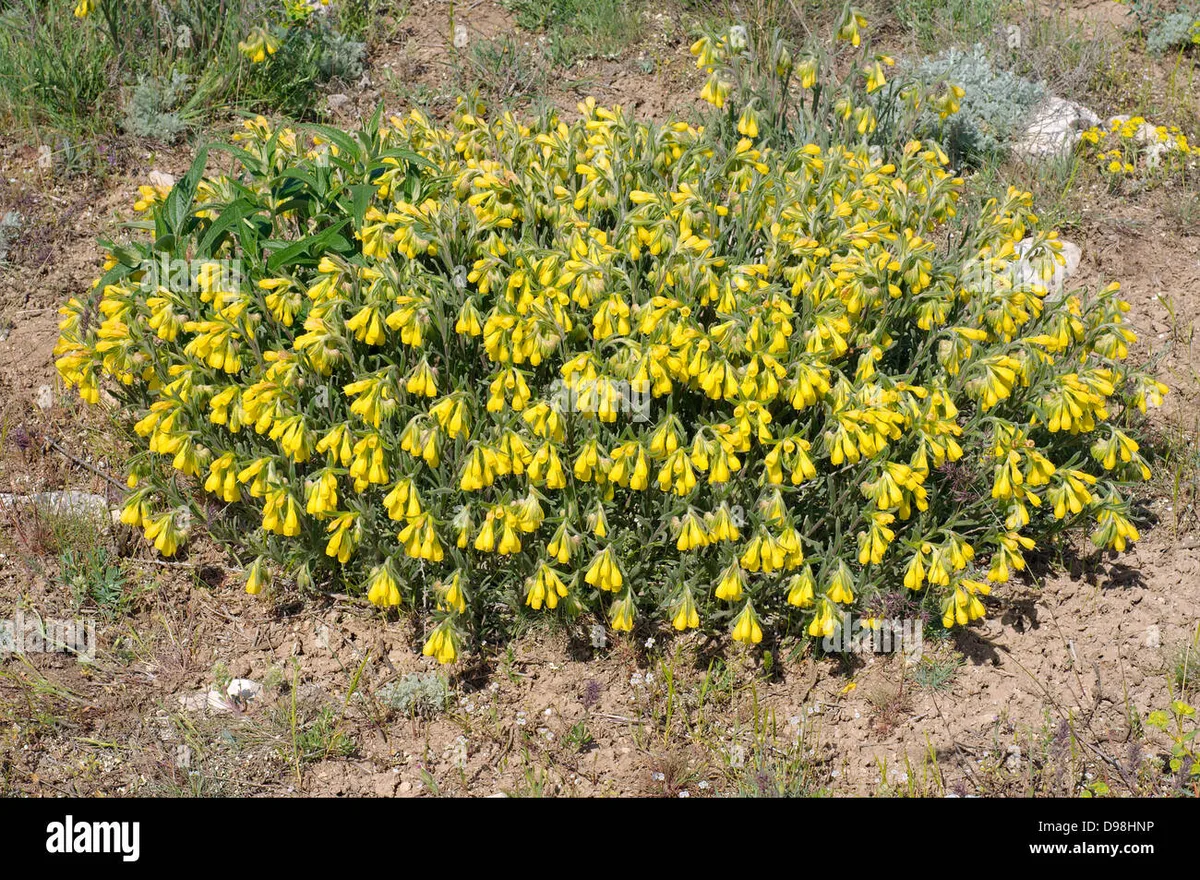
Distribution of golden drop
Distribution map
- Native
- Introduced
- Cultivated
Source:WCVP v16 · Royal Botanic Gardens, Kew · CC BY 3.0 · Boundaries:WGSRPD / TDWG
golden drop care guide
- Moderate regular watering, avoid prolonged drought or waterlogging
- Watering
- Full sun
- Sunlight

Watering
Moderate regular watering, avoid prolonged drought or waterlogging
Fertilizing
 Fertilizing
Balanced feed in spring and light repeat in growth season
Pruning
 Pruning
No pruning required
Propagation
 Propagation
Propagate by seed, sown in containers in an open frame in autumn
Growing
 Growing
Grow in a sunny spot in gritty, free draining soil. Outdoors, grow in a scree bed or plant horizontally in walls or rock garden crevices. Also suitable for an alpine house or cold greenhouse. Protect from excessive rainfall and avoid wetting the foliage when watering
Common pests and diseases
Diseases
Generally disease-free
Pests
May be susceptible to aphids or to glasshouse whitefly when grown under glass
Explore the plant health library →




