
Venezuela treebine
Also known as: grape ivy
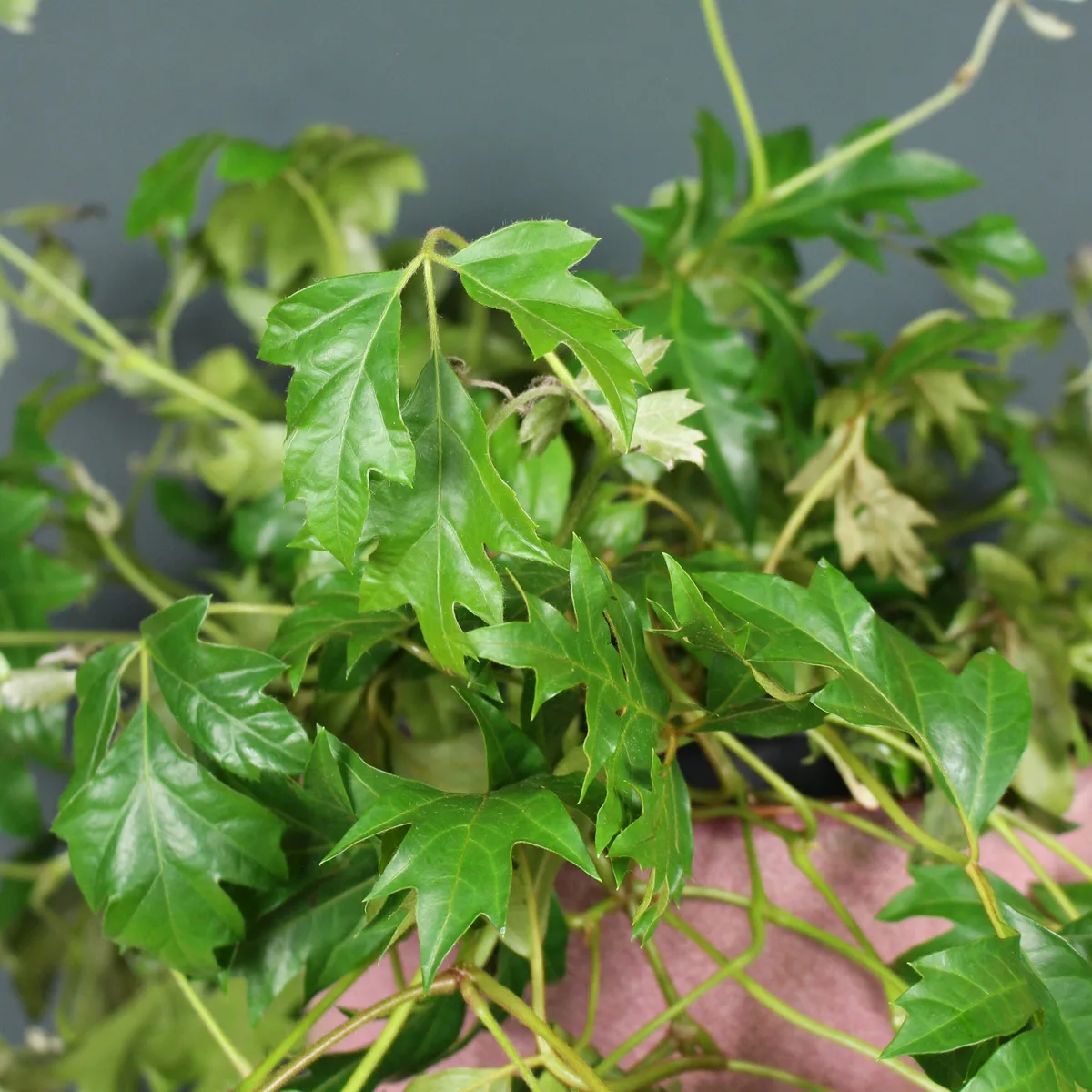
An evergreen tendril climber to 3m, with glossy green leaves composed of 3 broadly ovate leaflets. Insignificant flowers may be followed by blue-black berries
Scientific classification
- Species
- Venezuela treebine (Cissus rhombifolia)
- Genus
- Cissus
- Family
- Vitaceae
- Information to be completed
- Toxicity
- Climber Wall Shrub · Conservatory Greenhouse · Houseplants
- Plant type
- 2.5-4 metres
- Height
- 0.1-0.5 metres
- Spread
- Evergreen
- Foliage
- Climbing
- Habit
- Spring · Summer · Autumn · Winter
- Season of interest
- Full sun · Partial shade
- Sunlight
- Information to be completed
- Ideal temperature









Venezuela treebine pictures
Distribution of Venezuela treebine
Distribution map
Tropical America
Information to be completed
Culture
Information to be completed
Toxicity
Information to be completed
Quick identification of Venezuela treebine
Information to be completed
Venezuela treebine care guide
- Moderate regular watering, allowing brief slight drying between soakings
- Watering
- Full sun · Partial shade
- Sunlight
- Information to be completed
- Ideal temperature

Watering
Moderate regular watering, allowing brief slight drying between soakings
Fertilizing
 Fertilizing
Balanced perennial feed every four weeks from spring through summer
Pruning
 Pruning
Routine pruning is unnecessary; shorten overlong shoots to fit the available space. For last-year flowering growth, prune after flowering; for current-year flowering growth, prune in late winter or spring. This guidance is for established plants.
Propagation
 Propagation
Propagate by hardwood or greenwood cuttings in summer
Growing
 Growing
Grow in a loam-based compost such as John Innes No 2 in bright, filtered light. Apply a balanced liquid fertiliser monthly. Water sparingly in winter. Pot on or top dress in spring
People also ask
Information to be completed
Common pests and diseases
Diseases
Usually trouble free
Pests
Glasshouse red spider mite, glasshouse whitefly and mealybugs may occur
Explore the plant health library →




