
great willowherb
Also known as: apple pie; cherry pie; codlins and cream; custard cups; fiddle grass; gooseberry pie; great hairy willowherb
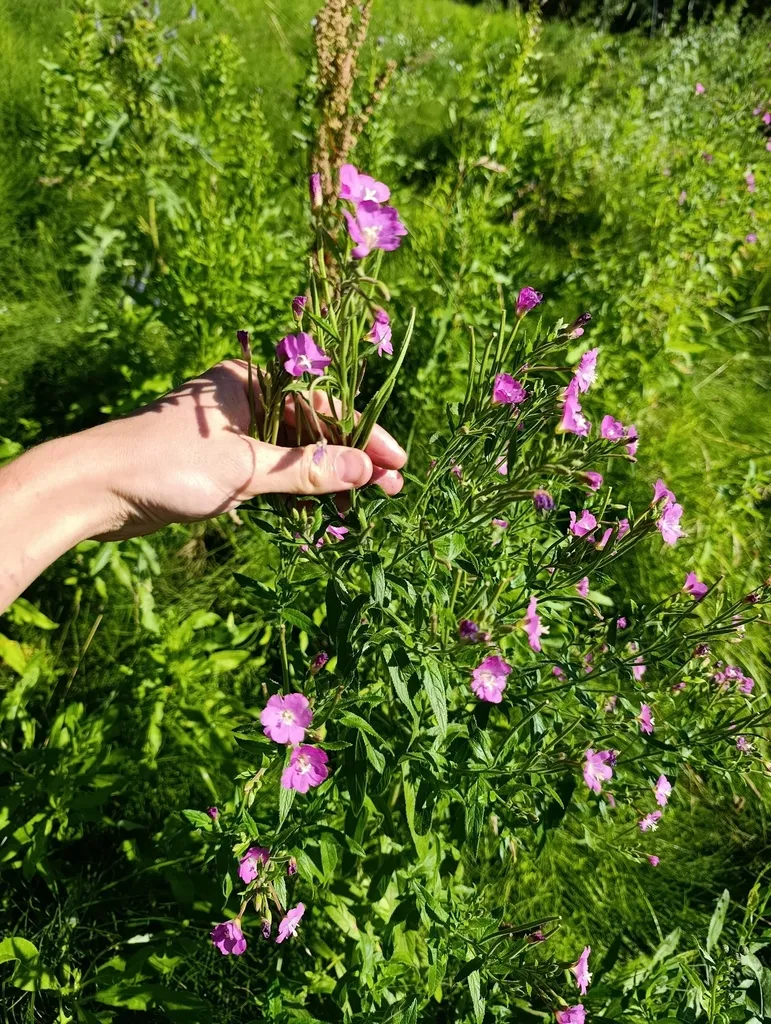
A very strong-growing herbaceous perennial, spread by rhizomes making dense mats of roots. Stems up to 2m in height are clothed in dark green, hairy, narrow lance-shaped leaves. Mid-pink flowers are borne in summer and are particularly attractive to hoverfiles and other pollinators
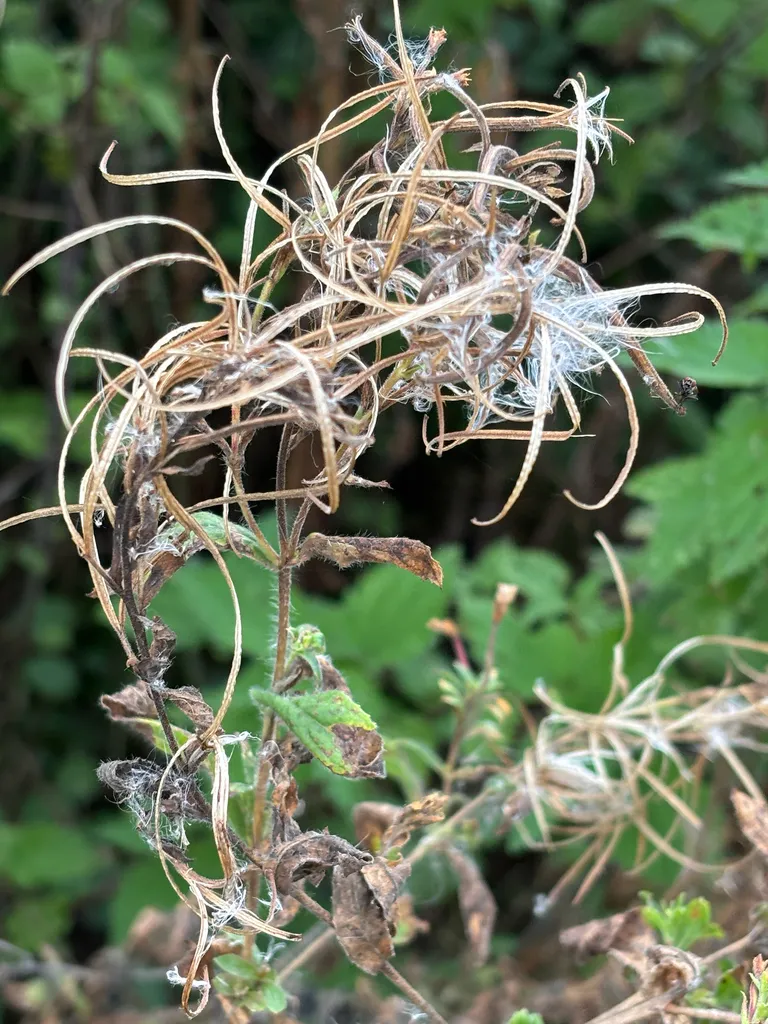
Scientific classification
- Species
- great willowherb (Epilobium hirsutum)
- Genus
- Epilobium
- Family
- Onagraceae
- Order
- Myrtales
- Class
- Magnoliopsida
- Phylum
- Magnoliophyta
- Information to be completed
- Toxicity
- Herbaceous Perennial
- Plant type
- 1.5-2.5 metres
- Height
- 1-1.5 metres
- Spread
- Deciduous
- Foliage
- Suckering · Clump forming
- Habit
- Spring · Summer · Autumn
- Season of interest
- Full sun · Partial shade
- Sunlight
- Information to be completed
- Ideal temperature









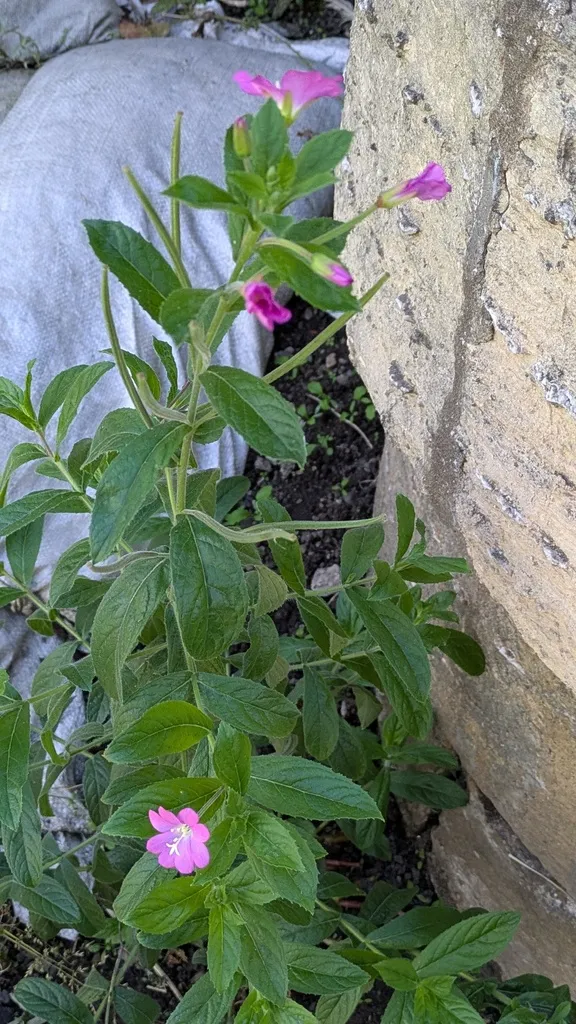
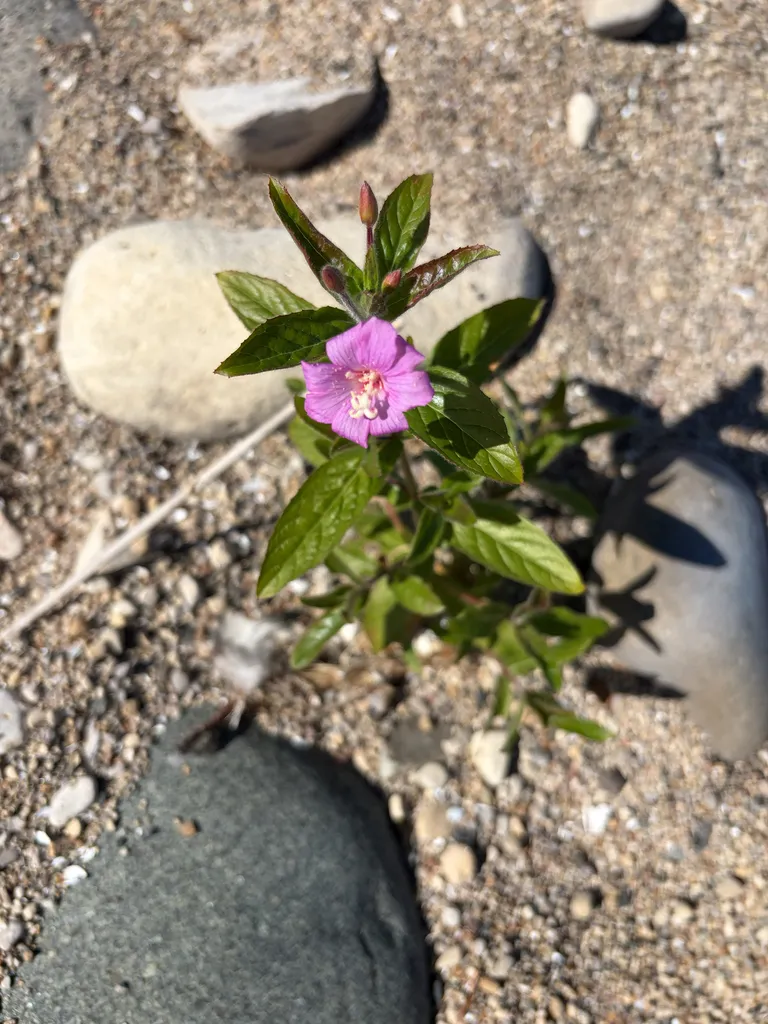
great willowherb pictures
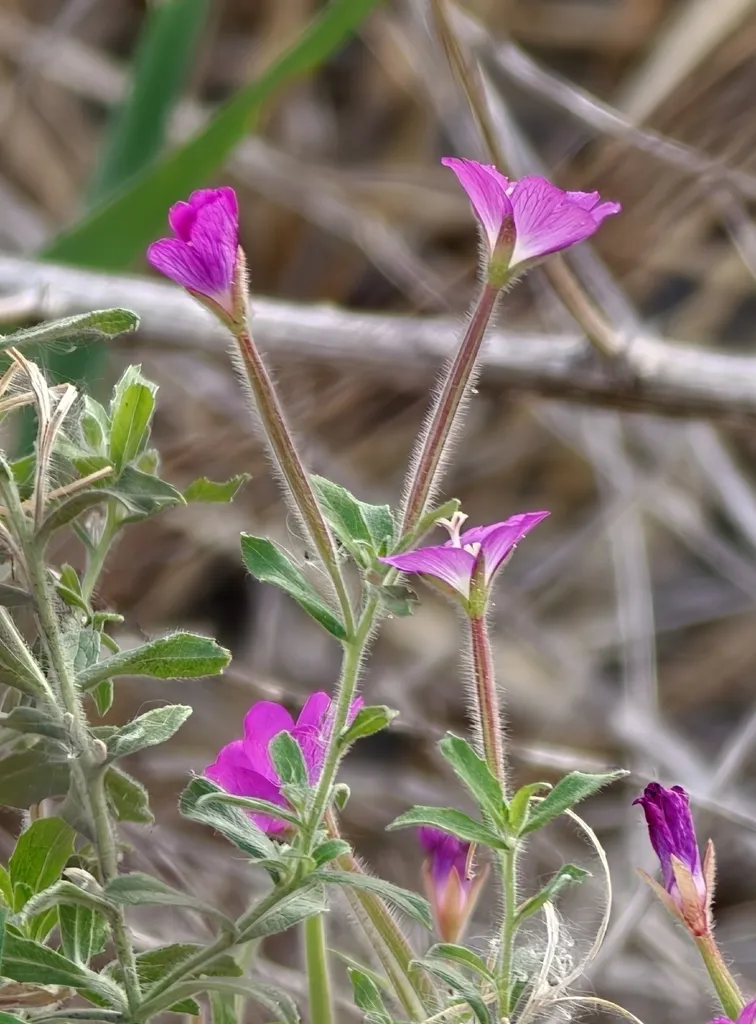
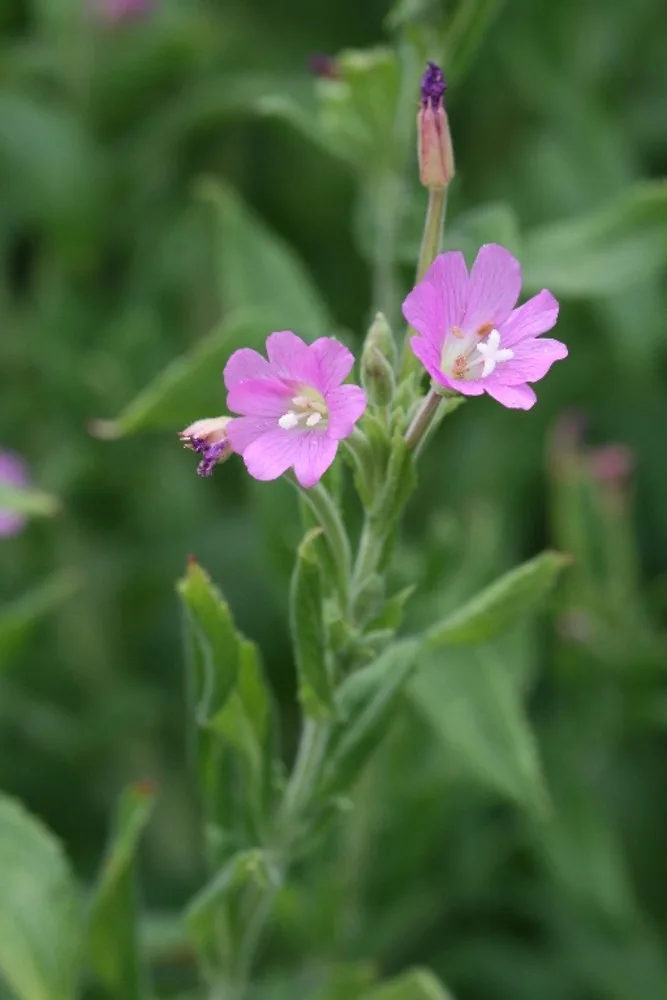
Distribution of great willowherb
Distribution map
- Native
- Introduced
- Cultivated
Source:WCVP v16 · Royal Botanic Gardens, Kew · CC BY 3.0 · Boundaries:WGSRPD / TDWG
great willowherb care guide
- Moderate regular watering, allowing brief slight drying between soakings
- Watering
- Full sun · Partial shade
- Sunlight

Watering
Moderate regular watering, allowing brief slight drying between soakings
Fertilizing
 Fertilizing
Balanced perennial feed every four weeks from spring through summer
Pruning
 Pruning
Cut back at the end of the year, when foliage dies back
Propagation
 Propagation
Propagate by division in autumn or spring, by seed as soon as ripe or in spring
Growing
 Growing
Ideal for damp wild areas such as streamsides or marshy ground where the roots can spread freely. Excellent plant for attracting pollinating species. Will also grow in well-drained soil. Needs full sun to grow best
Common pests and diseases
Diseases
May be susceptible to rust diseases and powdery mildews
Pests
May be susceptible to slugs and snails
Explore the plant health library →




