
Epimedium perralderianum
Also known as: Information to be completed
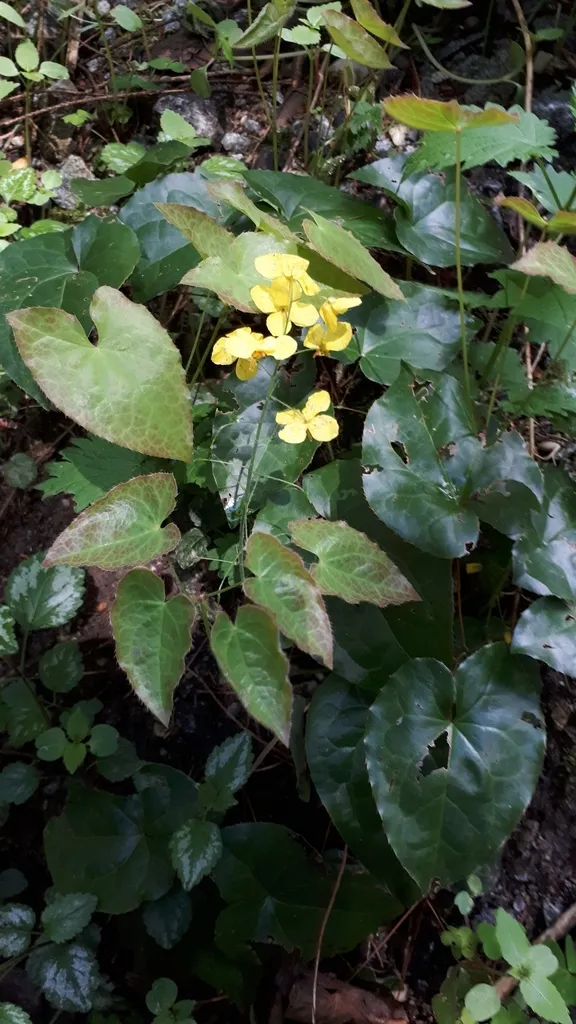
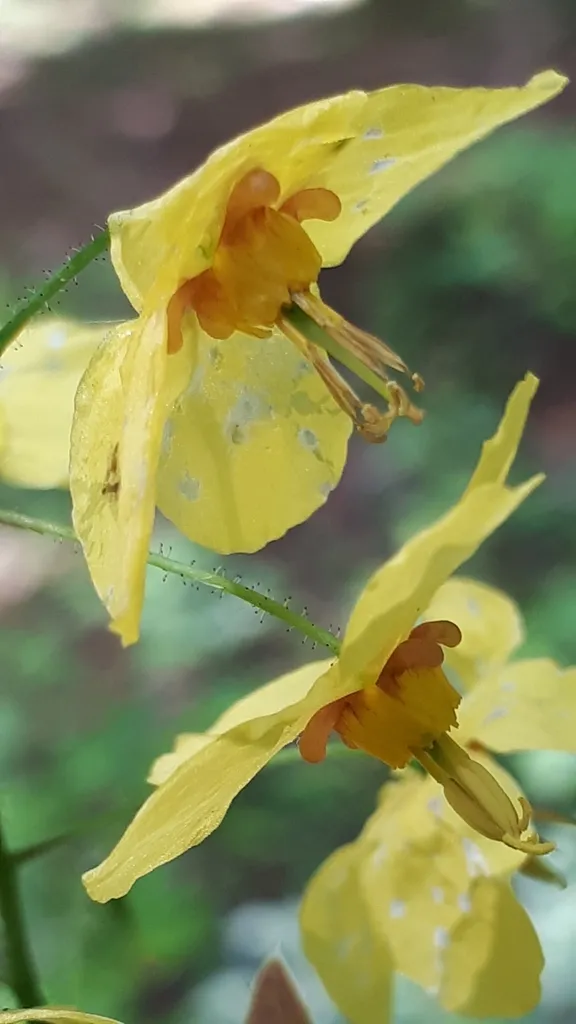
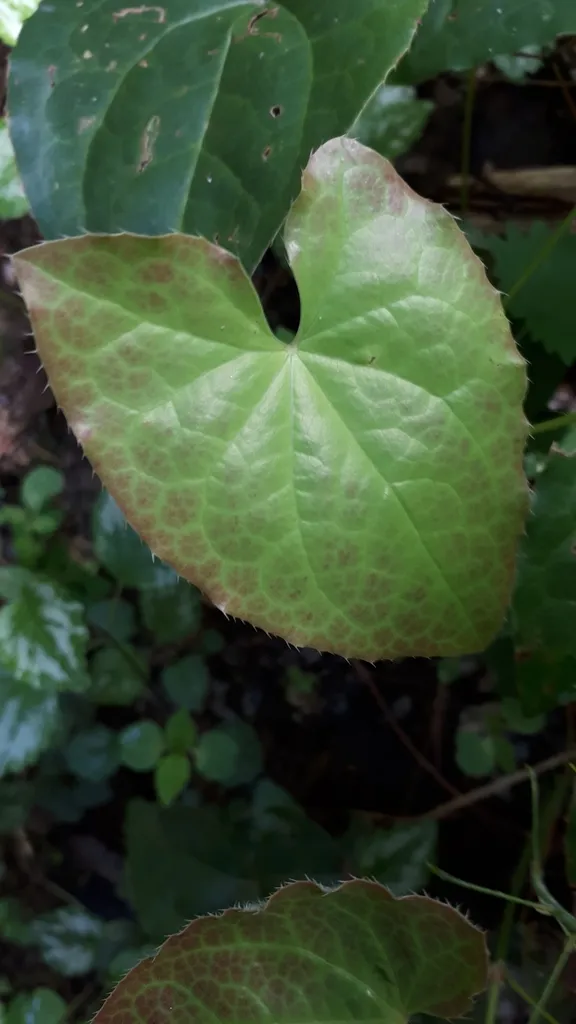
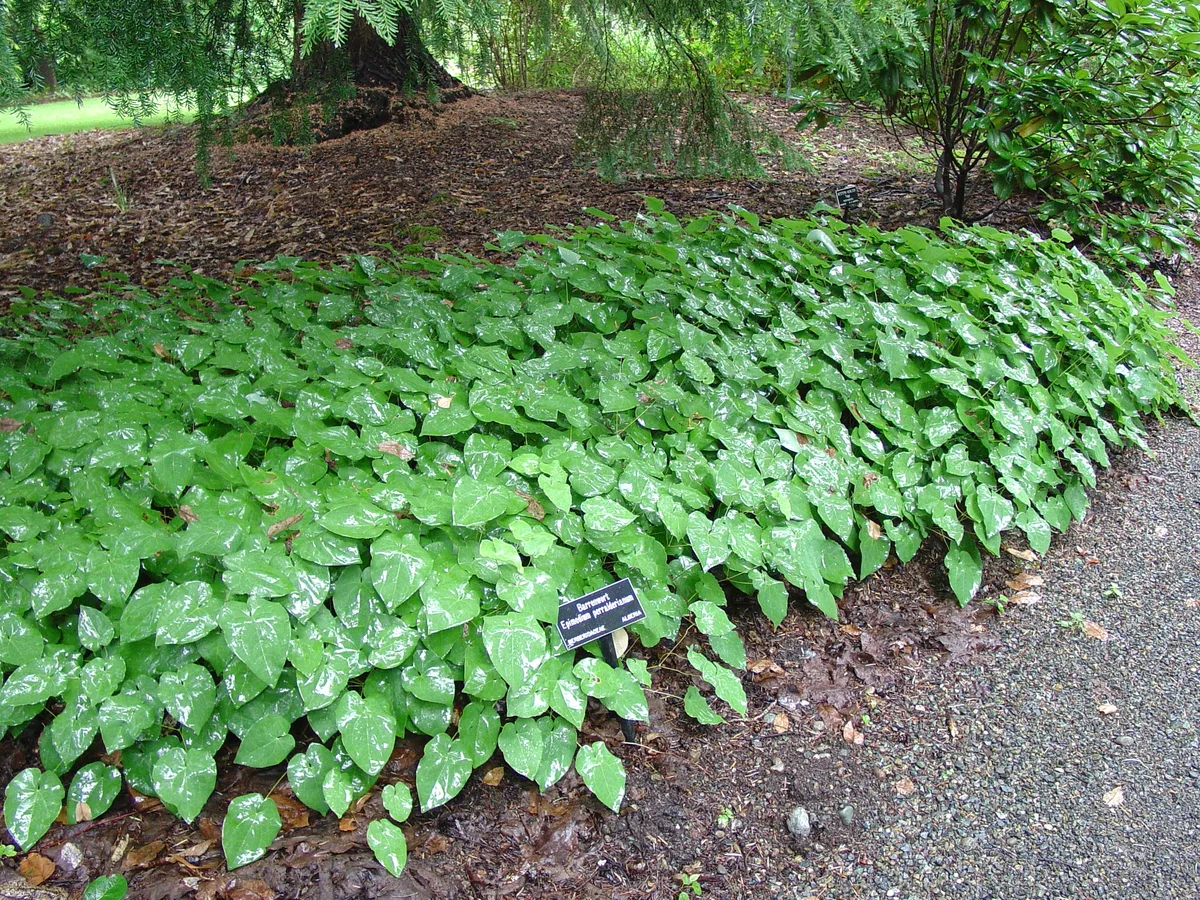
A slow-spreading, evergreen perennial growing to 30cm tall. Each leaf has three glossy, oval leaflets with spiny margins that are tinted bronze when young, aging to a darker green. Up to 25 small, bright yellow flowers are held on stems just above the foliage in spring
Scientific classification
- Species
- Epimedium perralderianum (Epimedium perralderianum)
- Genus
- Epimedium
- Family
- Berberidaceae
- Information to be completed
- Toxicity
- Herbaceous Perennial
- Plant type
- 0.1-0.5 metres
- Height
- 0.1-0.5 metres
- Spread
- Evergreen
- Foliage
- Matforming
- Habit
- Spring · Summer · Autumn · Winter
- Season of interest
- Partial shade
- Sunlight
- Information to be completed
- Ideal temperature









Epimedium perralderianum pictures
Distribution of Epimedium perralderianum
Distribution map
- Native
- Introduced
- Cultivated
Source:WCVP v16 · Royal Botanic Gardens, Kew · CC BY 3.0 · Boundaries:WGSRPD / TDWG
Culture
Information to be completed
Toxicity
Information to be completed
Quick identification of Epimedium perralderianum
Information to be completed
Epimedium perralderianum care guide
- Keep rich woodland soil evenly moist, never baking dry in summer
- Watering
- Partial shade
- Sunlight
- Information to be completed
- Ideal temperature

Watering
Keep rich woodland soil evenly moist, never baking dry in summer
Fertilizing
 Fertilizing
Light balanced feed monthly during spring and early summer growth
Pruning
 Pruning
Cut back old foliage in late winter or early spring before new flower stems emerge for the best display of new foliage and flowers
Propagation
 Propagation
Propagate by division in autumn or after flowering
Growing
 Growing
Grow in fertile, moist but well-drained, humus-rich soil in partial shade; shelter from cold, dry winds. Copes well with dry and open positions when well-established
People also ask
Information to be completed
Common pests and diseases
Diseases
May be affected by a virus
Pests
May be attacked by vine weevil
Explore the plant health library →




