
giant helleborine
Also known as: Information to be completed
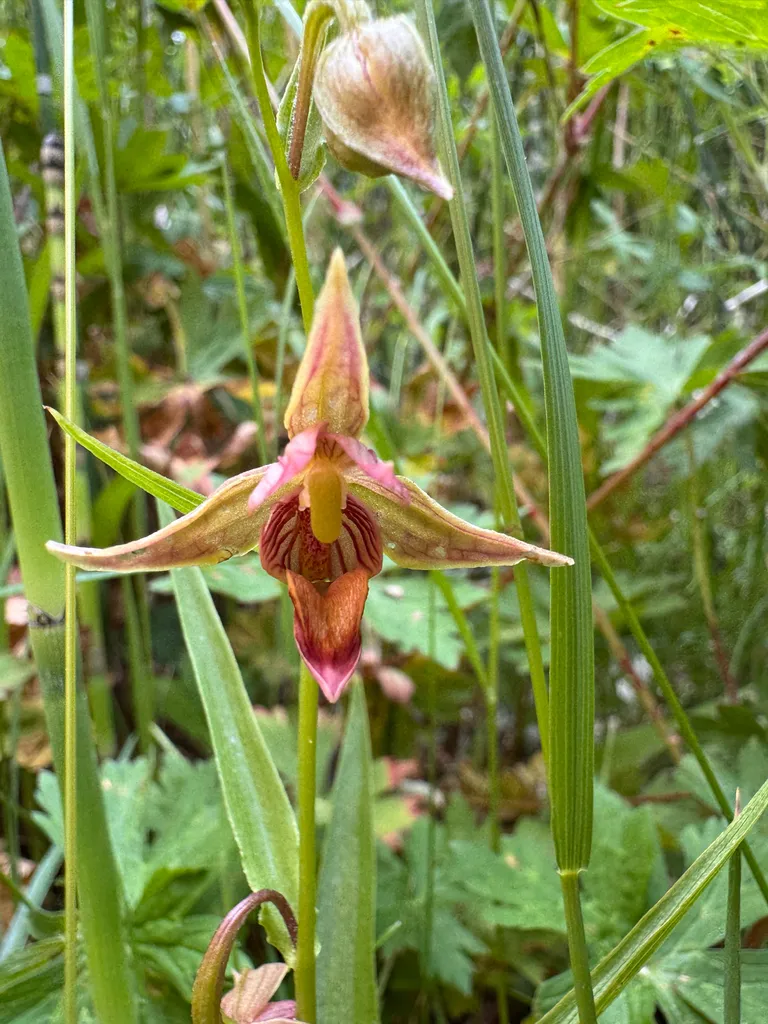
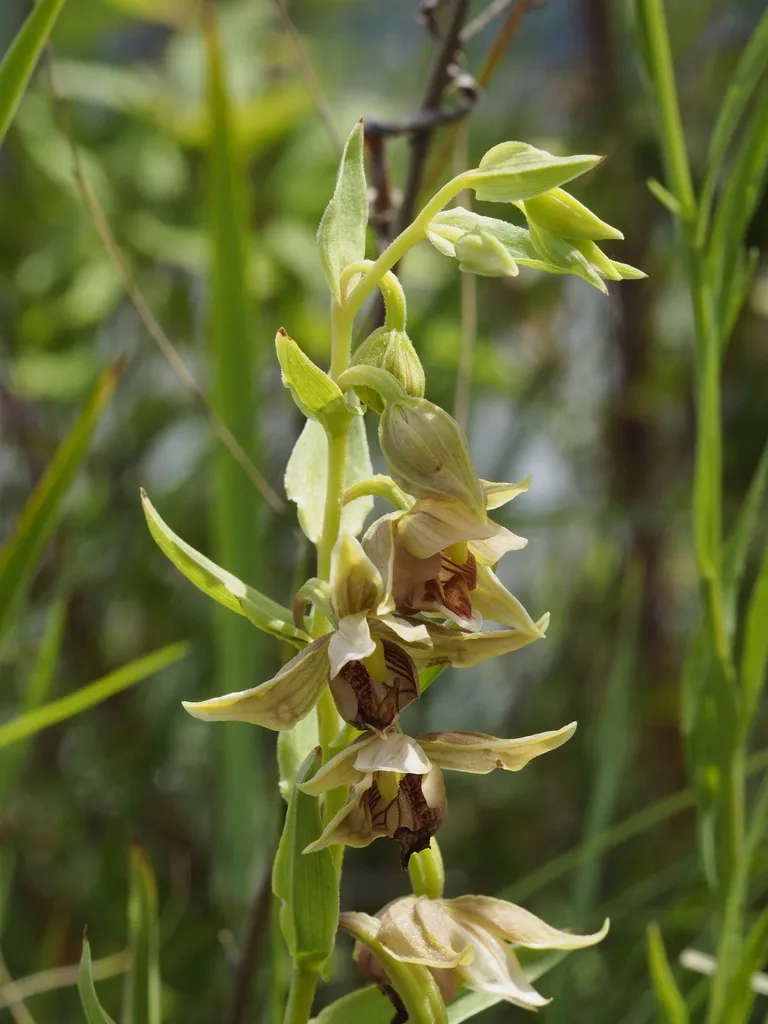
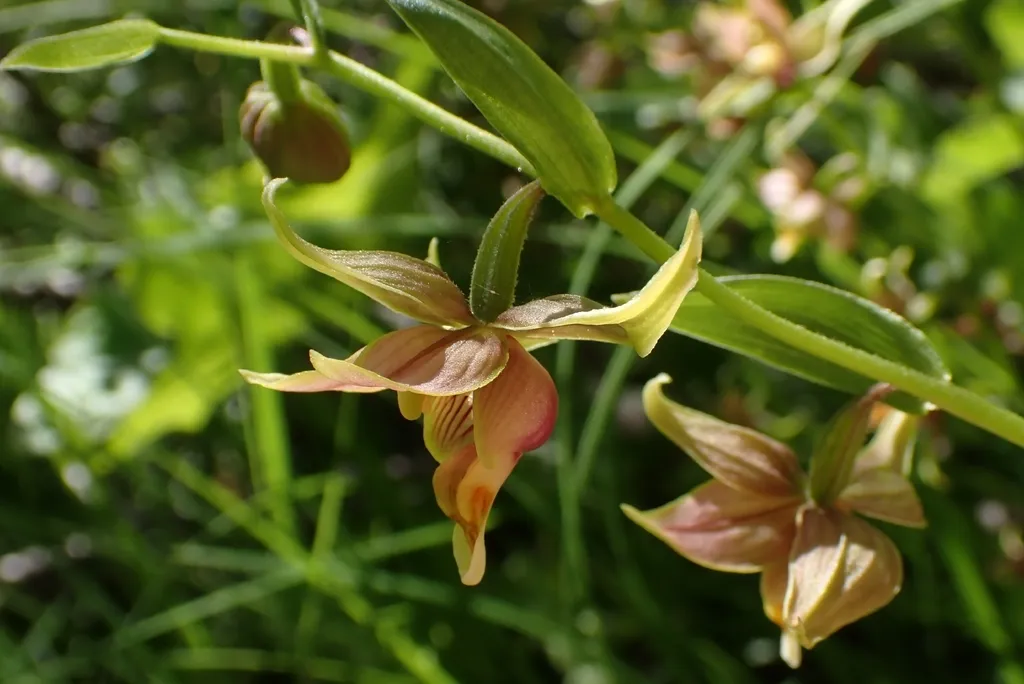
A herbaceous perennial, up to 60cm tall, with mid-green, lance-shaped leaves. In summer, loose spikes of up to 15 yellow-brown, green and pink flowers with red veins can appear, each flower up to 3cm across
Scientific classification
- Species
- giant helleborine (Epipactis gigantea)
- Genus
- Epipactis
- Family
- Orchidaceae
- Information to be completed
- Toxicity
- Herbaceous Perennial
- Plant type
- 0.5-1 metres
- Height
- 0.1-0.5 metres
- Spread
- Deciduous
- Foliage
- Bushy
- Habit
- Spring · Summer · Autumn
- Season of interest
- Partial shade
- Sunlight
- Information to be completed
- Ideal temperature









giant helleborine pictures
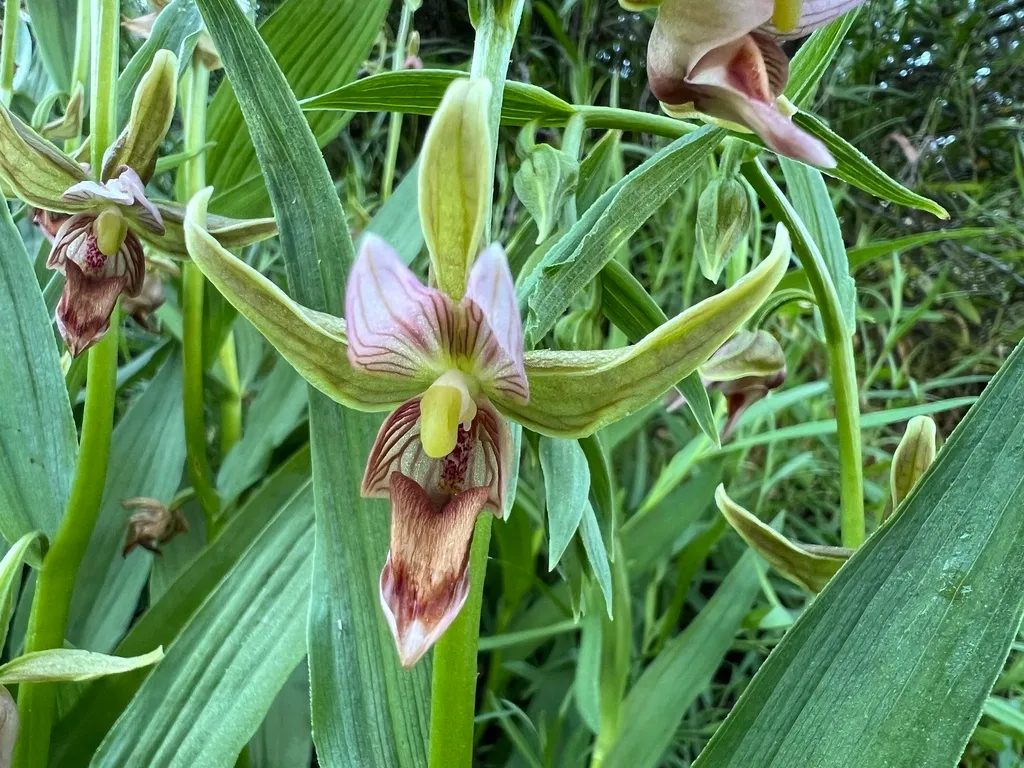
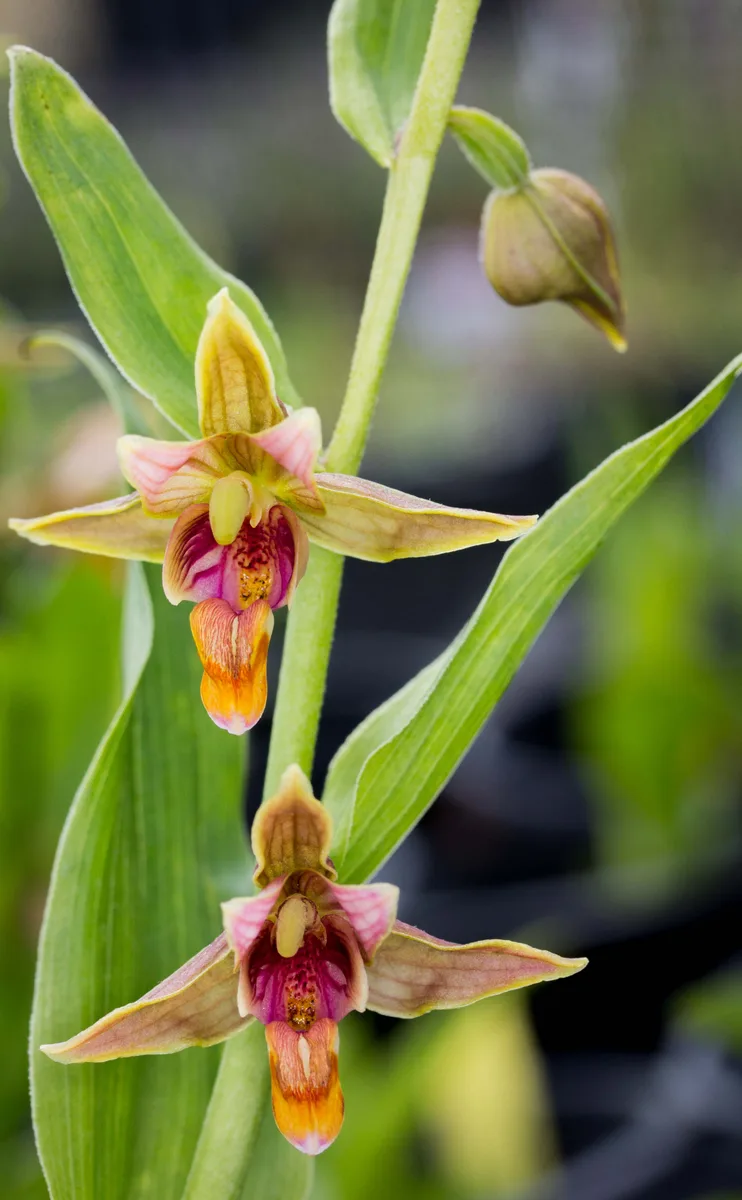
Distribution of giant helleborine
Distribution map
- Native
- Introduced
- Cultivated
Source:WCVP v16 · Royal Botanic Gardens, Kew · CC BY 3.0 · Boundaries:WGSRPD / TDWG
Culture
Information to be completed
Toxicity
Information to be completed
Quick identification of giant helleborine
Information to be completed
giant helleborine care guide
- Moderate regular watering, allowing brief slight drying between soakings
- Watering
- Partial shade
- Sunlight
- Information to be completed
- Ideal temperature

Watering
Moderate regular watering, allowing brief slight drying between soakings
Fertilizing
 Fertilizing
Balanced perennial feed every four weeks from spring through summer
Pruning
 Pruning
None required
Propagation
 Propagation
Division in spring
Growing
 Growing
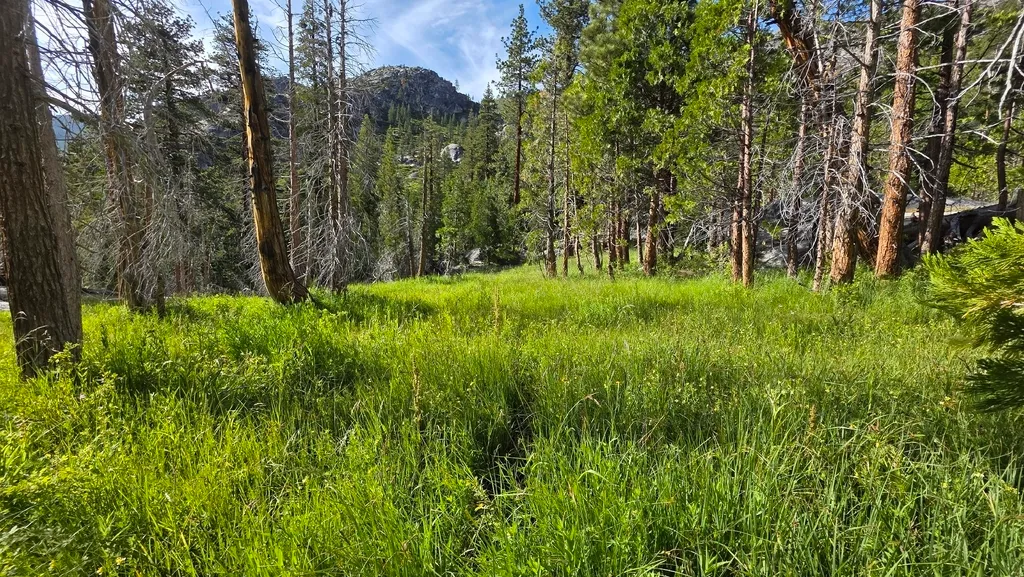
Grow in moist, humus-rich, leafy soil in part shade. Ideal for a rock or woodland garden or in a wildflower meadow
People also ask
Information to be completed
Common pests and diseases
Diseases
Generally trouble free
Pests
Generally trouble free
Explore the plant health library →




