
fishbone cactus
Also known as: Information to be completed
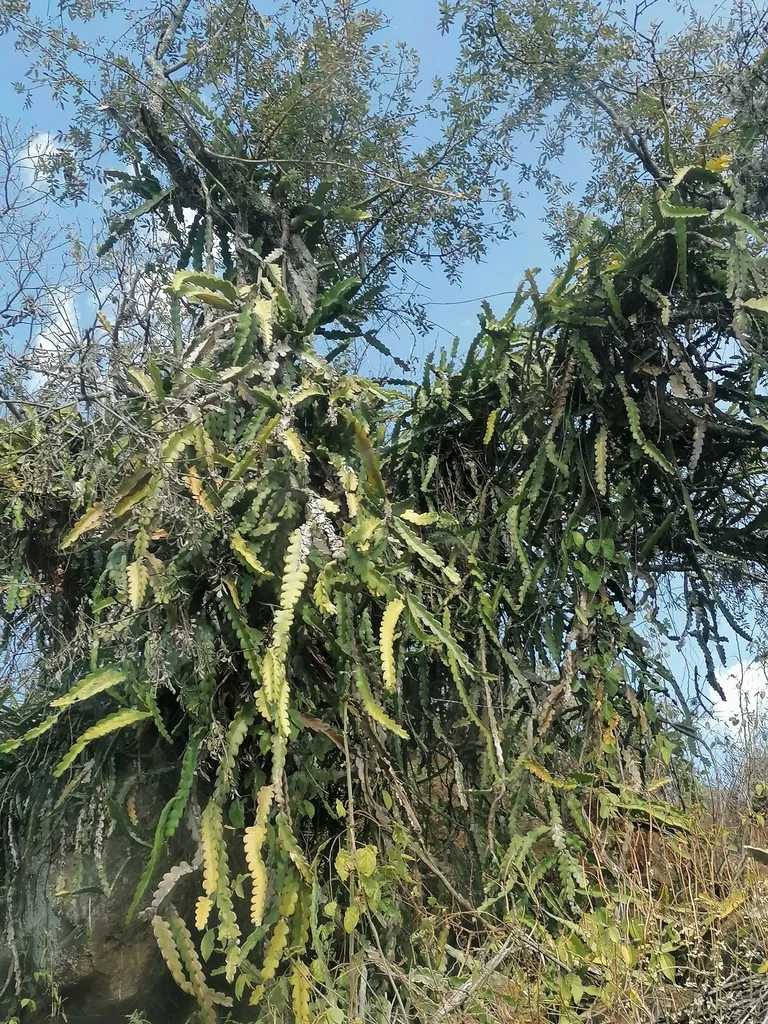
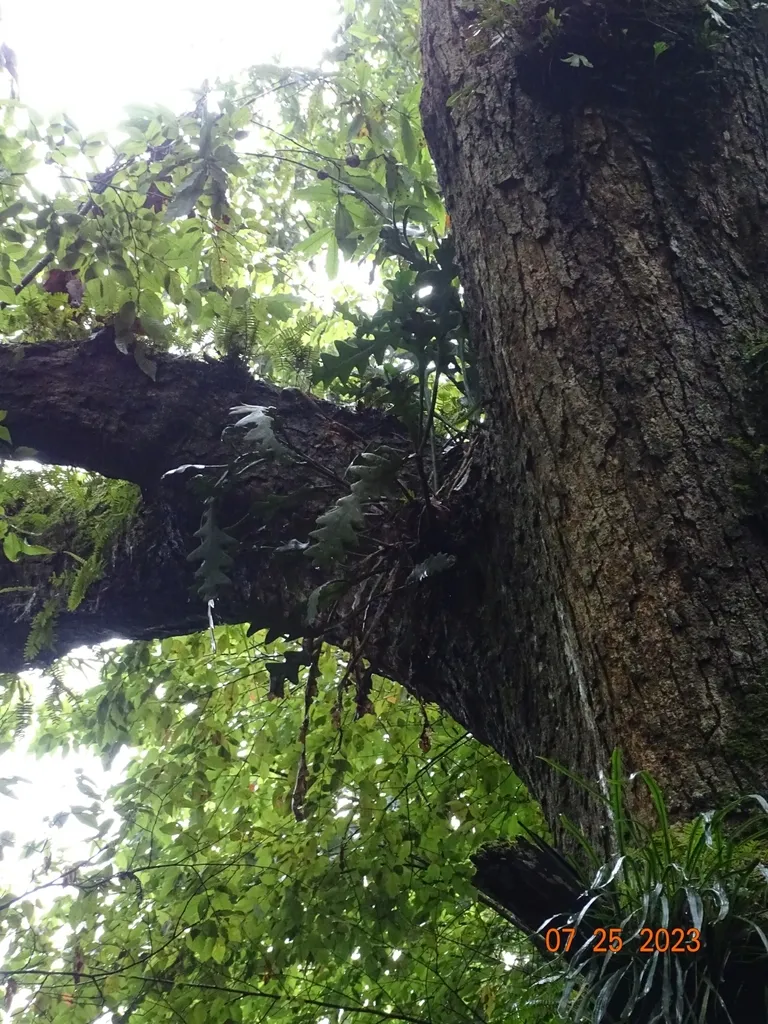
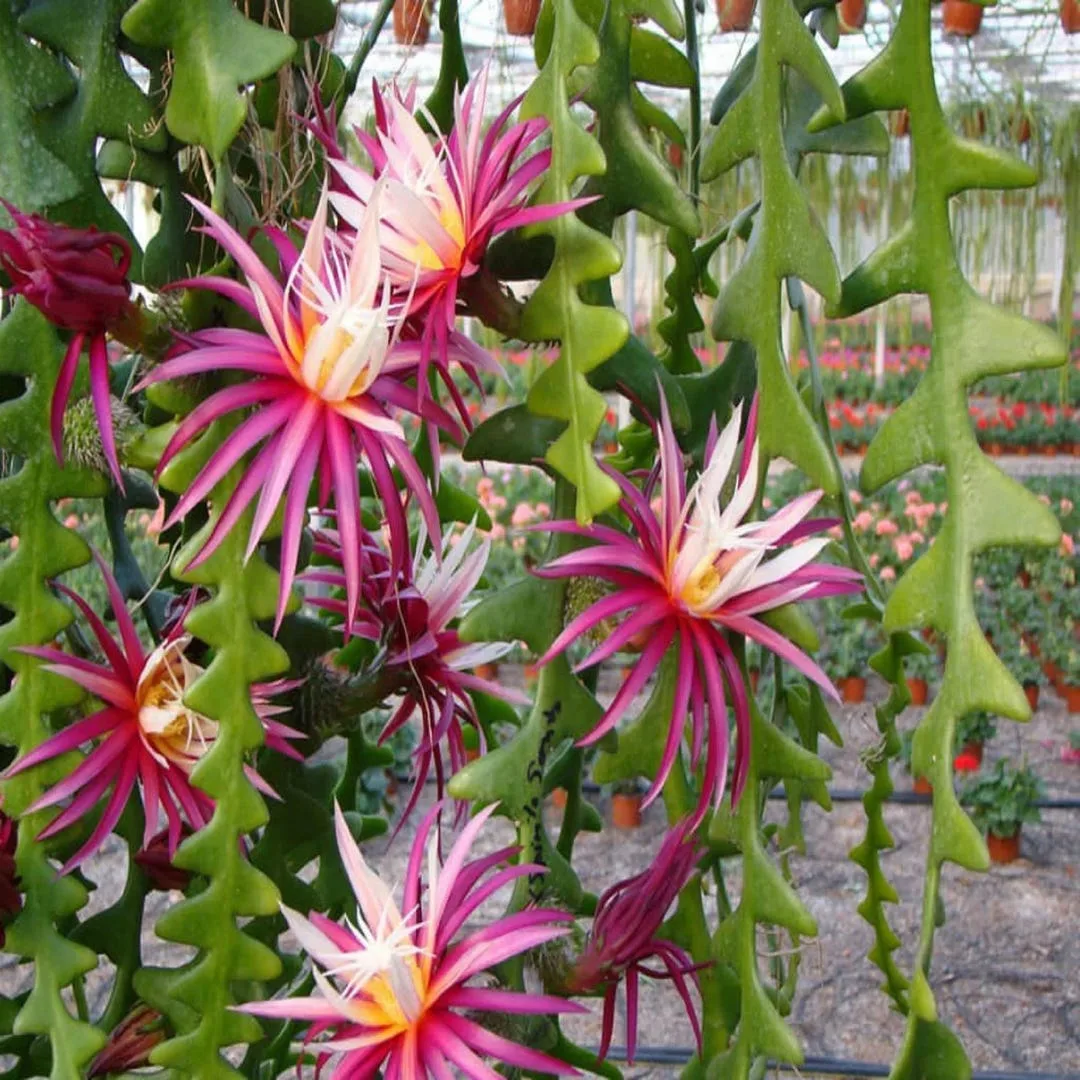
A cactus with strap-shaped, flattened green stems that have notched edges; these leaf-like stems are initially upright before becoming more pendent as they age and elongate. Fragrant, white flowers up to 10cm across are borne in summer
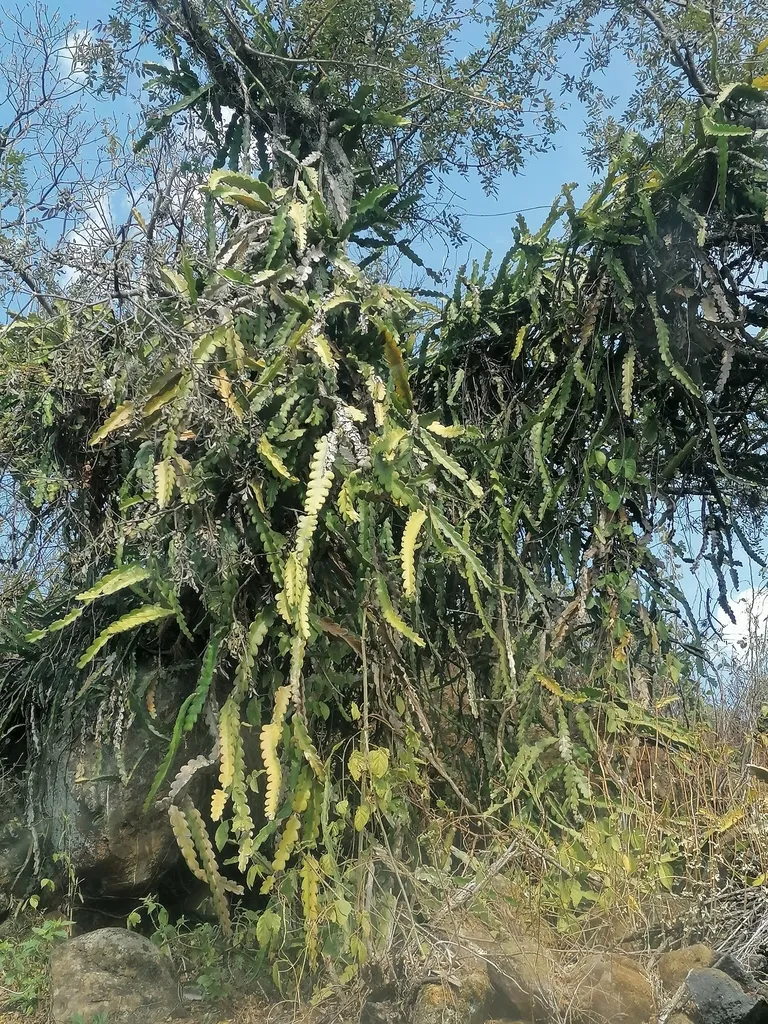
Scientific classification
- Species
- fishbone cactus (Disocactus anguliger)
- Genus
- Disocactus
- Family
- Cactaceae
- Information to be completed
- Toxicity
- Cactus Succulent · Conservatory Greenhouse · Houseplants
- Plant type
- 0.5-1 metres
- Height
- 0.1-0.5 metres
- Spread
- Evergreen
- Foliage
- Trailing · Columnar upright
- Habit
- Spring · Summer · Autumn · Winter
- Season of interest
- Partial shade
- Sunlight
- 15 – 25 °C
- Ideal temperature









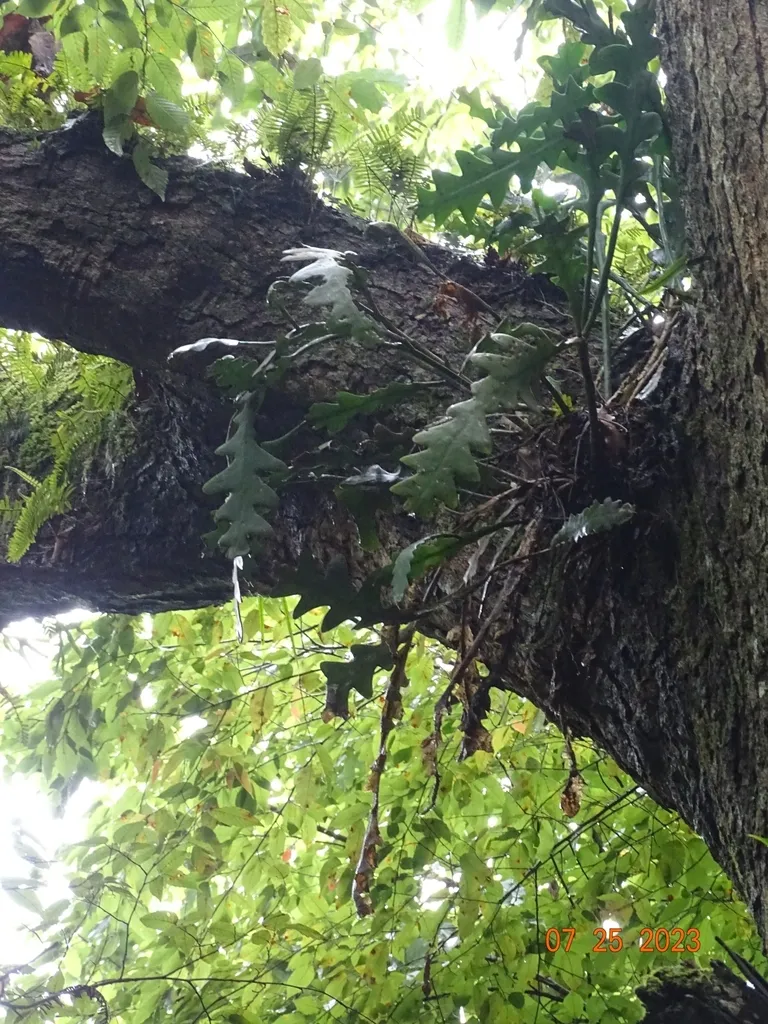
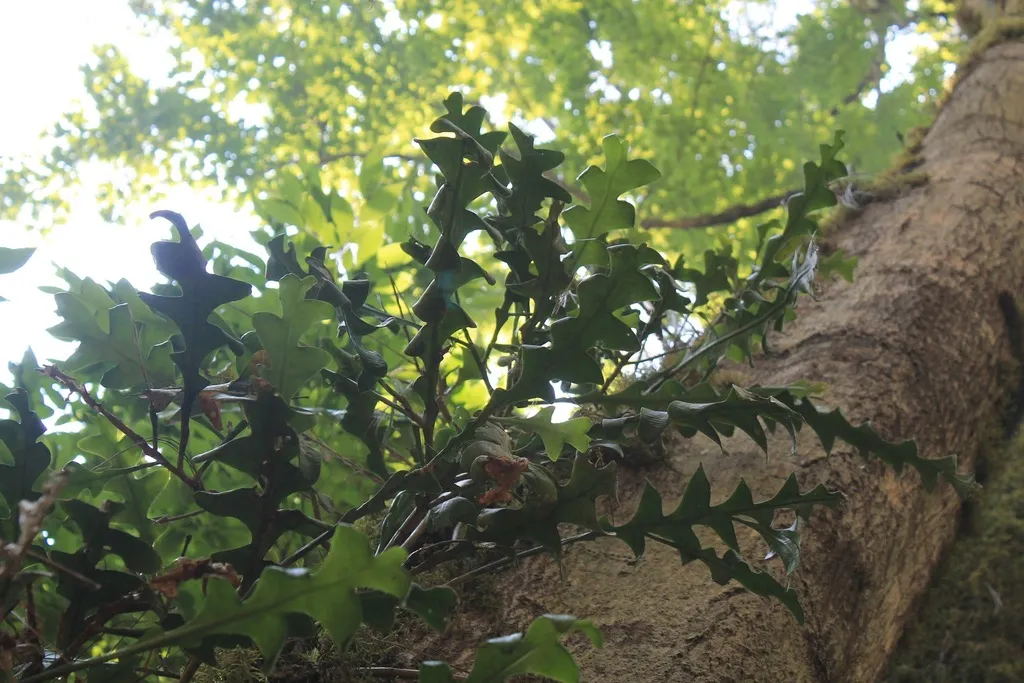
fishbone cactus pictures
Distribution of fishbone cactus
Distribution map
Mexico
Information to be completed
Culture
Information to be completed
Toxicity
Information to be completed
Quick identification of fishbone cactus
Information to be completed
fishbone cactus care guide
- Moderate regular watering, allowing brief slight drying between soakings
- Watering
- Partial shade
- Sunlight
- 15 – 25 °C
- Ideal temperature

Watering
Moderate regular watering, allowing brief slight drying between soakings
Fertilizing
 Fertilizing
Balanced perennial feed every four weeks from spring through summer
Pruning
 Pruning
No pruning required
Propagation
 Propagation
Propagate by seed or by stem cuttings
Growing
 Growing
In areas where temperature drops below 10⁰C, grow in epiphytic cactus compost in bright filtered light as houseplants or in a greenhouse with a minimum temperature of 15⁰C in the growing season. In warmer climates grow outside in fertile, sharply drained soil in light or dappled shade. See epihyllum cultivation for more information
People also ask
Information to be completed
Common pests and diseases
Diseases
Generally disease-free
Pests
May be susceptible to mealybugs, aphids and glasshouse red spider mite
Explore the plant health library →




