
three-cornered garlic
Also known as: three-cornered leek; triquetrous leek
A bulbous plant with a triangular stalk up to 40cm tall and star-shaped flowers, petals each with a single green vein, produced from April to June. This attractive but rather weedy onion, native to southern Europe is occasionally cultivated intentionally but invariably becomes a nuisance, as it spreads freely by both bulbils and seeds
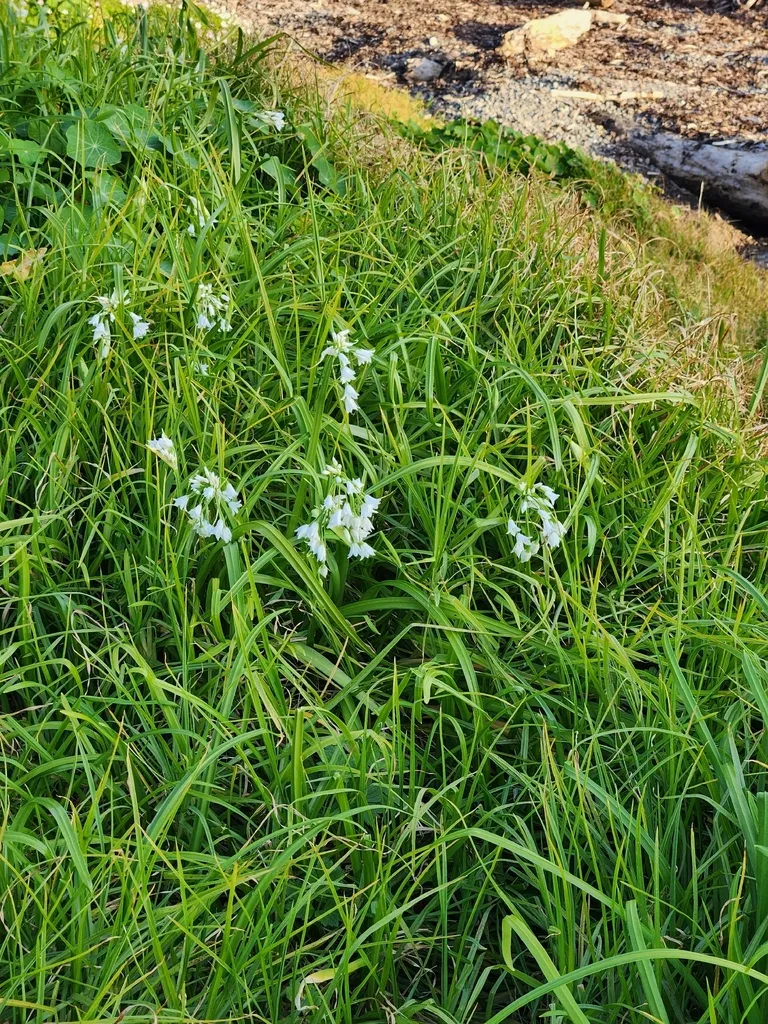
Scientific classification
- Species
- three-cornered garlic (Allium triquetrum)
- Genus
- Allium
- Family
- Amaryllidaceae
- Information to be completed
- Toxicity
- Bulbs
- Plant type
- 0.1-0.5 metres
- Height
- 0.1-0.5 metres
- Spread
- Deciduous
- Foliage
- Clump forming
- Habit
- Spring · Summer · Autumn
- Season of interest
- Full sun · Partial shade
- Sunlight
- Information to be completed
- Ideal temperature









three-cornered garlic pictures
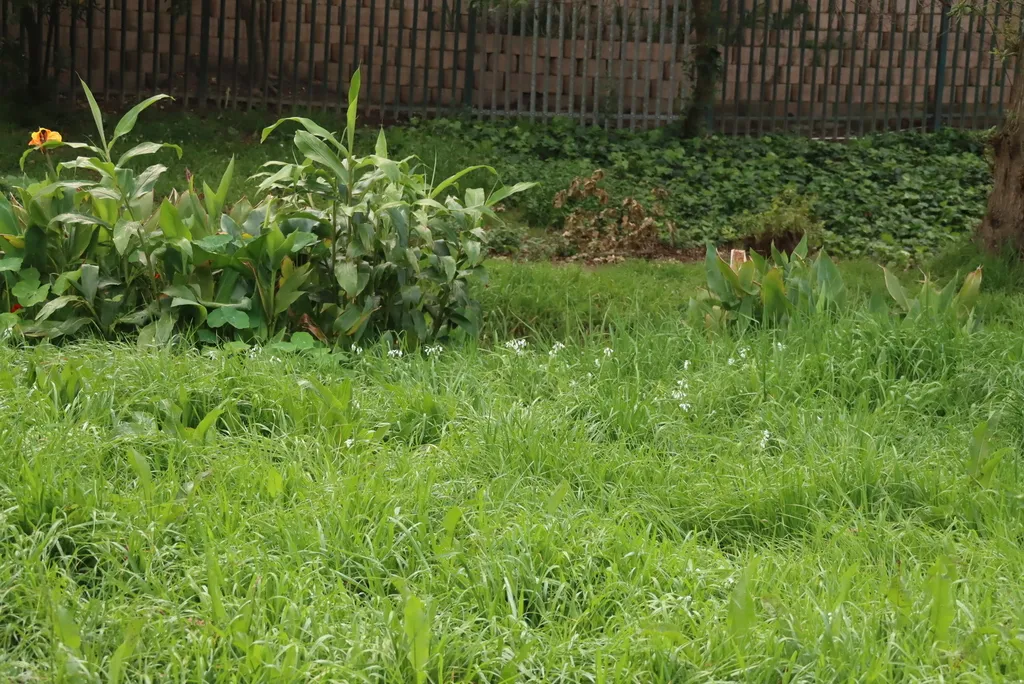
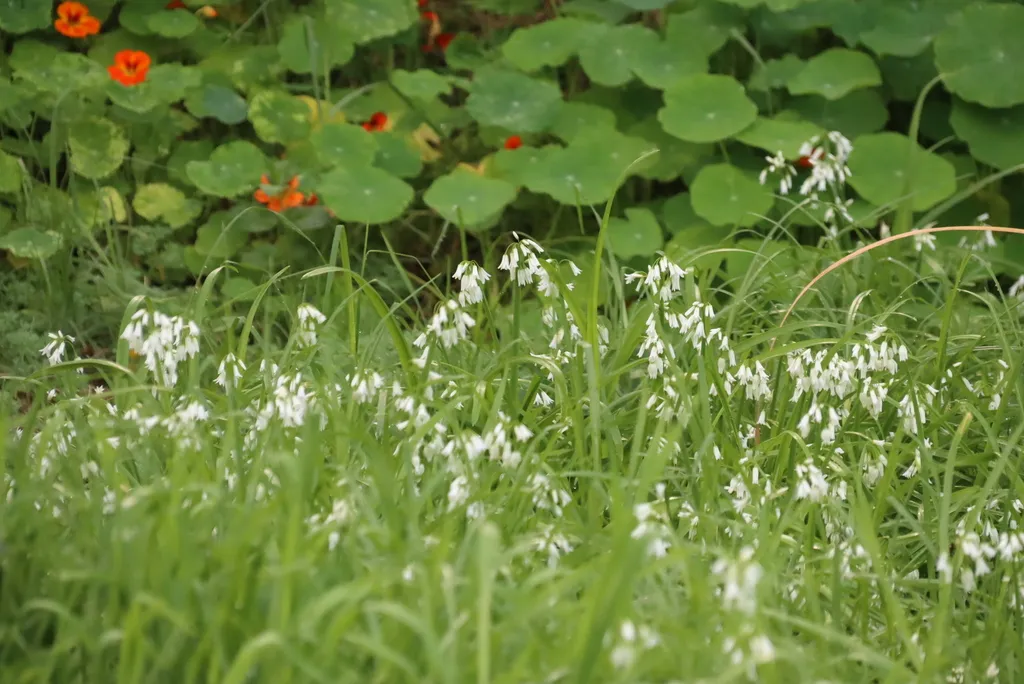
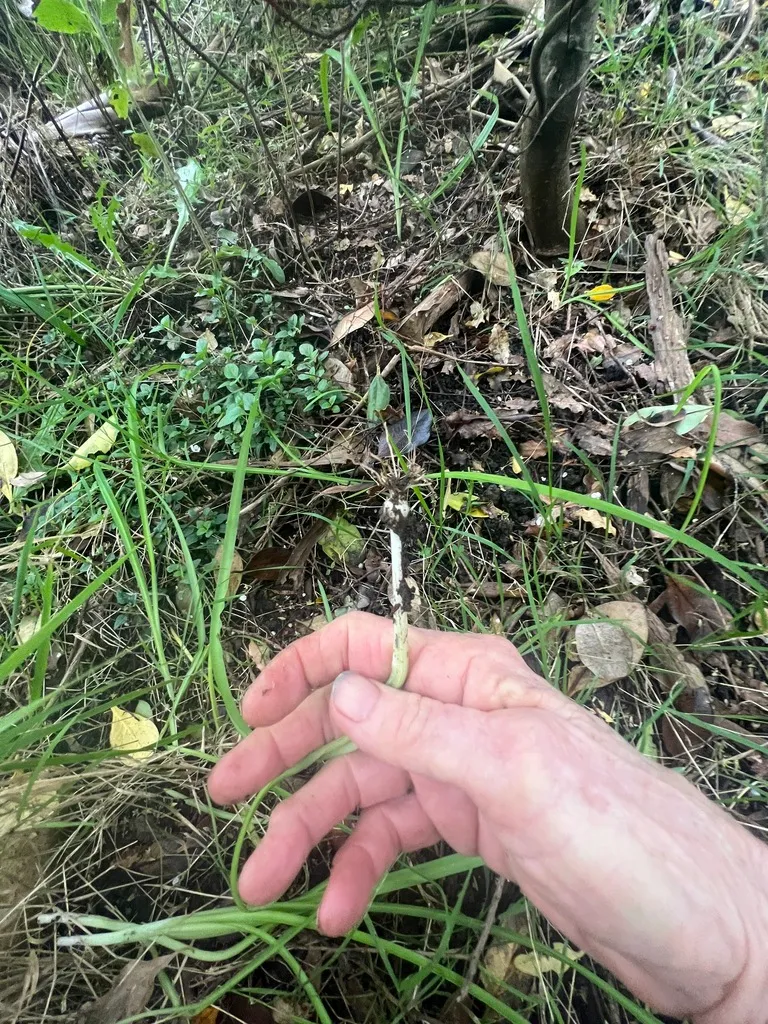
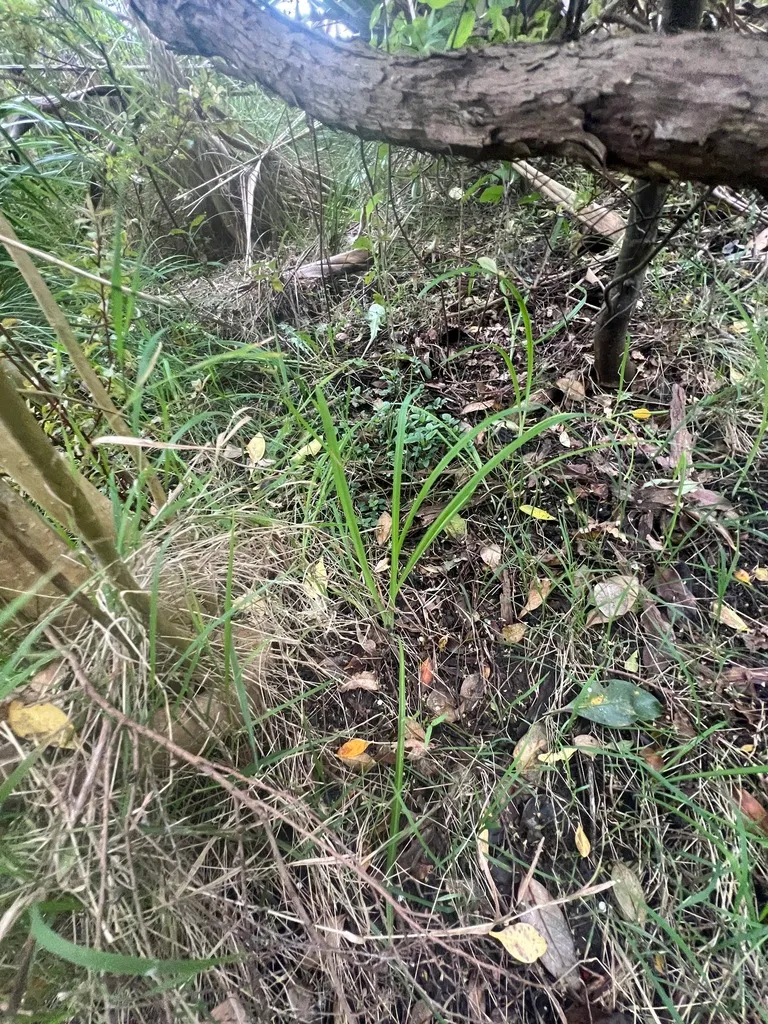
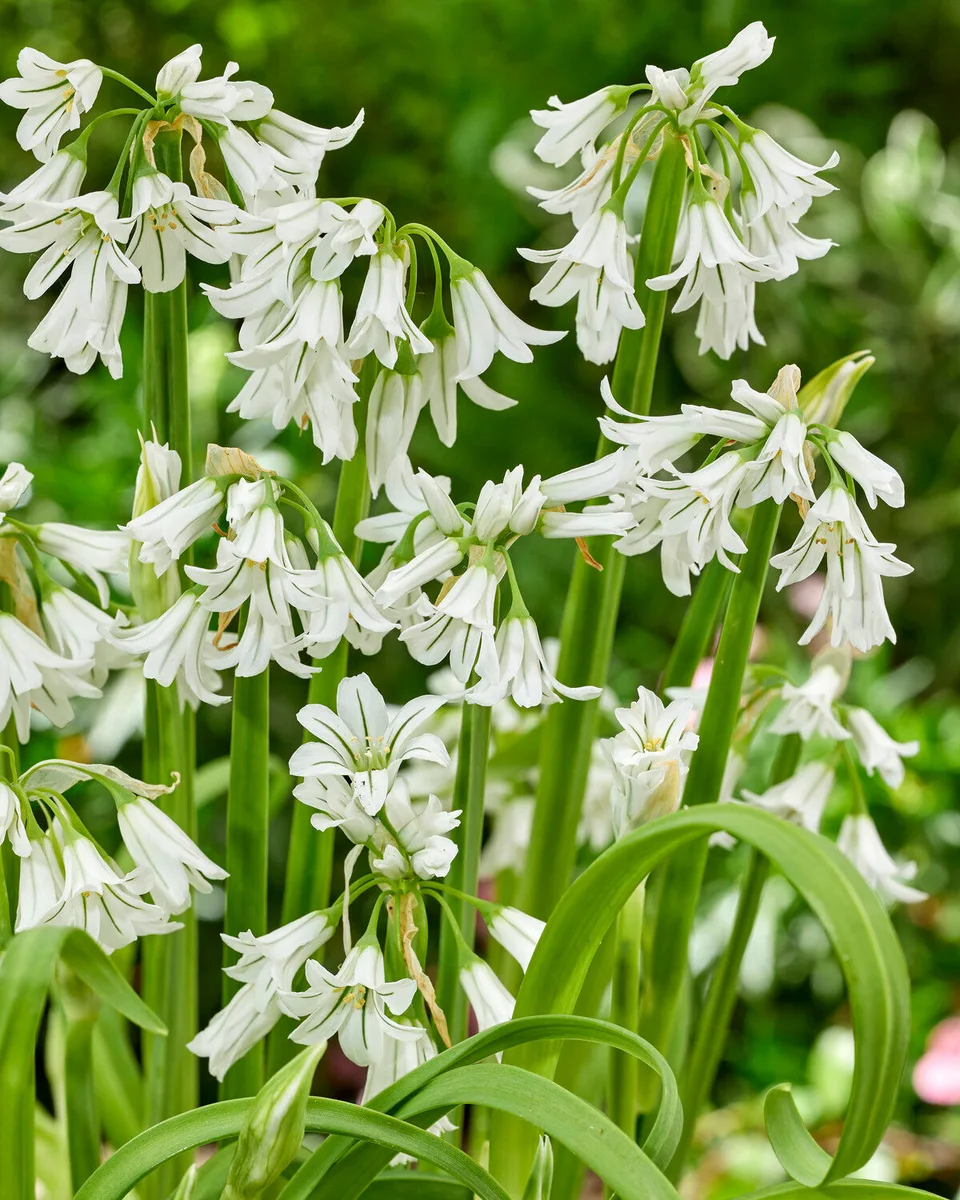
Distribution of three-cornered garlic
Distribution map
Information to be completed
Information to be completed
Culture
Information to be completed
Toxicity
Information to be completed
Quick identification of three-cornered garlic
Information to be completed
three-cornered garlic care guide
- Moist soil during active growth, then reduce watering after foliage yellows
- Watering
- Full sun · Partial shade
- Sunlight
- Information to be completed
- Ideal temperature

Watering
Moist soil during active growth, then reduce watering after foliage yellows
Fertilizing
 Fertilizing
Light bulb fertilizer at emergence and again after flowering
Pruning
 Pruning
No pruning required
Propagation
 Propagation
Please see cultivation notes
Growing
 Growing
This plant is listed on Schedule 9 of the UK Wildlife & Countryside Act as an invasive non-native species. Although not banned from sale, it is an offence to plant or cause these to grow in the wild IN ENGLAND WALES, NORTHERN IRELAND and the REPUBLIC OF IRELAND. Gardeners possessing them should undertake measures to control them. See RHS advice on invasive non-native species for further information
People also ask
Information to be completed
Common pests and diseases
Diseases
Generally disease-free
Pests
Generally pest-free
Explore the plant health library →




