
Viola 'Zoe'
Also known as: Information to be completed
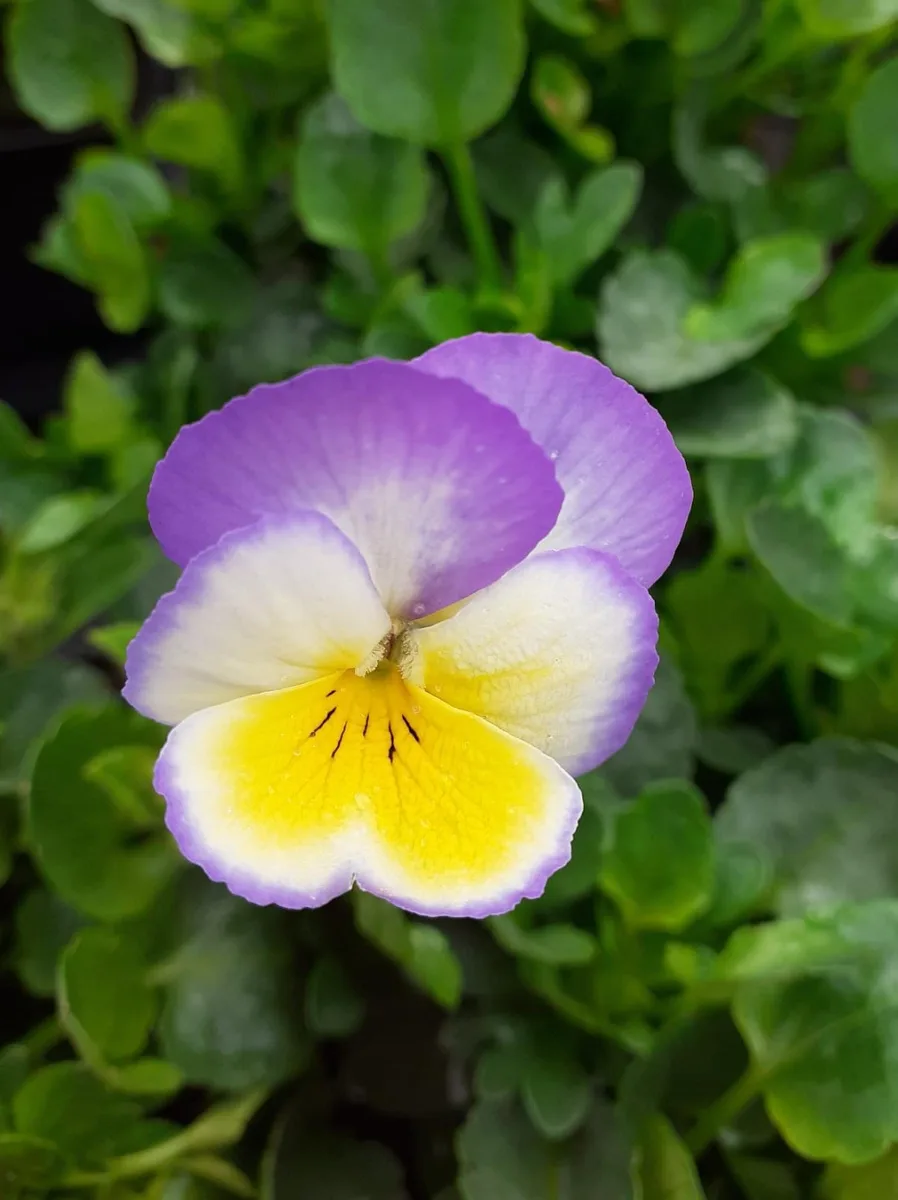
A compact, clump-forming, evergreen perennial to about 15cm with dark green, heart-shaped leaves. Small, yellow-faced, light purple, pansy flowers are produced from mid-spring to mid-autumn
Scientific classification
- Species
- Viola 'Zoe' (Viola 'Zoe')
- Genus
- Viola
- Family
- Violaceae
- Information to be completed
- Toxicity
- Herbaceous Perennial
- Plant type
- 0.1-0.5 metres
- Height
- 0.1-0.5 metres
- Spread
- Evergreen
- Foliage
- Clump forming
- Habit
- Spring · Summer · Autumn · Winter
- Season of interest
- Partial shade
- Sunlight
- Information to be completed
- Ideal temperature









Viola 'Zoe' pictures
Distribution of Viola 'Zoe'
Distribution map
Information to be completed
Information to be completed
Culture
Information to be completed
Toxicity
Information to be completed
Quick identification of Viola 'Zoe'
Information to be completed
Viola 'Zoe' care guide
- Even mild moisture, do not allow growing medium to fully dry
- Watering
- Partial shade
- Sunlight
- Information to be completed
- Ideal temperature

Watering
Even mild moisture, do not allow growing medium to fully dry
Fertilizing
 Fertilizing
Half-strength bloom fertilizer every two weeks spring summer
Pruning
 Pruning
Deadhead to prolong flowering. After flowering, cut back vigorous plants to maintain shape
Propagation
 Propagation
Propagate by softwood tip cuttings in spring or late summer. May be short-lived so propagate regularly
Growing
 Growing
Grow in fertile, humus-rich, moist but well-drained soil. Prefers partial shade
People also ask
Information to be completed
Common pests and diseases
Diseases
May be susceptible to powdery mildews, pansy leaf spot, a virus and a rust
Pests
May be susceptible to slugs, snails, aphids, red spider mites and violet leaf midges
Explore the plant health library →




