
commonName:"elegant maple"
Also known as: Information to be completed
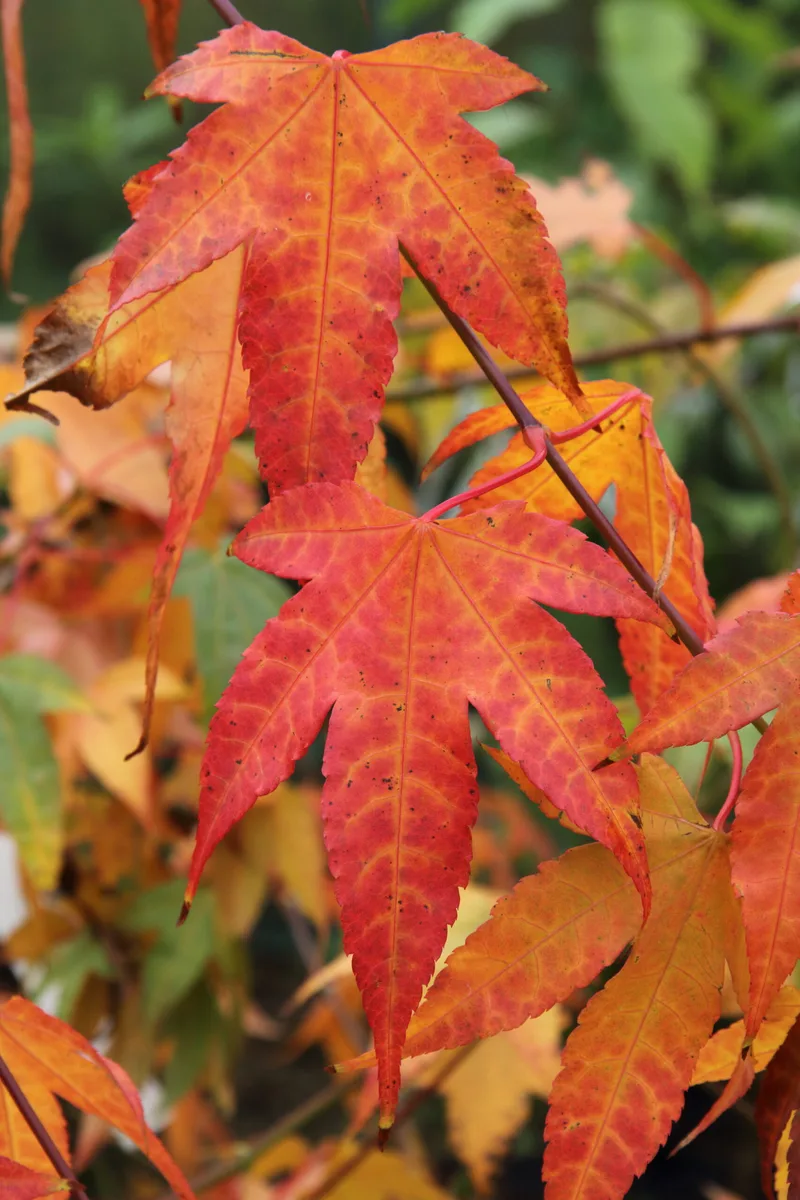
A tree which can reach heights of around 15m but generally no higher than 5m in cultivation, with delicate, papery 5-lobed palmate leaves, with the three central lobes much longer than the side lobes. The leaves emerge a light purple, before turning green in summer and then developing orange-red hues in autumn. Best grown in a very sheltered location or against a wall
Scientific classification
- Species
- commonName:"elegant maple" (Acer elegantulum)
- Genus
- Acer
- Family
- Sapindaceae
- Information to be completed
- Toxicity
- Trees
- Plant type
- Information to be completed
- Height
- Information to be completed
- Spread
- Deciduous
- Foliage
- Bushy
- Habit
- Autumn · Spring · Summer
- Season of interest
- Full sun · Partial shade
- Sunlight
- Information to be completed
- Ideal temperature









commonName:"elegant maple" pictures
Distribution of commonName:"elegant maple"
Distribution map
China
Information to be completed
Culture
Information to be completed
Toxicity
Information to be completed
Quick identification of commonName:"elegant maple"
Information to be completed
commonName:"elegant maple" care guide
- Deep soak weekly growing season, minimal water in cold winter
- Watering
- Full sun · Partial shade
- Sunlight
- Information to be completed
- Ideal temperature

Watering
Deep soak weekly growing season, minimal water in cold winter
Fertilizing
 Fertilizing
Deciduous tree balanced slow feed applied once early spring yearly
Pruning
 Pruning
Little pruning is needed. Remove diseased, damaged, crowded or crossing shoots and unwanted growth. Prune only from late autumn to midwinter.
Propagation
 Propagation
Propagate by seed in mid to late autumn or spring. Take softwood cuttings in early summer
Growing
 Growing
Grow in a sheltered, fertile, moist but well-drained soil in full sun or part shade. See Japanese maple cultivation for further advice
People also ask
Information to be completed
Common pests and diseases
Diseases
May be susceptible to Verticillium wilt, acer leaf scorch and honey fungus
Pests
May be susceptible to aphids and horse chestnut scale
Explore the plant health library →




