
running postman
Also known as: coral creeper; scarlet runner
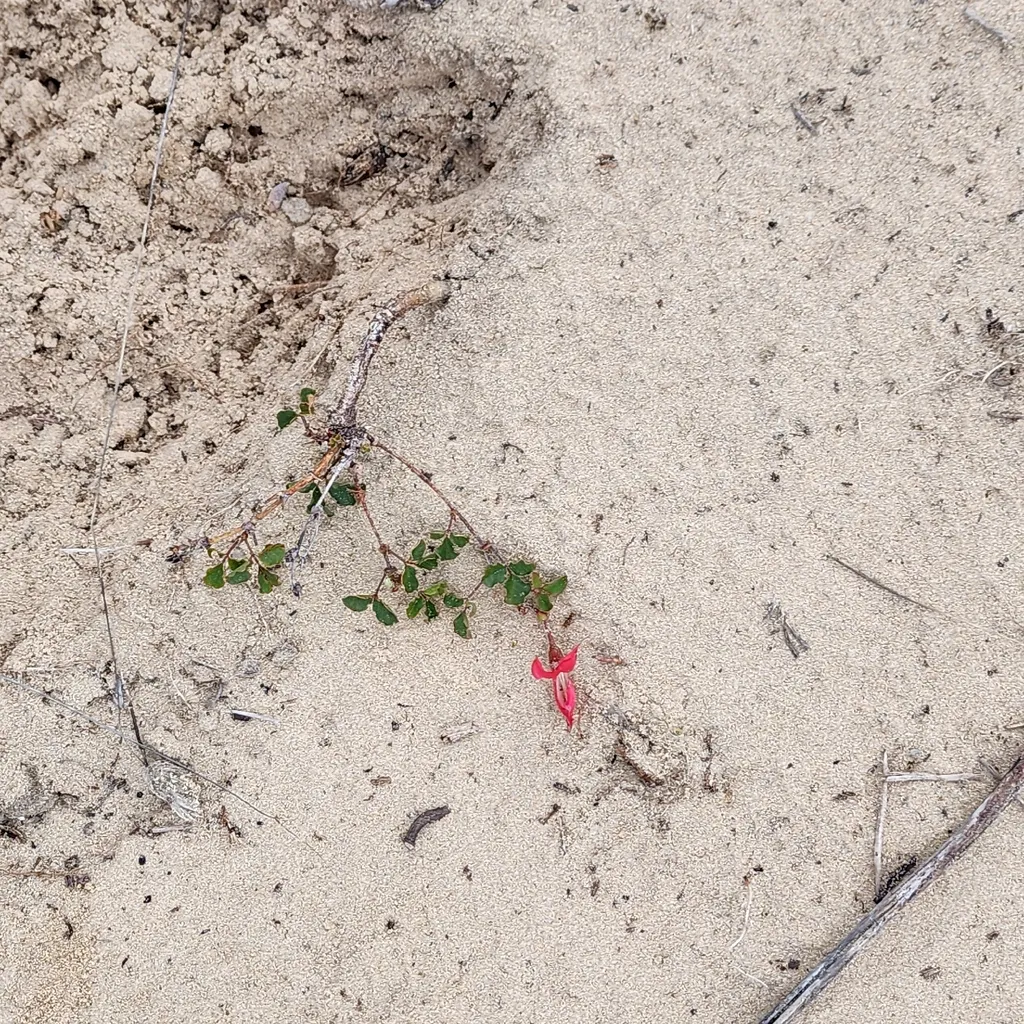
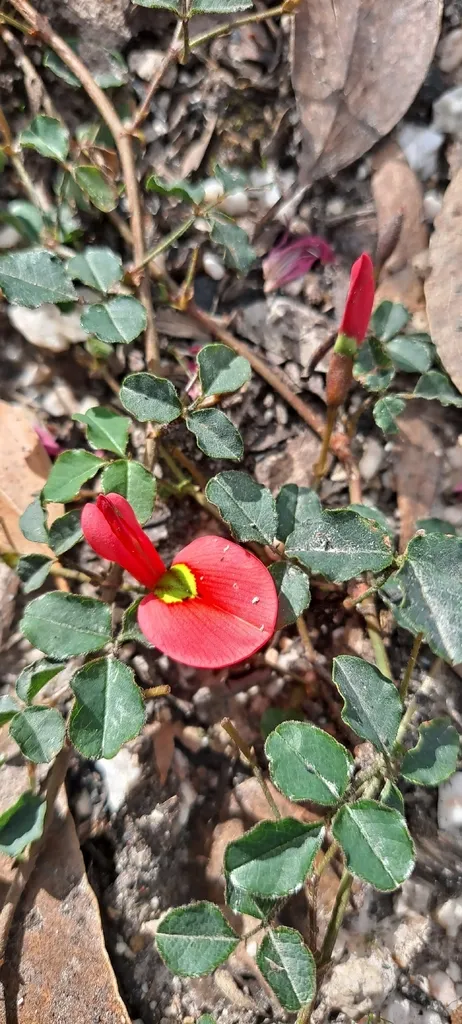
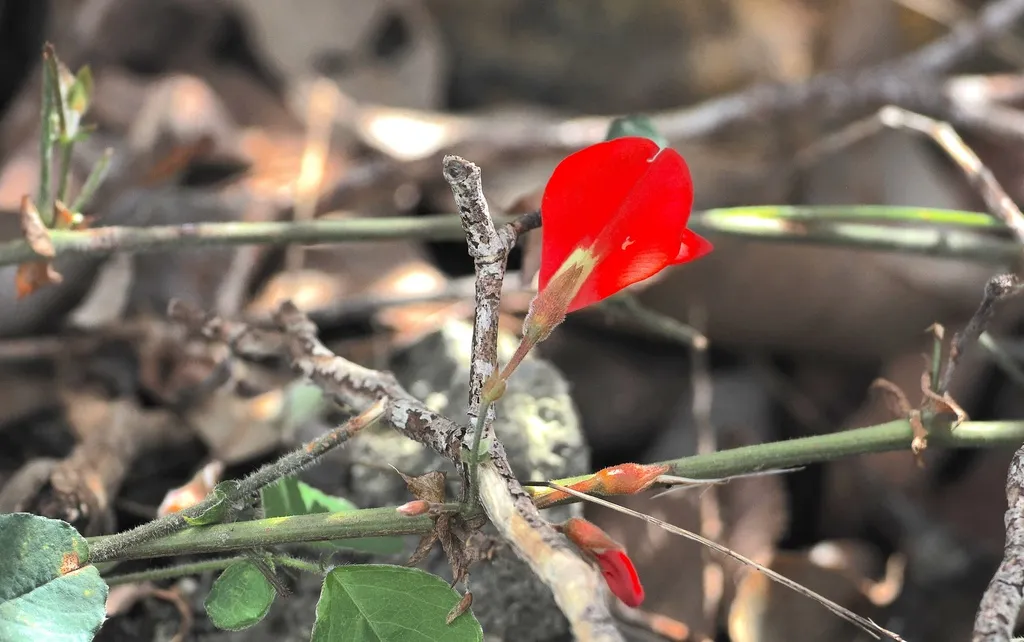
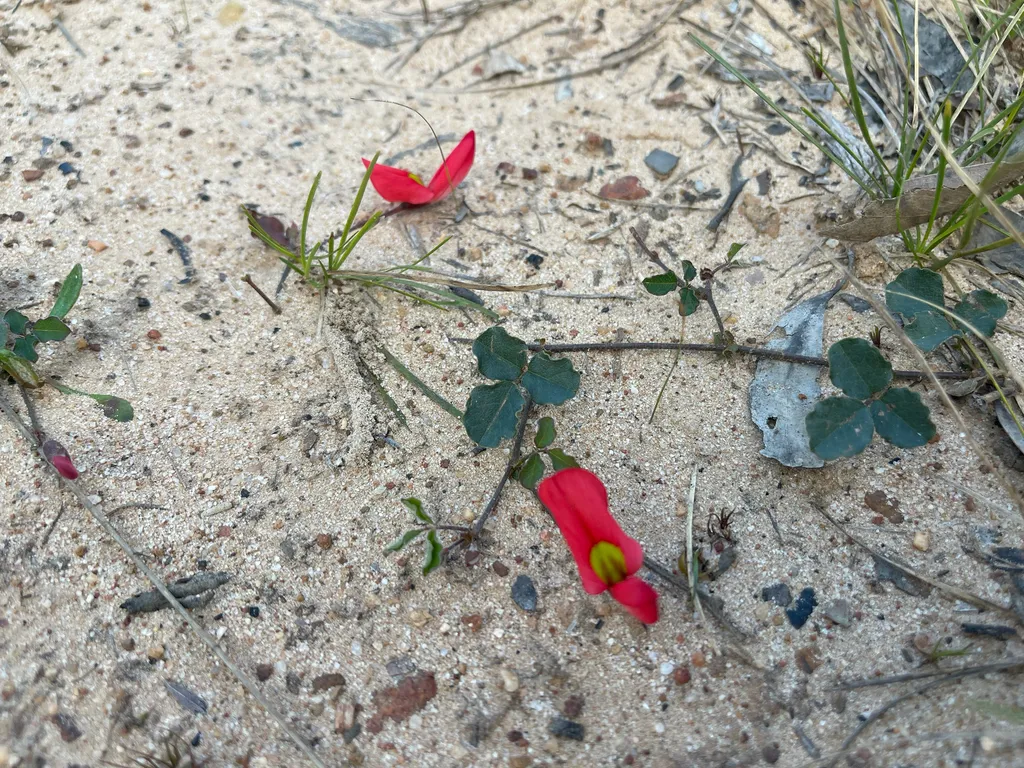
K. prostrata is a ground-hugging trailer with softly hairy stems radiating from a woody rootstock. The evergreen leaves are made up of three leathery, wavy-margined leaflets and the flowers, which appear in spring, summer and sometimes autumn, are bright red and pea-like
Scientific classification
- Species
- running postman (Kennedia prostrata)
- Genus
- Kennedia
- Family
- Fabaceae
- Information to be completed
- Toxicity
- Conservatory Greenhouse
- Plant type
- Up to 10 cm
- Height
- 1-1.5 metres
- Spread
- Evergreen
- Foliage
- Trailing
- Habit
- Spring · Summer · Autumn · Winter
- Season of interest
- Partial shade
- Sunlight
- Information to be completed
- Ideal temperature









running postman pictures
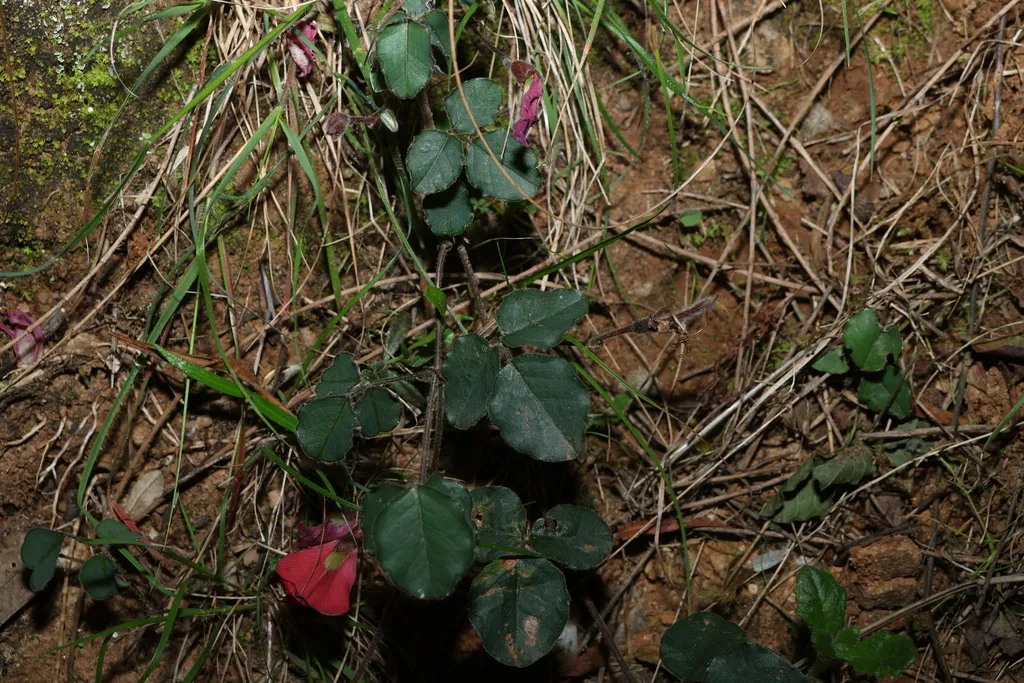
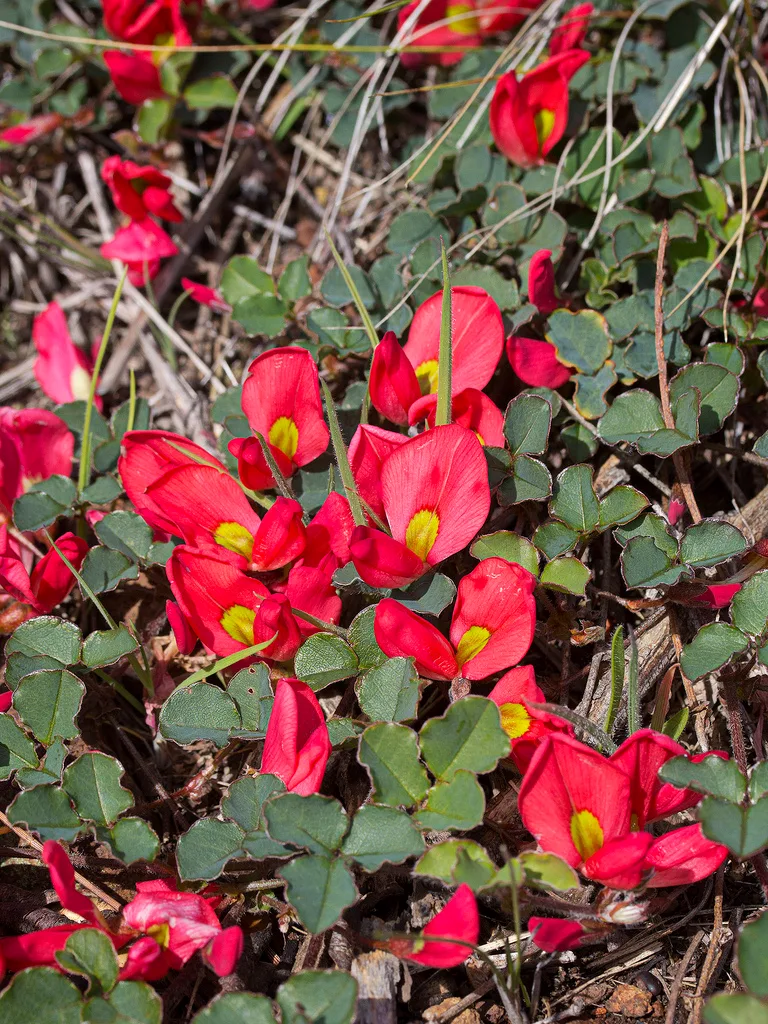
Distribution of running postman
Distribution map
Information to be completed
Information to be completed
Culture
Information to be completed
Toxicity
Information to be completed
Quick identification of running postman
Information to be completed
running postman care guide
- Moderate regular watering, avoid prolonged drought or waterlogging
- Watering
- Partial shade
- Sunlight
- Information to be completed
- Ideal temperature

Watering
Moderate regular watering, avoid prolonged drought or waterlogging
Fertilizing
 Fertilizing
Balanced feed in spring and light repeat in growth season
Pruning
 Pruning
On established plants, shorten sideshoots to three or four buds from the permanent framework; remove crowded or damaged shoots. Prune annually after flowering on last-year growth, or in late winter or early spring on current-year growth.
Propagation
 Propagation
Propagate by seed or from softwood cuttings
Growing
 Growing
In frost-free areas grow outdoors in moist but well-drained soil in partial shade, with shelter from cold drying winds. Alternatively grow under glass in loam-based compost with added sharp sand in bright, filtered light. Good in hanging baskets
People also ask
Information to be completed
Common pests and diseases
Diseases
May be susceptible to honey fungus in gardens where it is present but insufficient data to determine degree of susceptibility
Pests
May be susceptible to glasshouse red spider mite and glasshouse whitefly under glass
Explore the plant health library →




