
apricot vine
Also known as: flesh-coloured granadilla; Holy Rood flower; May hops; May pops; maypop; passion vine; wild passion flower; ground ivy; May apple
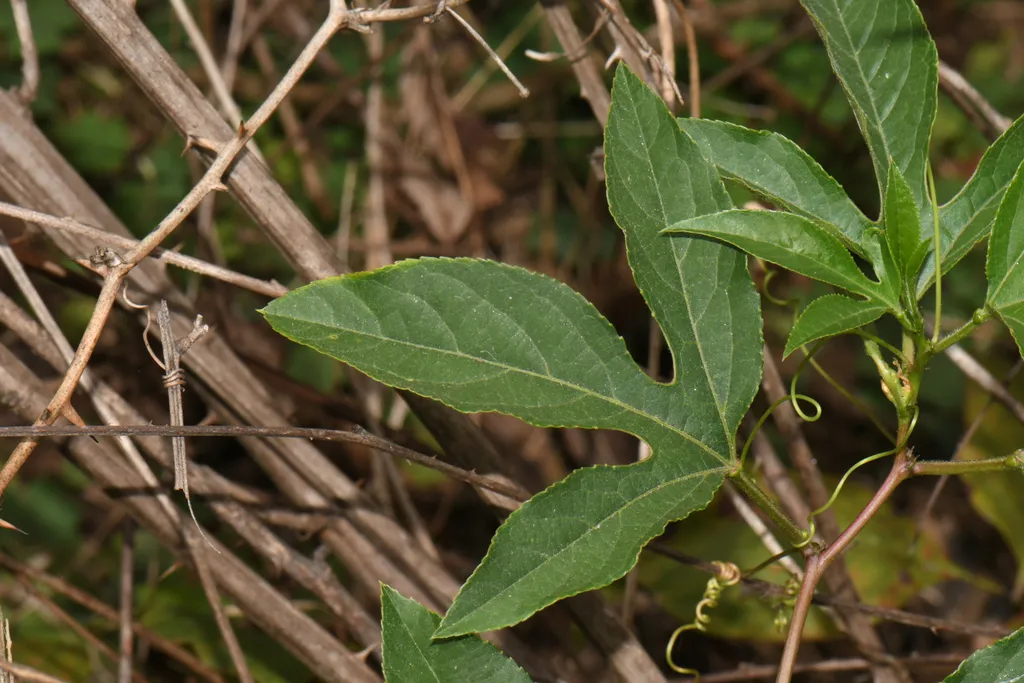
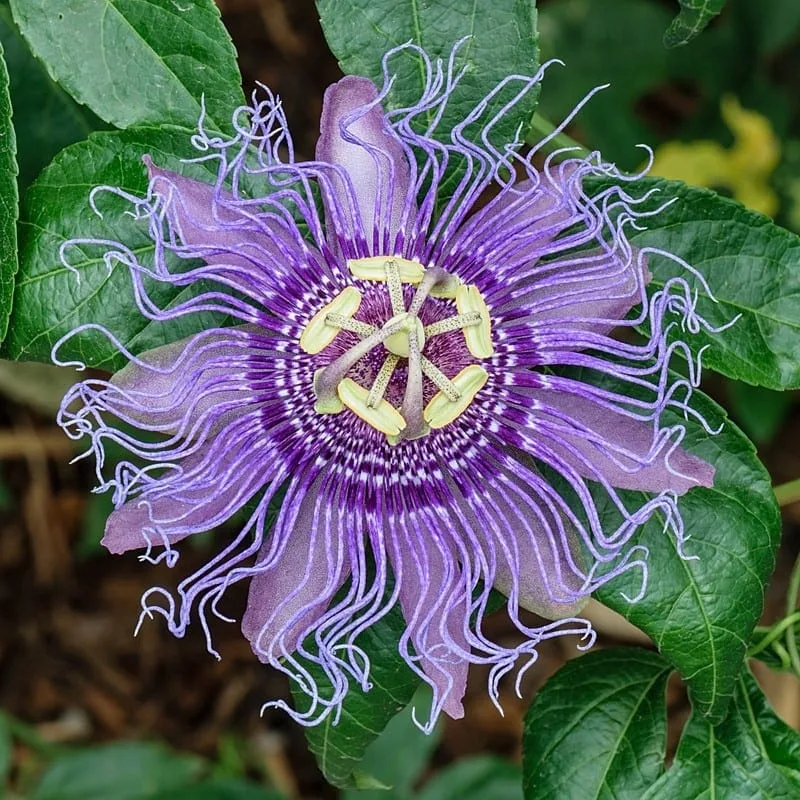
A short, tendril climber to about 2m tall with deeply lobed, dark green leaves. Scented, bowl-shaped, pale purple to almost white flowers, with purple and white coronas, are produced in summer, followed by edible, egg-shaped, yellow fruit
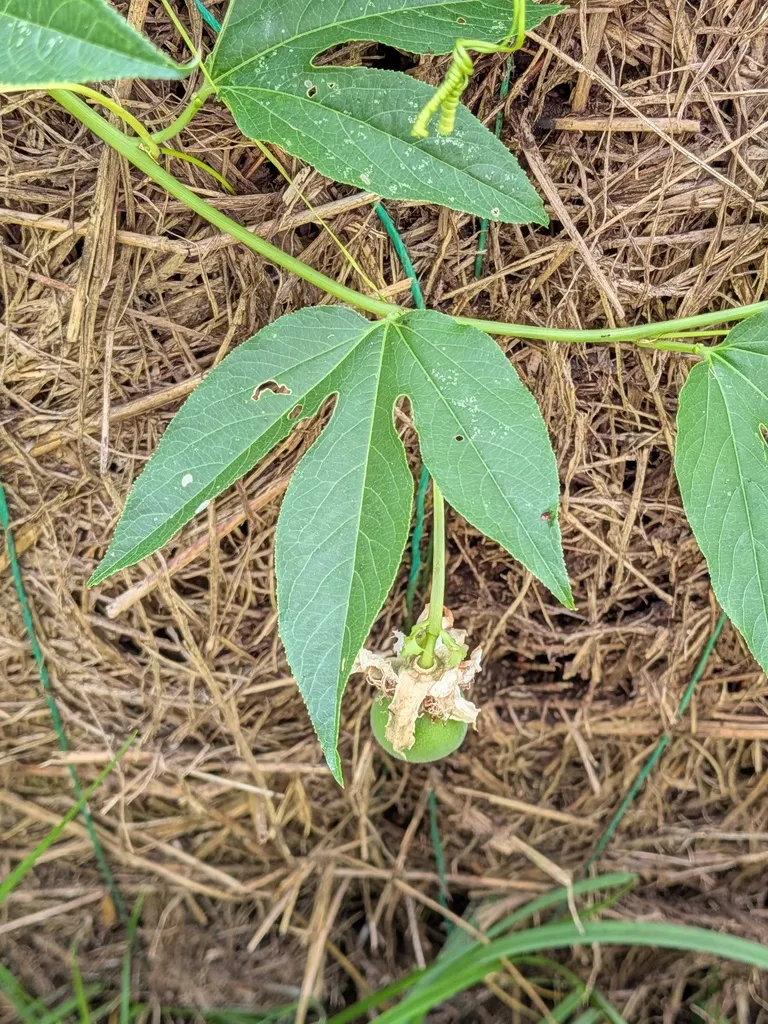
Scientific classification
- Species
- apricot vine (Passiflora incarnata)
- Genus
- Passiflora
- Family
- Passifloraceae
- Information to be completed
- Toxicity
- Climber Wall Shrub · Fruit Edible
- Plant type
- 1.5-2.5 metres
- Height
- 0.5-1 metres
- Spread
- Semi evergreen
- Foliage
- Climbing
- Habit
- Spring · Summer · Autumn · Winter
- Season of interest
- Full sun · Partial shade
- Sunlight
- Information to be completed
- Ideal temperature









apricot vine pictures
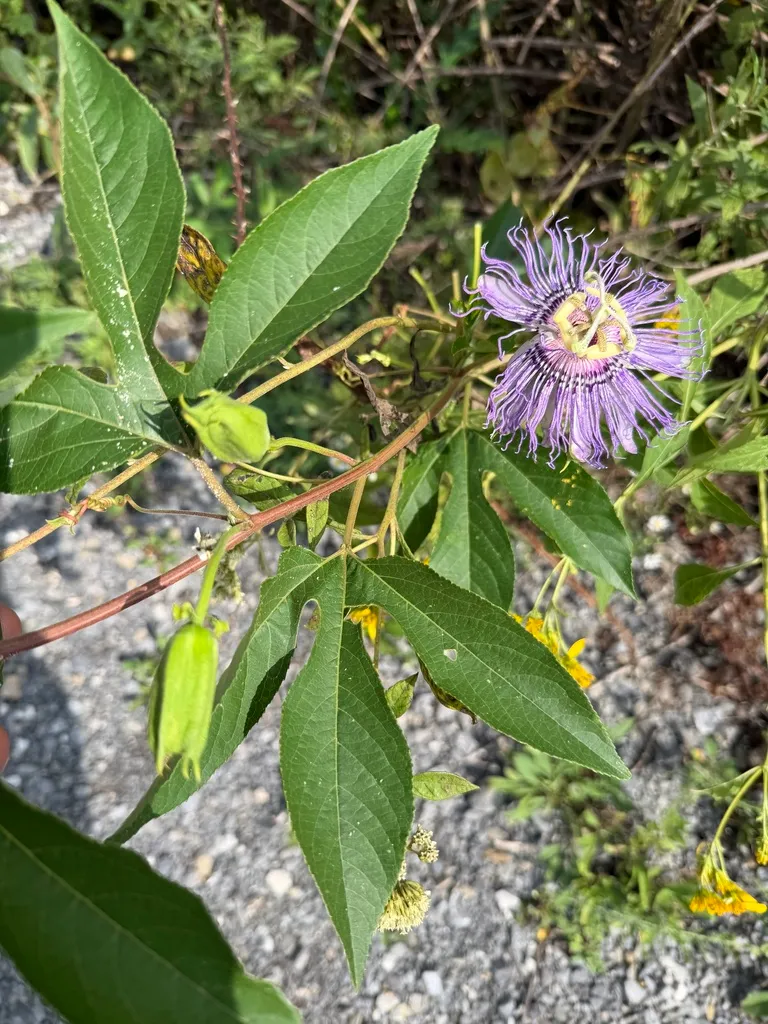
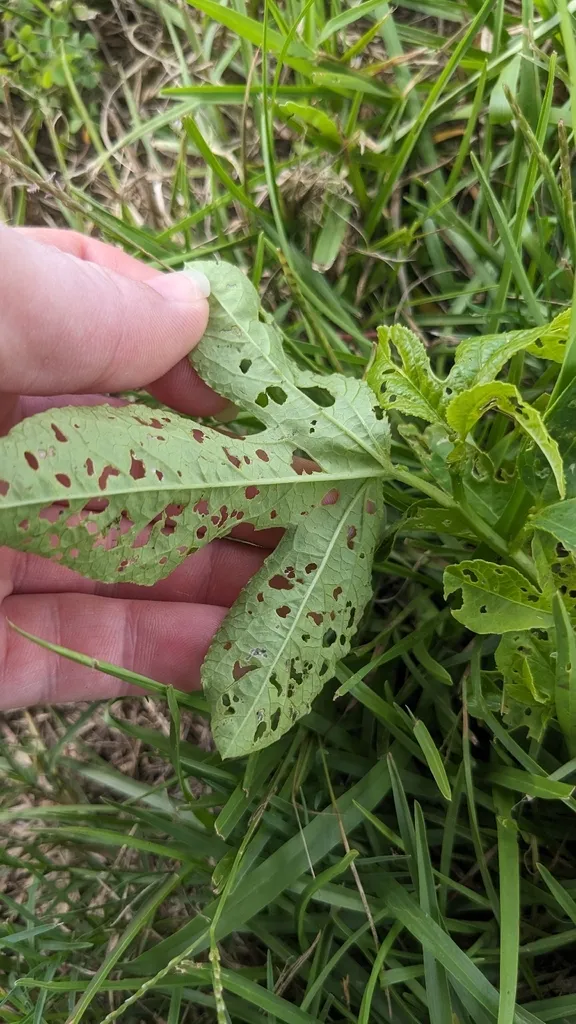
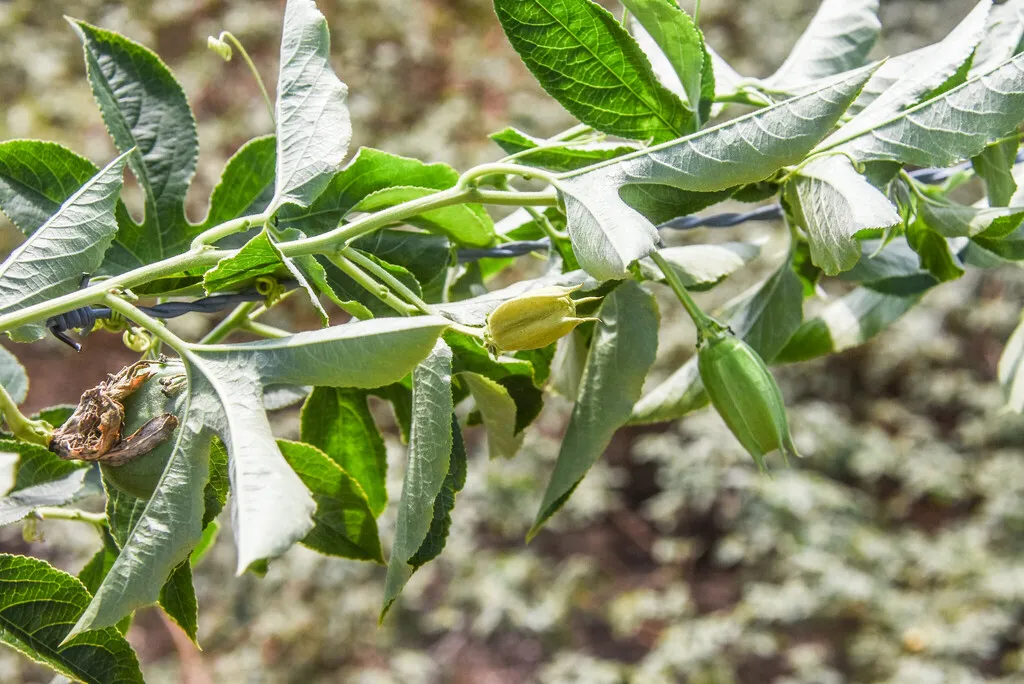
Distribution of apricot vine
Distribution map
Southeastern USA
Information to be completed
Culture
Information to be completed
Toxicity
Information to be completed
Quick identification of apricot vine
Information to be completed
apricot vine care guide
- Moderate regular watering, avoid prolonged drought or waterlogging
- Watering
- Full sun · Partial shade
- Sunlight
- Information to be completed
- Ideal temperature

Watering
Moderate regular watering, avoid prolonged drought or waterlogging
Fertilizing
 Fertilizing
Balanced feed in spring and light repeat in growth season
Pruning
 Pruning
Routine pruning is unnecessary; shorten overlong shoots to fit the available space. For last-year flowering growth, prune after flowering; for current-year flowering growth, prune in late winter or spring. This guidance is for established plants.
Propagation
 Propagation
Propagate by seed, semi-hardwood cuttings or by layering in spring or autumn
Growing
 Growing
Grows best in moist but well-drained soil in sun or partial shade
People also ask
Information to be completed
Common pests and diseases
Diseases
May be susceptible to honey fungus (rarely) and a virus
Pests
May be susceptible to glasshouse red spider mite, scale insects and glasshouse whitefly
Explore the plant health library →




