
glandular heath
Also known as: Information to be completed
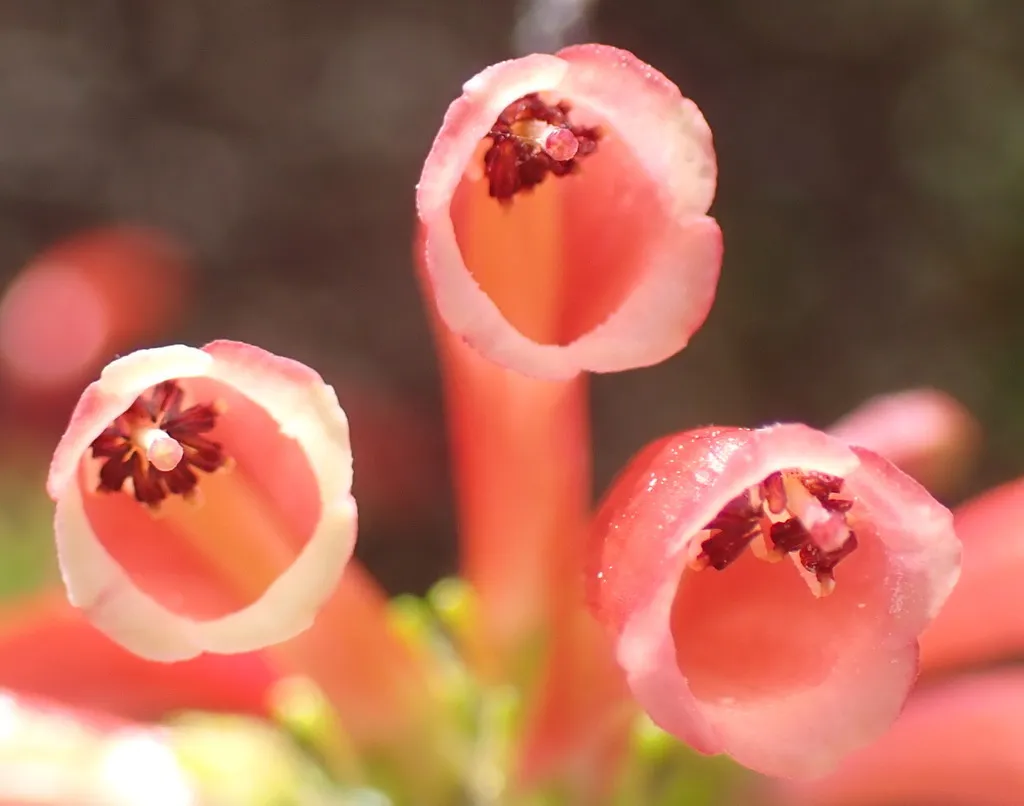
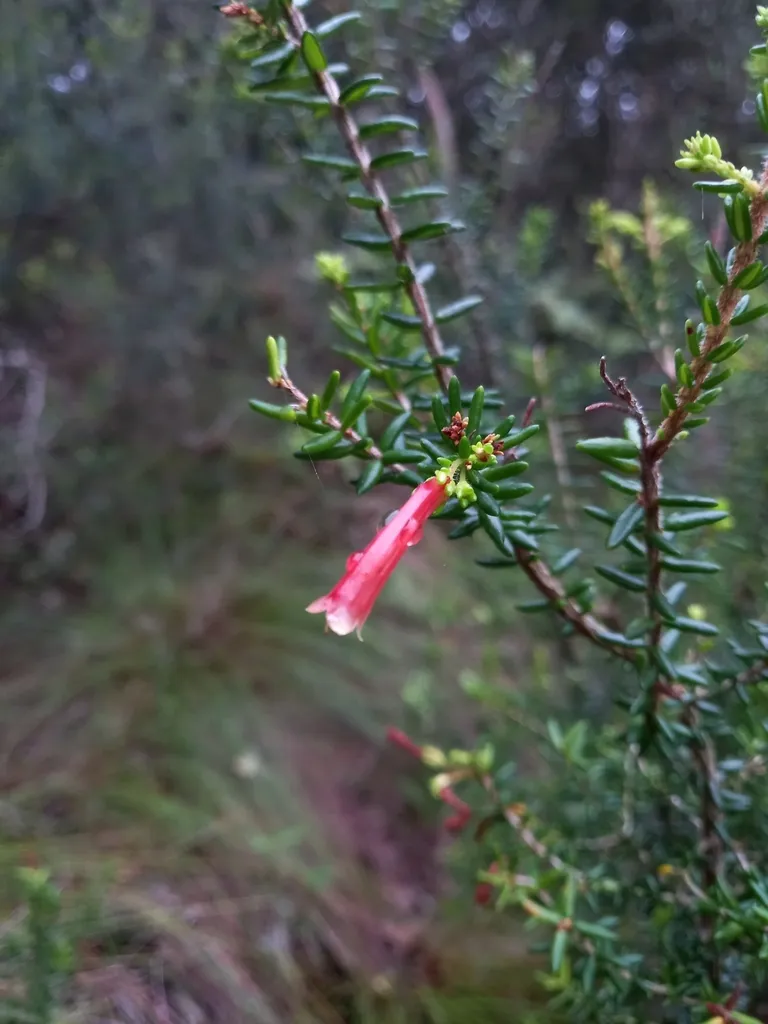
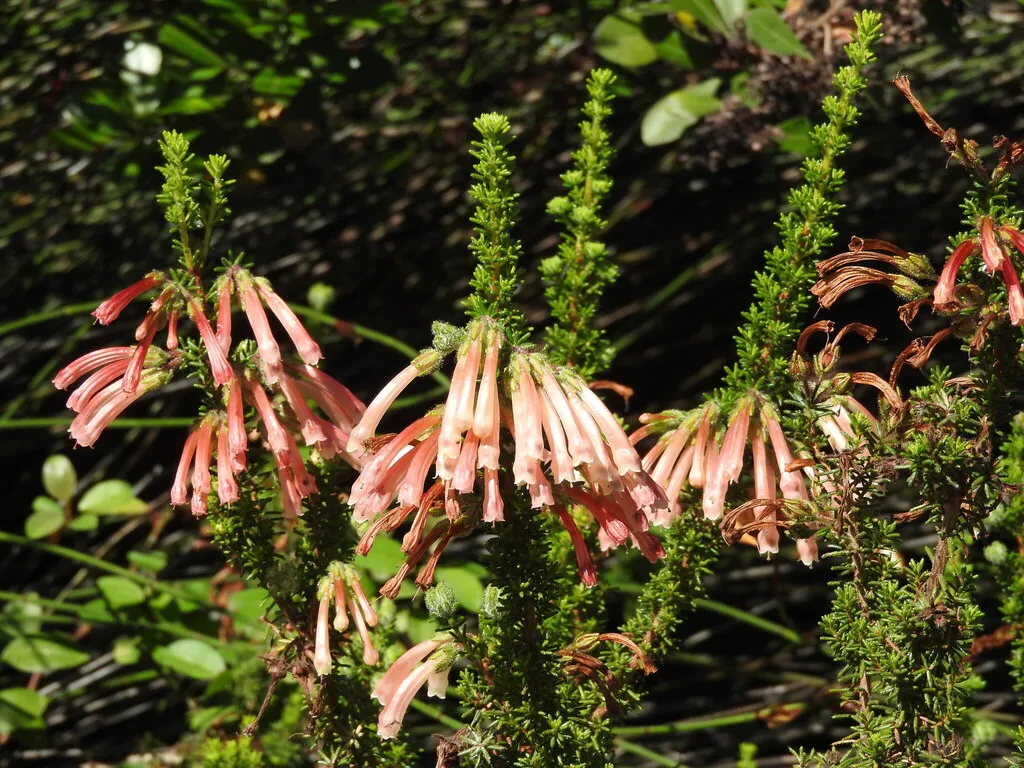
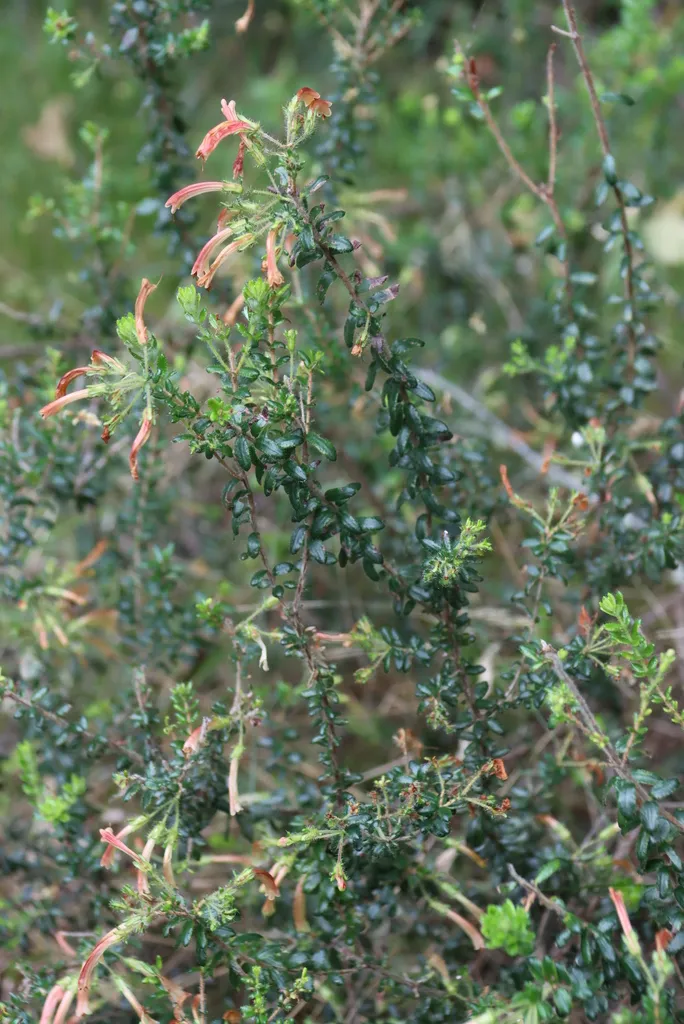
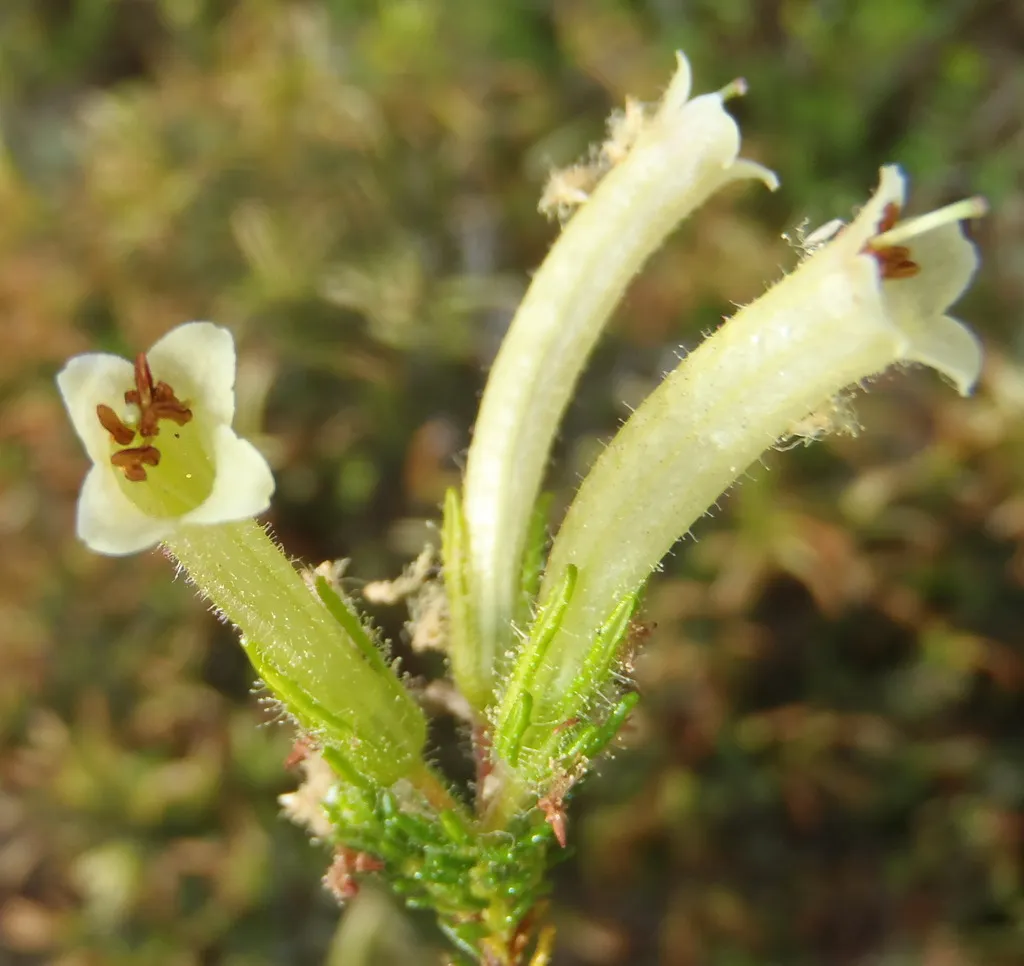
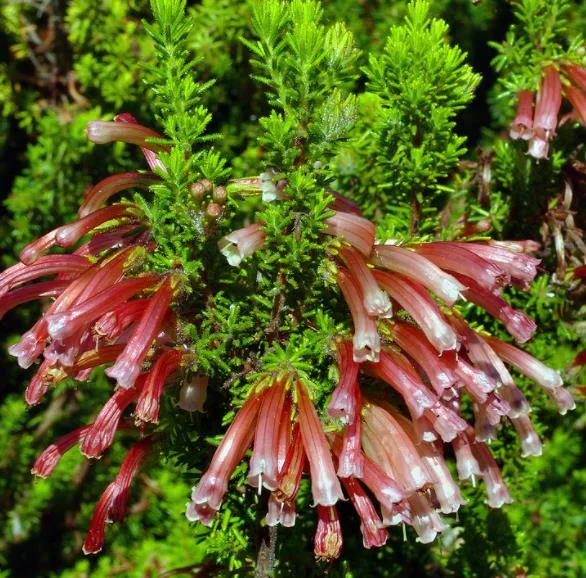
An evergreen shrub, to 1.5m tall, with both leaves and stems covered in tiny, glandular hairs giving the plant a sticky feel. Curved, tubular, pale pink to pale orange flowers, up to 25mm long, are borne over a long period
Scientific classification
- Species
- glandular heath (Erica glandulosa)
- Genus
- Erica
- Family
- Ericaceae
- Order
- Ericales
- Class
- Magnoliopsida
- Phylum
- Magnoliophyta
- Information to be completed
- Toxicity
- Shrubs
- Plant type
- 1-1.5 metres
- Height
- 0.5-1 metres
- Spread
- Evergreen
- Foliage
- Bushy
- Habit
- Spring · Summer · Autumn · Winter
- Season of interest
- Full sun · Partial shade
- Sunlight
- Information to be completed
- Ideal temperature









glandular heath pictures
Distribution of glandular heath
Distribution map
Southern Africa (Cape)
glandular heath care guide
- Light regular watering, keeping acidic soil mildly moist and airy
- Watering
- Full sun · Partial shade
- Sunlight

Watering
Light regular watering, keeping acidic soil mildly moist and airy
Fertilizing
 Fertilizing
Light heather feed every four weeks through mild growing weather
Pruning
 Pruning
Shorten flowered shoots to about 1.5–2.5 cm from the previous year's growth. If flowering is on last year's growth, prune after flowering; if on current-year growth, prune the following early to mid-spring.
Propagation
 Propagation
Propagate by seed or by semi-hardwood cuttings
Growing
 Growing
Grow in well-drained, acid soil in full sun in the mildest localities only; under glass grow in ericaceous potting compost in full light with good ventilation at all times; water freely in the growing season and apply a half strength balanced liquid fertiliser every four weeks, water moderately when not in flower
Common pests and diseases
Diseases
May be susceptible to fungal diseases, including honey fungus (rarely), and Phytophthora root rot, in wet conditions
Pests
Generally pest-free
Explore the plant health library →




