
Autumn heather
Also known as: Information to be completed
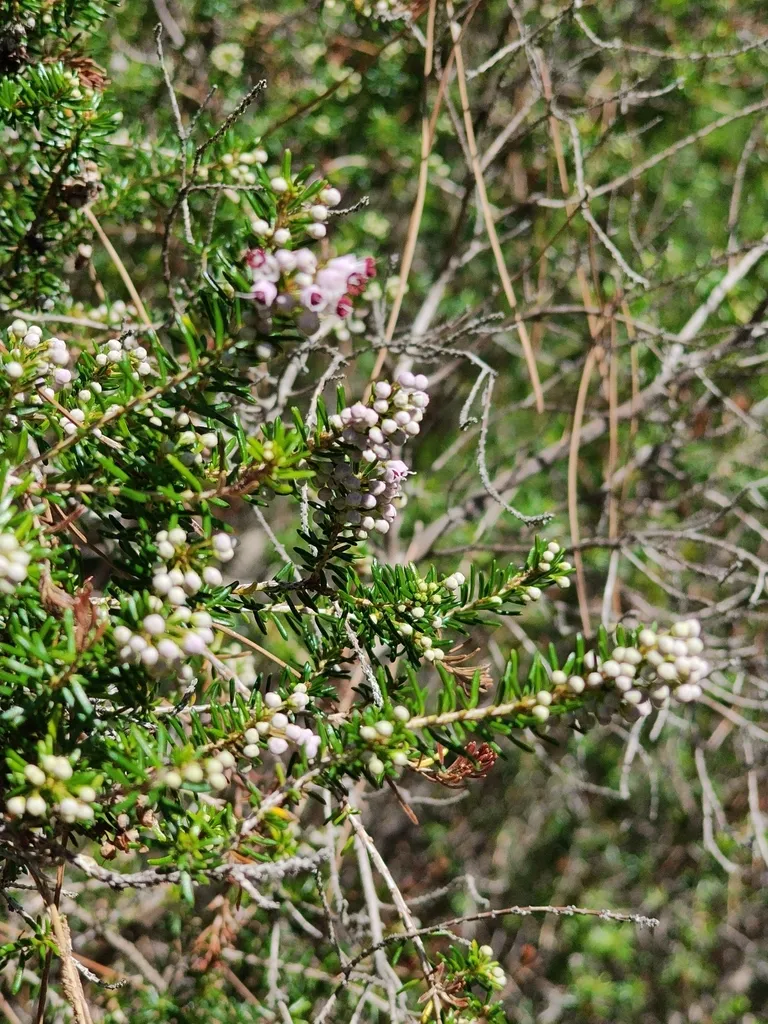
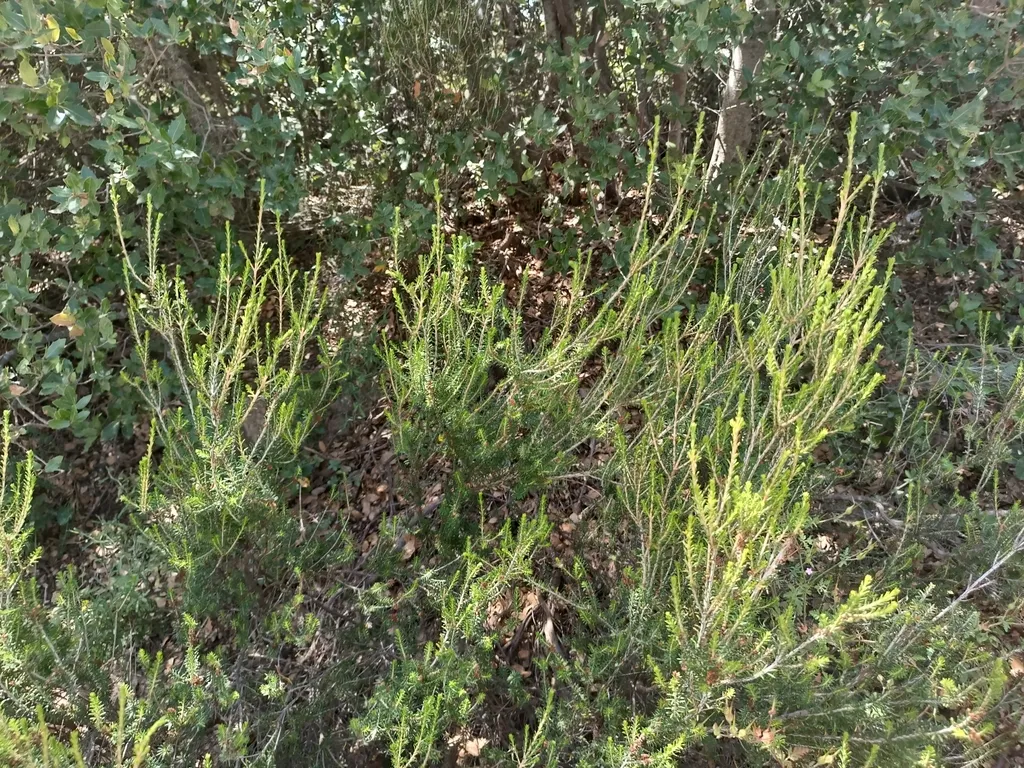
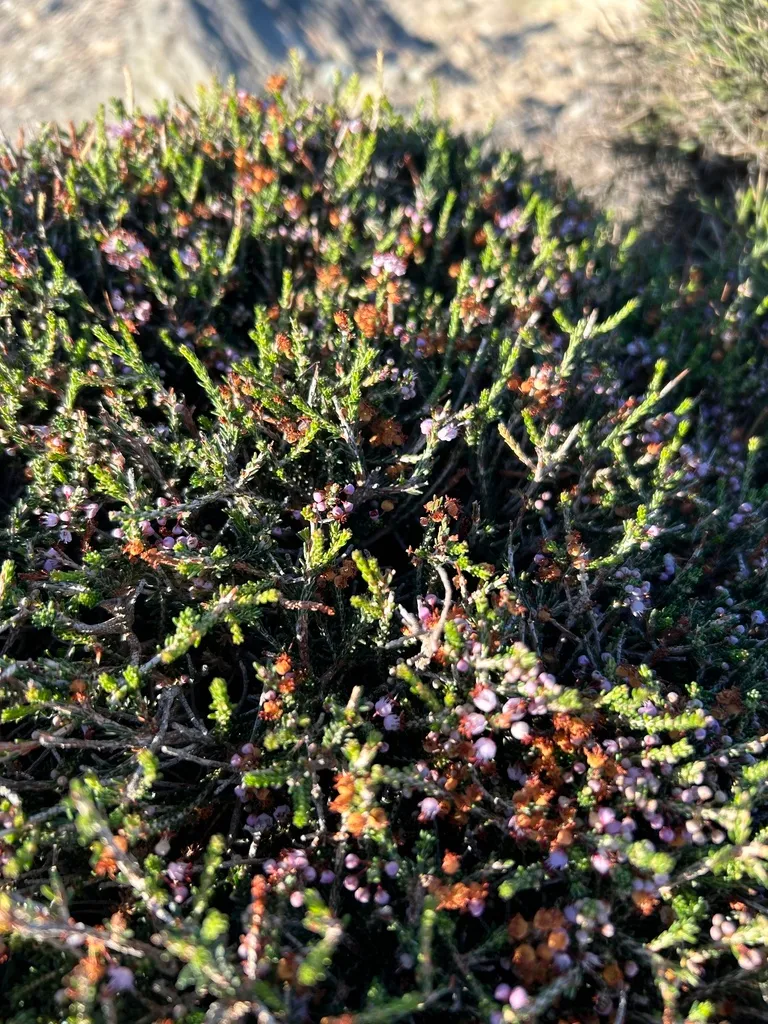
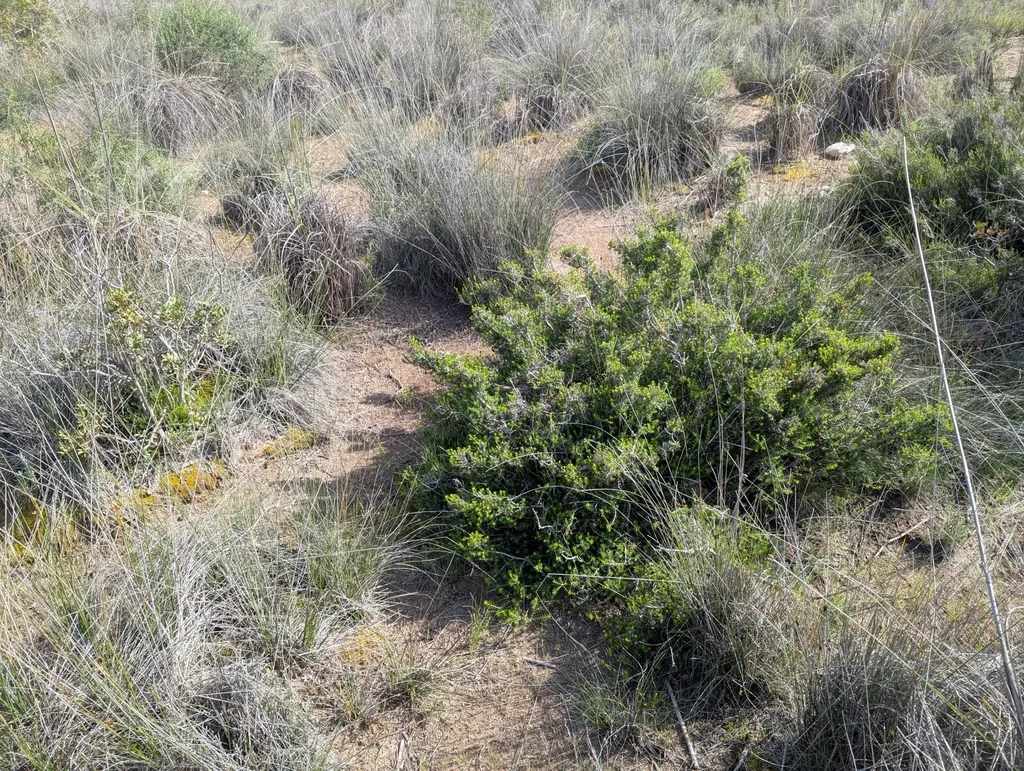
An upright, spreading shrub with needle-like, evergreen, mid-green leaves to around 4m (13ft) in height. From late summer to autumn it bears mauve, pink or white, cylindrical or bell-shaped flowers in profusion along the stems.
Scientific classification
- Species
- Autumn heather (Erica manipuliflora)
- Genus
- Erica
- Family
- Ericaceae
- Order
- Ericales
- Class
- Magnoliopsida
- Phylum
- Magnoliophyta
- Information to be completed
- Toxicity
- Shrubs
- Plant type
- 2.5-4 metres
- Height
- 1-1.5 metres
- Spread
- Evergreen
- Foliage
- Bushy · Columnar upright
- Habit
- Spring · Summer · Autumn · Winter
- Season of interest
- Full sun
- Sunlight
- Information to be completed
- Ideal temperature









Autumn heather pictures
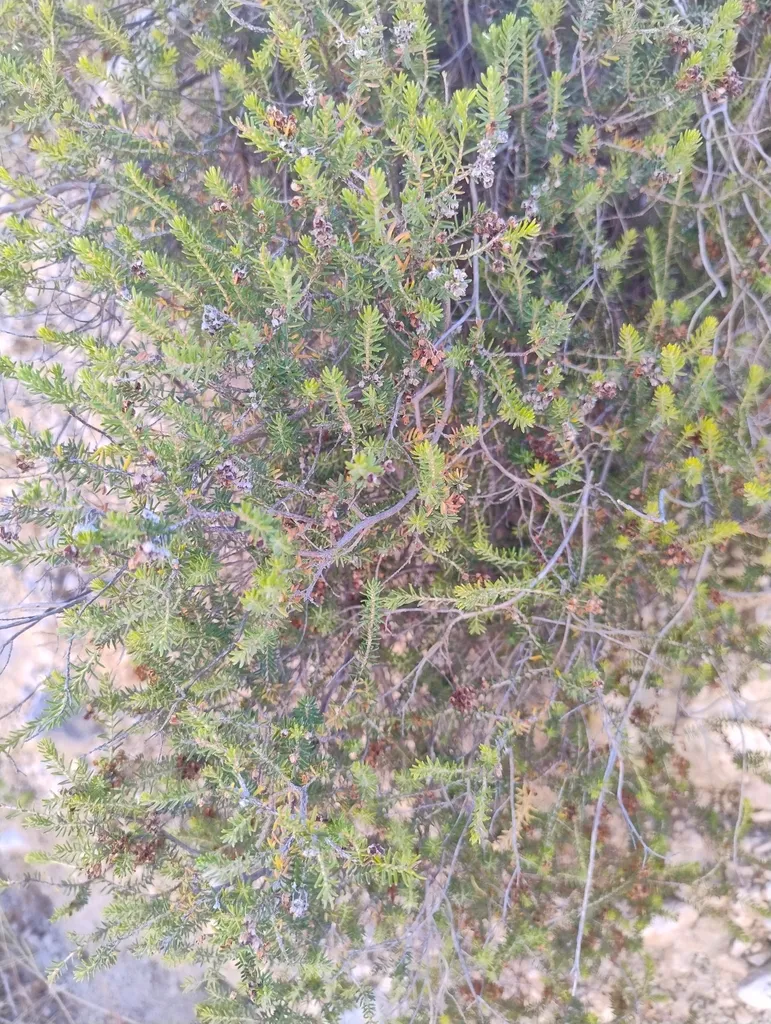
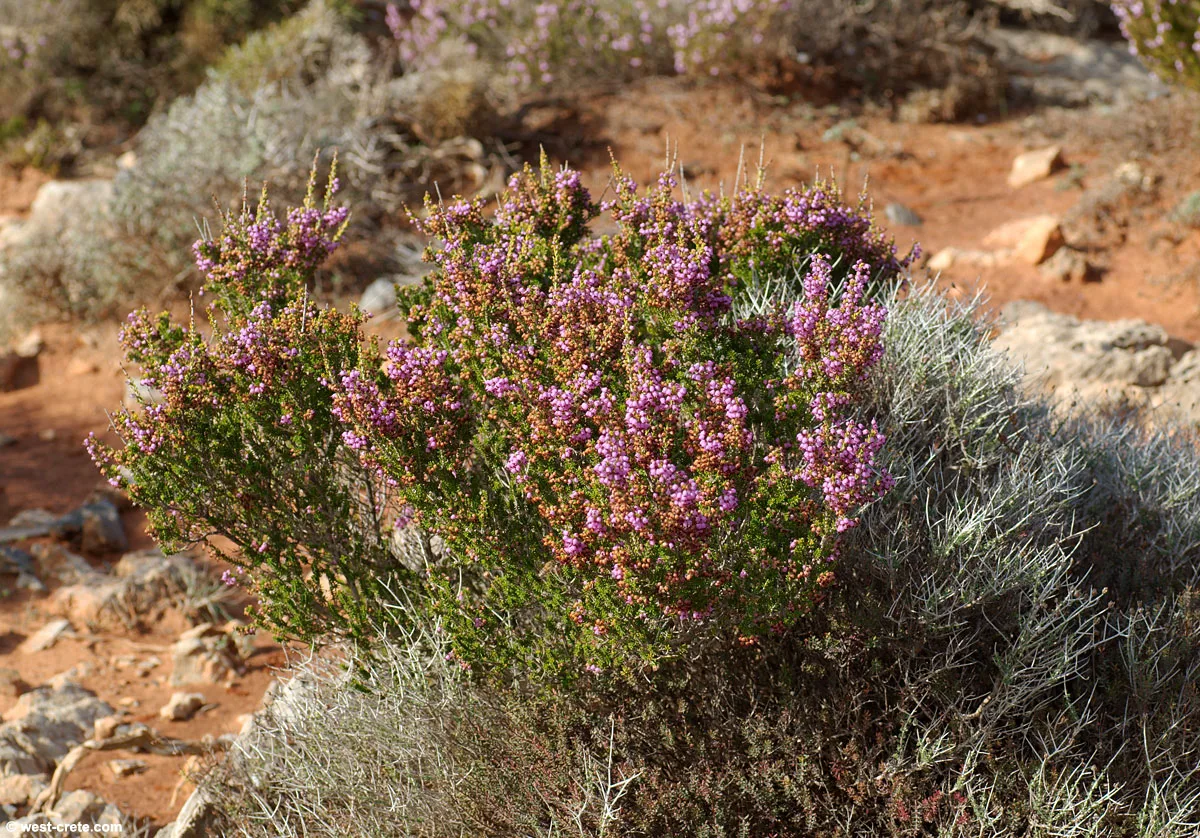
Distribution of Autumn heather
Distribution map
- Native
- Introduced
- Cultivated
Source:WCVP v16 · Royal Botanic Gardens, Kew · CC BY 3.0 · Boundaries:WGSRPD / TDWG
Autumn heather care guide
- Moderate irrigation, let topsoil dry slightly before each rewatering session
- Watering
- Full sun
- Sunlight

Watering
Moderate irrigation, let topsoil dry slightly before each rewatering session
Fertilizing
 Fertilizing
Acidic heather dilute feed monthly spring and summer growing months
Pruning
 Pruning
Usually little pruning is needed. Lightly shape if necessary, removing dead, damaged or diseased shoots. Prune after flowering.
Propagation
 Propagation
Propagate by semi-ripe cuttings in mid-to late autumn and by layering
Growing
 Growing
Grow in well-drained, moderately fertile soil in full sun. Tolerates alkaline soils. See also Hardy heathers cultivation
Common pests and diseases
Diseases
May be susceptible to fungal diseases, including honey fungus (rarely), and Phytophthora root rot, in wet conditions
Pests
Generally pest-free
Explore the plant health library →




