
besom heath
Also known as: Information to be completed
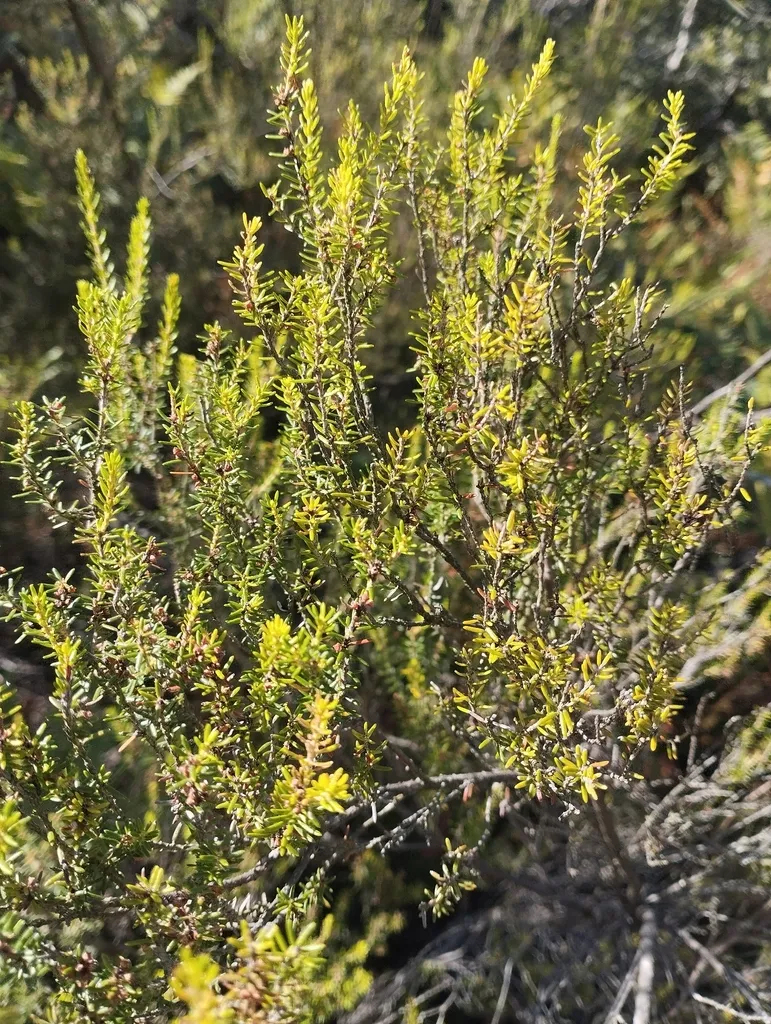
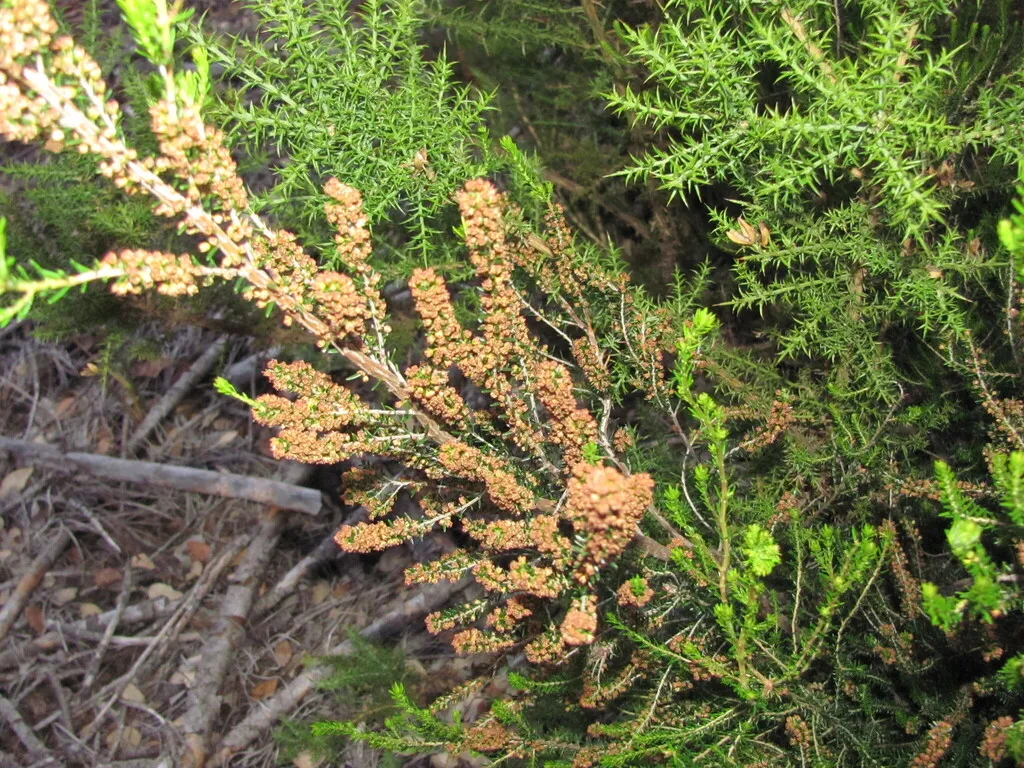
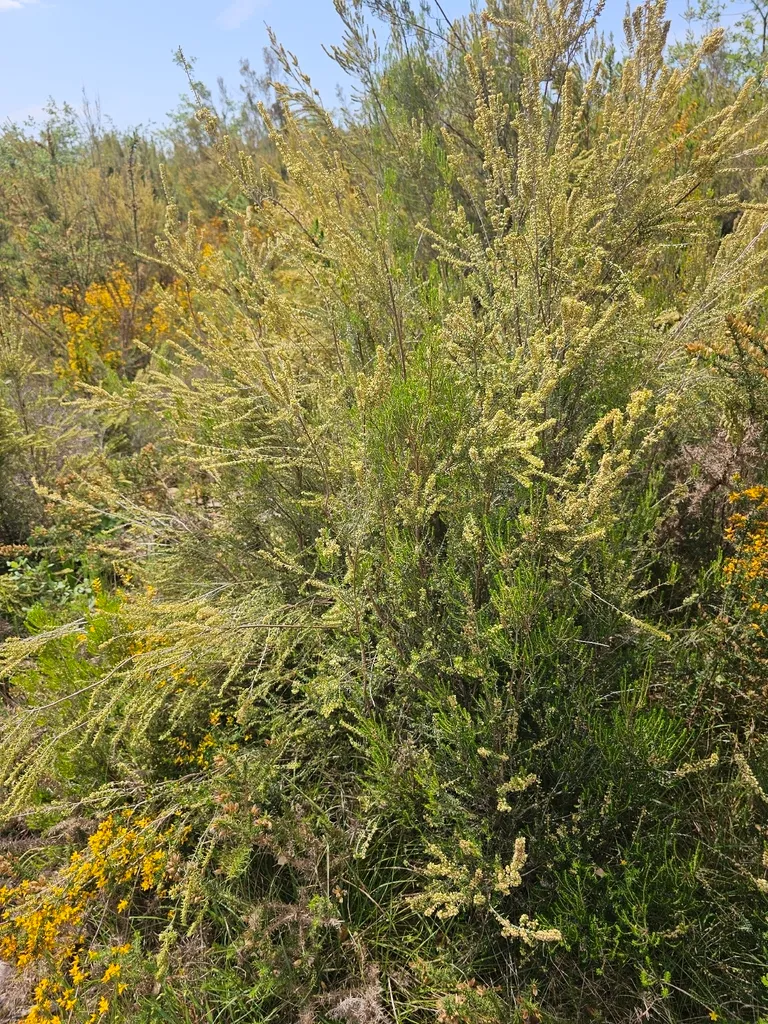
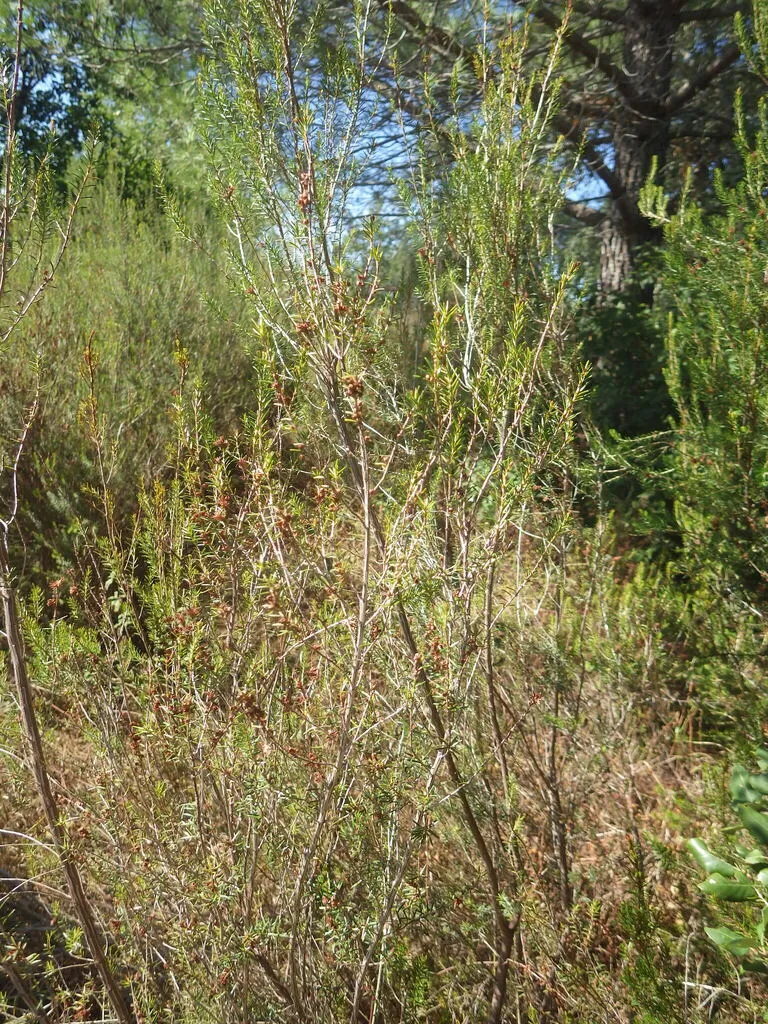
A bushy, upright shrub or small tree, with evergreen, needle-like, dark green leaves to around 2m (6.5ft) in height. In late spring and early summer, tiny, bell-shaped, green-brown flowers are borne in profusion at the stem ends. Releases clouds of pollen when in full bloom.
Scientific classification
- Species
- besom heath (Erica scoparia)
- Genus
- Erica
- Family
- Ericaceae
- Order
- Ericales
- Class
- Magnoliopsida
- Phylum
- Magnoliophyta
- Information to be completed
- Toxicity
- Shrubs
- Plant type
- 1.5-2.5 metres
- Height
- 0.5-1 metres
- Spread
- Evergreen
- Foliage
- Bushy
- Habit
- Spring · Summer · Autumn · Winter
- Season of interest
- Full sun
- Sunlight
- Information to be completed
- Ideal temperature









besom heath pictures
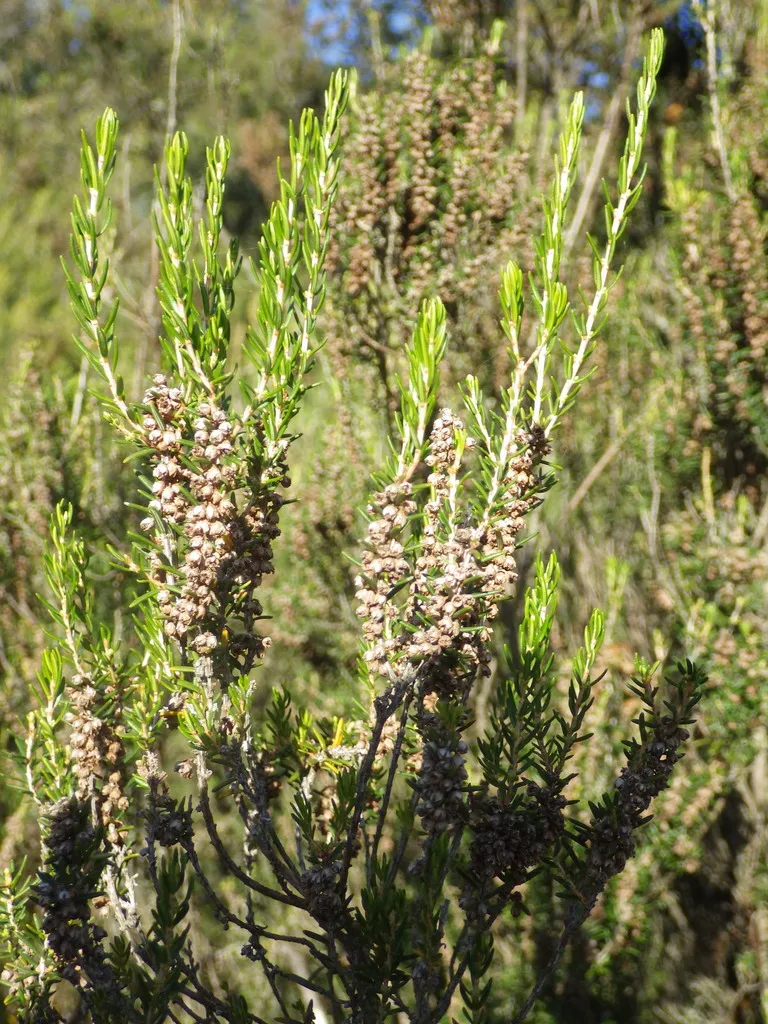
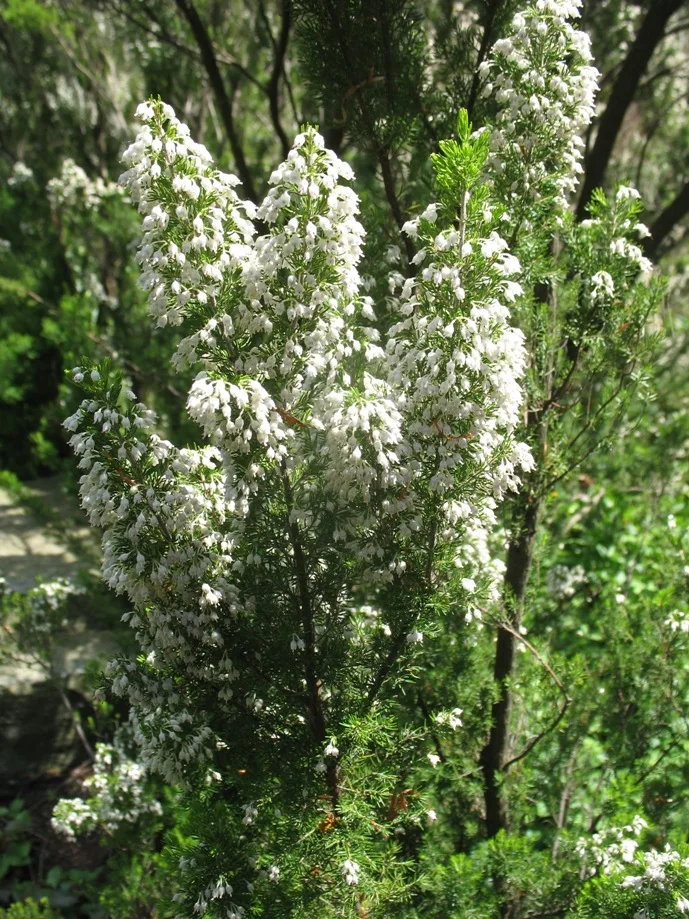
besom heath care guide
- Acidic soil kept evenly moist, avoid total root ball desiccation
- Watering
- Full sun
- Sunlight

Watering
Acidic soil kept evenly moist, avoid total root ball desiccation
Fertilizing
 Fertilizing
Diluted ericaceous feed monthly spring through mid-summer period
Pruning
 Pruning
Usually little pruning is needed. Lightly shape if necessary, removing dead, damaged or diseased shoots. Prune after flowering.
Propagation
 Propagation
Propagate by semi-ripe cuttings in mid-to late autumn and by layering.
Growing
 Growing
Grow in well-drained, moderately fertile to poor soil in full sun. See also Hardy heathers cultivation.
Common pests and diseases
Diseases
May be susceptible to fungal diseases, including honey fungus (rarely), and Phytophthora root rot, in wet conditions
Pests
Generally pest-free
Explore the plant health library →




