
Christmas cherry
Also known as: Jerusalem cherry; Madeira winter cherry; winter cherry; false Jerusalem cherry
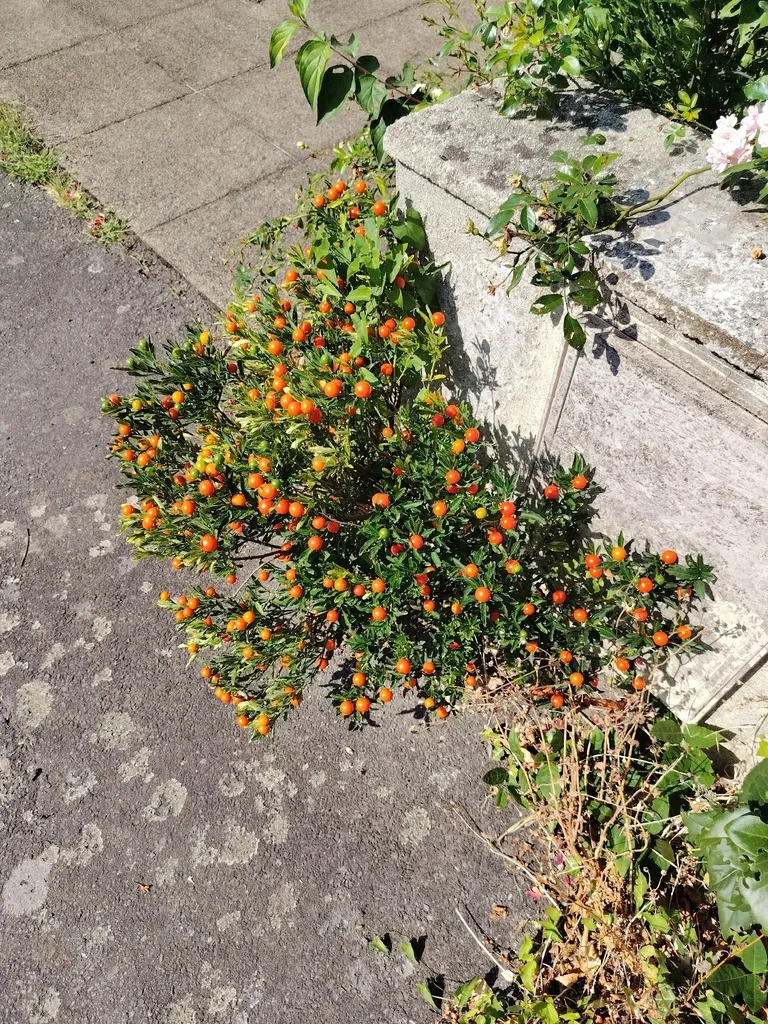
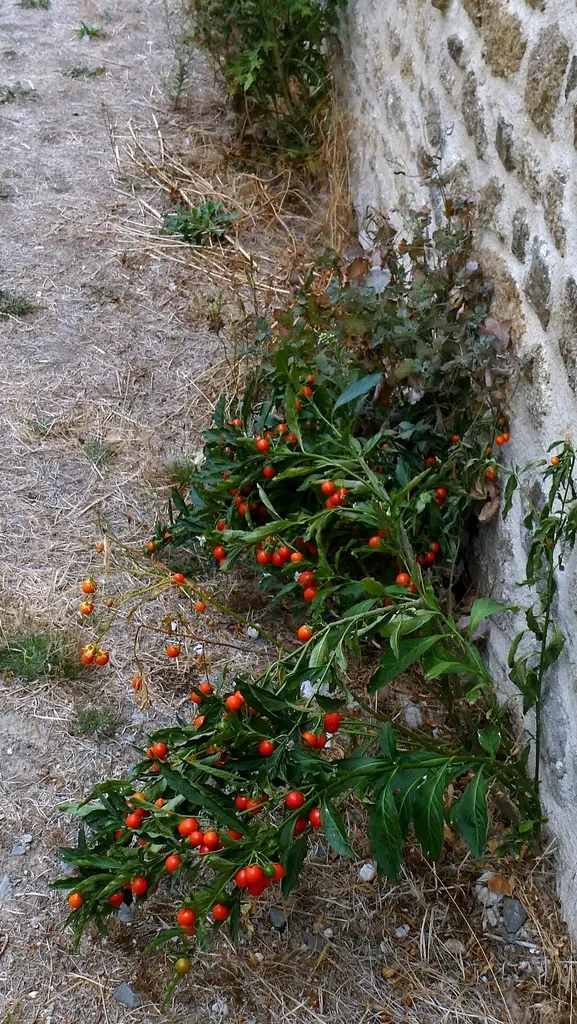
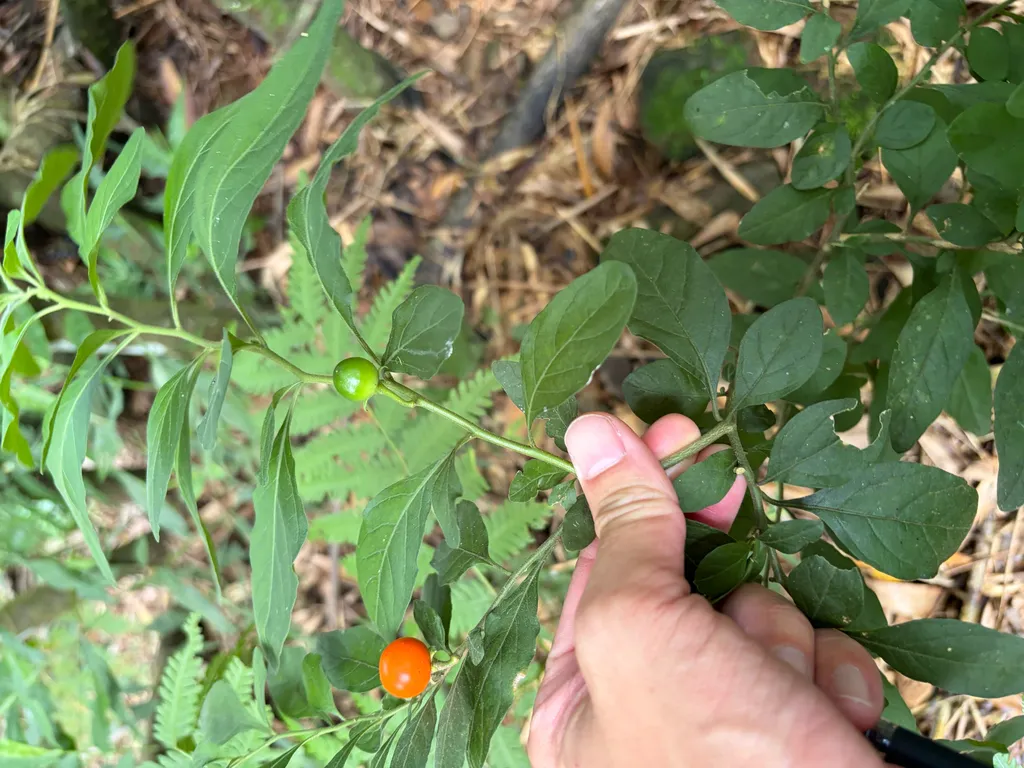
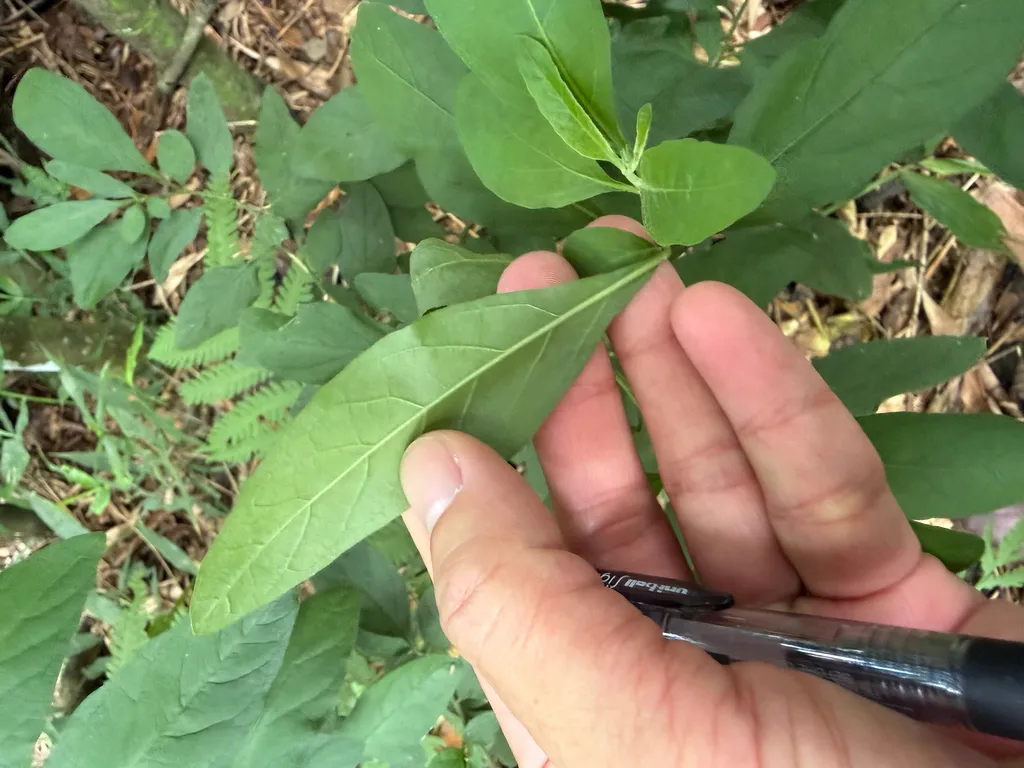
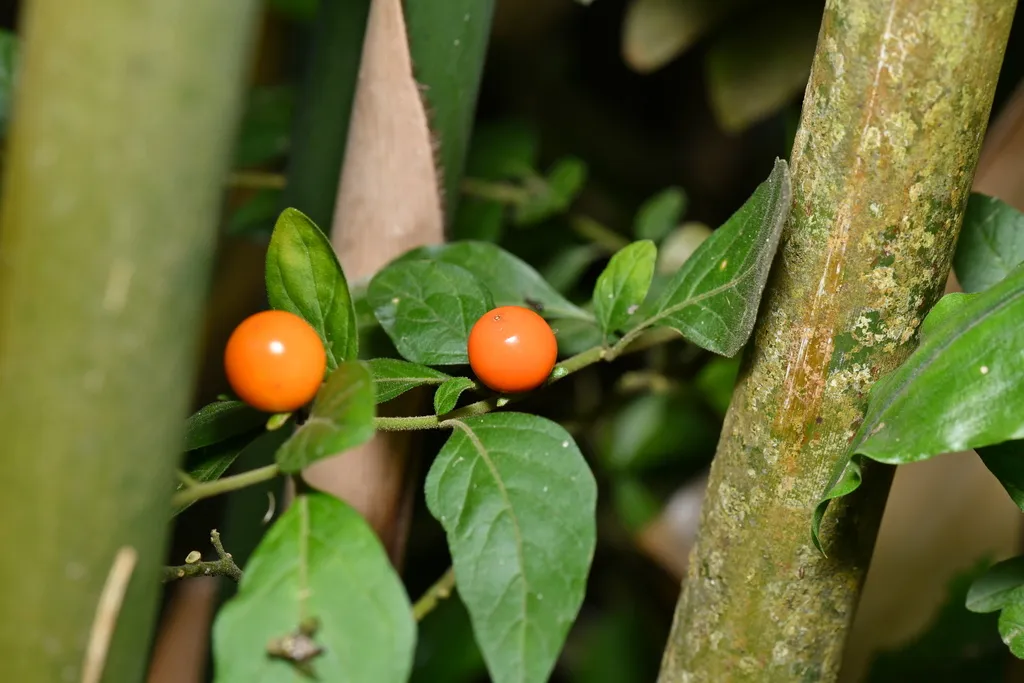
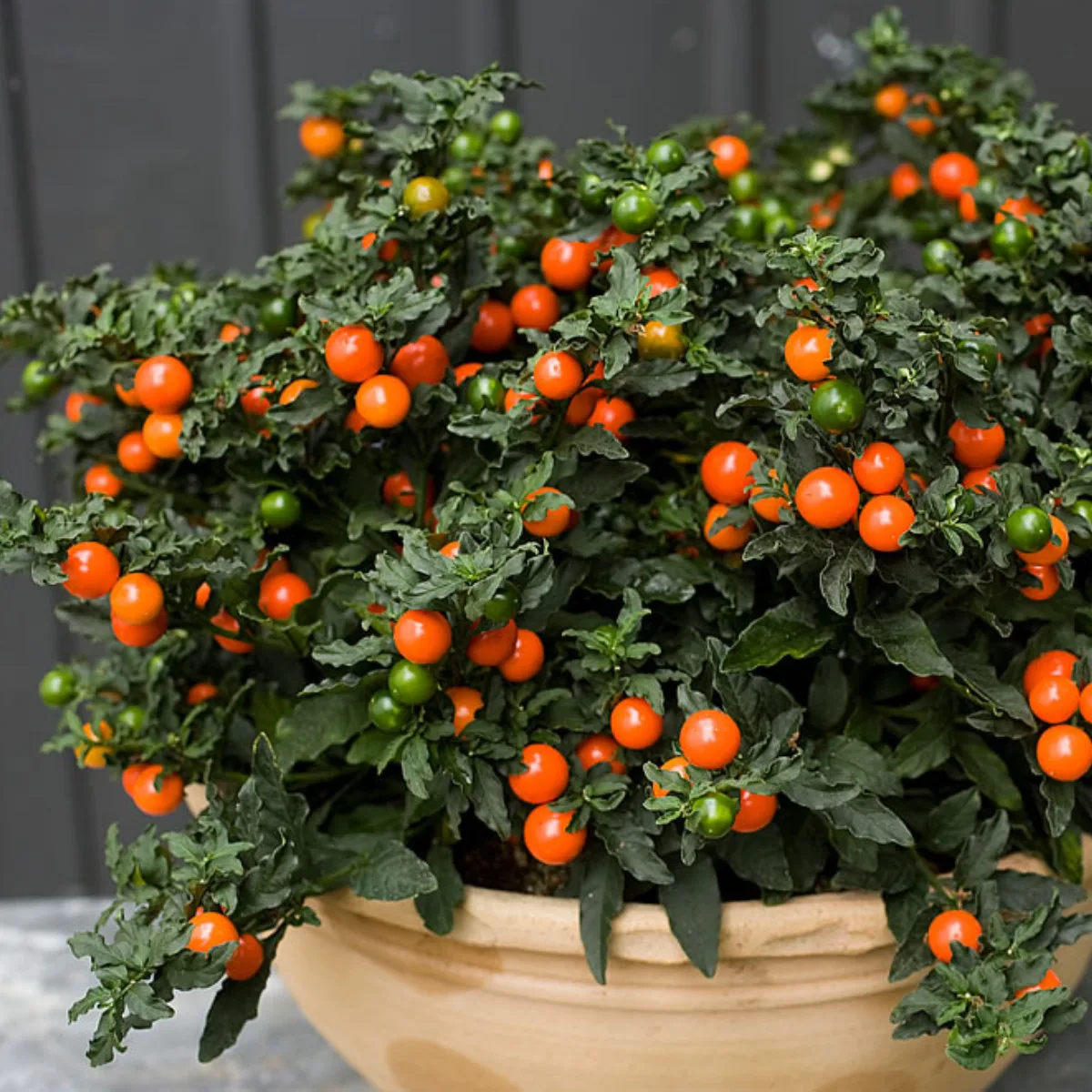
A small, upright, bushy, evergreen shrub to 30cm, usually grown as a winter-fruiting annual. Leaves are narrow, dark green and glossy, with wavy-edges. In summer, it produces small clusters of white, star-shaped flowers, followed by long-lasting, spherical, red, yellow or orange fruit 1.5 to 2cm across
Scientific classification
- Species
- Christmas cherry (Solanum pseudocapsicum)
- Genus
- Solanum
- Family
- Solanaceae
- Harmful if eaten. Wear gloves and other protective equipment when handling
- Toxicity
- Annual Biennial · Shrubs
- Plant type
- 0.1-0.5 metres
- Height
- 0.1-0.5 metres
- Spread
- Evergreen
- Foliage
- Bushy
- Habit
- Spring · Summer · Autumn · Winter
- Season of interest
- Full sun · Partial shade
- Sunlight
- Information to be completed
- Ideal temperature









Christmas cherry pictures
Distribution of Christmas cherry
Distribution map
Information to be completed
Information to be completed
Culture
Information to be completed
Toxicity
Harmful if eaten. Wear gloves and other protective equipment when handling
Quick identification of Christmas cherry
Information to be completed
Christmas cherry care guide
- Moist steady soil in growth, cut watering sharply cool winter dormancy
- Watering
- Full sun · Partial shade
- Sunlight
- Information to be completed
- Ideal temperature

Watering
Moist steady soil in growth, cut watering sharply cool winter dormancy
Fertilizing
 Fertilizing
Balanced mild fruiting shrub feed every three weeks spring to autumn
Pruning
 Pruning
Prune lightly as needed to remove unwanted shoots and keep the shrub in shape. Prune in mid- to late spring.
Propagation
 Propagation
Propagate by seed or semi-ripe cuttings
Growing
 Growing
Grow in loam-based potting compost in bright light
People also ask
Information to be completed
Common pests and diseases
Diseases
May be susceptible to honey fungus (rarely) and grey moulds
Pests
May be susceptible to aphids and glasshouse red spider mite
Explore the plant health library →




