
giant white wake robin
Also known as: Information to be completed
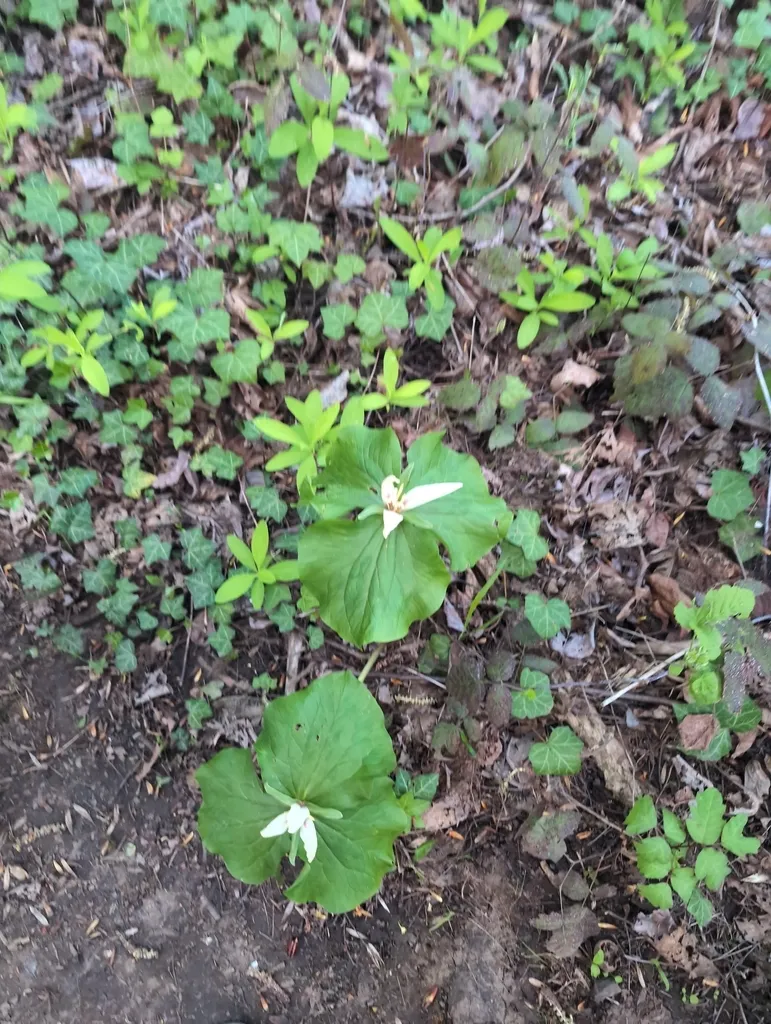
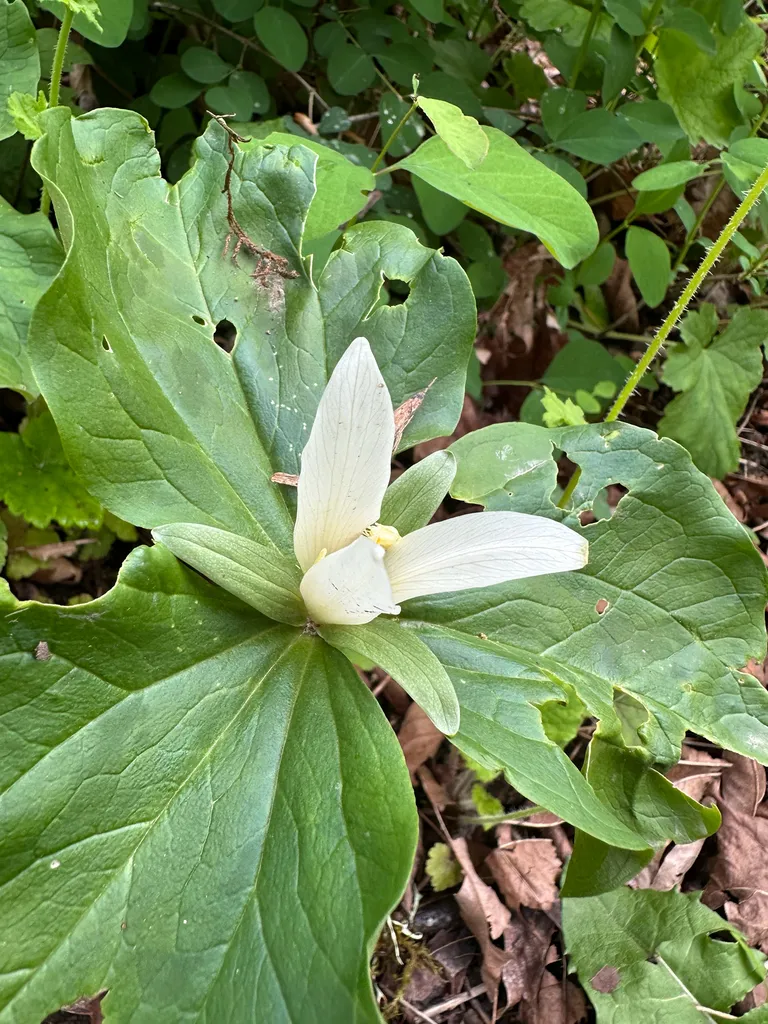
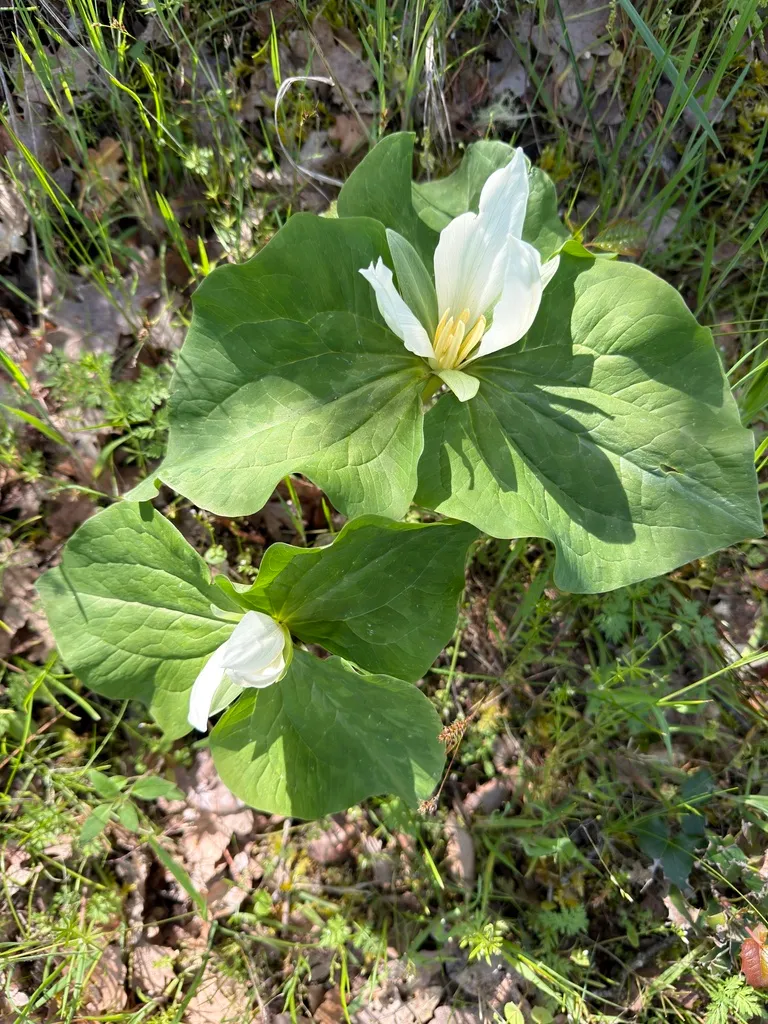
A slow-growing perennial. White, flame-shaped flowers are held without stalks above a collar of ovate leaves and larger, veined and rounded green leaves in spring. Sometimes flowers are flushed pale red or purple at the base. Plants become dormant by midsummer
Scientific classification
- Species
- giant white wake robin (Trillium albidum)
- Genus
- Trillium
- Family
- Melanthiaceae
- Order
- Liliales
- Class
- Liliopsida
- Phylum
- Magnoliophyta
- Information to be completed
- Toxicity
- Herbaceous Perennial
- Plant type
- 0.1-0.5 metres
- Height
- 0.1-0.5 metres
- Spread
- Deciduous
- Foliage
- Clump forming
- Habit
- Spring
- Season of interest
- Full shade · Partial shade
- Sunlight
- Information to be completed
- Ideal temperature









giant white wake robin pictures
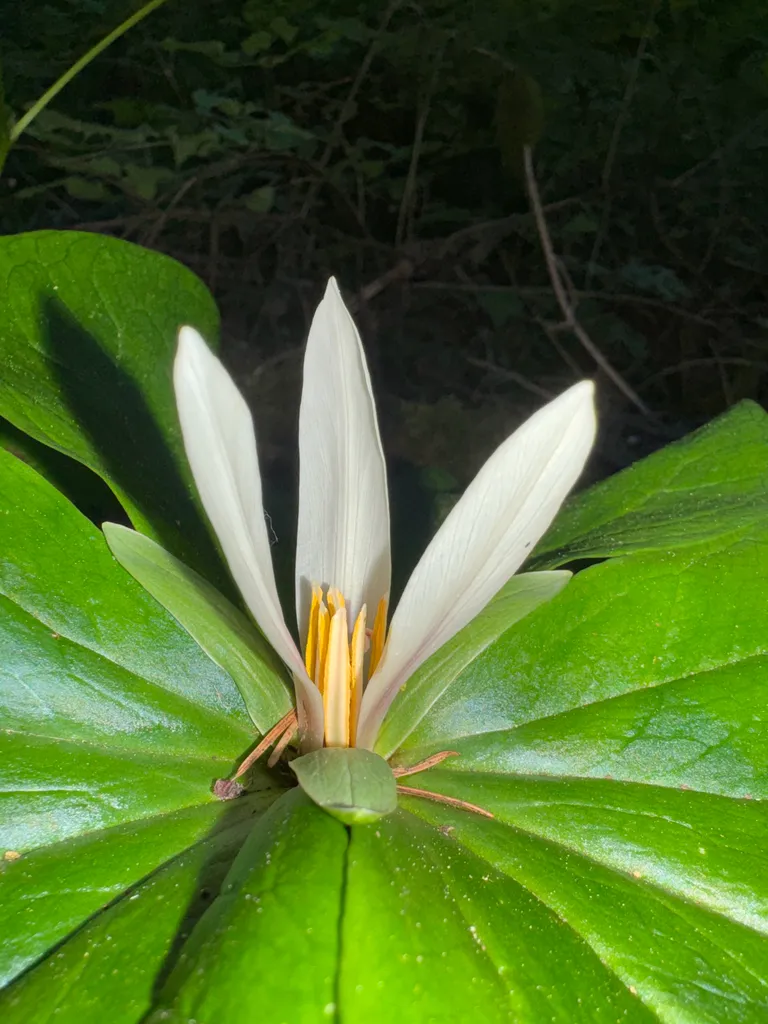
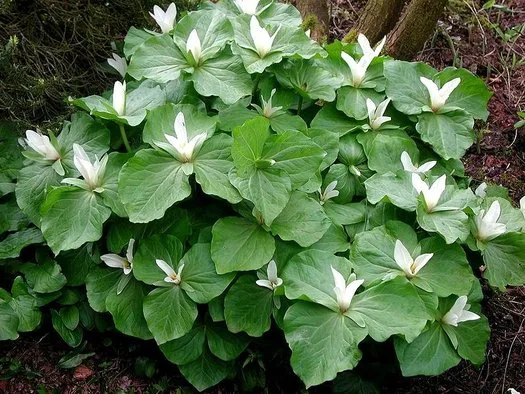
Distribution of giant white wake robin
Distribution map
- Native
- Introduced
- Cultivated
Source:WCVP v16 · Royal Botanic Gardens, Kew · CC BY 3.0 · Boundaries:WGSRPD / TDWG
giant white wake robin care guide
- Moderate regular watering, avoid prolonged drought and stagnant waterlogging
- Watering
- Full shade · Partial shade
- Sunlight

Watering
Moderate regular watering, avoid prolonged drought and stagnant waterlogging
Fertilizing
 Fertilizing
Balanced perennial feed every four weeks spring through summer growth
Pruning
 Pruning
No pruning required
Propagation
 Propagation
Propagate by seed in pots in a shady cold frame as soon as it is ripe. May take two seasons to geminate and several years to reach flowering size. Propagate by division after flowering or by removing small segments of rhizomes, potting up and nurturing
Growing
 Growing
Grow in deep, moist but well-drained, humus-rich, preferably acid to neutral soil in deep or partial shade. Mulch with leaf mould. See trillium cultivation
Common pests and diseases
Diseases
Generally disease-free
Pests
May be susceptible to slugs and snails
Explore the plant health library →




