
hydrangea strigosa
Also known as: Information to be completed
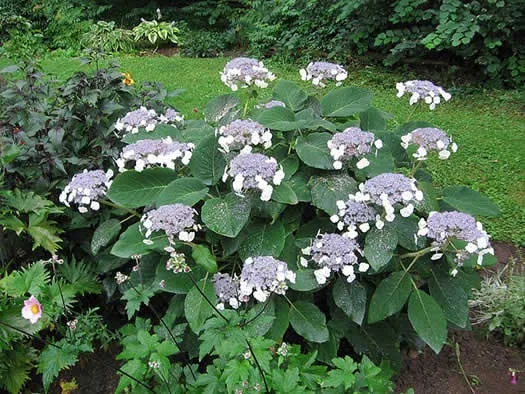
H. aspera subsp. strigosa is a variable, deciduous, slow-growing shrub, to around 3m tall, with lanceolate or narrowly-ovate leaves the undersides of which are covered with short, stiff hairs. From summer into autumn, flowerheads comprising purple fertile flowers surrounded by white sterile ray florets are borne
Scientific classification
- Species
- hydrangea strigosa (Hydrangea aspera subsp. strigosa)
- Genus
- Hydrangea
- Family
- Hydrangeaceae
- Skin allergen. Wear gloves and other protective equipment when handling
- Toxicity
- Shrubs
- Plant type
- 2.5-4 metres
- Height
- 1.5-2.5 metres
- Spread
- Deciduous
- Foliage
- Bushy
- Habit
- Spring · Summer · Autumn
- Season of interest
- Full sun · Partial shade
- Sunlight
- Information to be completed
- Ideal temperature









hydrangea strigosa pictures
Distribution of hydrangea strigosa
Distribution map
China
Information to be completed
Culture
Information to be completed
Toxicity
Skin allergen. Wear gloves and other protective equipment when handling
Quick identification of hydrangea strigosa
Information to be completed
hydrangea strigosa care guide
- Keep soil consistently moist, especially in warm weather
- Watering
- Full sun · Partial shade
- Sunlight
- Information to be completed
- Ideal temperature

Watering
Keep soil consistently moist, especially in warm weather
Fertilizing
 Fertilizing
Hydrangea feed in spring and again early summer
Pruning
 Pruning
Little pruning is needed. Remove diseased, damaged, crowded or crossing shoots and unwanted growth. Timing depends on the plant: generally late winter or early spring; plants prone to bleeding and deciduous magnolias need different timing, and deciduous azaleas and lilacs are pruned after flowering.
Propagation
 Propagation
Propagate by softwood cuttings
Growing
 Growing
Grow in moist but well-drained soil in full sun or partial shade. Provide shelter from cold winds. See shrubby hydrangea cultivation for more detailed advice
People also ask
Information to be completed
Common pests and diseases
Diseases
May be susceptible to a leaf spot, powdery mildews, grey moulds (Botrytis) and honey fungus (rarely)
Pests
May be susceptible to aphids, capsid bug, hydrangea scale and vine weevil
Explore the plant health library →




