
common fleabane
Also known as: greater fleabane; wild marigold
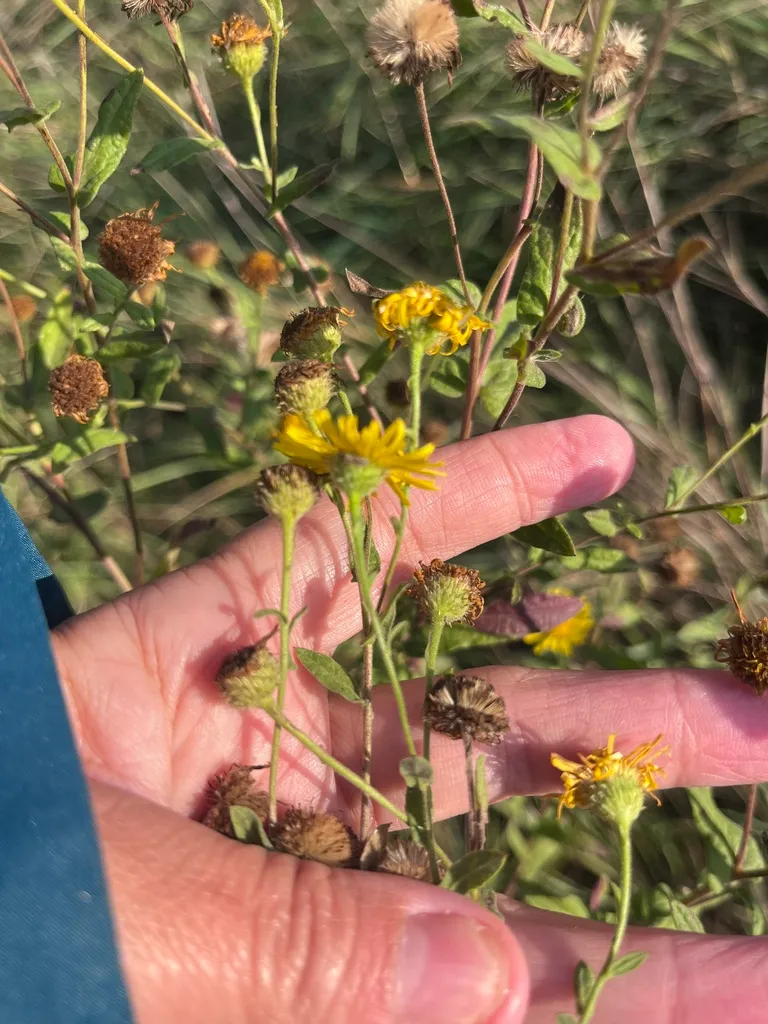
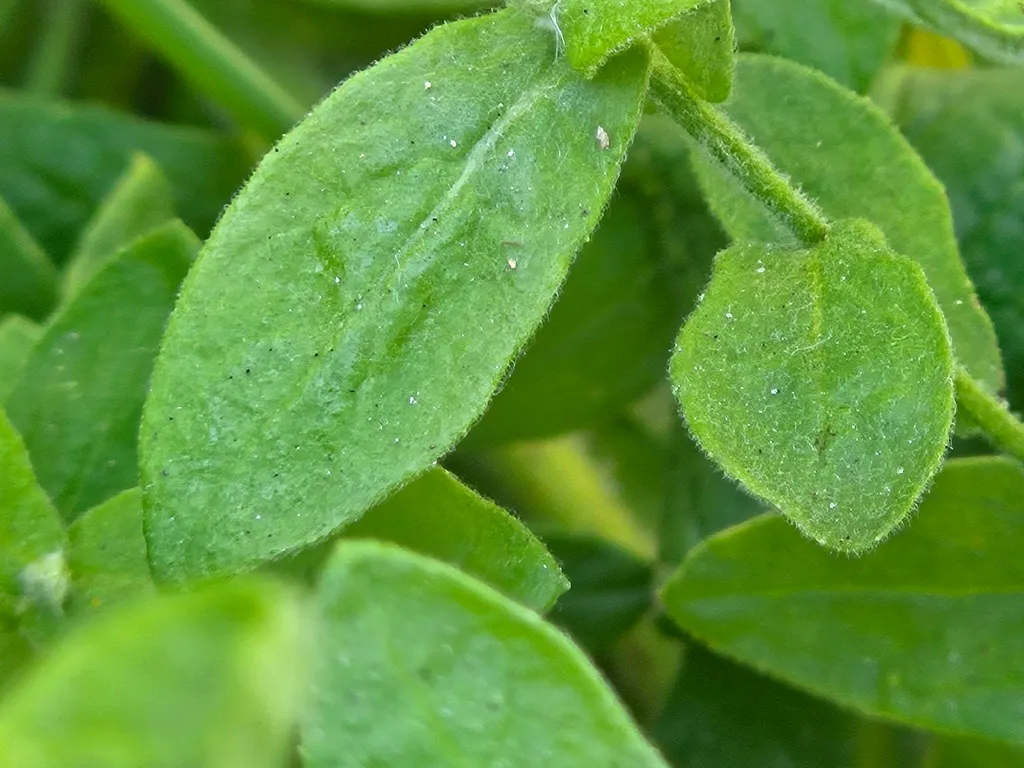
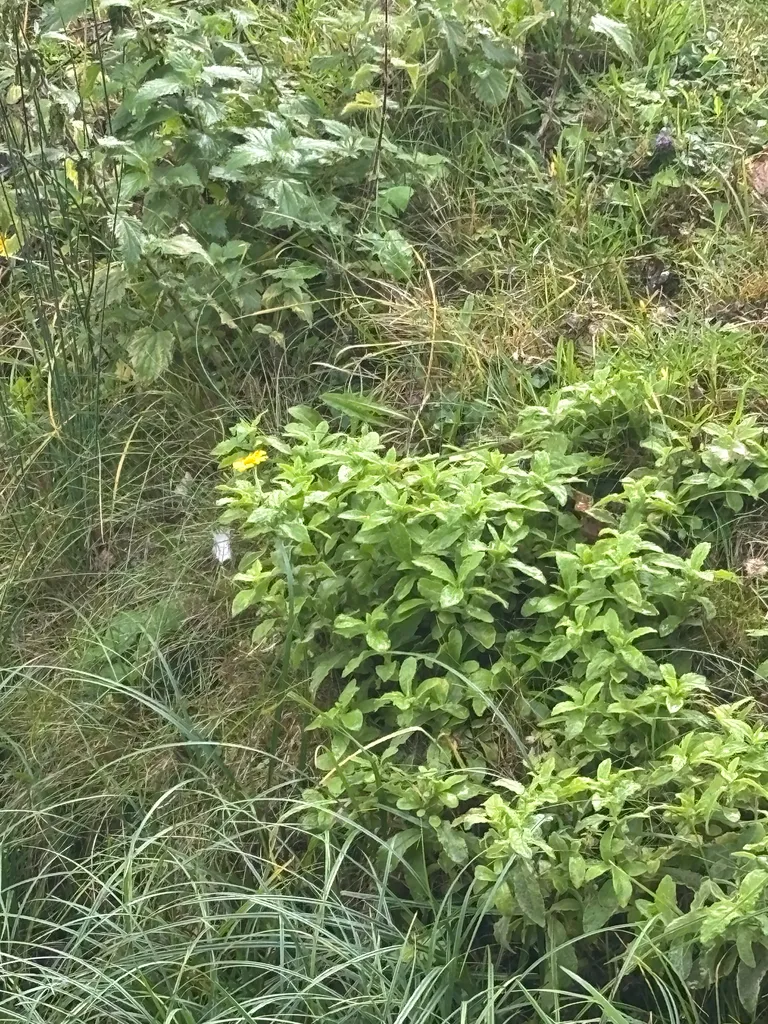
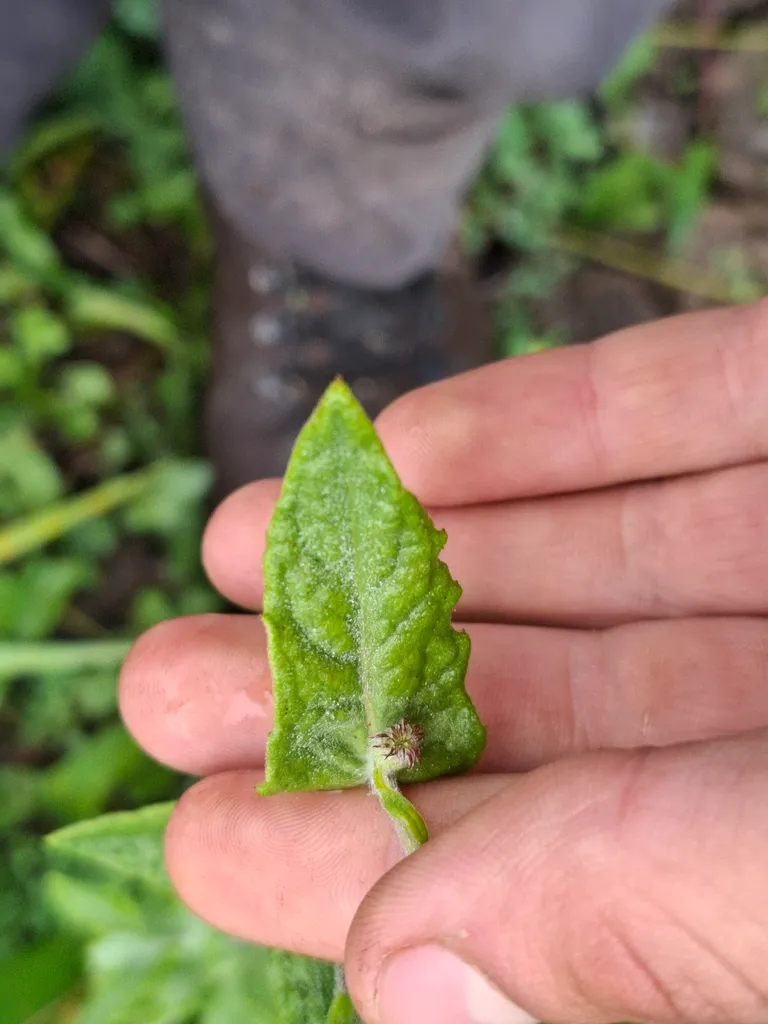
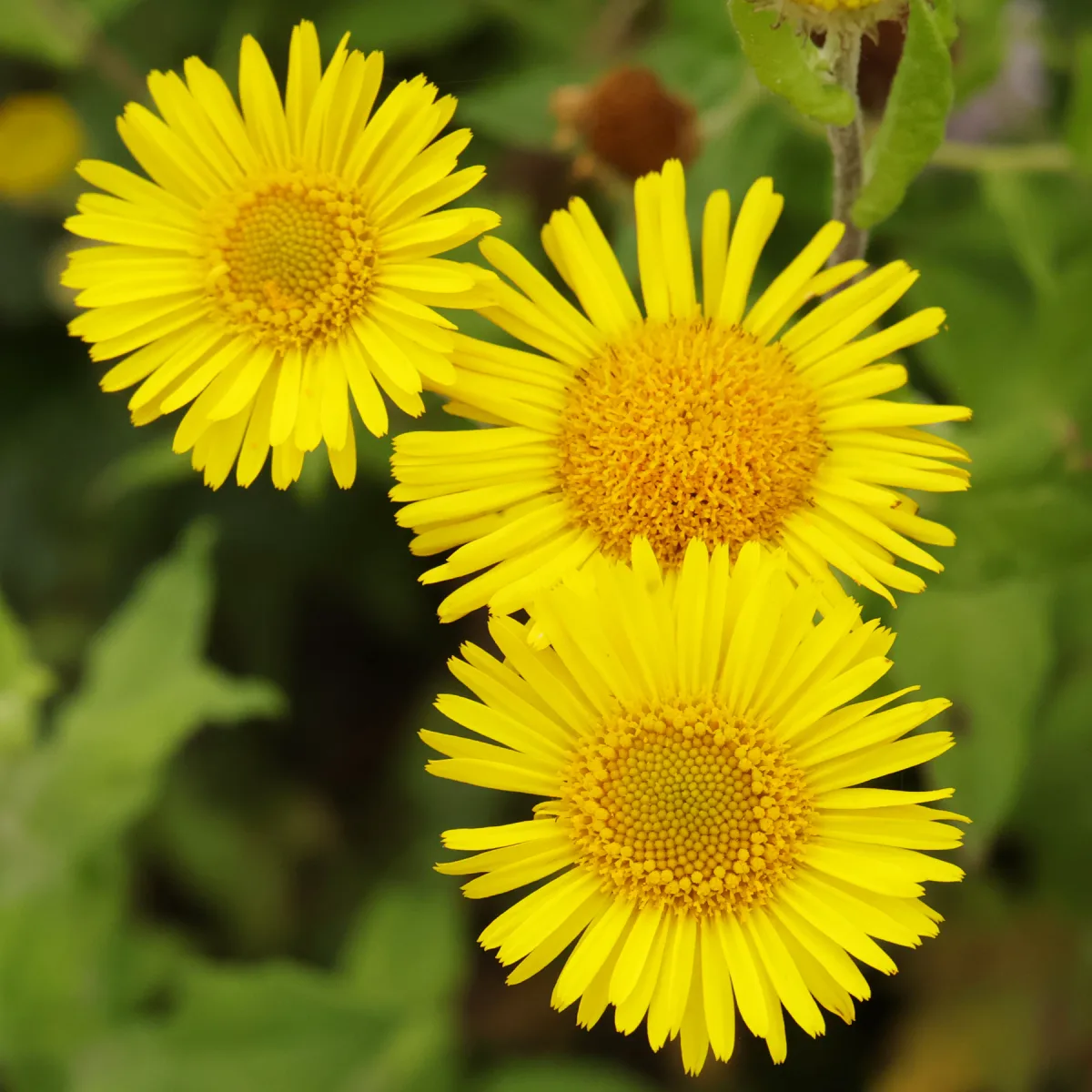
Pulicaria dysenterica is a perennial with creeping rhizomes. Leaves are slightly heart-shaped and clasp the stem. Basal leaves soon wither. Woolly flowering stems reach up to 1m in height with clusters of flat, yellow, daisy-like flower heads. These have short ray petals and are borne in July to September
Scientific classification
- Species
- common fleabane (Pulicaria dysenterica)
- Genus
- Pulicaria
- Family
- Asteraceae
- Order
- Asterales
- Class
- Magnoliopsida
- Phylum
- Magnoliophyta
- Information to be completed
- Toxicity
- Herbaceous Perennial
- Plant type
- 0.5-1 metres
- Height
- Information to be completed
- Spread
- Deciduous
- Foliage
- Bushy
- Habit
- Spring · Summer · Autumn
- Season of interest
- Full sun · Partial shade
- Sunlight
- Information to be completed
- Ideal temperature









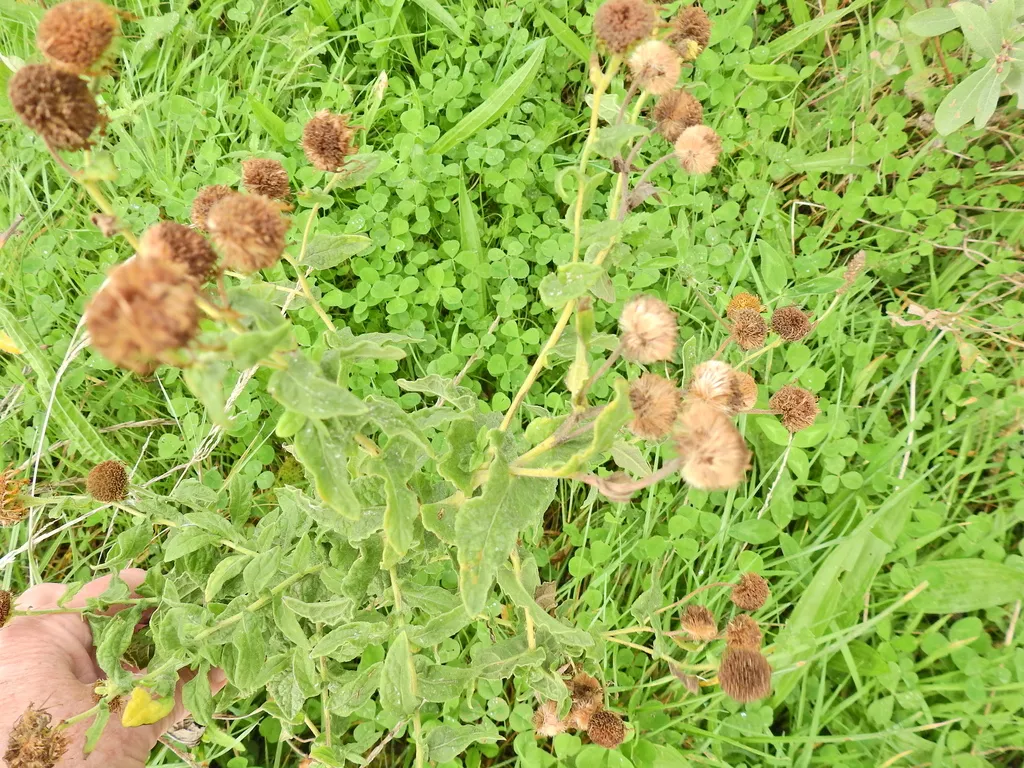
common fleabane pictures
Distribution of common fleabane
Distribution map
- Native
- Introduced
- Cultivated
Source:WCVP v16 · Royal Botanic Gardens, Kew · CC BY 3.0 · Boundaries:WGSRPD / TDWG
common fleabane care guide
- Moderate regular watering, avoid prolonged drought or waterlogging
- Watering
- Full sun · Partial shade
- Sunlight

Watering
Moderate regular watering, avoid prolonged drought or waterlogging
Fertilizing
 Fertilizing
Balanced feed in spring and light repeat in growth season
Pruning
 Pruning
None required
Propagation
 Propagation
Propagate by division or propagate by seed
Growing
 Growing
Enjoys sunny locations with heavy, damp soils
Common pests and diseases
Diseases
Trouble-free
Pests
Trouble-free
Explore the plant health library →




