
castor oil plant
Also known as: castor bean; hands of Christ; Jonah's gourd; man's motherwort; mole bean; mole plant; oil plant; palma-Christi; palms of Christ; steadfast
An erect, branching shrub to 1.5m when grown as an annual, with very deeply 5- to 12-lobed, glossy, green, red or bronze leaves to 30cm long, held on red stems. Insignificant yellow flowers are produced in summer; these are followed by bright red, spherical, spiky seed capsules
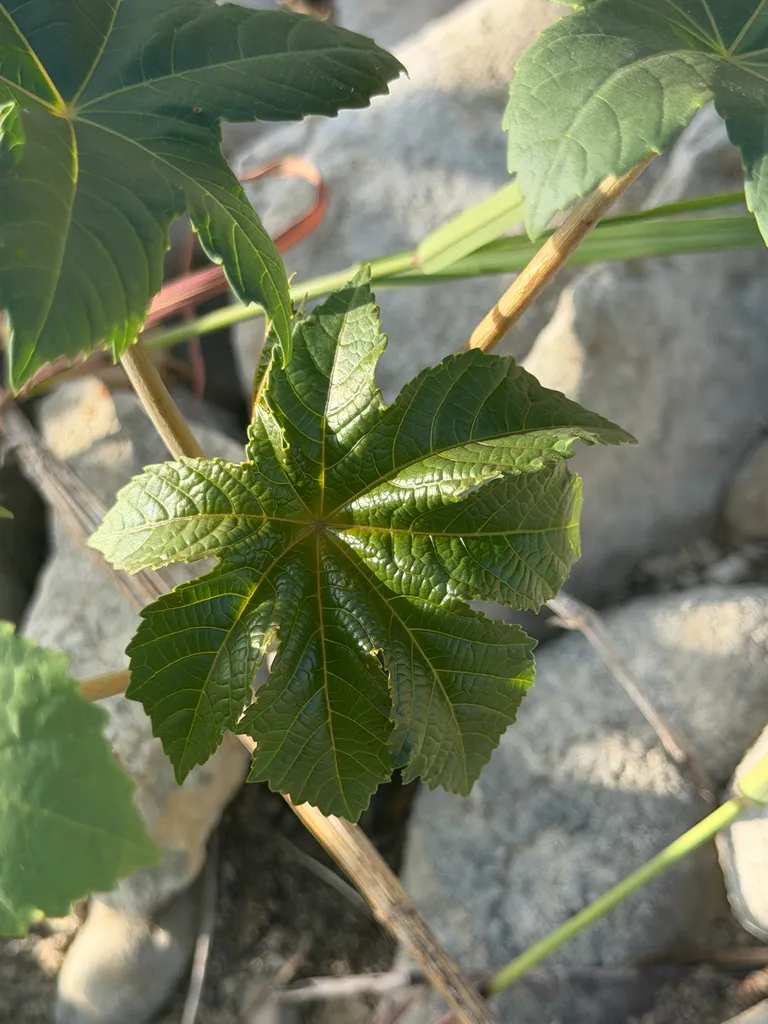
Scientific classification
- Species
- castor oil plant (Ricinus communis)
- Genus
- Ricinus
- Family
- Euphorbiaceae
- TOXIC if eaten, wear gloves and other protective equipment when handling]
- Toxicity
- Shrubs · Annual Biennial
- Plant type
- 1.5-2.5 metres
- Height
- 0.5-1 metres
- Spread
- Evergreen
- Foliage
- Columnar upright
- Habit
- Spring · Summer · Autumn
- Season of interest
- Full sun
- Sunlight
- Information to be completed
- Ideal temperature









castor oil plant pictures
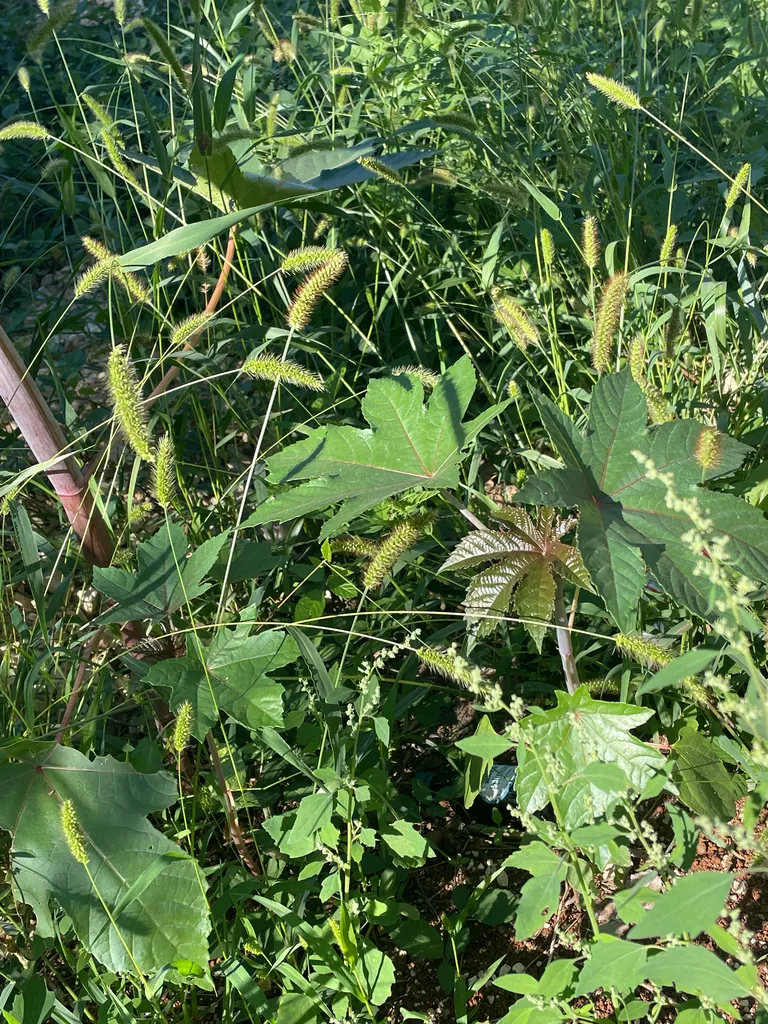
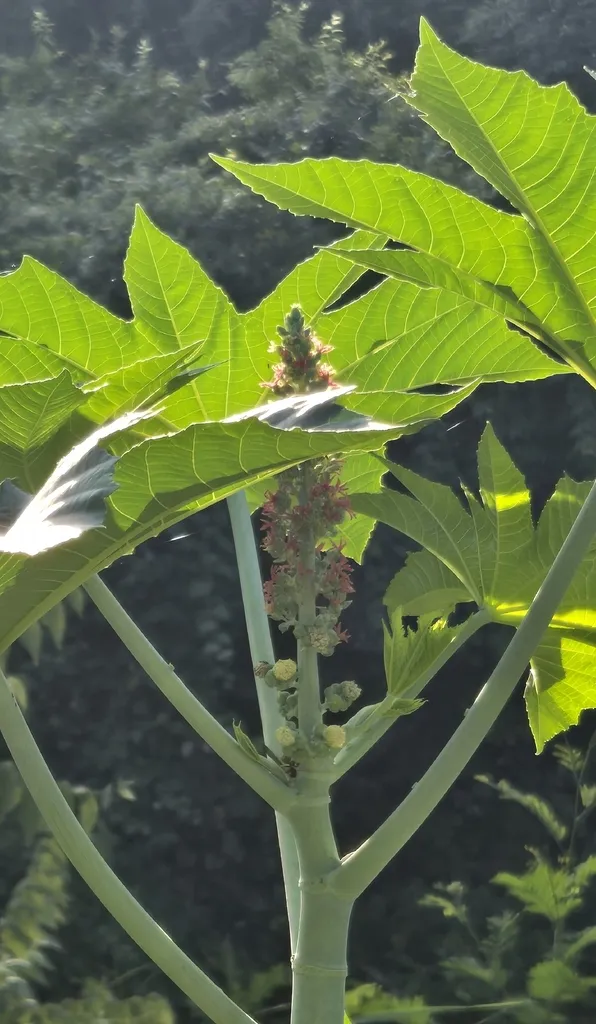
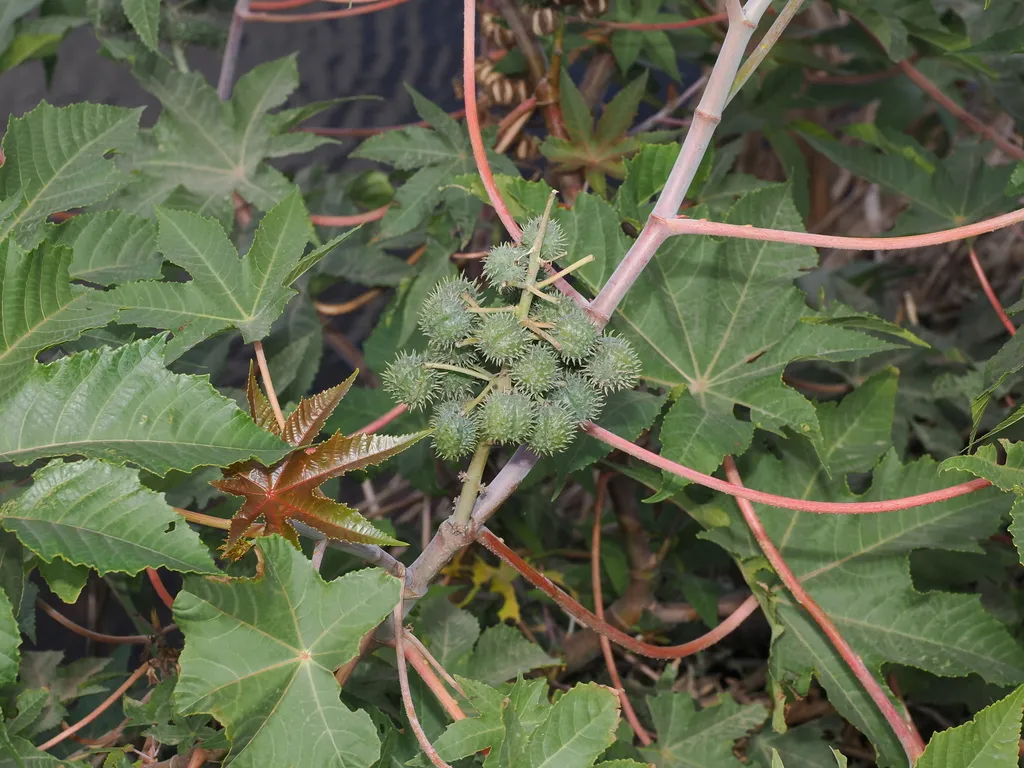
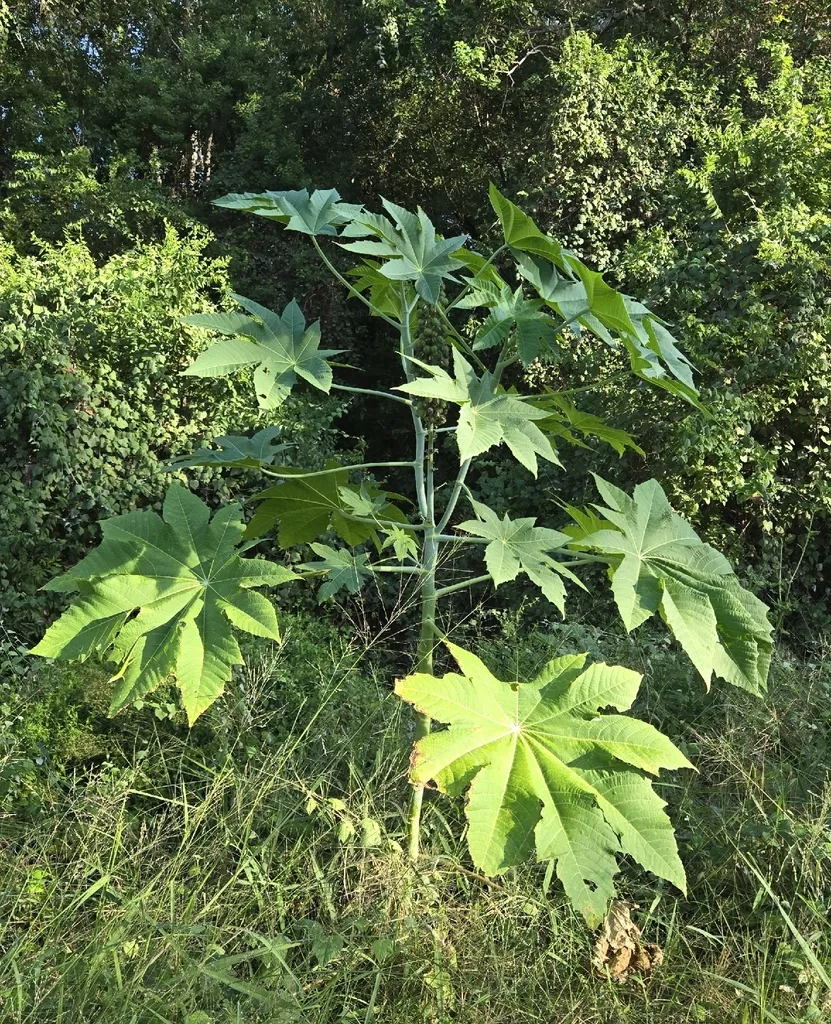
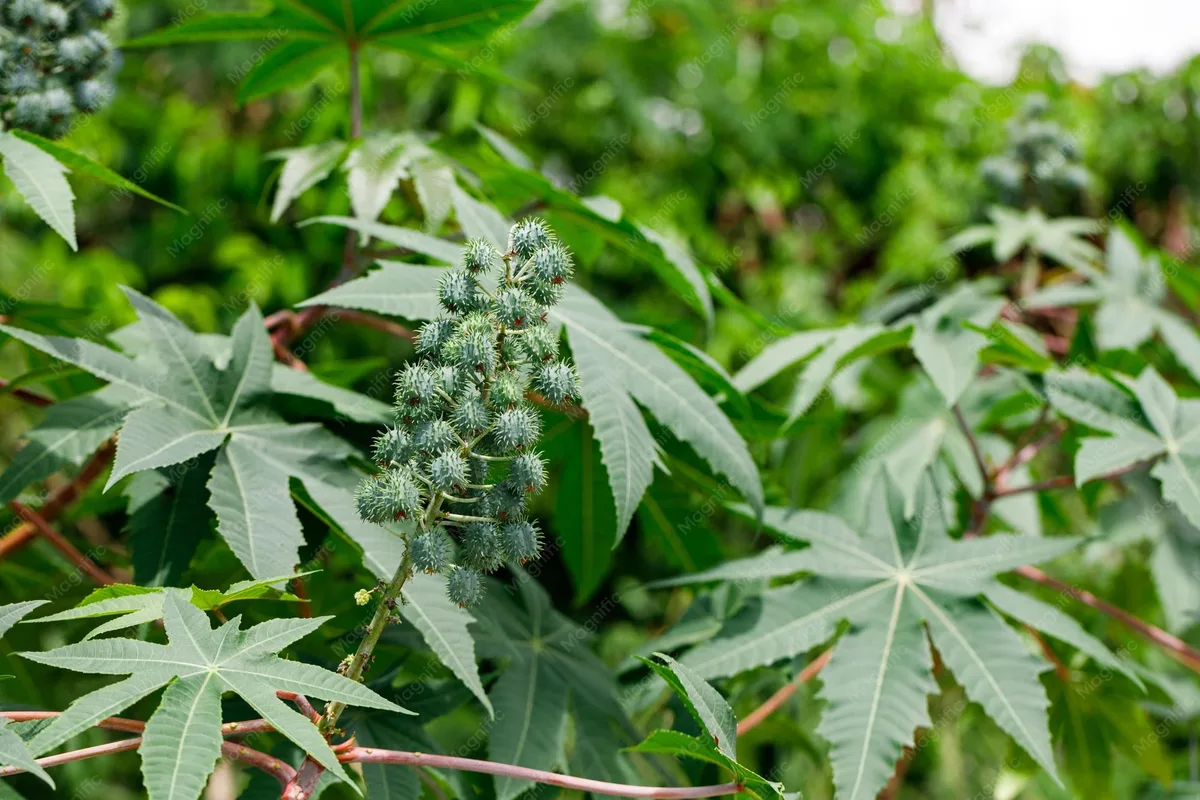
Distribution of castor oil plant
Distribution map
N. E. Africa to W. Asia
Information to be completed
Culture
Information to be completed
Toxicity
TOXIC if eaten, wear gloves and other protective equipment when handling]
Quick identification of castor oil plant
Information to be completed
castor oil plant care guide
- Moderate regular watering, allowing brief slight drying between soakings
- Watering
- Full sun
- Sunlight
- Information to be completed
- Ideal temperature

Watering
Moderate regular watering, allowing brief slight drying between soakings
Fertilizing
 Fertilizing
Balanced perennial feed every four weeks from spring through summer
Pruning
 Pruning
No pruning required
Propagation
 Propagation
Propagate by sowing seed in spring, singly into 9cm pots
Growing
 Growing
Plant out after the last frosts in fertile, humus-rich, well-drained soil in full sun. Stake in exposed sites
People also ask
Information to be completed
Common pests and diseases
Diseases
May be susceptible to honey fungus (rarely)
Pests
May be susceptible to glasshouse red spider mite
Explore the plant health library →




