
bergamot
Also known as: Information to be completed
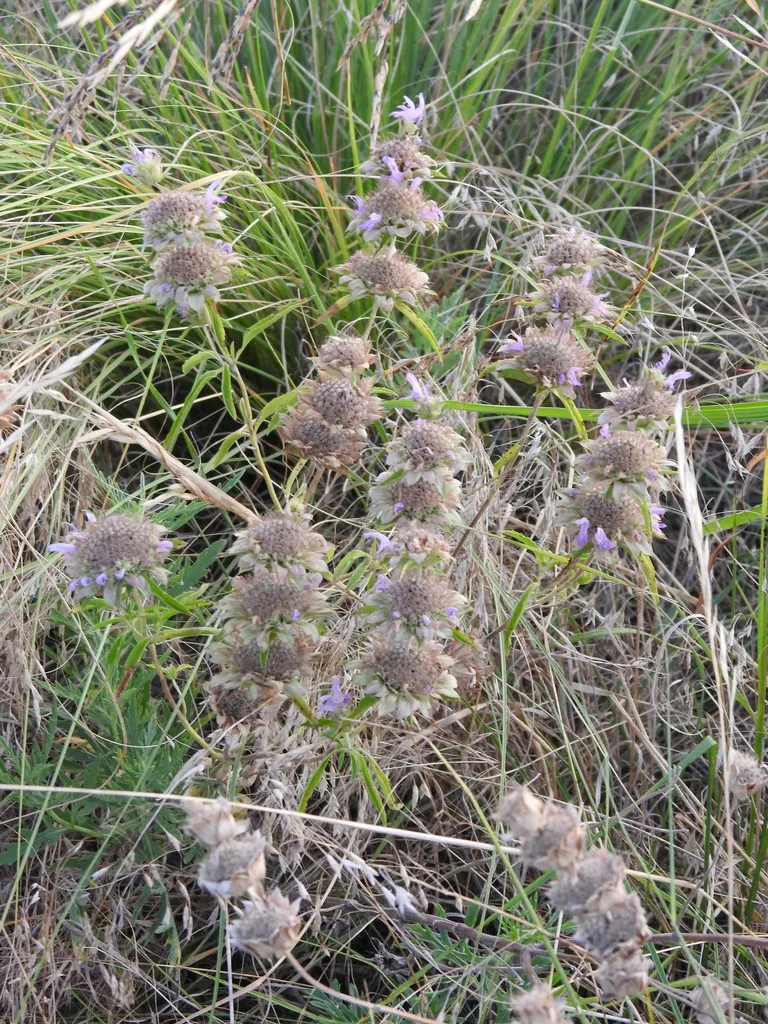
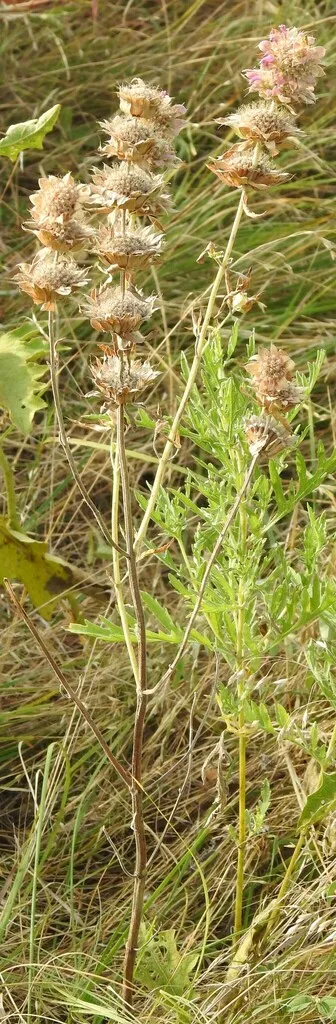
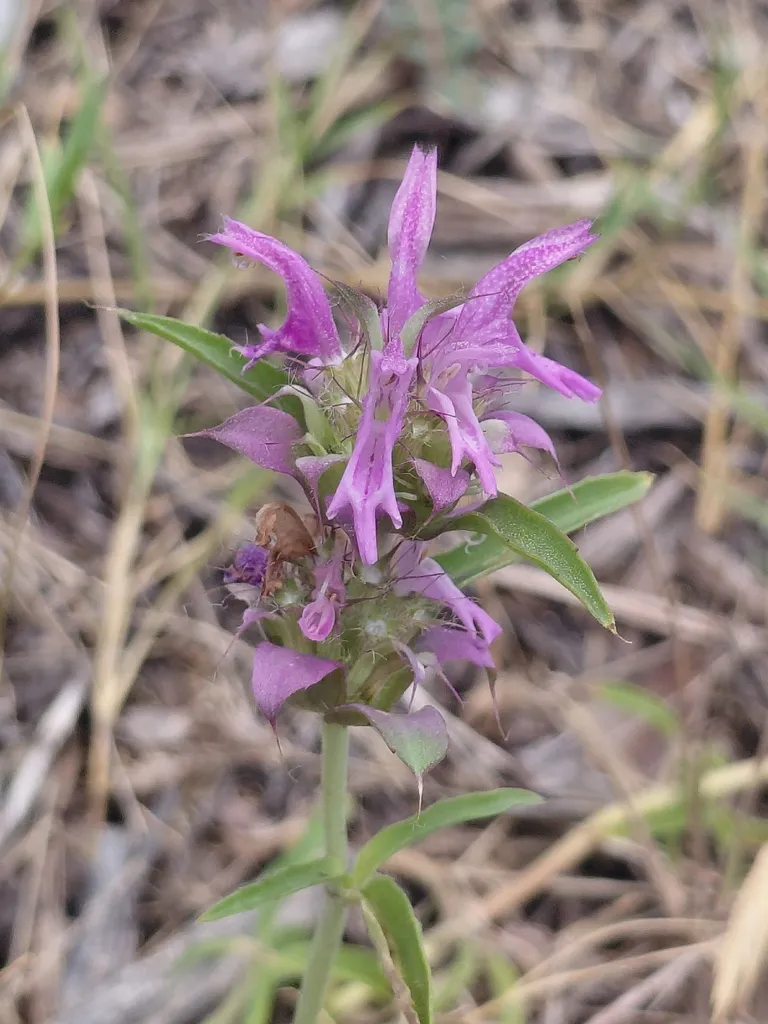
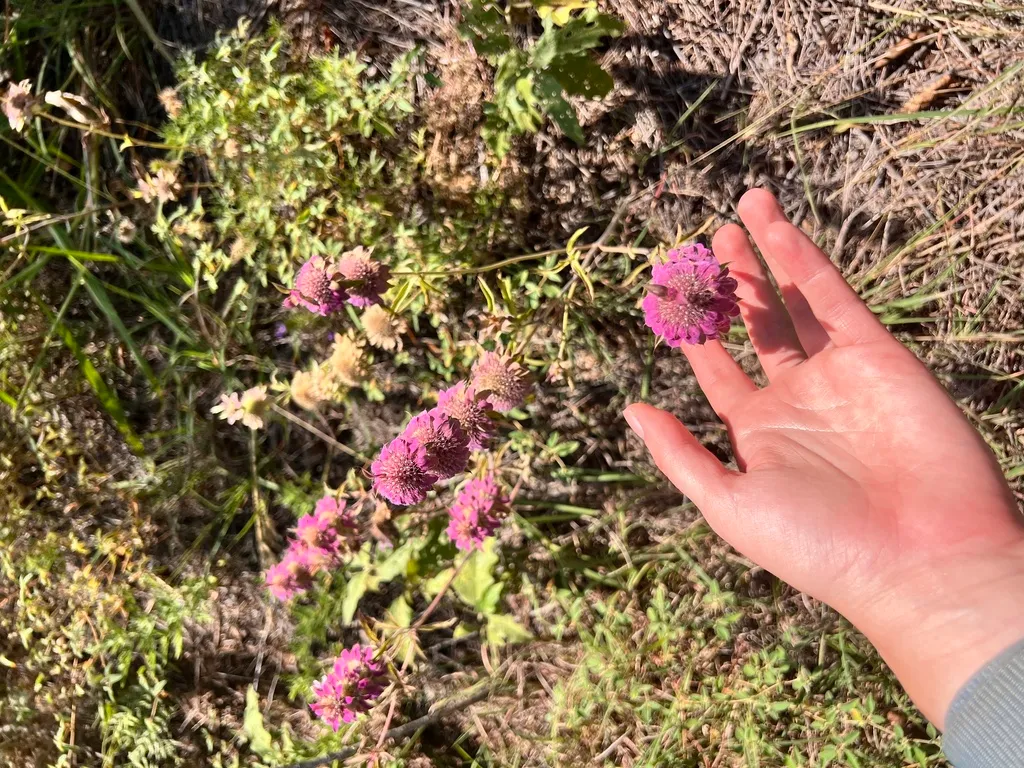
A short-lived perennial often grown as an annual or biennial to 60cm tall with narrow, toothed, lance-shaped leaves that smell of lemon when crushed. Scented, tubular, two-lipped white, pink and purple flowers over purplish bracts are borne in tiered, globular clusters around the stem; each flower stem usually carries between two and six flower clusters
Scientific classification
- Species
- bergamot (Monarda citriodora)
- Genus
- Monarda
- Family
- Lamiaceae
- Information to be completed
- Toxicity
- Herbs - Culinary · Herbaceous Perennial
- Plant type
- 0.5-1 metres
- Height
- 0.1-0.5 metres
- Spread
- Deciduous
- Foliage
- Bushy
- Habit
- Spring · Summer · Autumn
- Season of interest
- Full sun · Partial shade
- Sunlight
- Information to be completed
- Ideal temperature









bergamot pictures
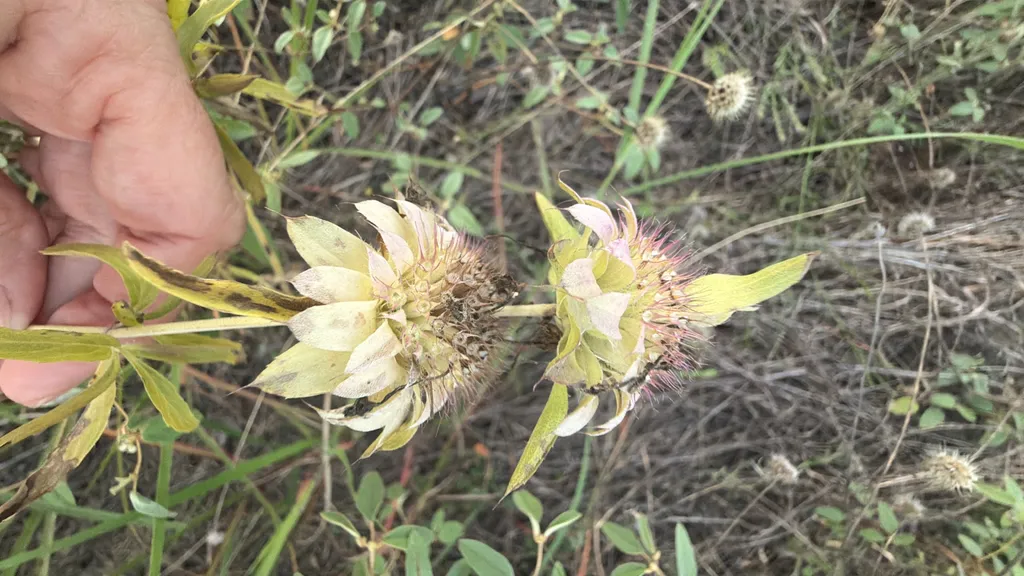
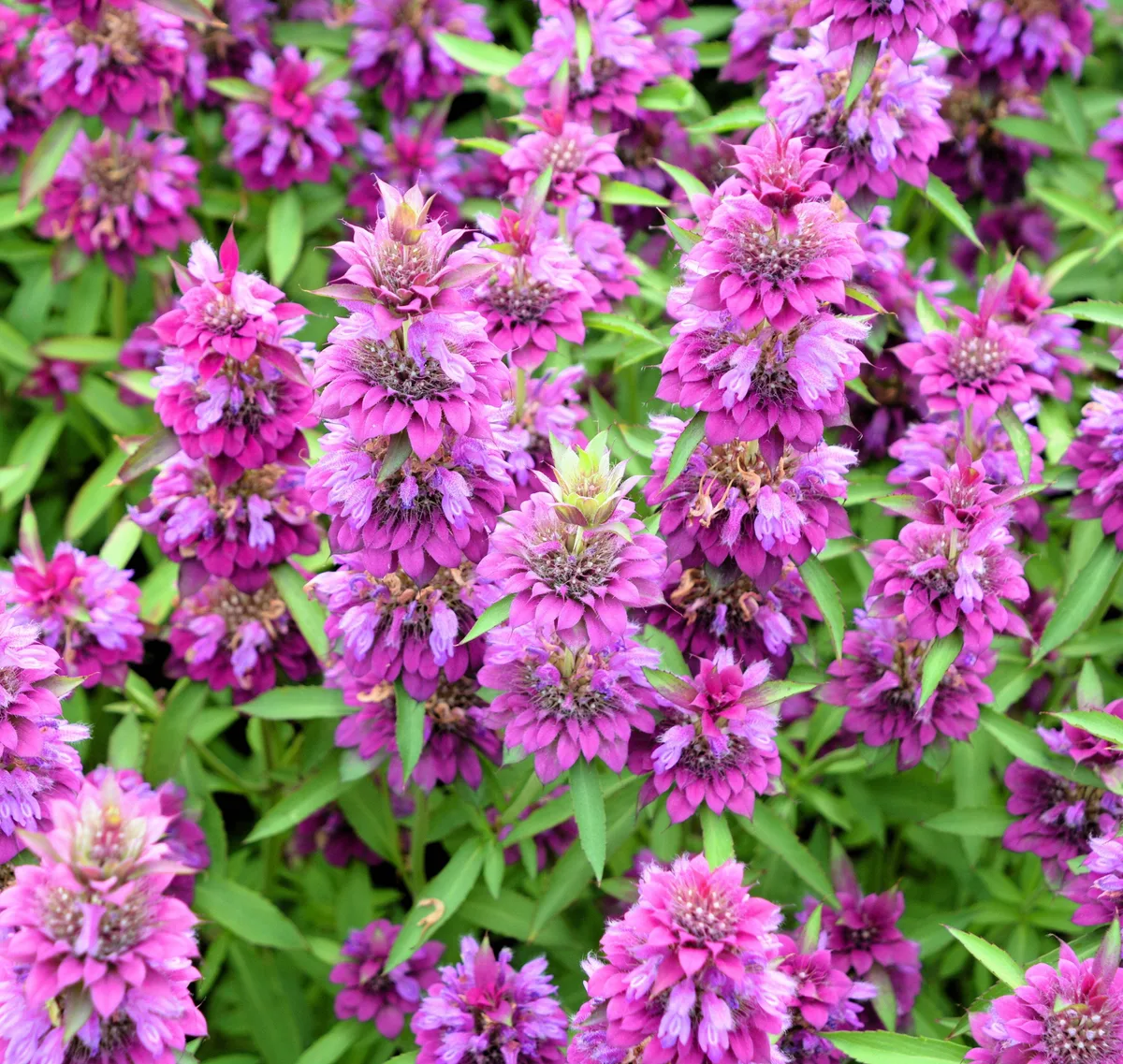
Distribution of bergamot
Distribution map
Information to be completed
Information to be completed
Culture
Information to be completed
Toxicity
Information to be completed
Quick identification of bergamot
Information to be completed
bergamot care guide
- Keep soil evenly moist, especially in summer heat
- Watering
- Full sun · Partial shade
- Sunlight
- Information to be completed
- Ideal temperature

Watering
Keep soil evenly moist, especially in summer heat
Fertilizing
 Fertilizing
Balanced feed in spring and after first bloom
Pruning
 Pruning
Deadhead regularly then cut stems down to the ground in autumn
Propagation
 Propagation
Propagate by division
Growing
 Growing
Grow in moderately fertile, moist but well-drained soil in full sun or light shade. Protect from excessive winter wet and do not allow to dry out in summer
People also ask
Information to be completed
Common pests and diseases
Diseases
Prone to powdery mildews
Pests
Generally trouble free
Explore the plant health library →




